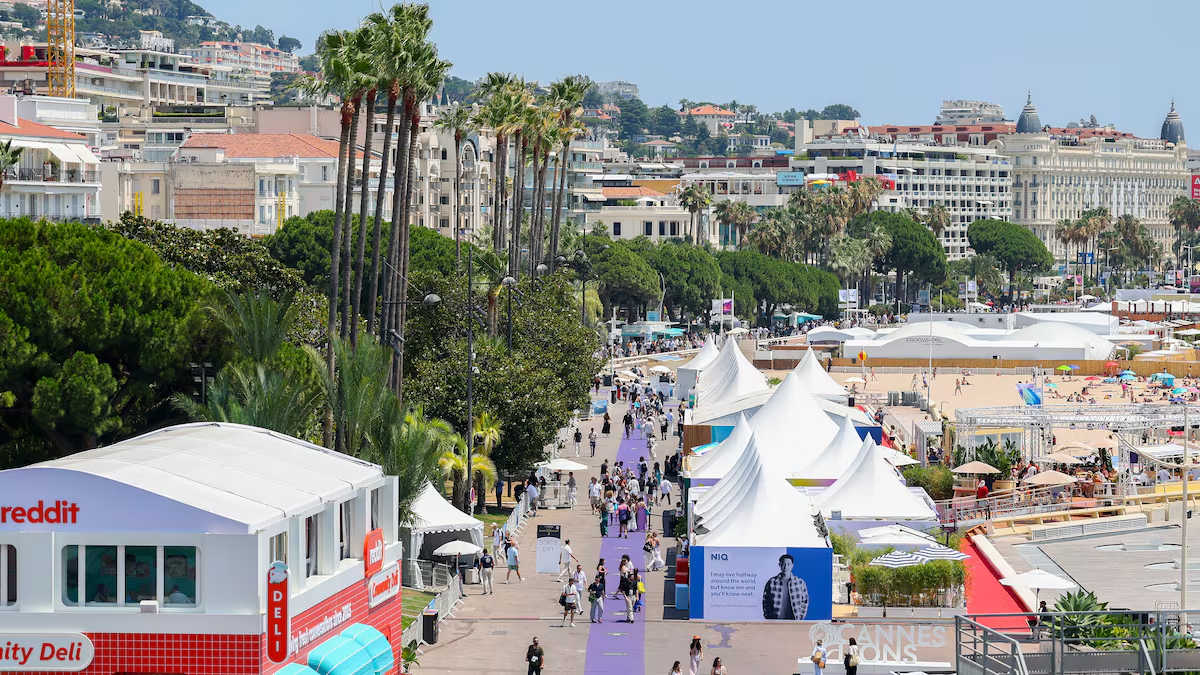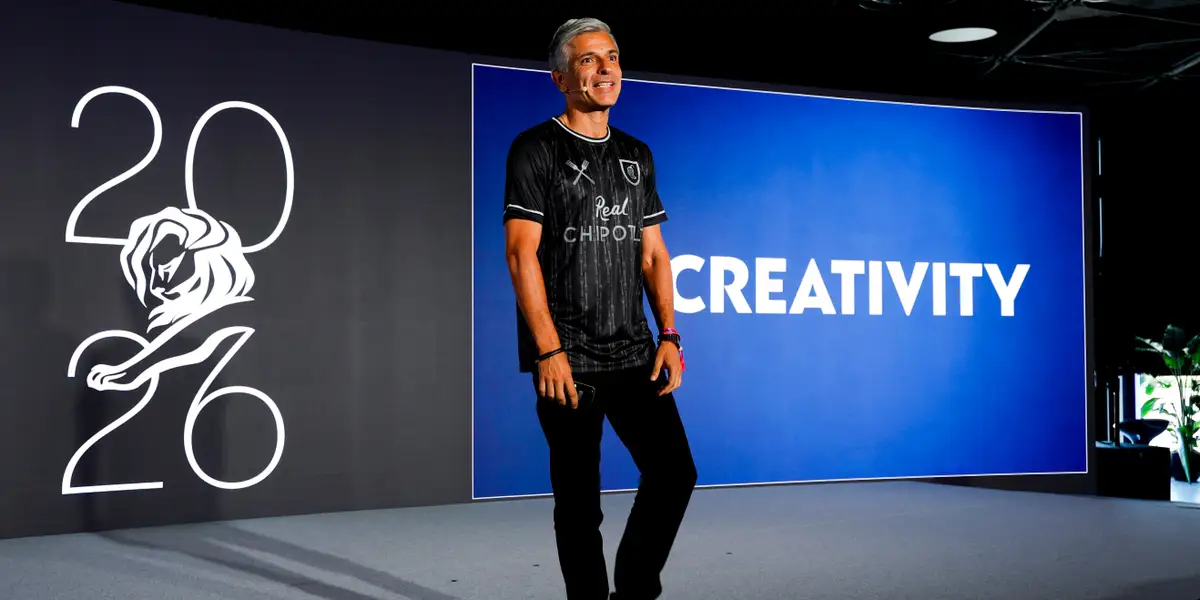
We blinked and it’s back: the countdown to the Cannes Lions International Festival of Creativity. If the past few years are any indication, you can expect La Croisette to be awash in predictable chatter regarding AI-automated optimization, predictive algorithms and enterprise software efficiencies. But as the industry prepares to descend on Cannes, I want to issue a challenge regarding its contribution to brands, business and society at large. It’s time to look in the mirror, understand what is changing and build renewed confidence in our value.We have all been guilty of fixating on AI adoption. Agency heads feel the pressure of client expectations: do more, for less, quicker. This pressure has spawned an obsession with automation. There are rumblings of, “AI doesn’t know craft, and will legitimize ‘OK’ work as ‘good enough.’” We need to turn up the volume on these concerns. More importantly, we need to reframe AI. It is undeniably valuable, but as a creative booster and growth driver.The reality is simple: AI needs human creativity to deliver brand breakthroughs and stimulate growth. Brands grow because they break through in what they say and how they say it.New organizational designsOver the past six months, I’ve spoken to over 70 CEOs and founders. Without fail, talent is top priority as traditional agency roles contract and leadership looks to structure and upskill teams.Clients value an agency deeply tapped into culture. To deliver, we must dismantle isolated departments. It’s time to build creative networks, strategic and taste-making neighborhoods and deliver alchemists. This is how we bring human insight to brands and push past efficiency toward growth. Today, we see the ripple effects of that administrative efficiency obsession. Data from our recent 4As white paper, Redefining Entry-Level Agency Positions in the Age of AI, underscores how aggressively the ground has shifted under the weight of automation. A full 57% of senior agency leaders say they have slowed or paused traditional hiring paths; and workers aged 20 to 24 now comprise just 6.5% of the total agency workforce, down from 10.5% in 2019.This contraction is not a sign of a dying industry — our industry will survive as long as brands seek astounding creativity to spark growth. Instead, this moment must be treated as a market correction away from administrative task-execution and a long-overdue return to high-level cognitive capacity.Technology as an amplifier, not a strategyOur application of technology makes all the difference. The best applications of AI use the tools to supercharge human intuition. For example, a Midwest agency recently developed an agentic model of its client segments using first- and third-party data, synthetic data and past campaign results. This agent is accessed by both the client and the agency to evaluate how creative ideas align with media plans, predicting what is likely to break through. The team then validates those findings by tapping into their human creative networks.This type of application drives brand breakthrough and differentiation, and is necessary for agencies to continue as key partners in their clients’ growth agendas. Technology is a brilliant engine for operational efficiency, but it is not an emotionless substitute for a strategy. Brands cannot be run by algorithms alone. We must use emerging technology to handle workflow and scaled production, freeing our people to be ingenious, daring and ambitious.Creativity that welcomes the unconventionalCannes consistently showcases our industry’s most iconic ideas, demonstrating creativity’s unmatched potency in solving real-world business challenges. Yet, lately we have seen much less of this type of work. So instead, I connect with my networks across the world regularly for on-the-ground insight on what is shaping and shifting culture. Agencies need this human inspiration. We cannot expect to find breakthrough creative answers if we keep looking in the exact same places. Once we build agile networks as opposed to static departments, we must expand who we welcome to the table. To stay out of creative comfort zones, we need to integrate independent creators, musicians, data architects, platform-native specialists and neurodivergent thinkers into the core creative process. Combining divergent human ingenuity with technology unlocks growth.An active brief for leadershipThe true measure of our strategic progress this year will not be found in our software updates, new platform launches or organizational charts.Even as we roll out the beta version of our 4As Intelligence AI tool to provide members access to our IP, research, studies and more, we recognize these tools are only the baseline.The real challenge for agency leadership is viewing these tools as the new drivers of growth. Push back on the brief asking to do more for less, and turn it into an opportunity for shared growth.Independent agencies are driving their differentiation because they are moving in new directions, embracing new structures and betting on themselves to share in the spoils of client growth. Don’t watch the independent movement or the rise of specialized creators from the comfortable sidelines. Jump into being uncomfortable.What will you take away from Cannes this year? What actions will you commit to within your own organization to ensure that talent, tech and creativity ladder up to a true brand breakthrough?This is a new era, not just a new day. Let’s invest heavily in the multidisciplinary talent navigating this chaos, lead the application of technology and bring new mindsets to the table that make you feel utterly uncomfortable in the pursuit of greatness. Let us be inspired by creative growth in Cannes as we practice saying bonjour! in the mirror before leaving for La Croisette each day.Justin Thomas-Copeland is the CEO of the 4As.
The agency value stamp: Rejecting ‘good enough’ to push for greatness
The CEO of 4As on the upcoming conversations surrounding AI at Cannes Lions International Festival of Creativity.
916 words~4 min read