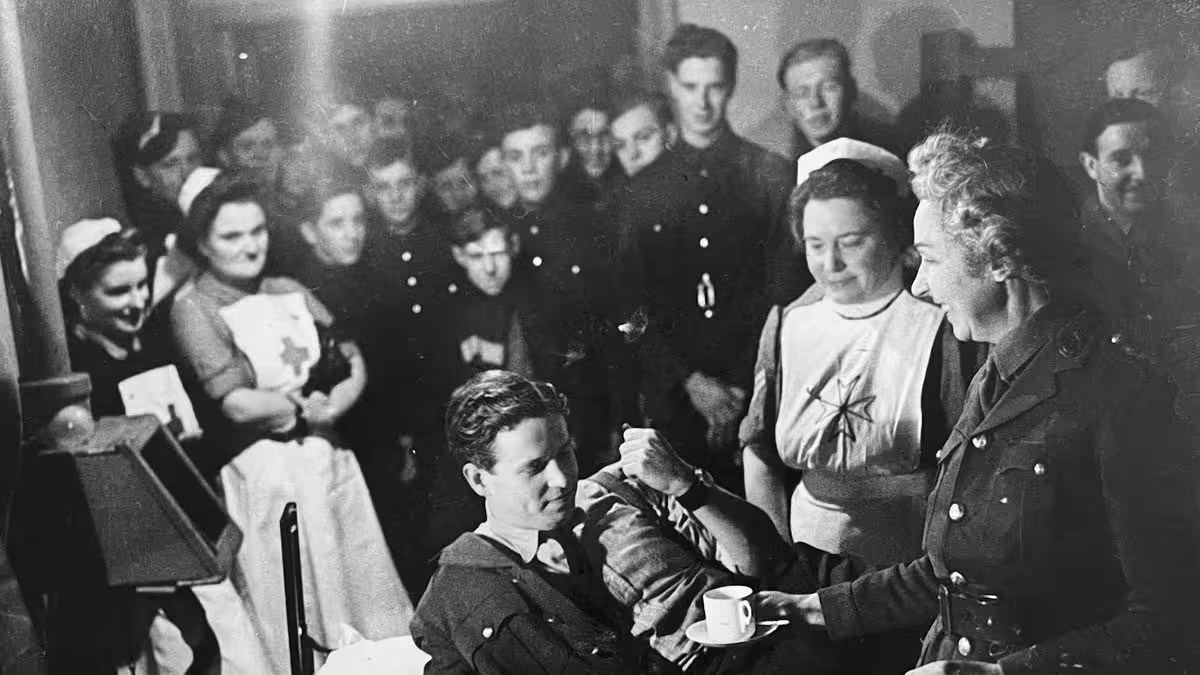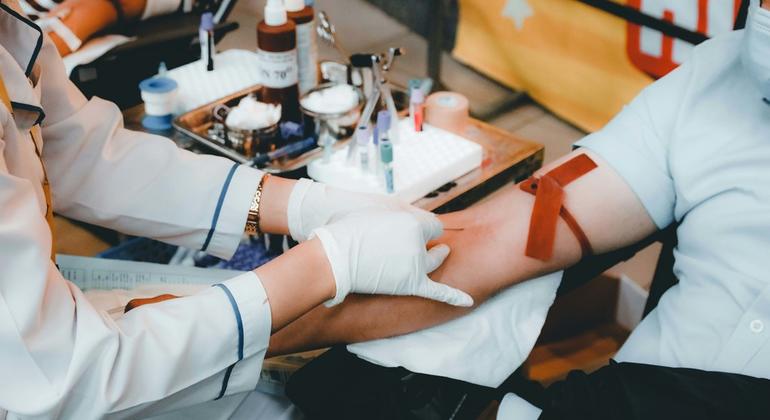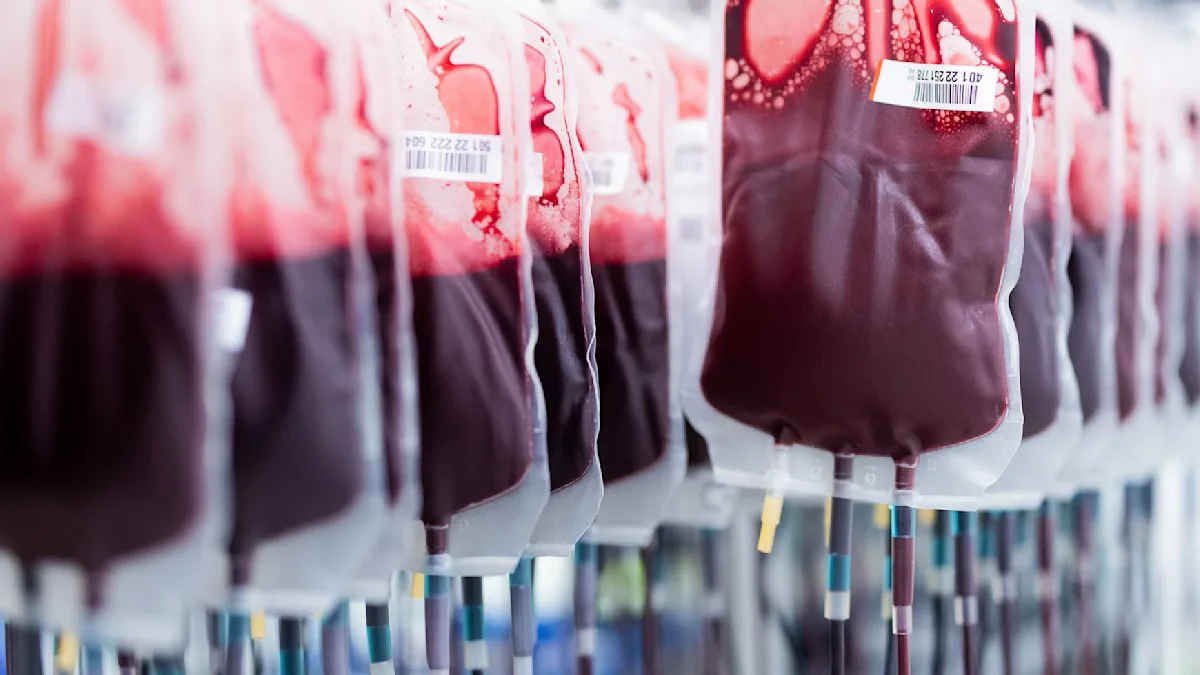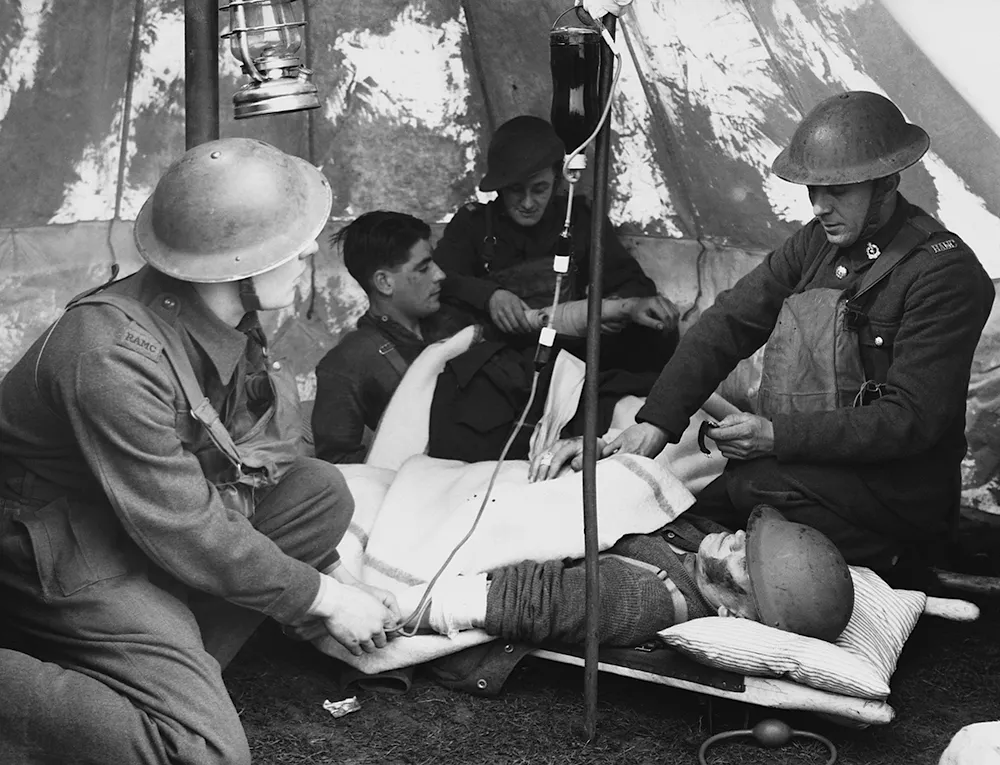
Most conventional second world war military histories focus on weapons, materiel and even the manpower needed for a decisive victory over Hitler and the Axis powers. Little has been written about blood as a strategic resource. However, a pioneering service of specially trained medics who worked dangerously close to the front lines, pumping blood into the veins of battle casualties, saved not only lives but contributed significantly to winning the war. They did this by returning men to the front line and boosting morale by persuading them that, if wounded, they had the maximum chance of life.
The field transfusion units, FTUs, were not replacements for surgical units – in many cases they prepared the wounded for surgery which might otherwise not have been possible – nor for the new drugs, especially penicillin, which became available towards the end of the war. But according to postwar estimates, one in ten wounded British soldiers who survived had been transfused.
One of the most surprising aspects of this story, compellingly told by the official SOE historian Roderick Bailey, is why other countries, including allies such as the US, were, to their serious disadvantage, lagging behind the British in this experiment. Admittedly, transfusion itself was a novelty at the beginning of the century and there was little understanding of different blood types or the role of coagulants. But mostly the British success resulted from the drive of unconventional individuals who set up expert teams in 1939, were prepared to take risks and then hand-picked others like them. These included prewar GPs, conscientious objectors (many of whom were Friends) and a communist doctor and veteran of the Spanish Civil War. There were also doctors in their twenties, such as Gordon Wolstenholme, who, like many others, had trained at the Middlesex Hospital. They became one of the smallest and tightest-knit units in the British army.