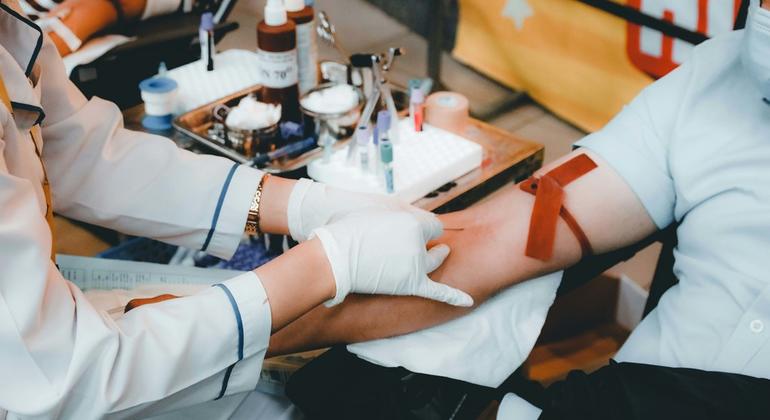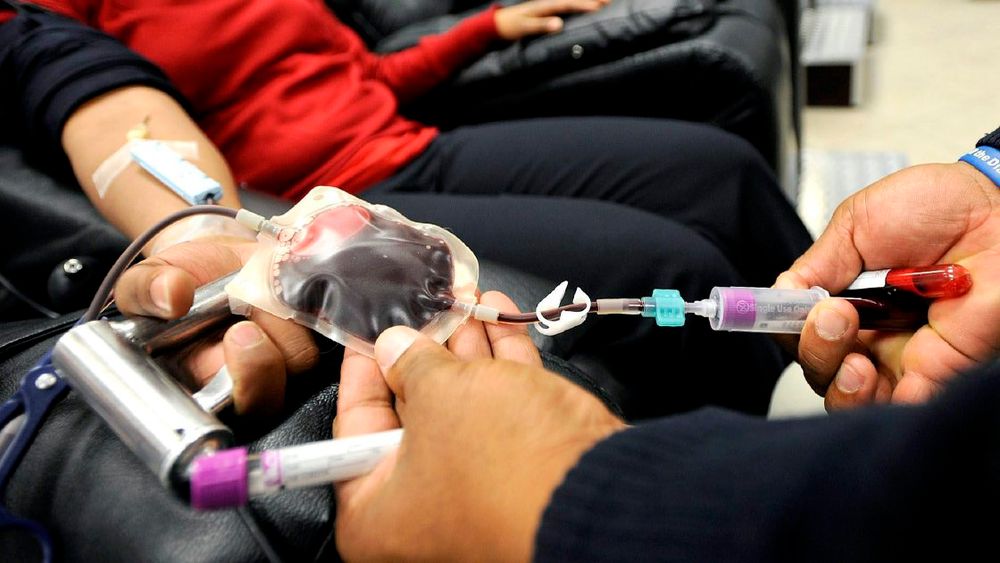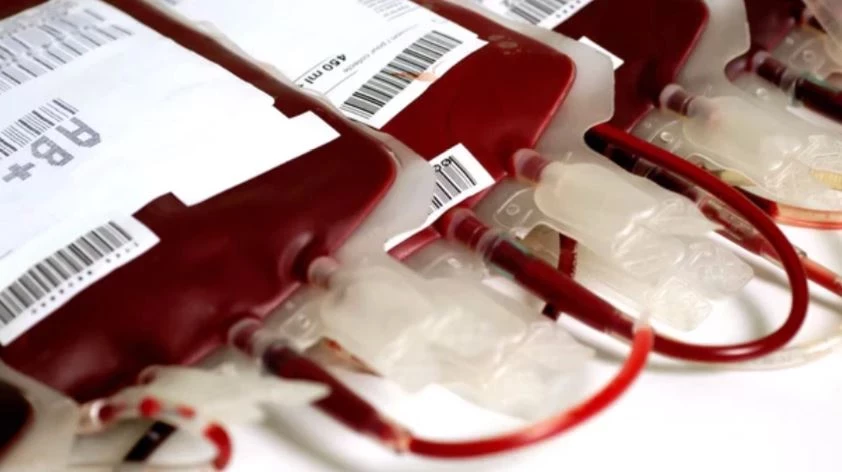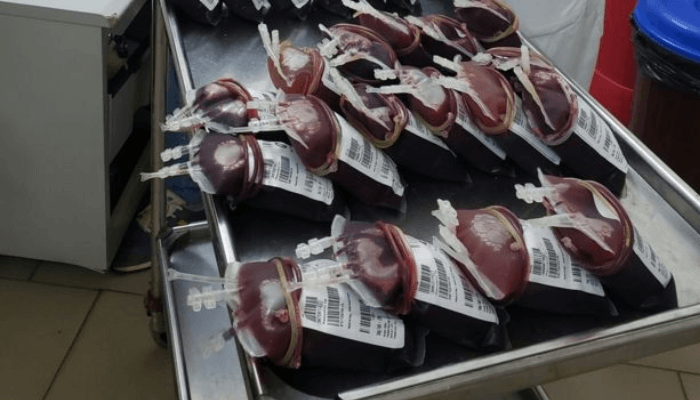
Human blood in storage bags.[File, Standard]
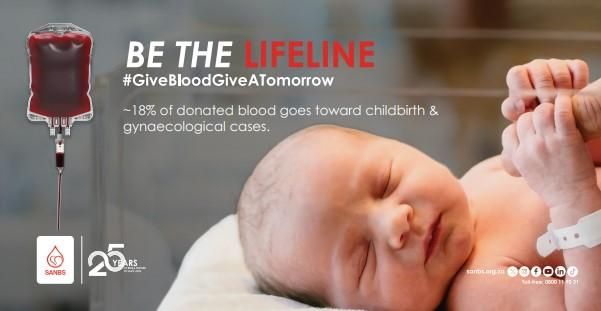
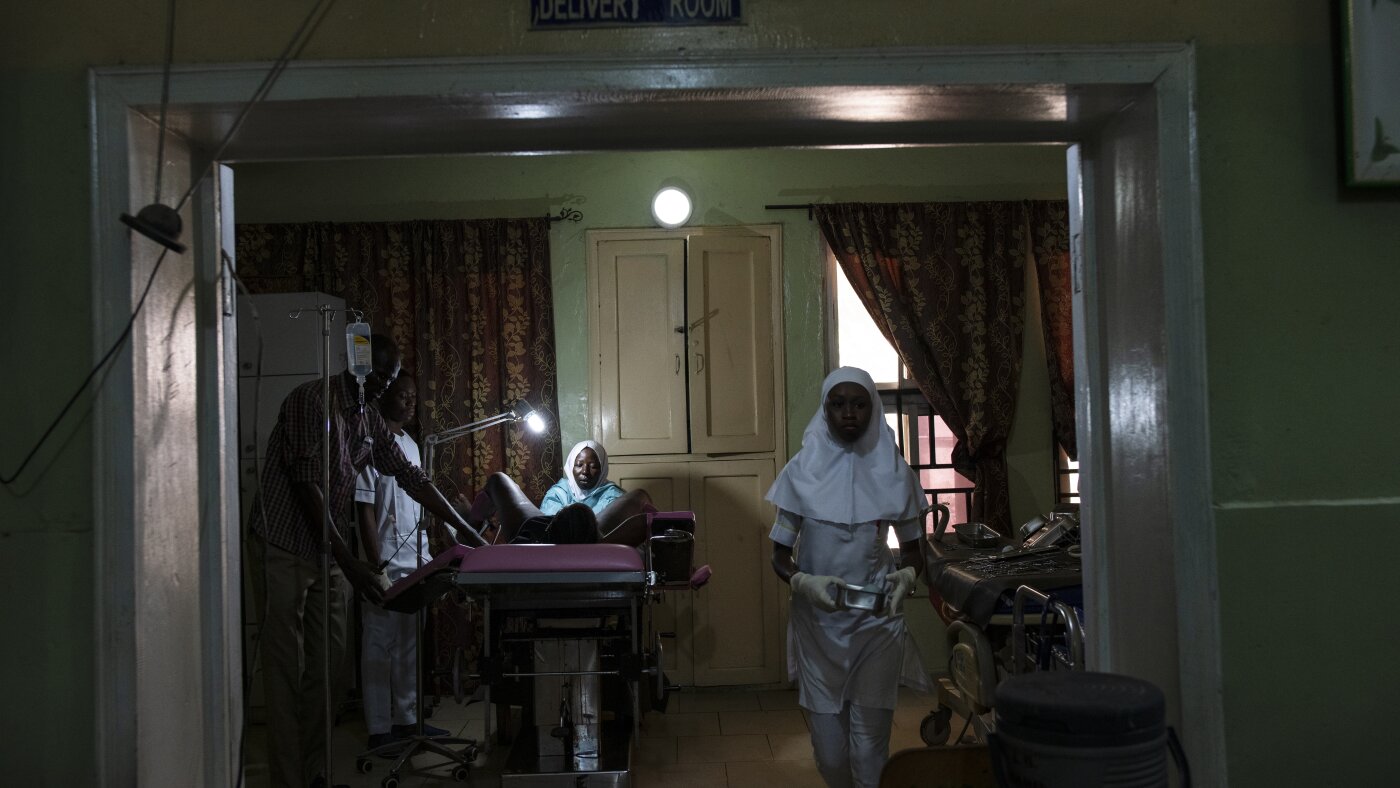
Somewhere in Africa tonight, a young mother is haemorrhaging after childbirth. The blood she needs may not be available.
Every day, the same story repeats itself in different forms: children weakened by severe malaria-related anaemia, road accident victims in emergency rooms, cancer patients undergoing treatment, and people living with sickle cell disease managing a chronic, life-threatening condition. For all of them, access to safe, compatible blood is not a clinical detail; it is the difference between life and death.
The World Health Organisation recommends that countries collect blood donations equivalent to at least one per cent of their population annually to meet basic needs. Most African countries remain well below this threshold. According to the WHO, sub-Saharan Africa collects roughly five donations per 1,000 people, compared with over 30 per 1,000 in high-income countries, a gap that translates daily into preventable deaths.
Where blood is available, questions of quality and safety persist. Cold-chain failures, inadequate screening and fragmented logistics mean that even when blood exists, it does not always reach patients safely or on time. In many settings, families are still required to find replacement donors themselves, an informal, unreliable system that places the burden of structural failure on grieving and frightened relatives.