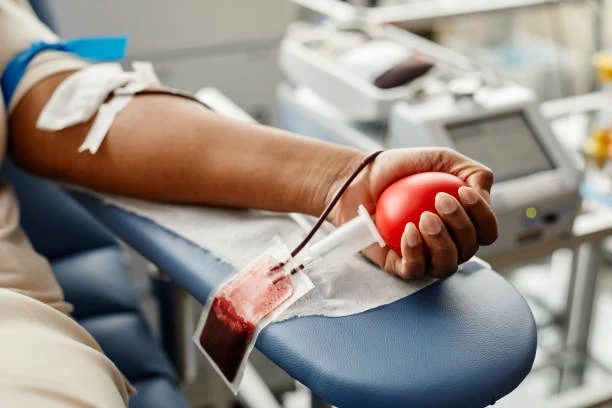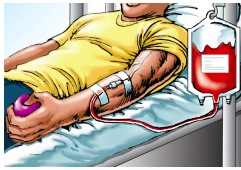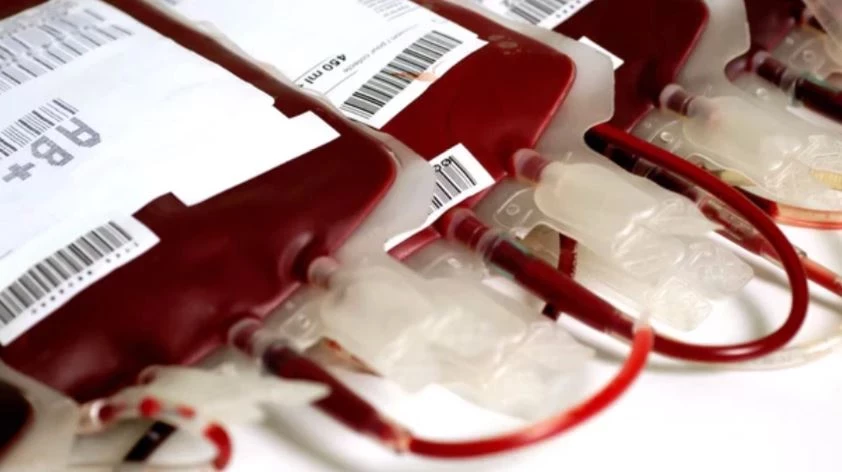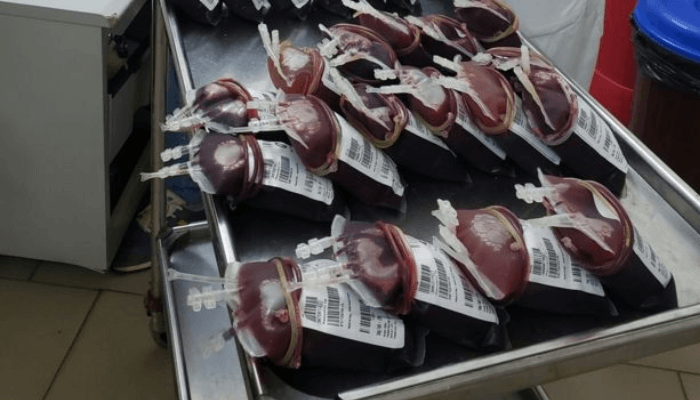
Stakeholders in the health sector have expressed worry over huge blood deficit, collection with only 500,000 pints of blood annually against an estimated national demand of over 1.8 million units in Nigeria
The gap, which is about one-third of Nigeria’s annual blood requirement, puts lives at constant risk, particularly for maternal complications and women in labor, trauma and accident victims requiring immediate surgery, sickle cell patients and those with chronic illnesses.
The World Health Organization (WHO) recommends at least, two percent of a country’s population donate blood annually to ensure an adequate supply.
Speaking at a one-day stakeholder meeting held at the National Blood Service Agency (NBSA), attended by South-West Zonal Centre in Ibadan, Oyo State in which government officials, haematologists, development partners, healthcare providers, voluntary blood donors and civil society organisations, health experts called for concerted efforts to close the blood donation deficit.
At the meeting, themed ‘Normalizing Voluntary Blood Donation: The Role of Different Stakeholders in Transfusion Medicine,’ which marked the conclusion of activities commemorating the 2026 World Blood Donor Day, they also pointed out the need to strengthen Nigeria’s blood transfusion system.