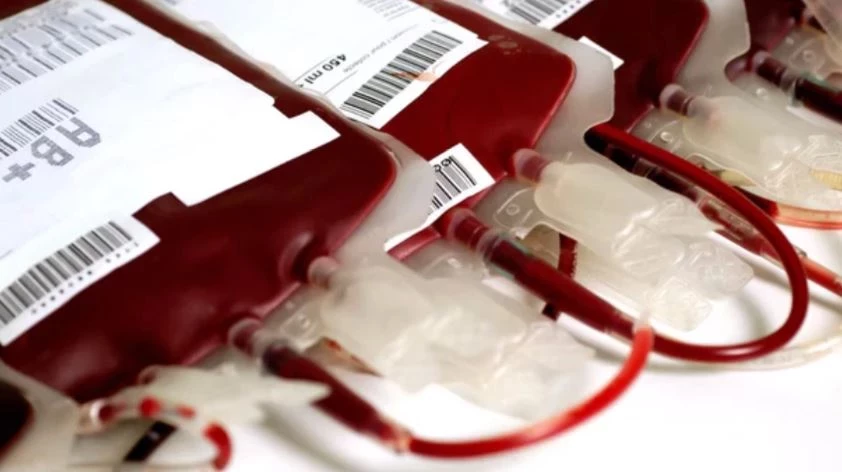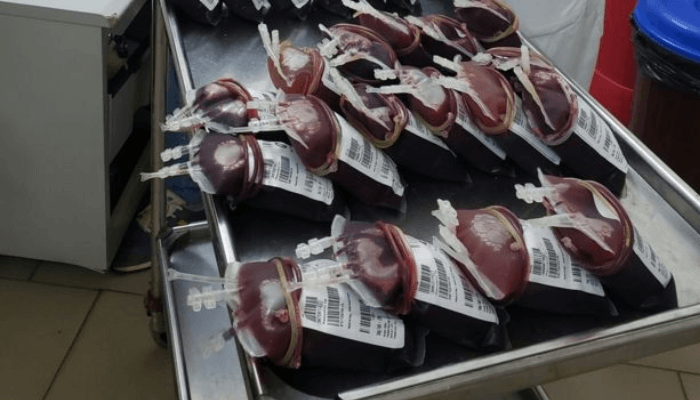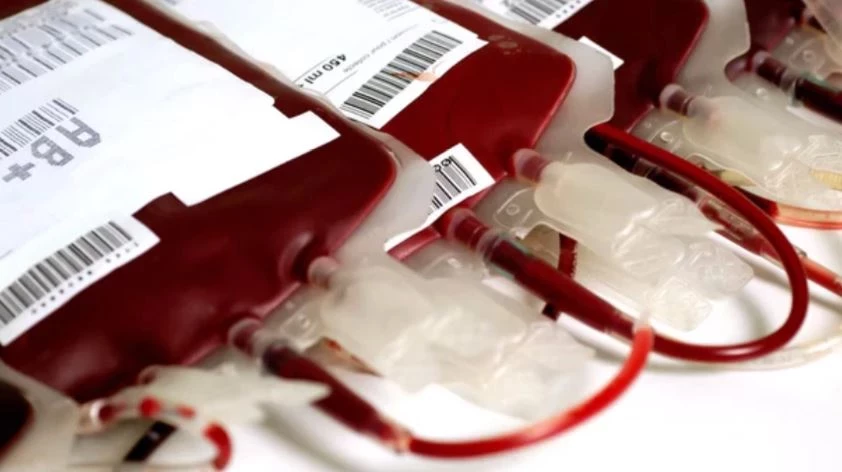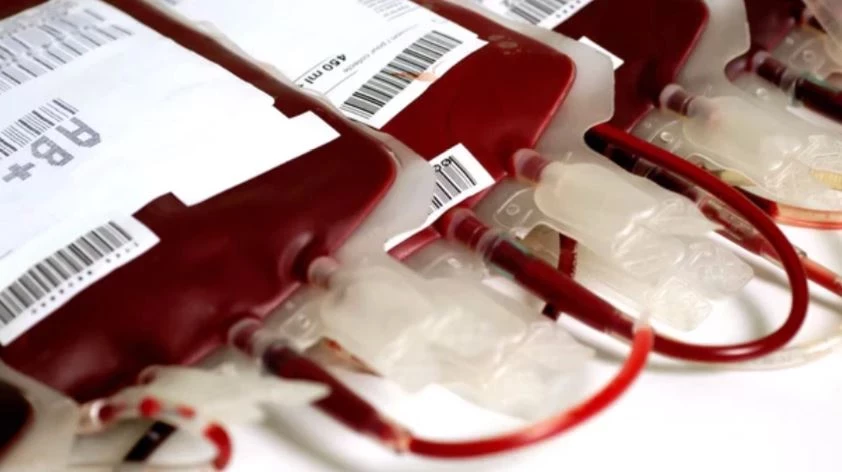
Blood in sacks.[File, Standard]
For thousands of Kenyans who require blood transfusions each year, accessing life-saving blood is often a race against time, distance and an overstretched health system.
A landmark study published in The Lancet Global Health has found that the country’s blood crisis is driven by far more than a shortage of donors, exposing deep structural weaknesses that delay care and put patients at risk.
Globally, the World Health Organisation estimates that about 61 per cent of countries do not have an adequate blood supply, contributing to an annual shortfall of roughly 102 million units of red blood cells.
The burden is heaviest in low and middle-income countries, particularly in sub-Saharan Africa, where demand remains high due to maternal bleeding complications, childhood anaemia, trauma, surgery and infectious diseases.