June 22nd, 2026
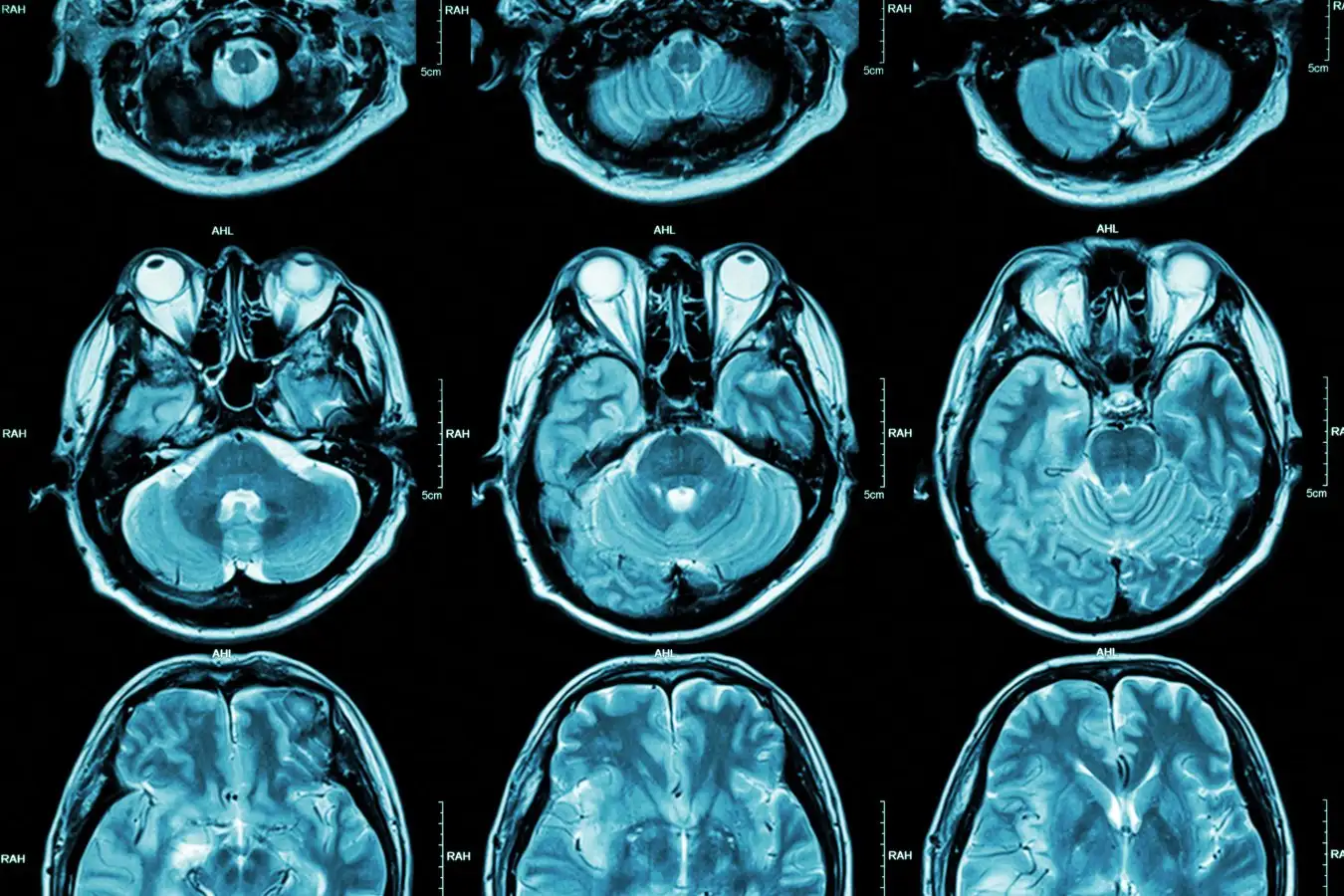
The functional connectome is a map of connections between brain regions, produced via MRI imaging. Features tend to be fairly distinct from individual to individual, and change over time. Researchers here show that the functional connectome can be used to predict handgrip strength in patients exhibiting age-related frailty, which is quite interesting. One tends to think of loss of hand strength as emerging from degeneration of local musculature and local neuromuscular junctions. The results suggests that there is a component of physical frailty localized in the brain, though it is also possible that this reflects downstream issues resulting from the underlying mechanisms of aging occurring distinctly in both locations.
Physical frailty, which refers to a decline in physical strength and energy, is prevalent in older adults and has been attributed to impaired cognitive function and adverse health outcomes. The strength of a contraction on a handgrip, known as isometric handgrip strength, has been used as a marker of physical frailty. While handgrip strength can partially be explained by muscle properties (e.g., cross-sectional area and architecture), it may also be influenced by neural adaptations, such as intermuscular and intramuscular coordination.