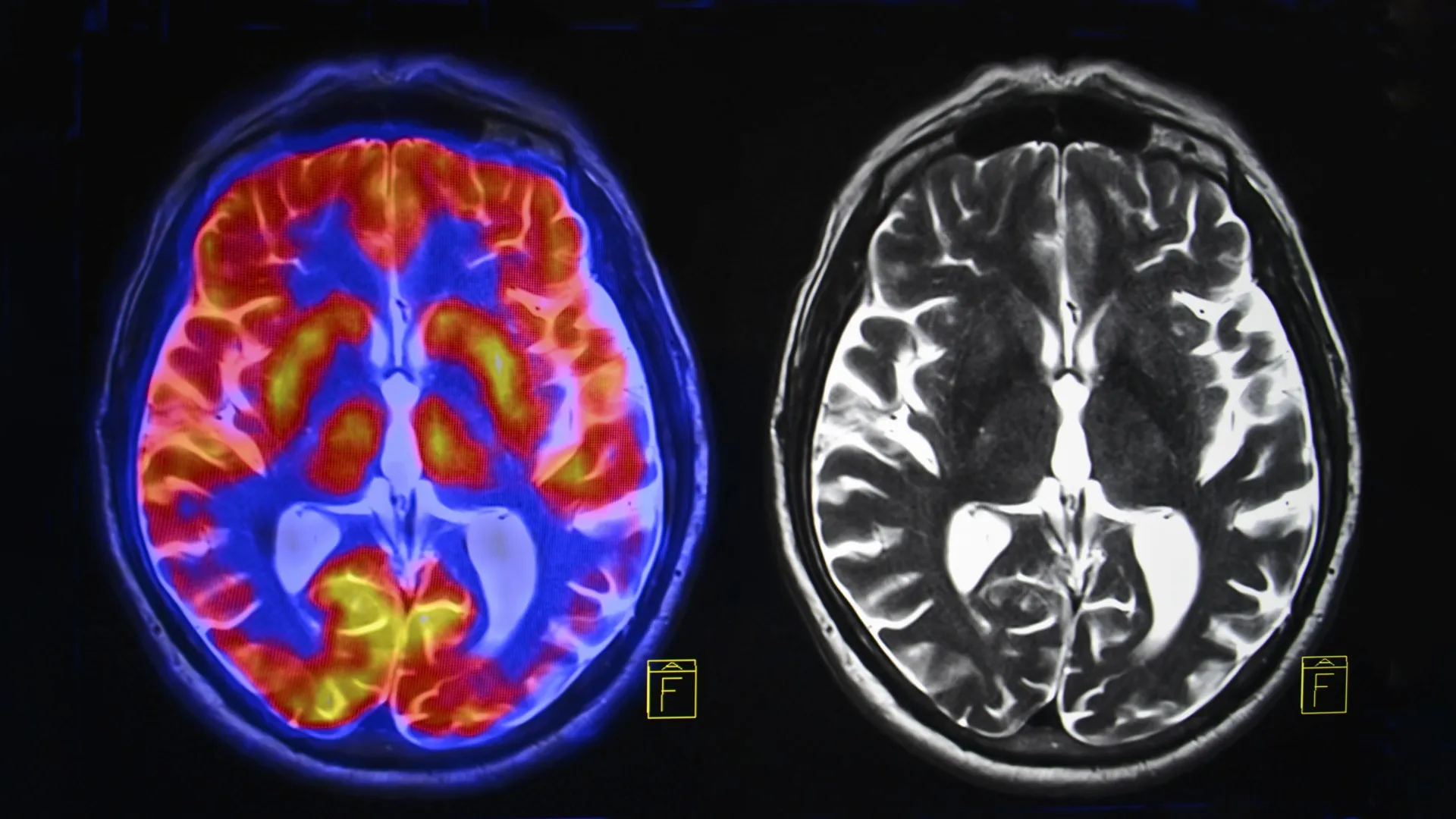
Brain scans suggest that some autistic people have strong connections between their brain regions, while for others, this activity is weakPuwadol Jaturawutthichai/Alamy
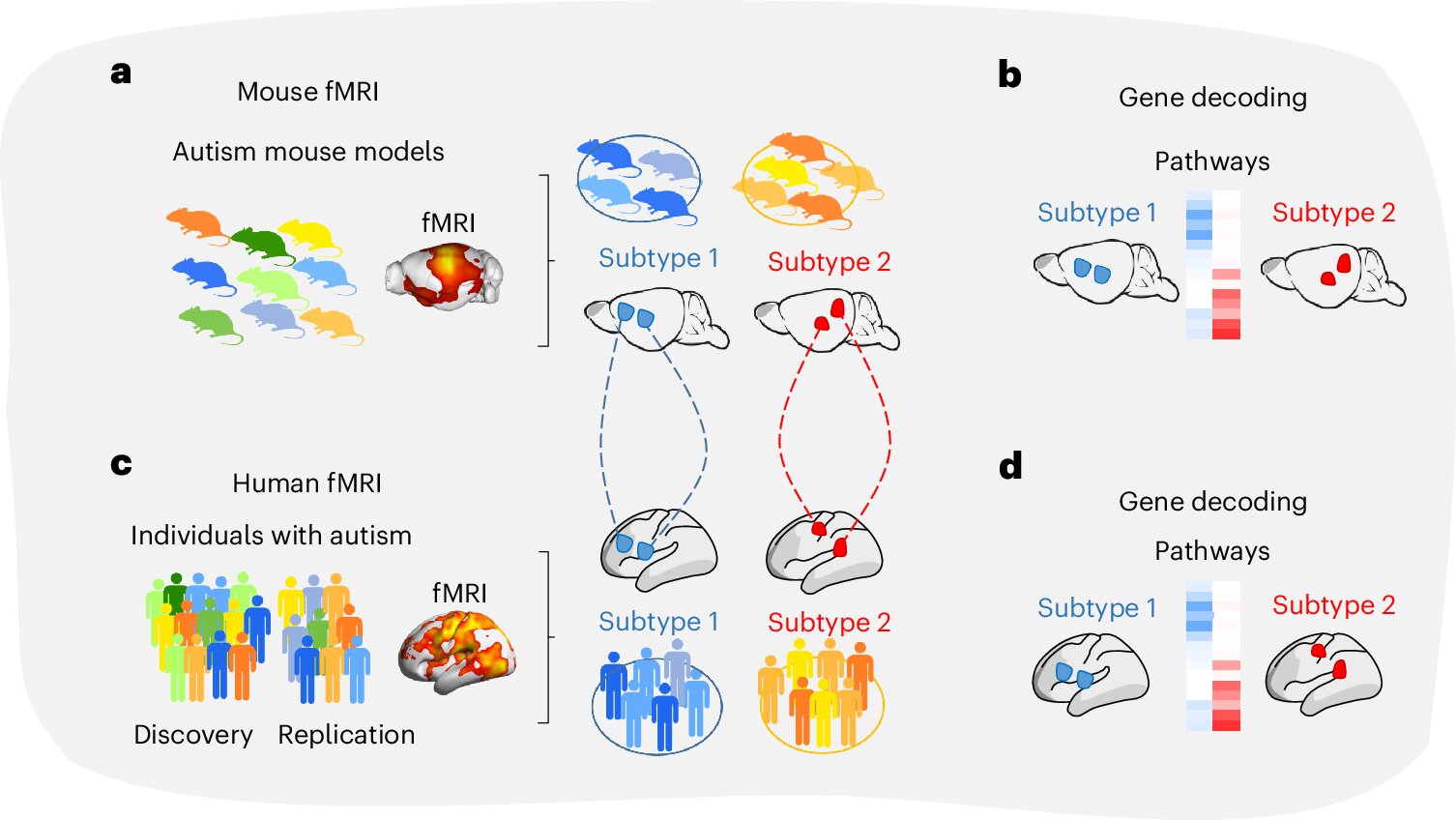
Some autistic people seem to have unusually strong connections between different regions of their brain, while others have weakened links. These two connectivity patterns appear to be associated with different mechanisms within the brain, adding to the growing evidence that there are several kinds of autism that are at least somewhat distinct from each other.
“We were able to demonstrate that there are different dominant subtypes of autism that are associated with different biology,” says Alessandro Gozzi at the Italian Institute of Technology in Rovereto.
Autism is a form of neurodivergence, and it’s thought that about 780 individuals per 100,000 people are autistic. Common autistic traits include difficulties with social interactions, susceptibility to sensory overwhelm and restricted behaviours and interests. However, autistic people vary widely in how much they experience these traits.
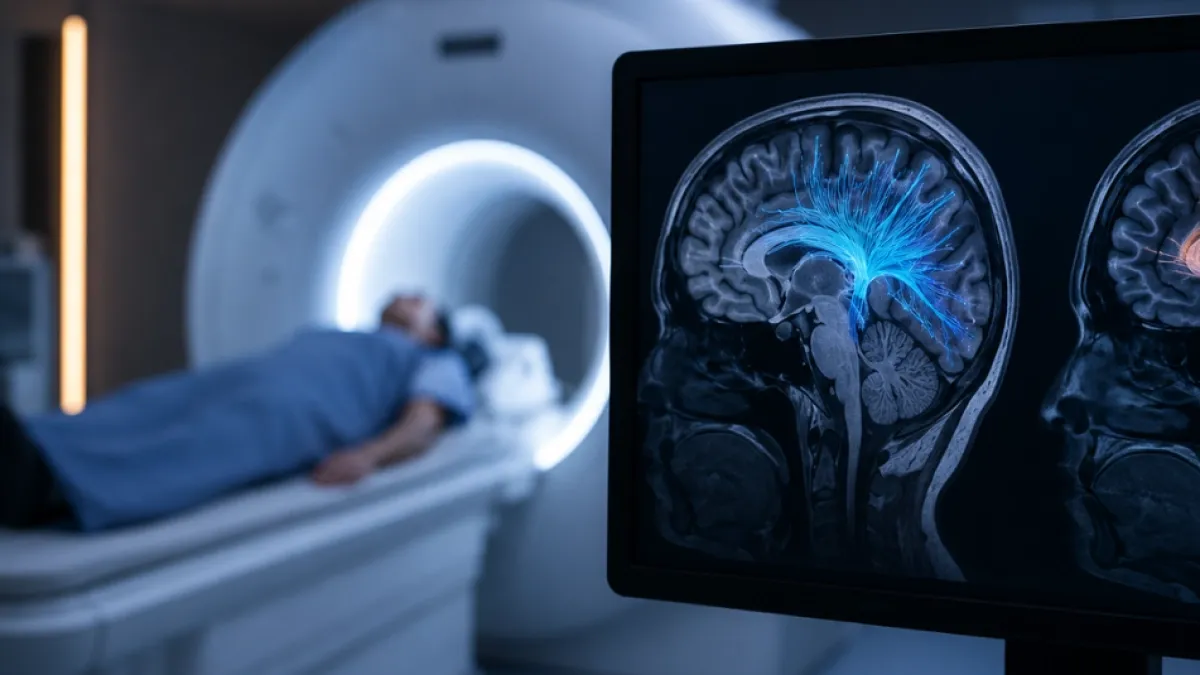
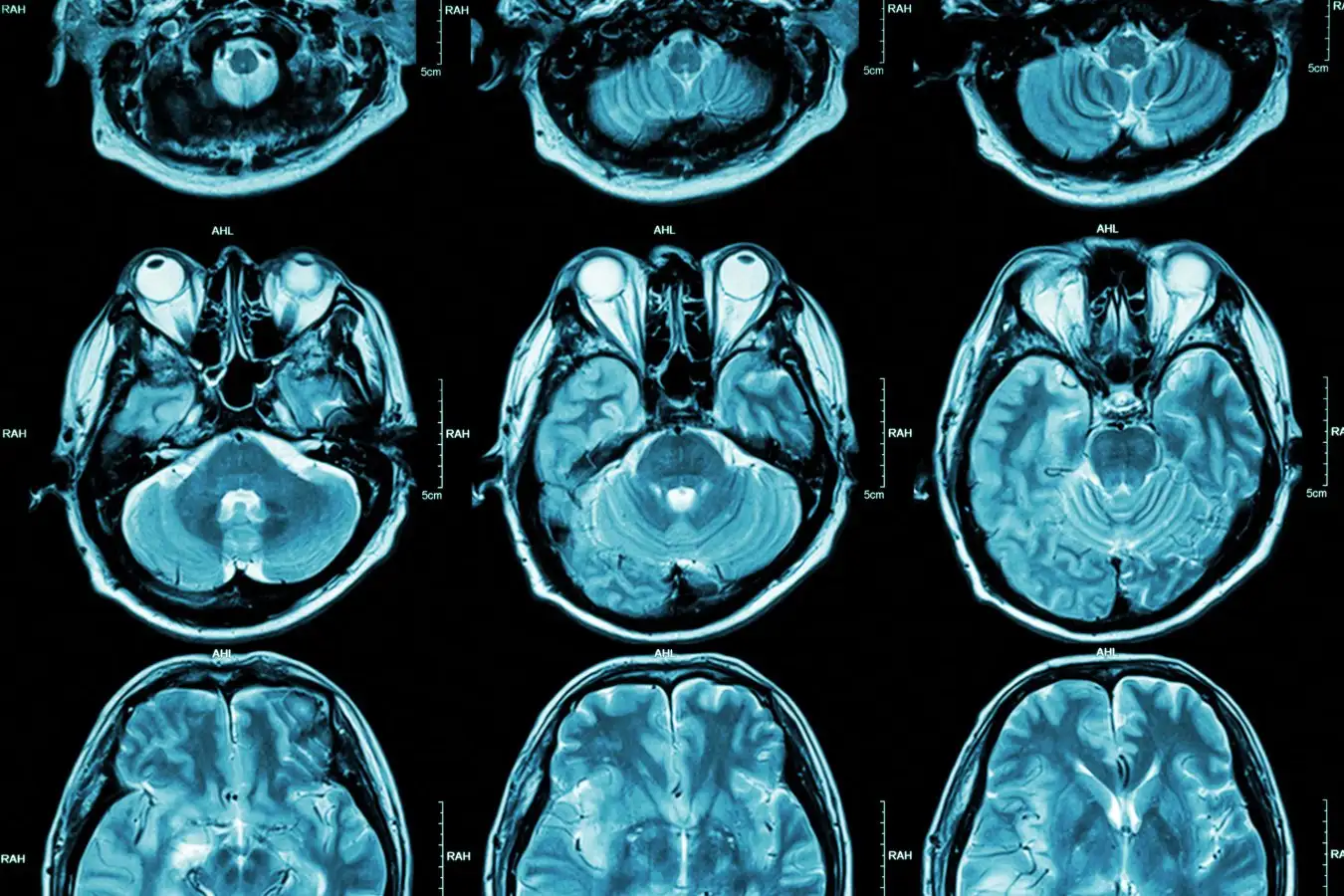
For years, researchers have used brain-imaging methods, such as functional magnetic resonance imaging (fMRI), to look for a “signature” of autism in the brains of autistic people. “No such single signature has emerged,” says Gozzi. Some have found evidence of unusually strong connections between brain regions (“hyperconnectivity”), while others have found weaker links (“hypoconnectivity”), a mix of the two, or even a switch from one to the other during childhood.