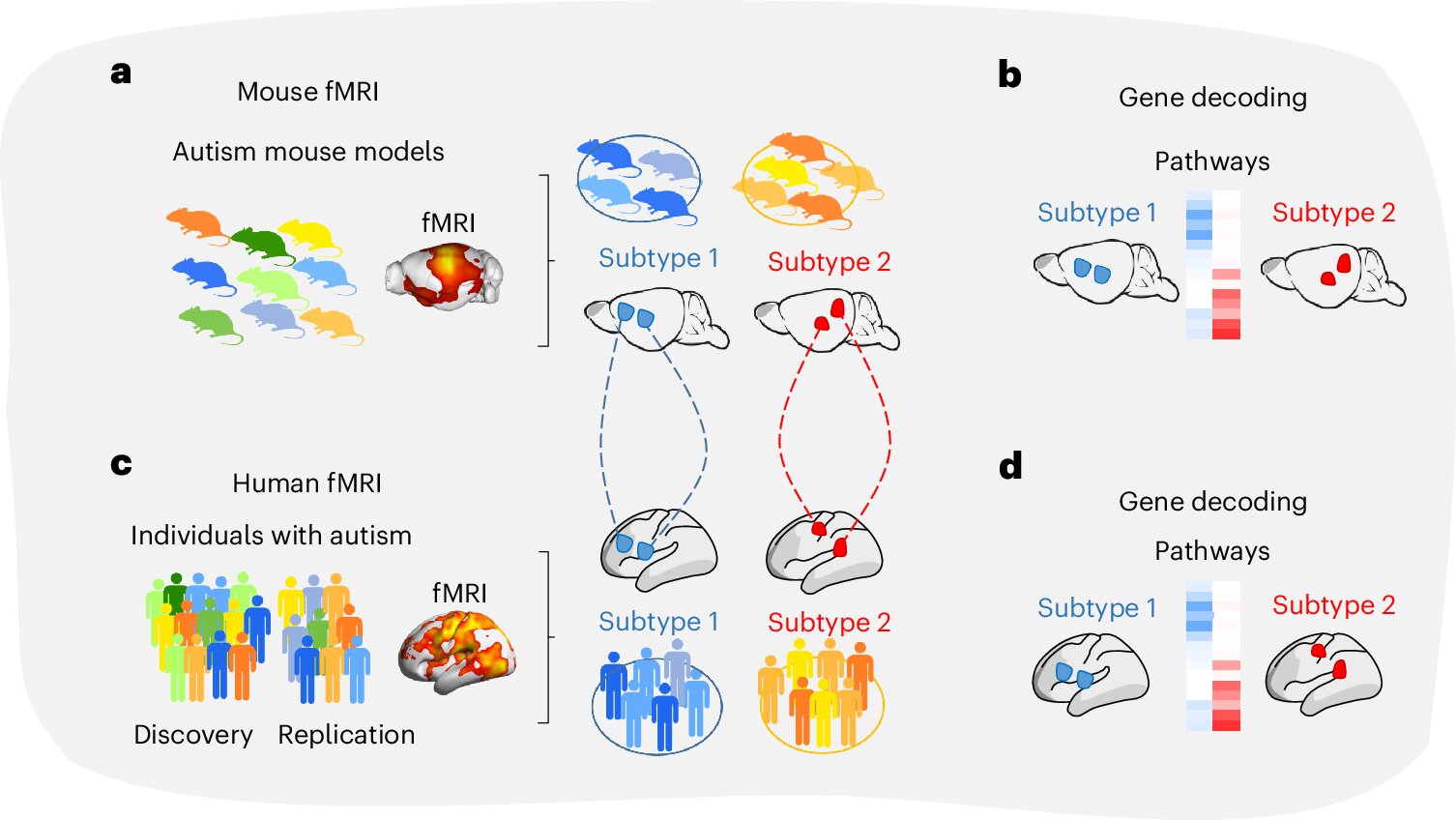
Cross-species identification of autism-related dysconnectivity subtypes.
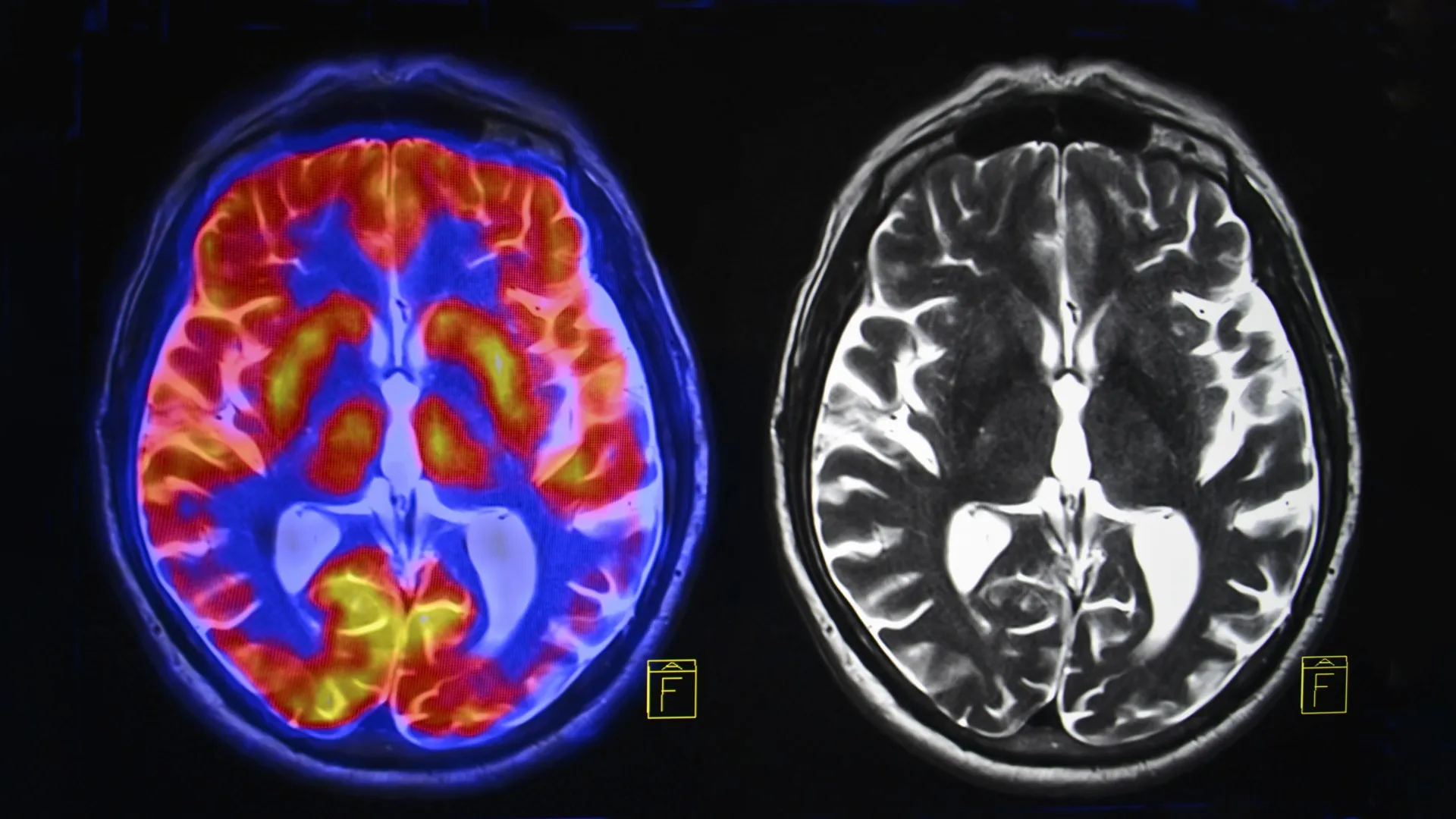
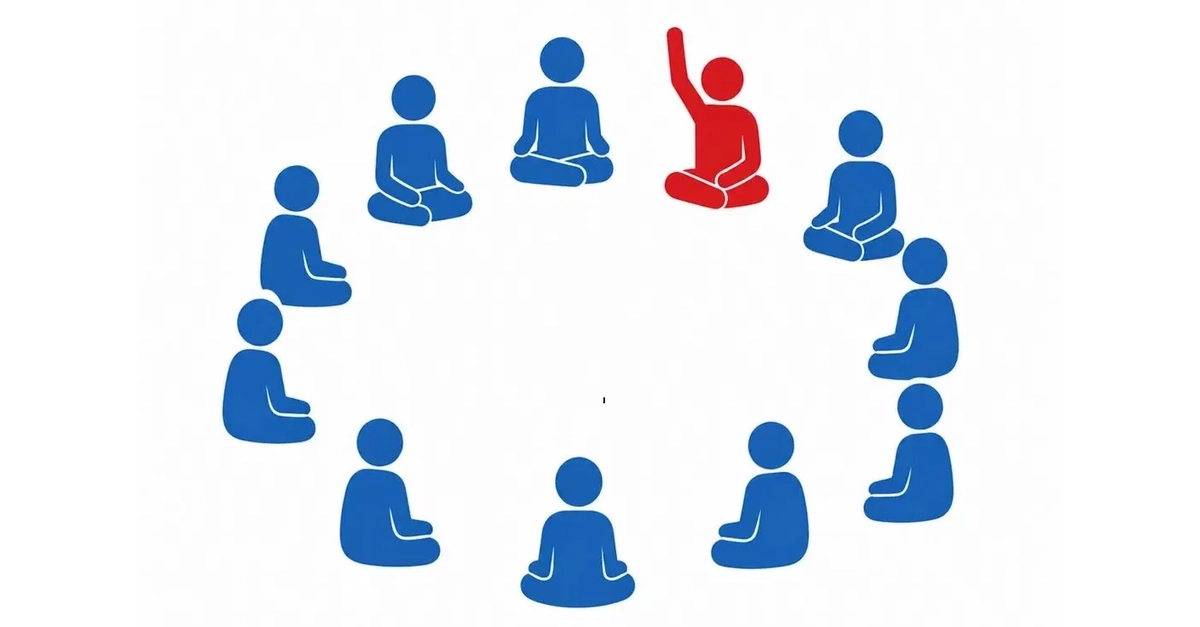
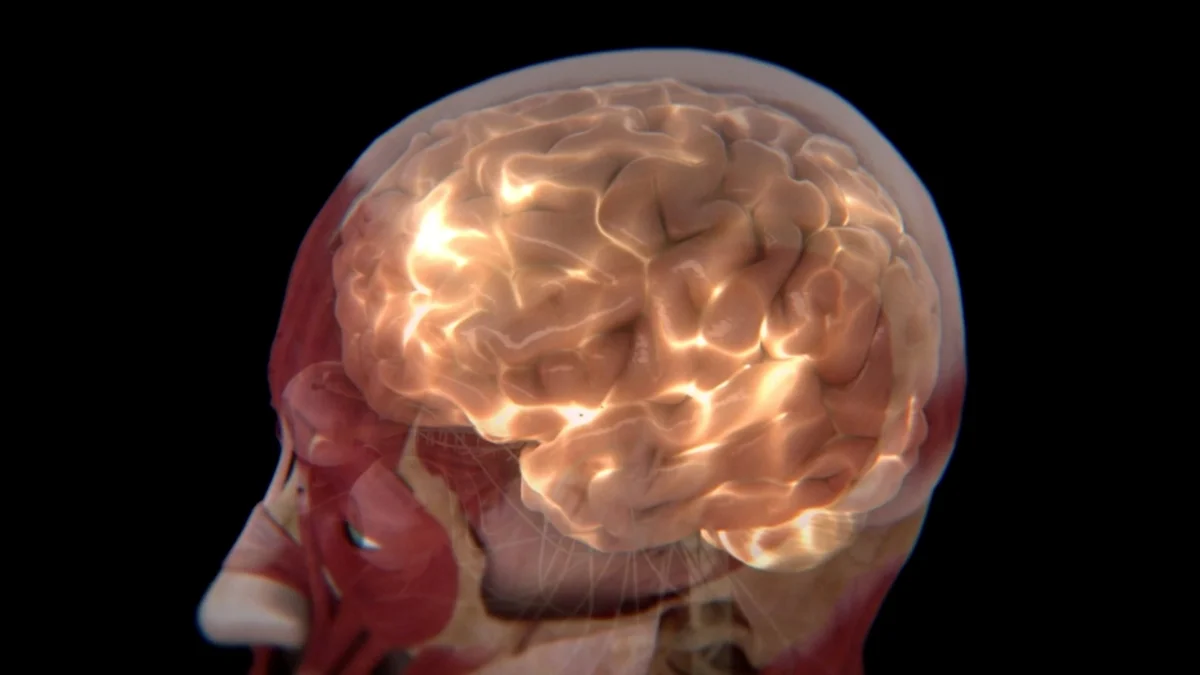
An international research team led by Istituto Italiano di Tecnologia (IIT-Italian Institute of Technology) in Rovereto (Trento, Italy) and the Child Mind Institute in New York (U.S.), and in collaboration with researchers from the University of Trento, has shown that it is possible to identify at least two distinct subtypes of autism, defined by their patterns of brain connectivity. In the "hyperconnectivity" subtype, brain areas communicate more than usual; in the "hypoconnectivity" subtype, communication between brain areas is reduced.
The study aims to develop tools for precise, personalized autism care and support. The research paper was published in the journal Nature Neuroscience.
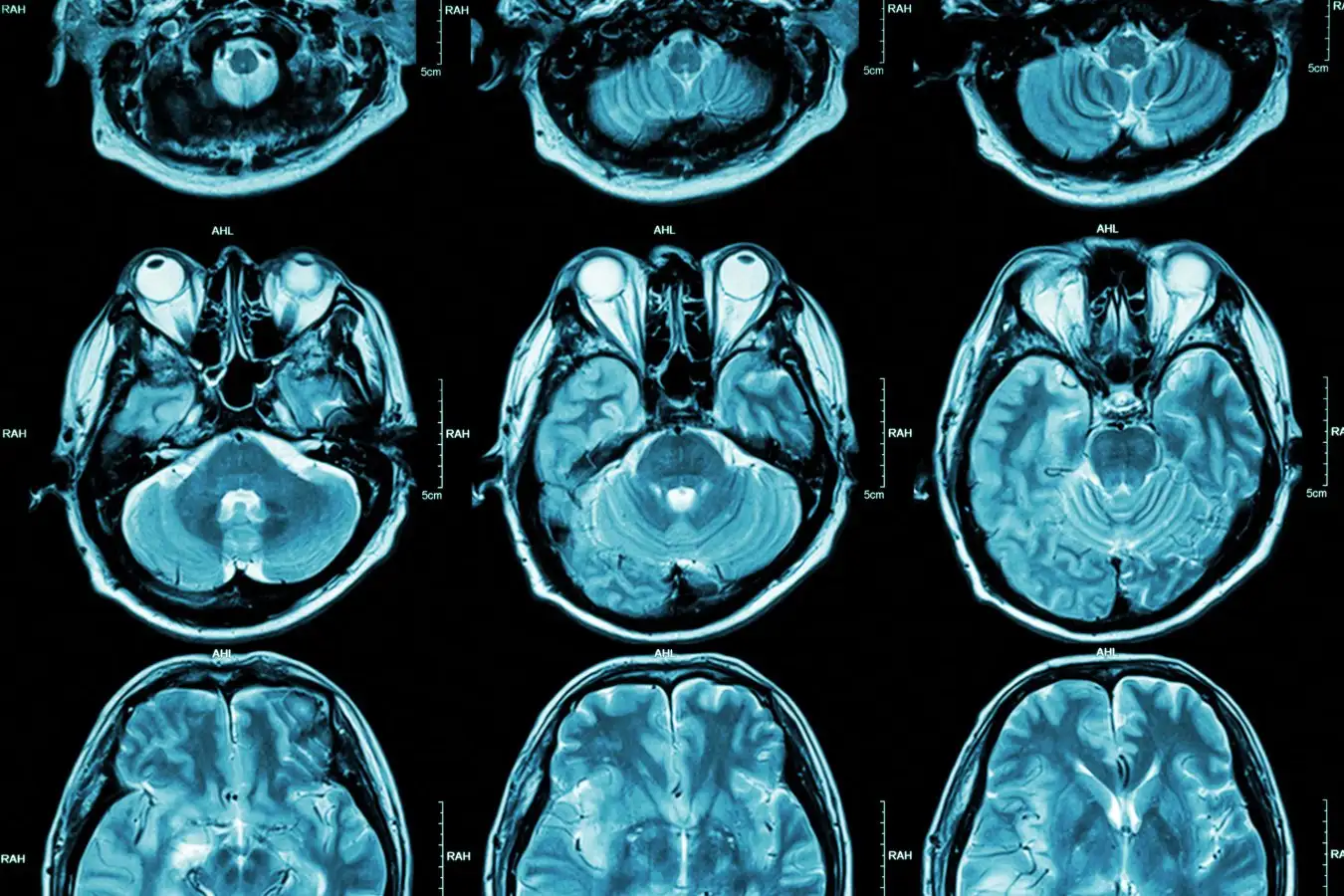
The research study was coordinated by Alessandro Gozzi, Ph.D., director of the Center for Neuroscience and Cognitive Systems (CNCS) at the IIT and Adriana Di Martino, MD, founding director of the Autism Center at the Child Mind Institute, and it represents the first systematic effort to decode human brain imaging patterns (via fMRI) by tracing them back to their molecular underpinnings in mouse models. By linking patterns of connectivity to specific biological pathways, the findings offer a foundation for precision medicine approaches.