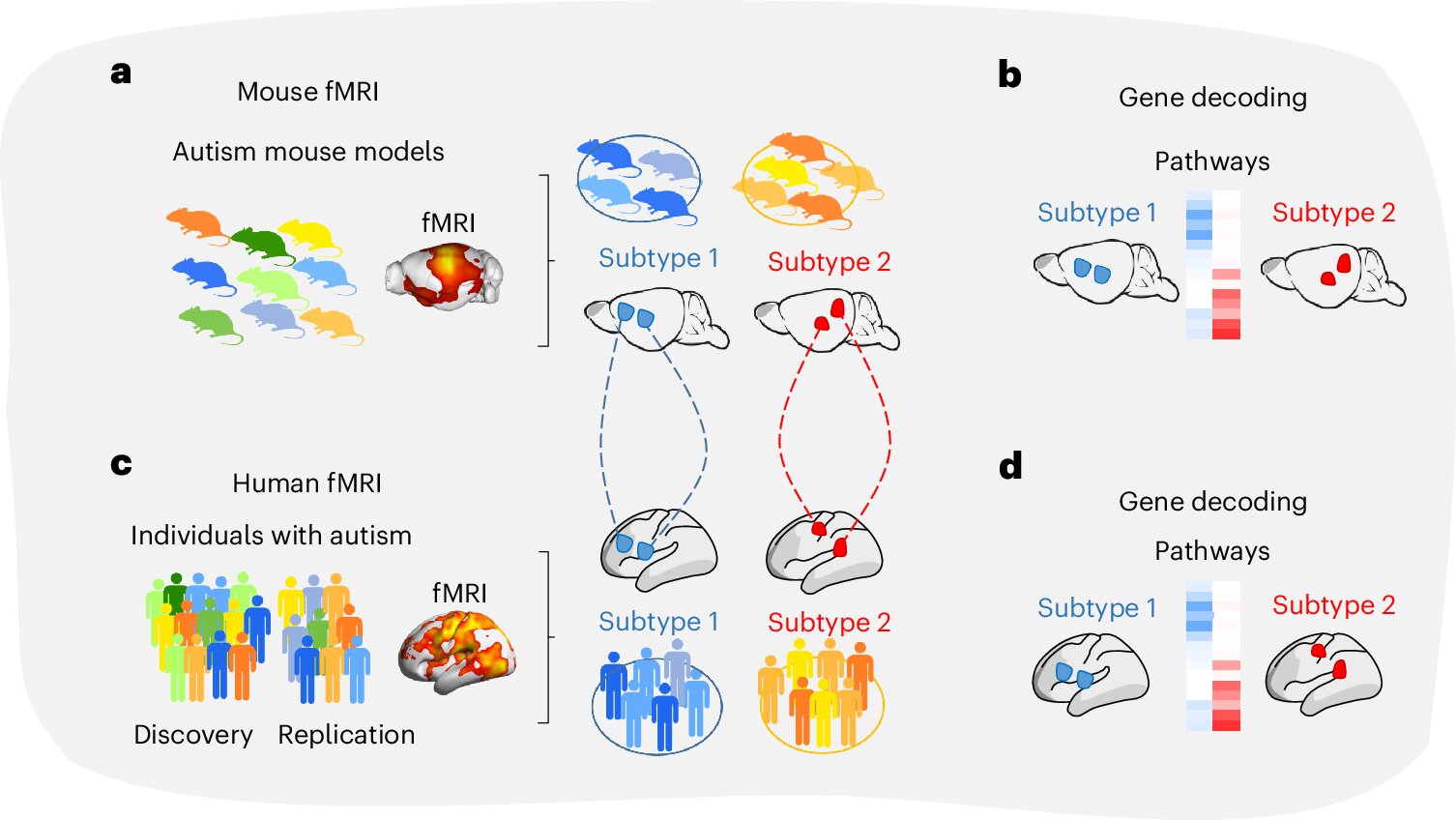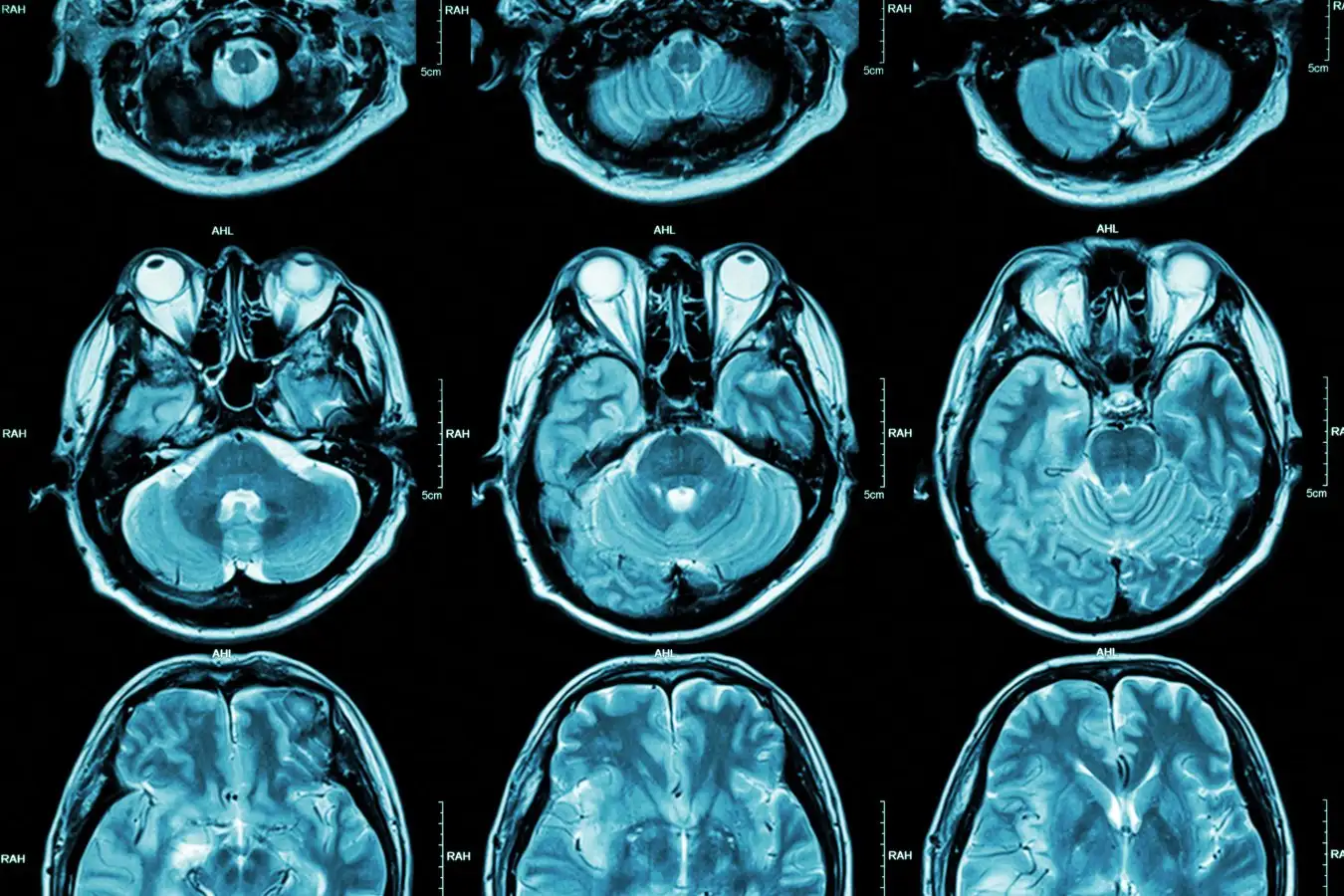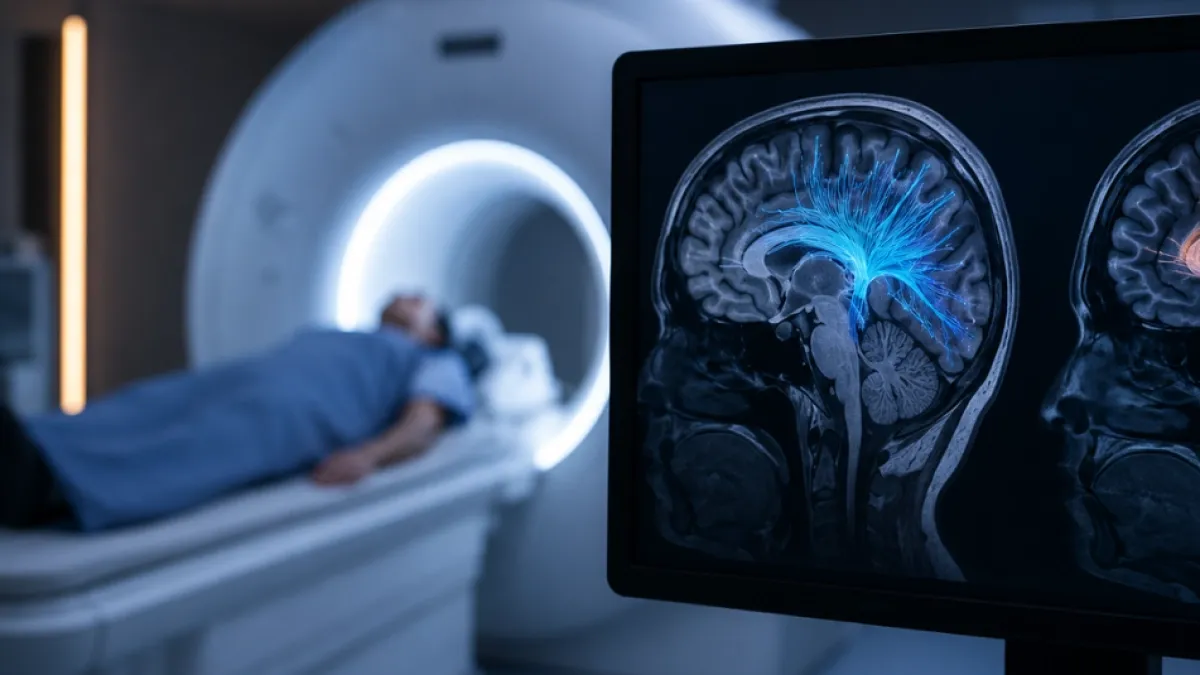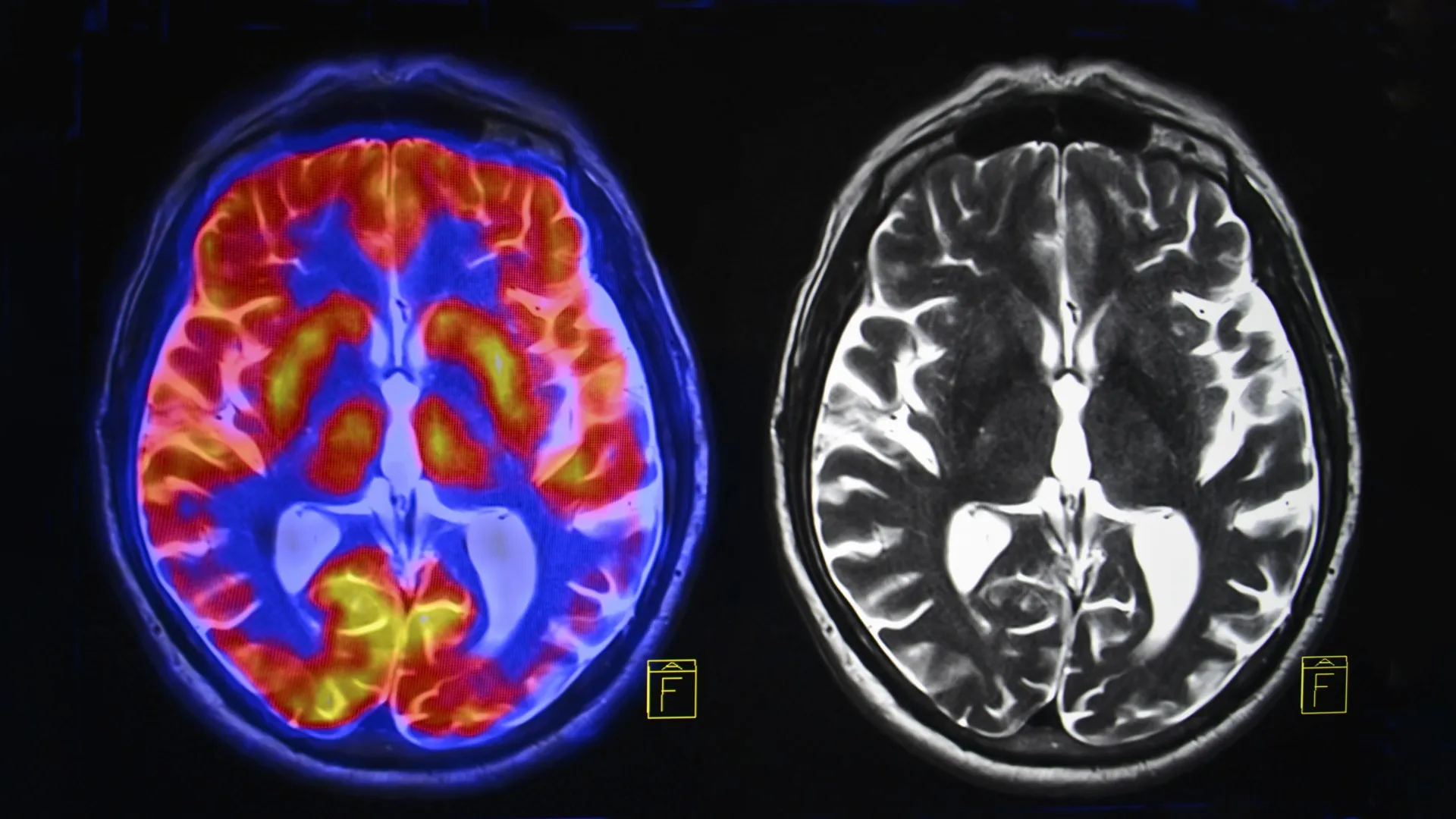
An international team of scientists has found evidence that autism may include at least two distinct biological subtypes, each defined by a different pattern of communication across the brain. One subtype is marked by unusually high levels of connectivity between brain regions, while the other shows reduced connectivity. The discovery could help pave the way for more personalized approaches to autism diagnosis, care, and treatment.
The study was led by researchers at the Istituto Italiano di Tecnologia (IIT-Italian Institute of Technology) in Rovereto, Italy, and the Child Mind Institute in New York, with additional contributions from the University of Trento. Their findings were published in Nature Neuroscience.
Brain Connectivity Reveals Hidden Autism Subtypes
The research was coordinated by Alessandro Gozzi, PhD, director of the Center for Neuroscience and Cognitive Systems (CNCS) at IIT, and Adriana Di Martino, MD, founding director of the Autism Center at the Child Mind Institute.
According to the researchers, this is the first large-scale effort to systematically connect patterns seen in human brain imaging (via fMRI) with their underlying biological causes using mouse models. By linking specific brain connectivity patterns to distinct molecular processes, the work provides a foundation for future precision medicine strategies in autism.