view more
A new finding by a Virginia Tech neuroscientist at the Fralin Biomedical Research Institute at VTC is challenging the way investigators study chronic neurological disorders such as dystonia, ataxia, and tremor.
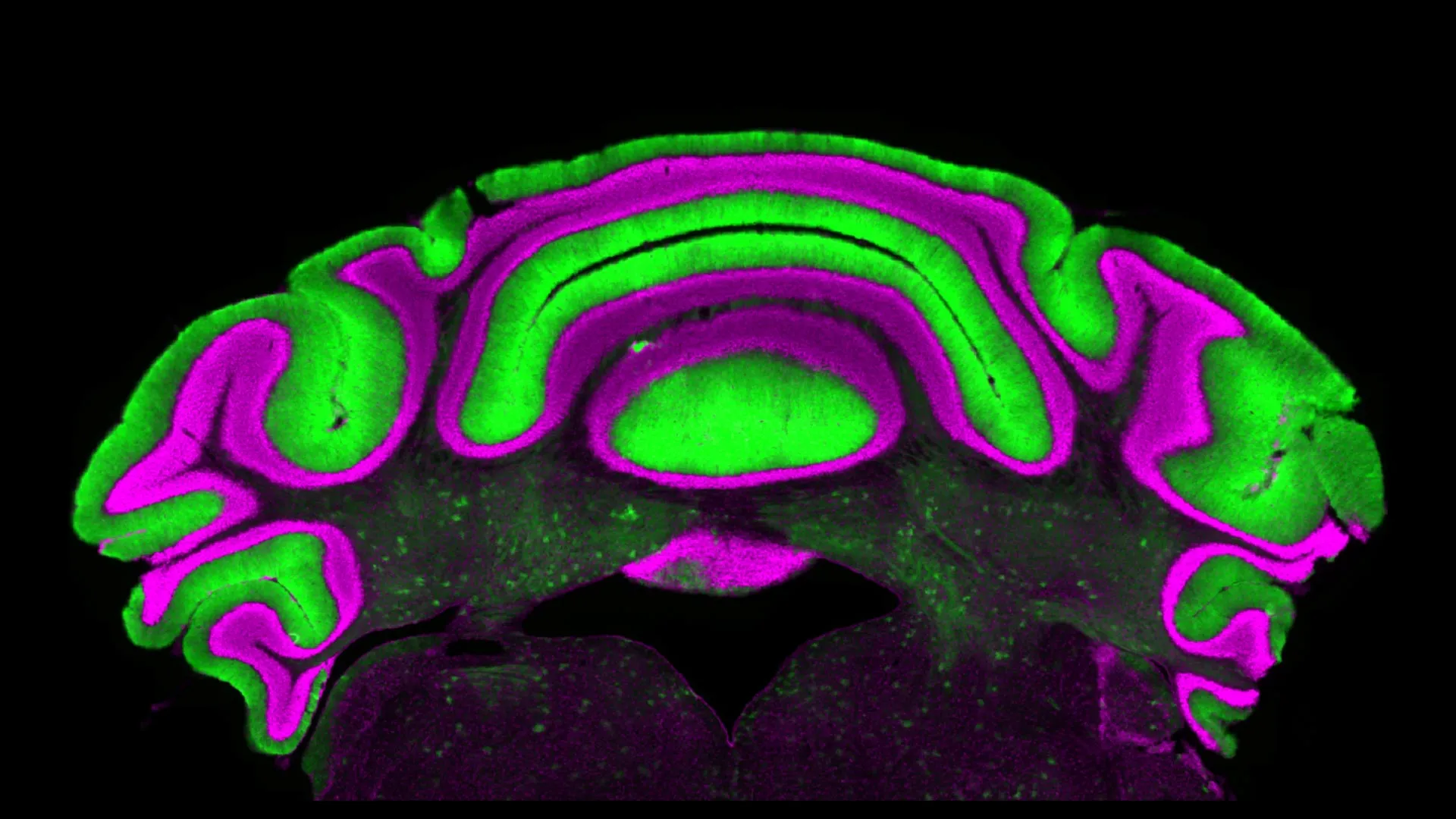
All three disorders, which cause involuntary movements such as painful contortions, awkward postures, and shaking, stem from dysfunction in the brain’s cerebellum.
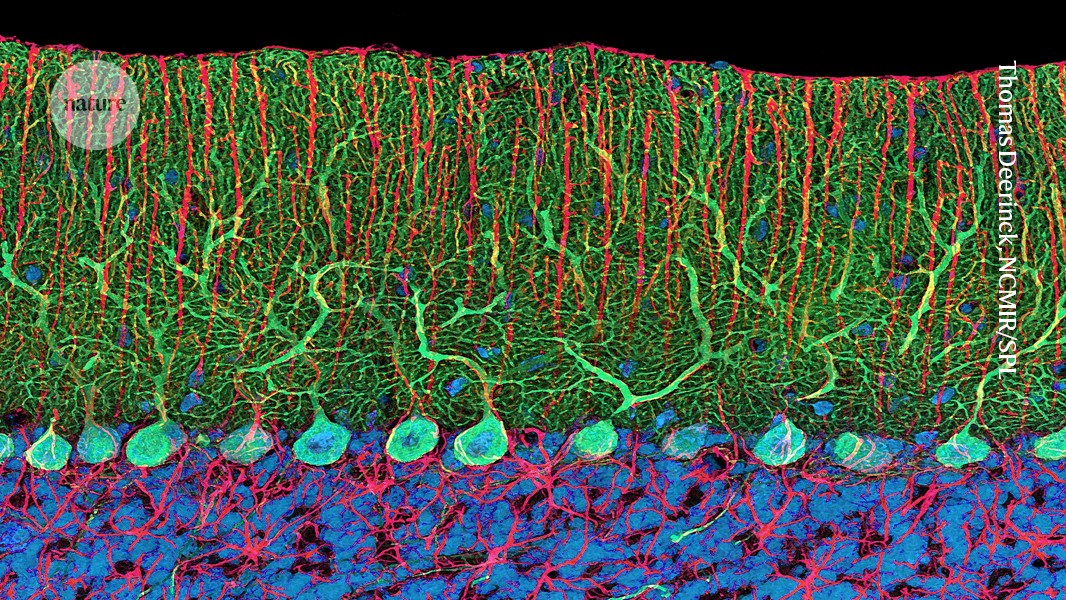
Neuroscientists often focus on activity between two cell types as both a cause and a target for treating these diseases. In the cerebellum, Purkinje cells are known to inhibit activity in cells located in the deep cerebellar nuclei. Neuroscientists have assumed that knowing what’s happening with Purkinje cells indicates what’s going on with the deep nuclei cells.
But a new study by Meike van der Heijden challenges that assumption. The finding, published in the Journal of Physiology, suggests that despite their anatomical connection, the activity of one cell type is a poor biomarker for understanding the other.