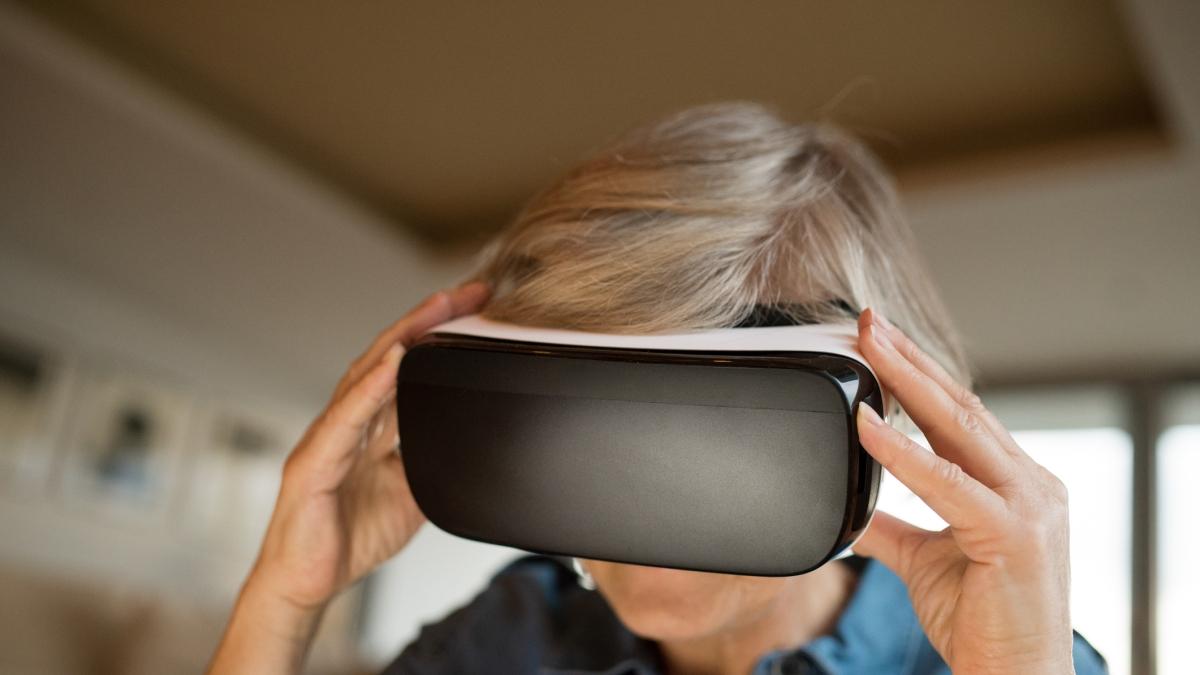
Researchers at the Medical University of Vienna and ETH Zurich have developed a rehabilitation platform for people suffering from the long-term effects of a stroke that combines virtual reality with targeted sensory nerve stimulation. In a randomized feasibility clinical study with stroke patients, recently published in Nature Medicine, the new technology contributed to improvements in arm and hand function, as well as in tactile and body awareness. These results open up the prospect of personalized and more accessible rehabilitation that can support patients' recovery beyond the limits of conventional therapy.
Stroke is one of the leading causes of long-term disability worldwide. Even after intensive early physiotherapy, many stroke survivors continue to live with reduced arm and hand function, impaired sensation, and altered body awareness long after the initial event. While conventional rehabilitation can improve motor functions, it often focuses primarily on movement training; sensory deficits and body awareness are frequently given insufficient attention. There is therefore a need for more comprehensive rehabilitation strategies.
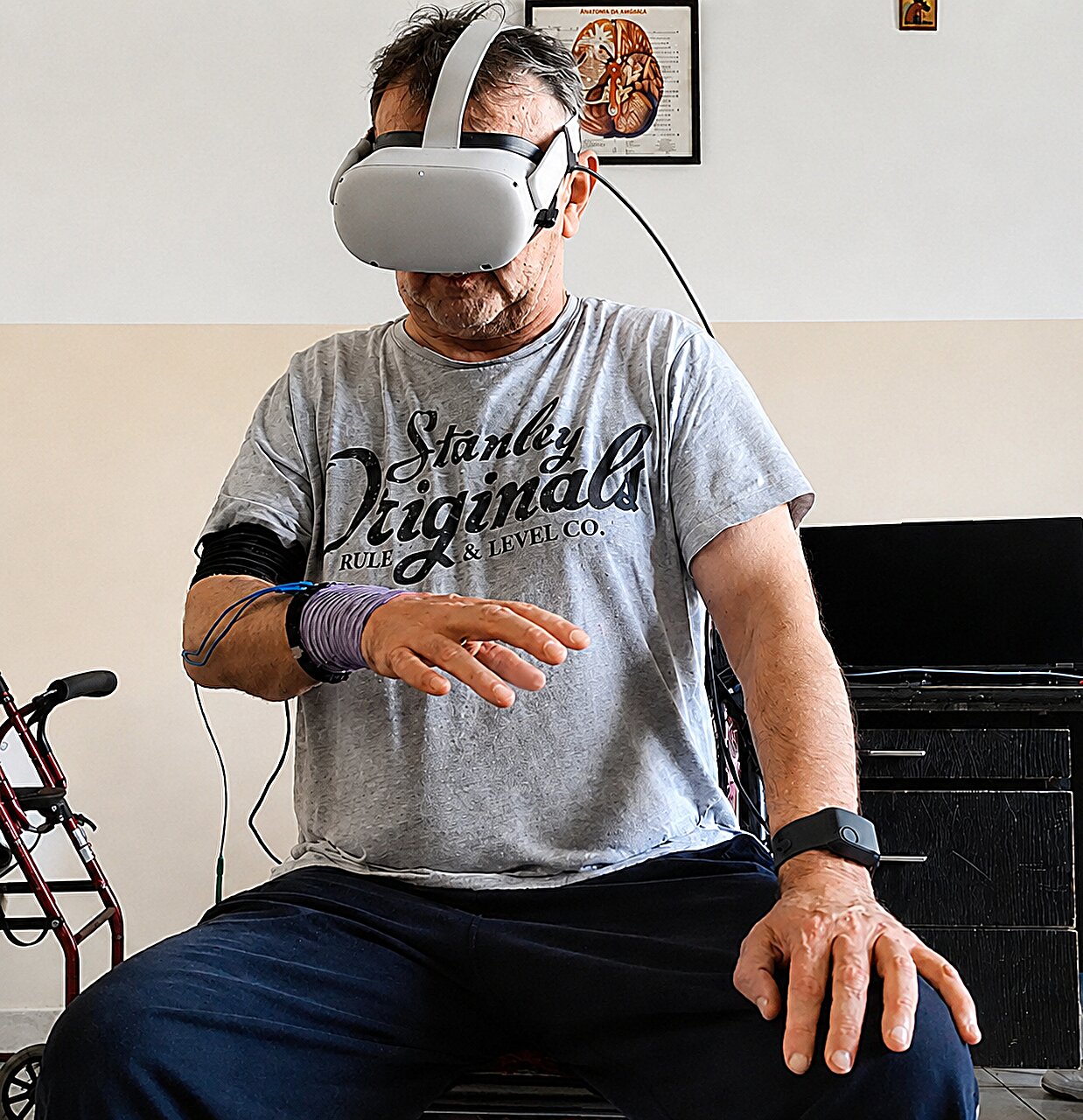
Patient P03. Credit: Nature Medicine (2026). DOI: 10.1038/s41591-026-04486-4