view more
Patients with untreatable conditions such as sight loss or loss of motor-function could be closer to a viable technology for restoring their lost sense, within a faster time frame. This is due to the discovery that advanced brain interfacing technology used for both touch and vision prostheses, is in fact almost the same, despite being developed completely separately for more than 50 years. The comprehensive review in which this discovery has first been made, was published in Nature Reviews Bioengineering, and was led by Giacomo Valle, Assistant Professor at Chalmers University of Technology, in Sweden.
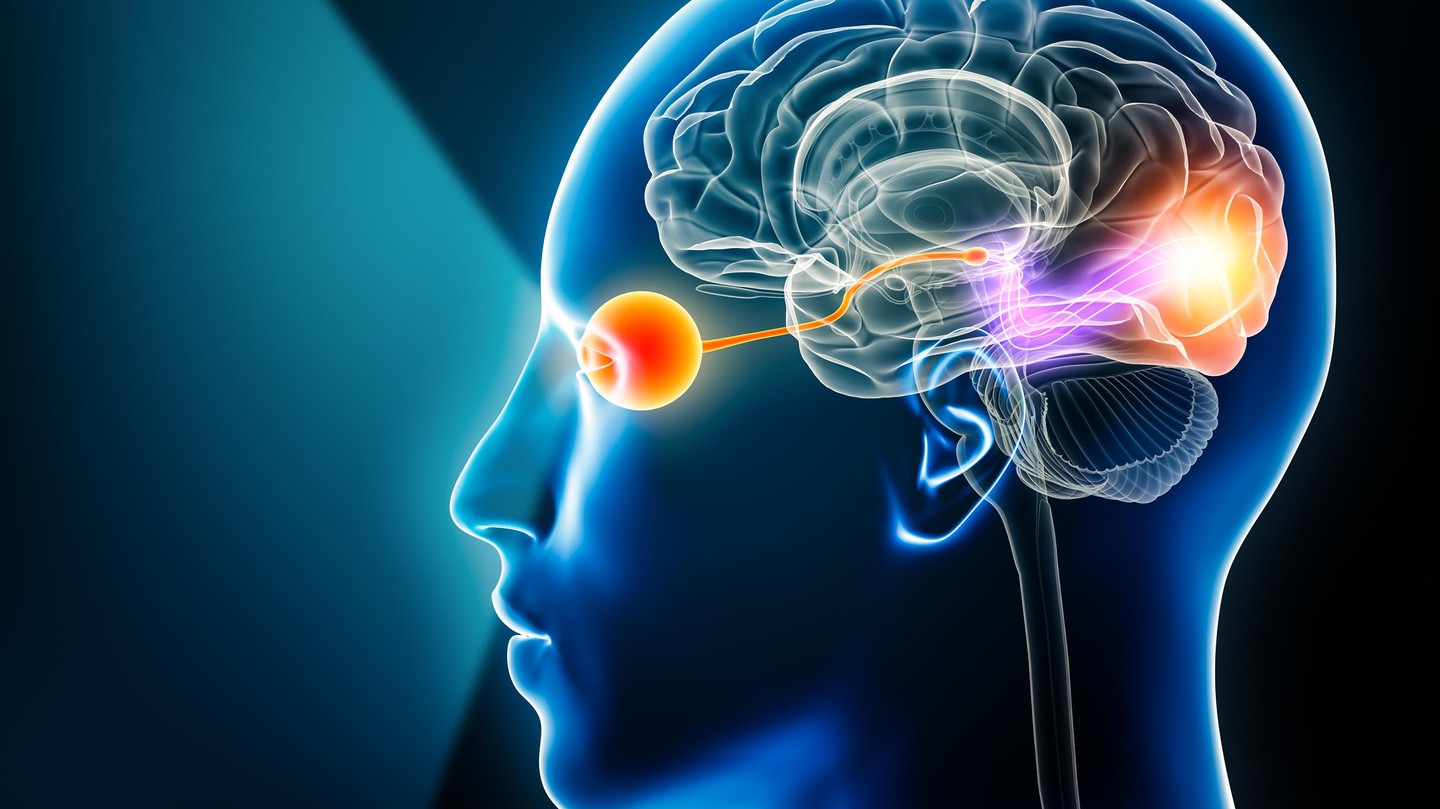
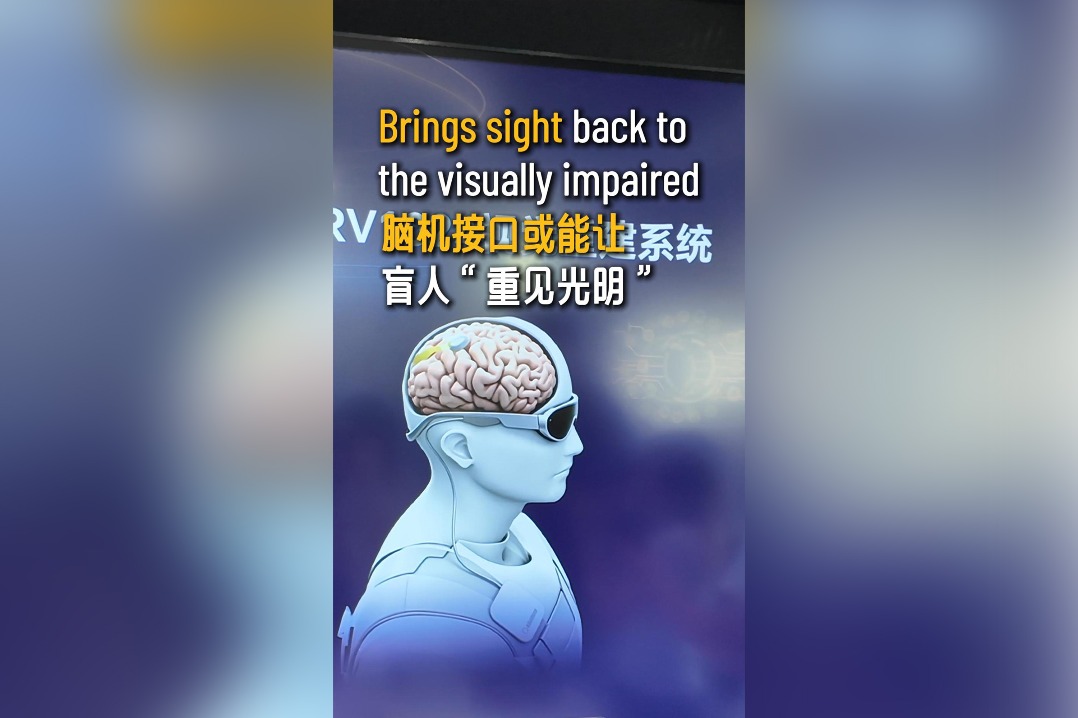
Despite being developed separately, brain-computer interfaces or BCIs are an emerging field of technology that are being used for restoring more than one lost sense in the body, with visual cortical prostheses (VCP) for vision, and somatosensory cortical prostheses (SCP) for touch.
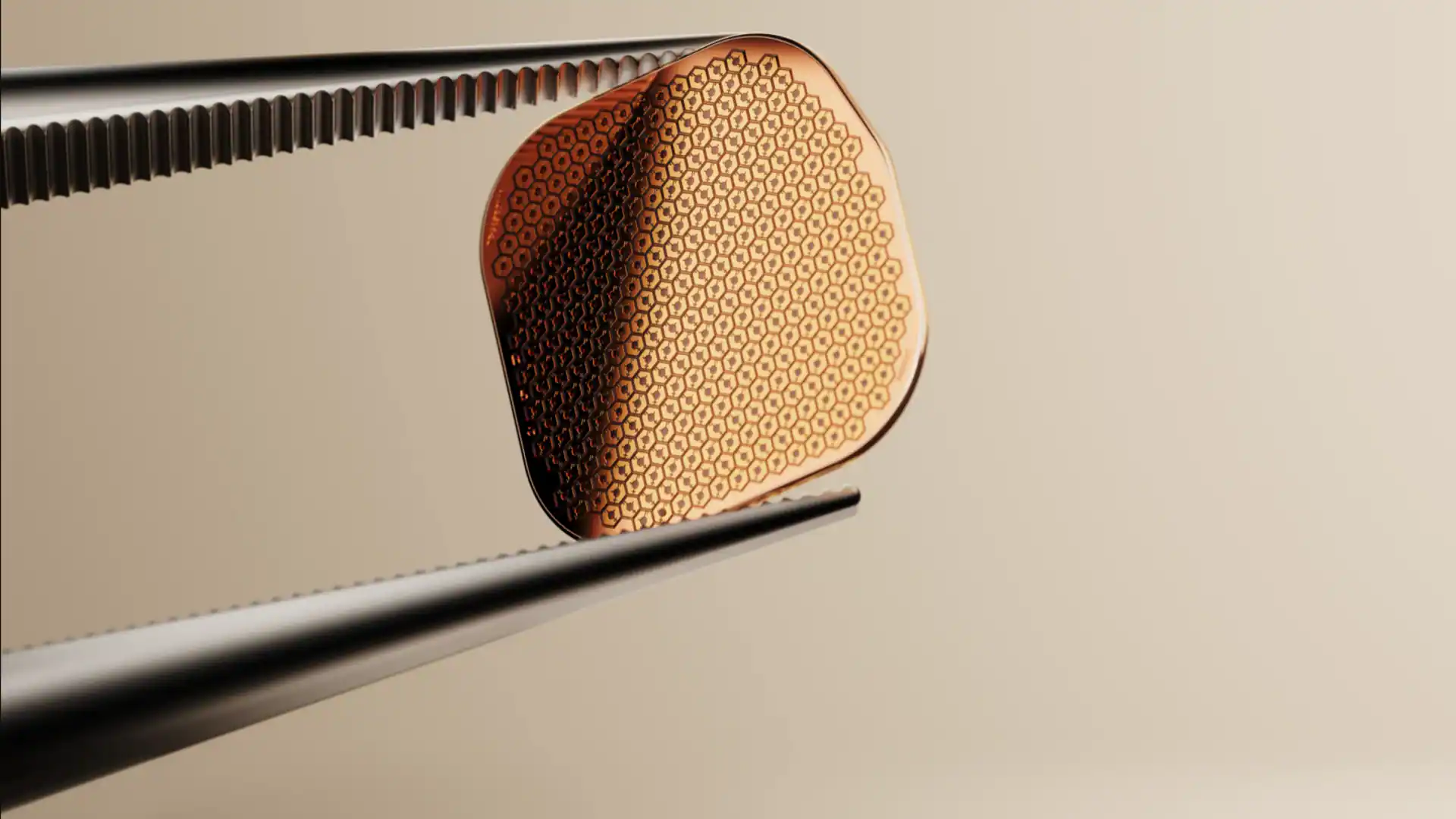
BCIs work by implanting a microelectrode directly into the brain, to enable direct communication between the brain and external devices (such as a camera or a bionic hand). They can bypass the damaged pathways in the body by directly stimulating a specific region of the brain and mimicking a natural sensation in a patient.