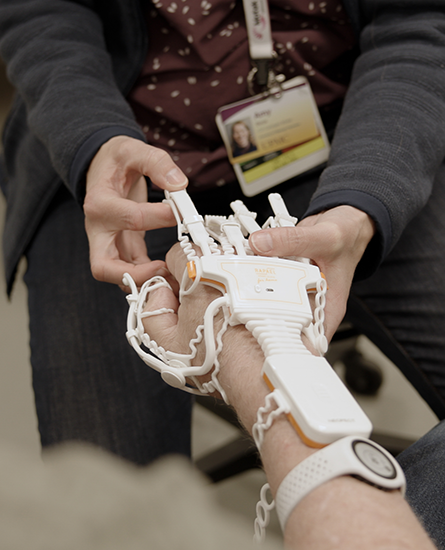
After years of exploring how spinal cord circuits can be harnessed to restore movement, Carnegie Mellon University researchers in collaboration with The University of Pittsburgh have helped demonstrate a major milestone in stroke rehabilitation. New findings published today in Nature Medicine show that targeting spinal cord stimulation can improve strength, mobility, and dexterity in people living with chronic stroke, even years after their injury.
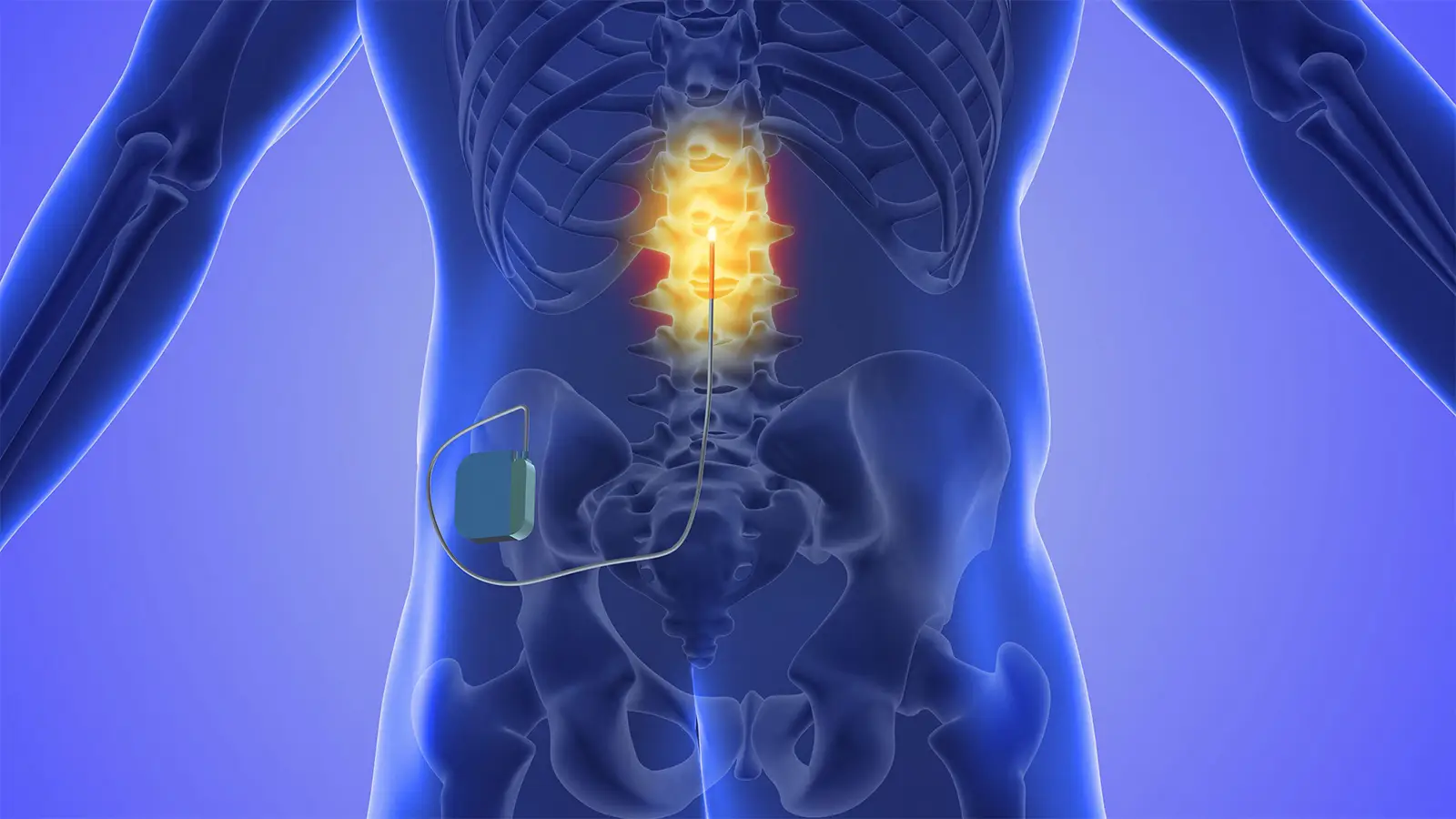
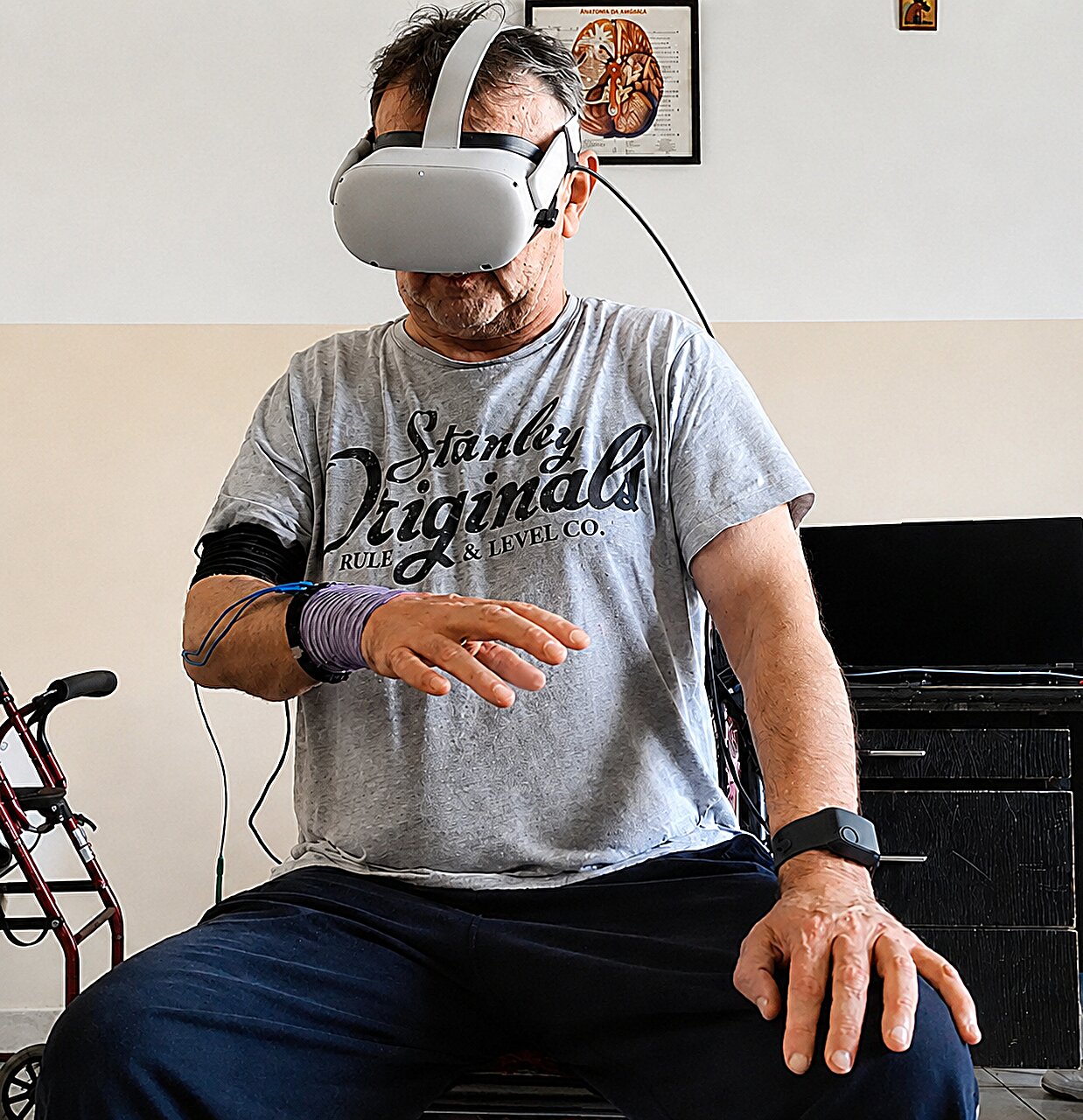
The study reports the final results of a pilot clinical trial that evaluated cervical epidural spinal cord stimulation, a neurotechnology designed to restore movements by strengthening communication between the brain and weakened muscles. Across seven participants with chronic stroke-related arm paralysis, researchers observed immediate improvements in strength, dexterity, and mobility, along with reductions in muscle spasticity. Participants experienced an average 32% increase in arm strength after just four weeks of treatment and less than nine hours of movement-based training.
The findings build on results first reported in 2023 that demonstrated that spinal cord stimulation could restore arm and hand movement in two stroke survivors. The new study expands those findings across a larger and more diverse group of participants, confirming the approach is safe, feasible and effective for individuals with varying degrees of impairment.