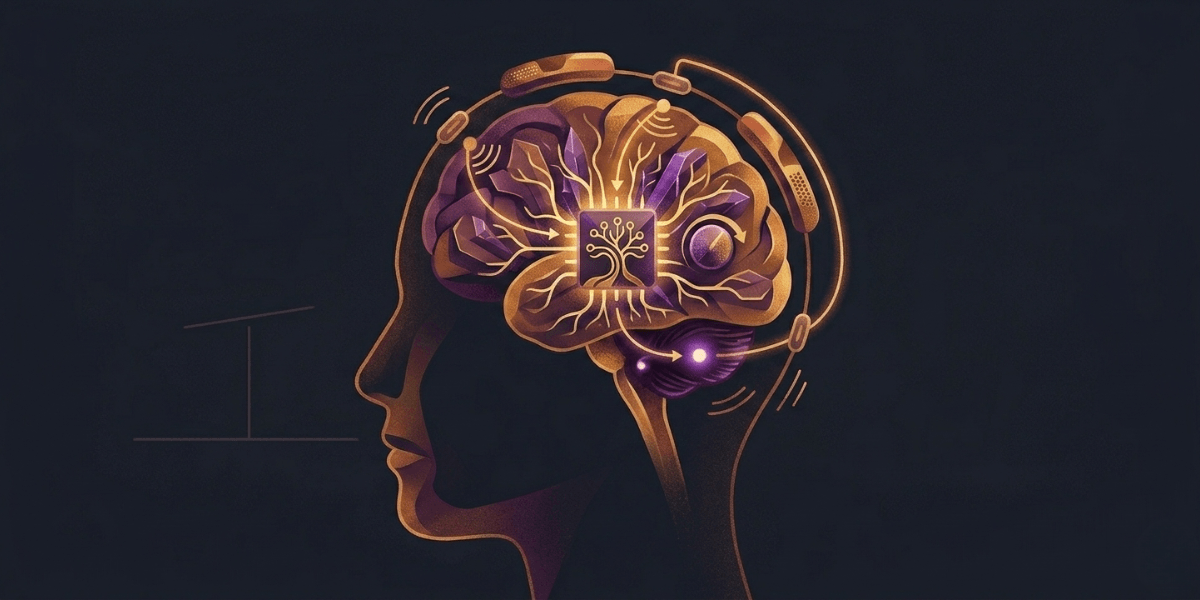
Illustration of the brain (credit: Gemini)
Imagine not being able to properly say a word or take a step. For patients with cerebellar disorders and other motor-related neurological diseases, this is their reality, as loss of basic motor control can significantly impair everyday function and gradually erode independence.
Every step a person takes, word they say and hand movement used to pick up an object depends on the cerebellum, the brain region responsible for muscle control, coordination and balance. Damage to this small structure at the back of the brain can impair nearly every coordinated movement a person makes.
Yet current treatments still fail to effectively address these disorders, a key gap that requires alternative therapy options for patients.
A promising alternative therapy option is neuromodulation, a technology that focuses on altering neural activity. By delivering targeted stimulation such as electrical impulses directly to specific areas of the brain, it can restore function or manage neurological conditions such as movement disorders.