science
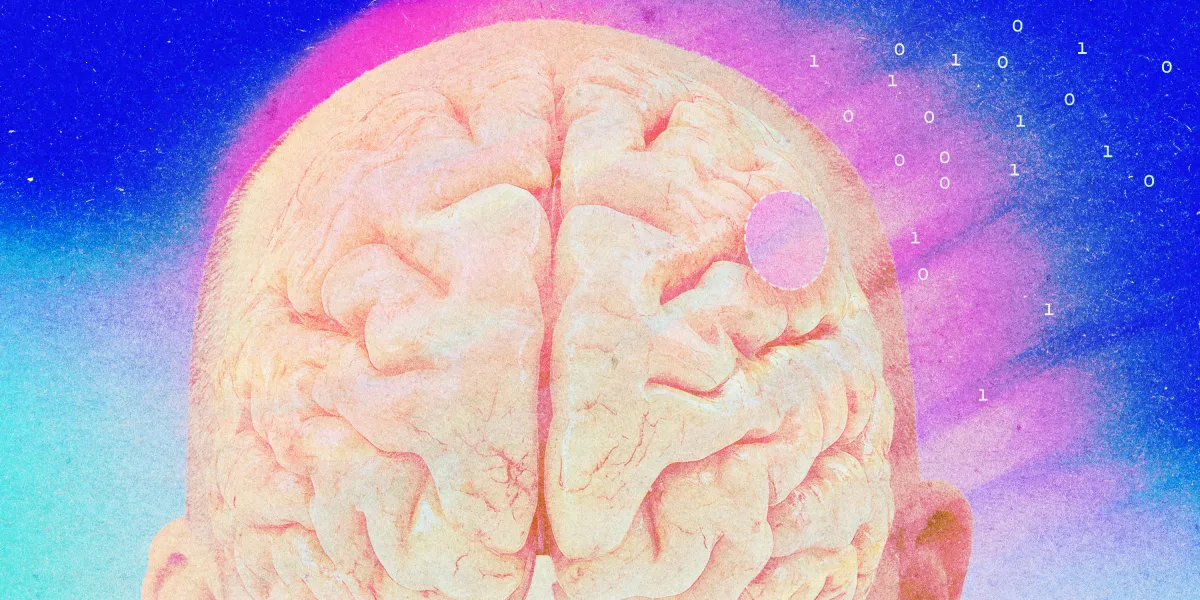
The hardware isn't new, but a UC Davis research team's machine learning-powered method of translating brain activity in an ALS patient into sentences with 92% accuracy is
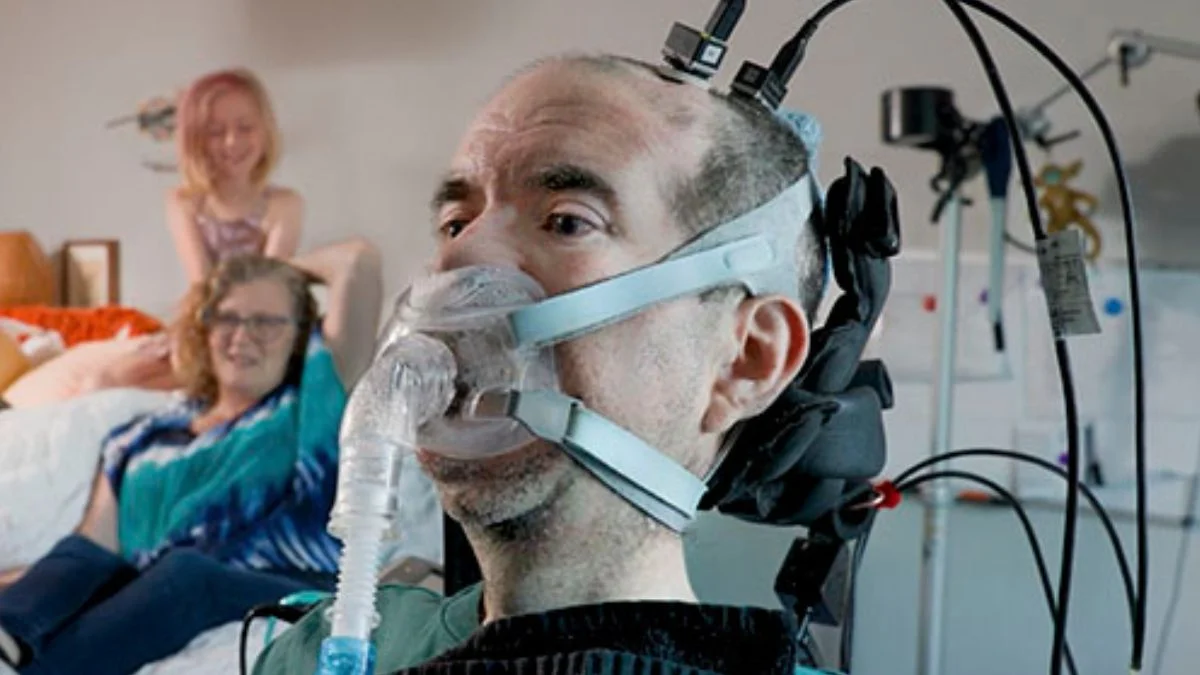
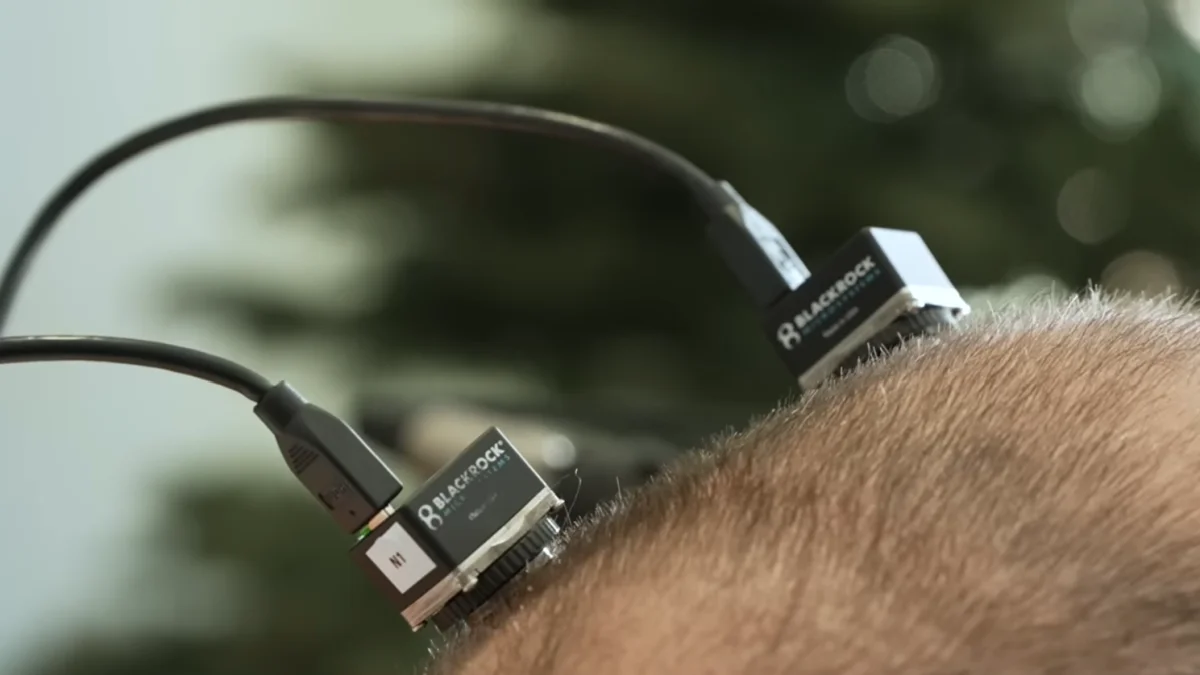
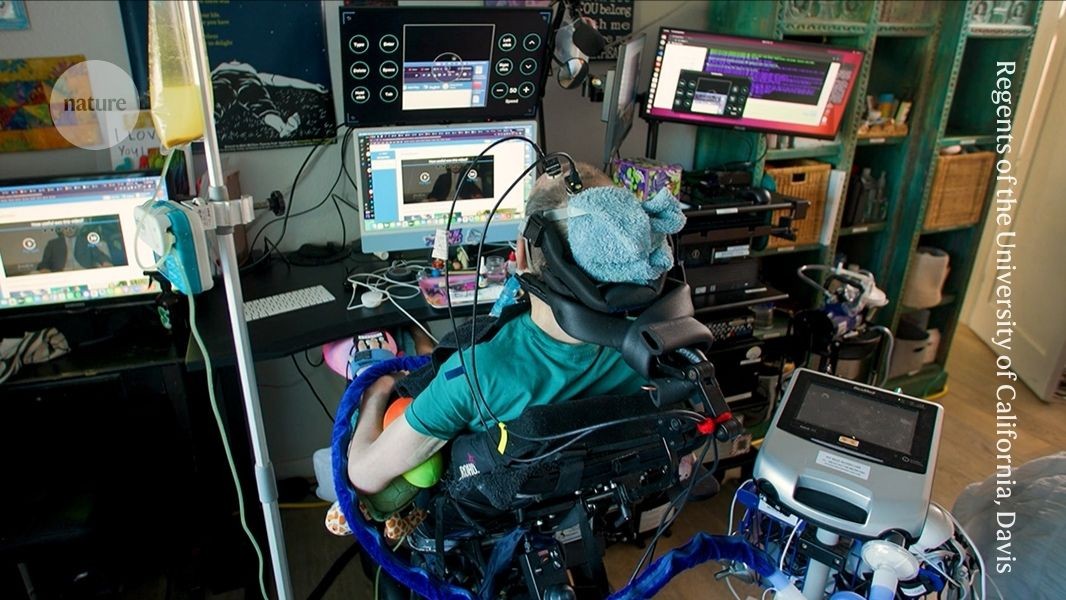
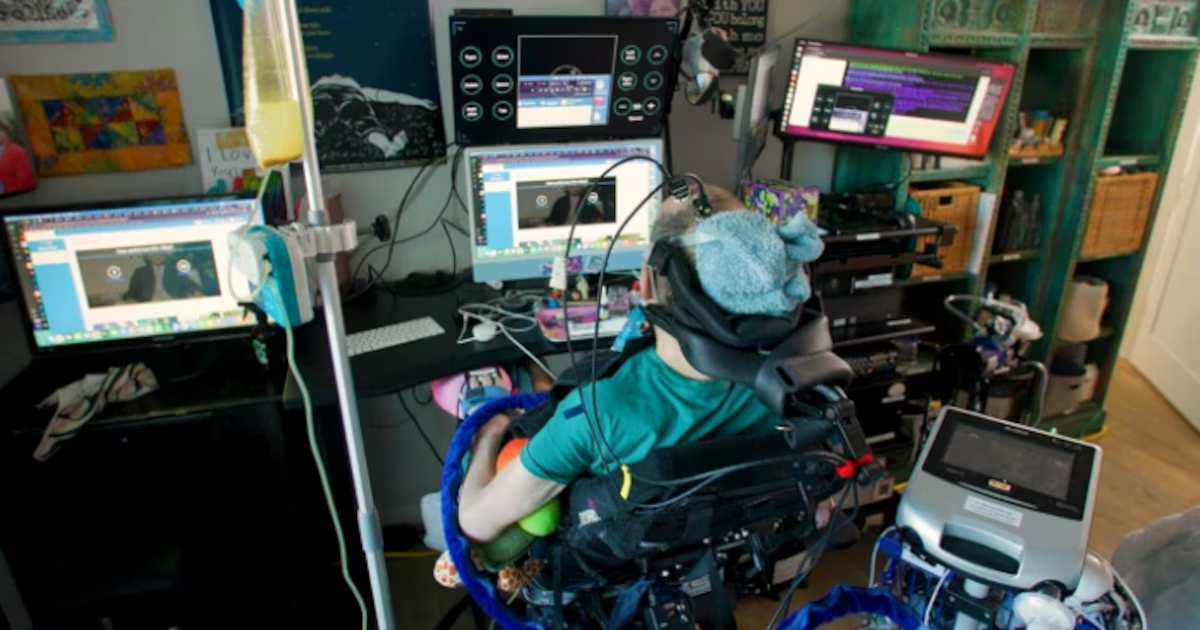
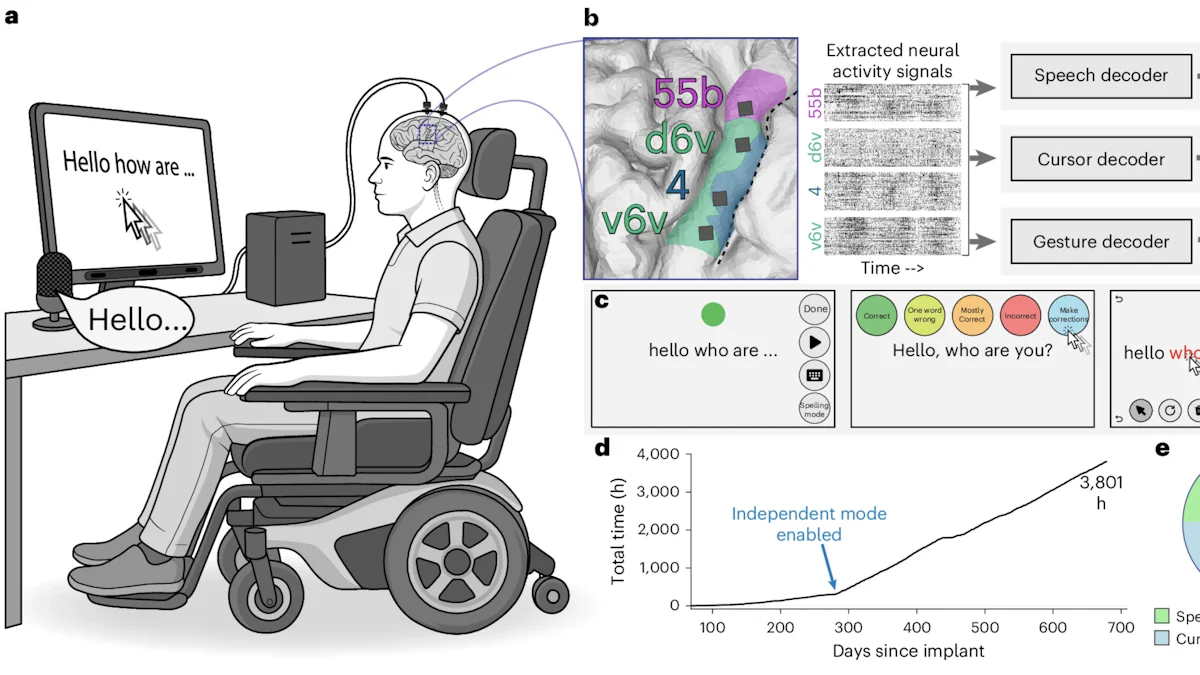
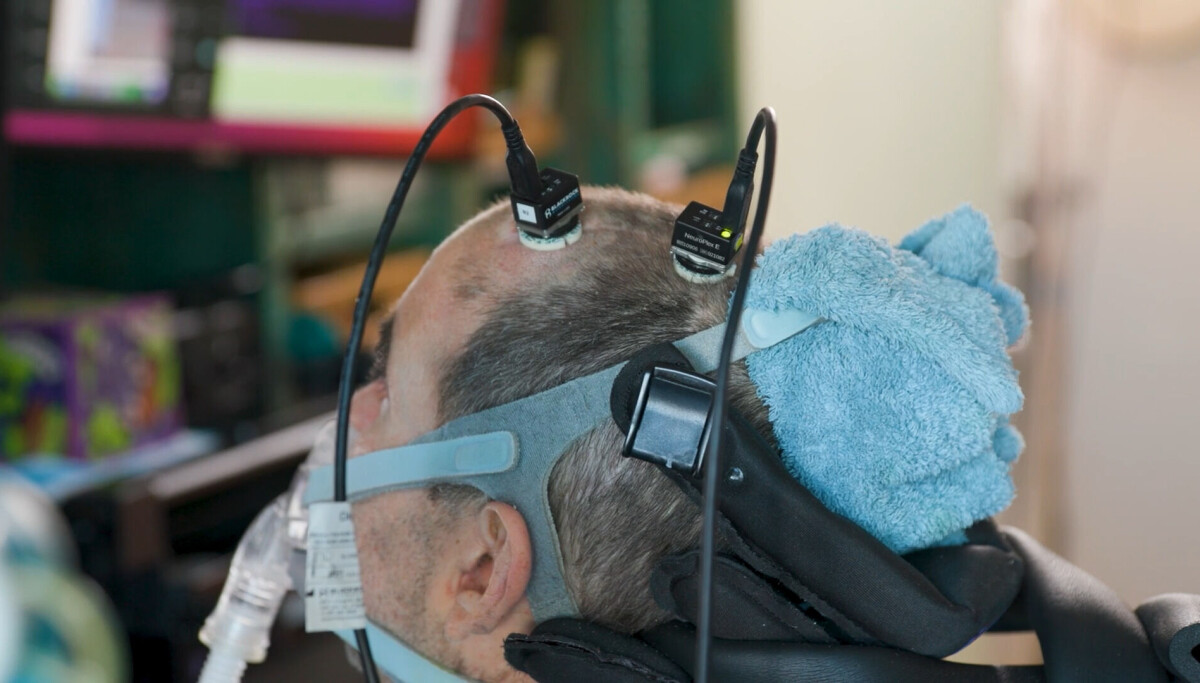
Imagine being paralyzed so badly that not only can't you move your hands or feet, but you can't speak either. For years, brain computer interfaces have presented the tantalizing promise of reading brainwaves well enough to allow a person to communicate and access a PC. Now, a new breakthrough shows how someone can talk and even work a job while afflicted with a motion-robbing disease.A team of scientists from the University of California, Davis, published a paper Monday detailing a years-long study of a brain computer interface (BCI) system implanted in a patient with amyotrophic lateral sclerosis (ALS, also known as Lou Gehrig’s disease), which destroys motor neurons and causes loss of motor control and eventual paralysis. According to the team, their patient, Casey Harrell, has been living with BCI implants since 2023 that are still working today, giving him the ability not only to control a computer cursor with his thoughts, but also to speak.
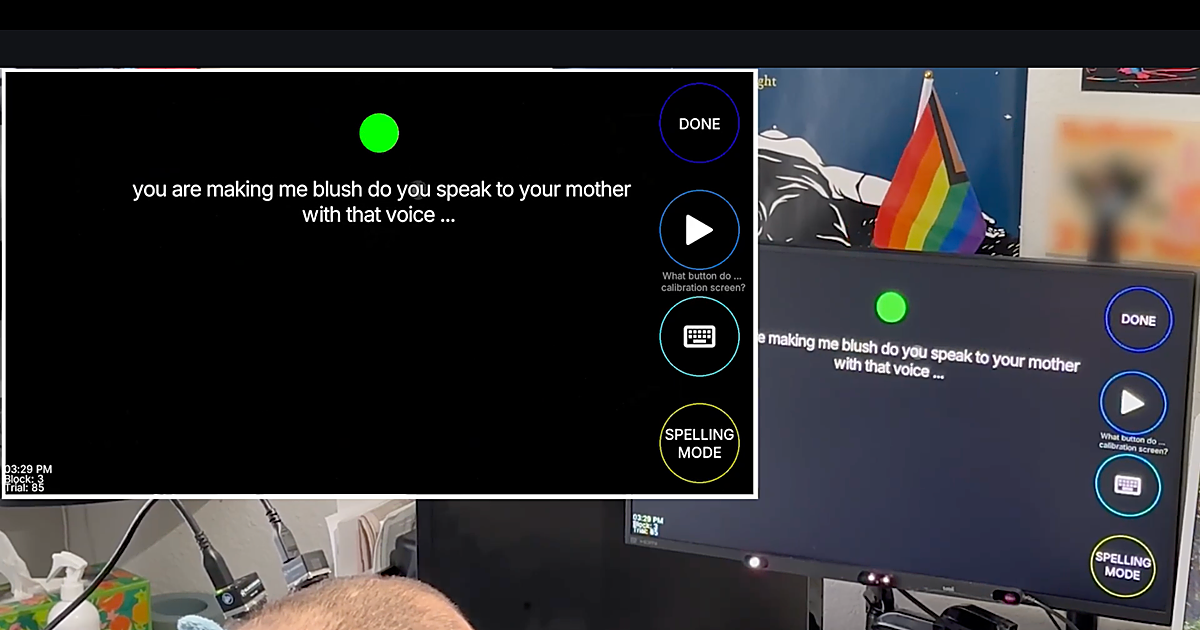
Harrell describes what it's like getting hooked up to his system