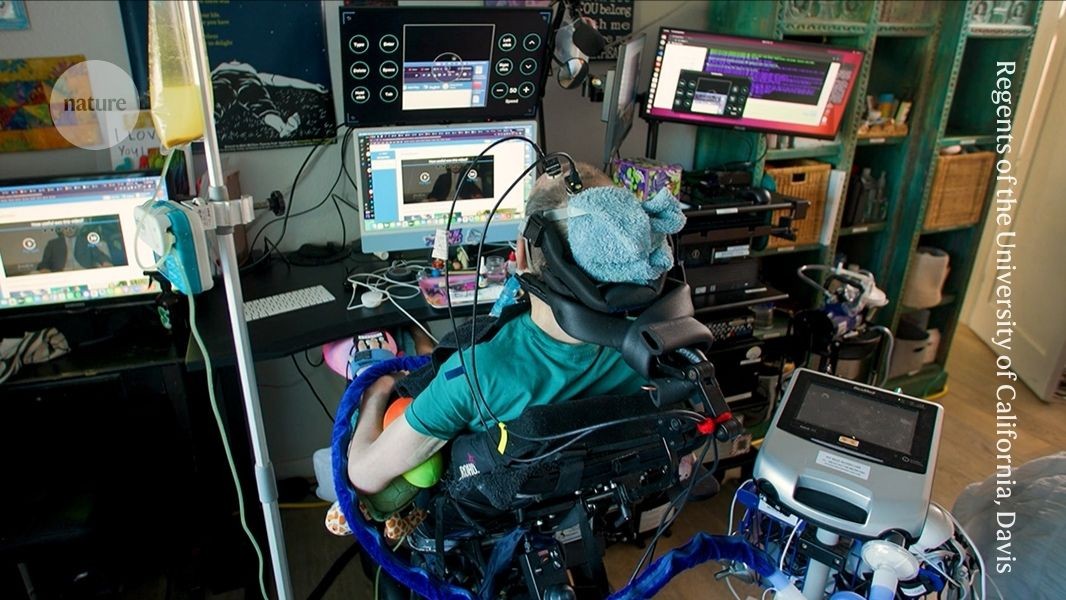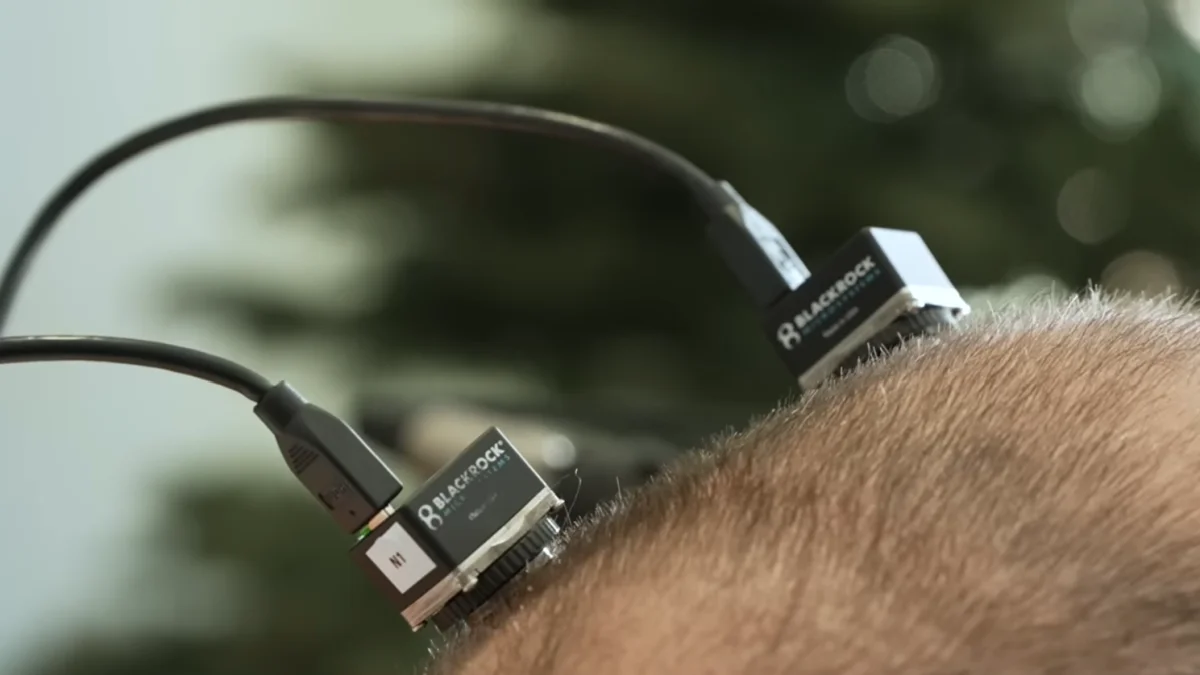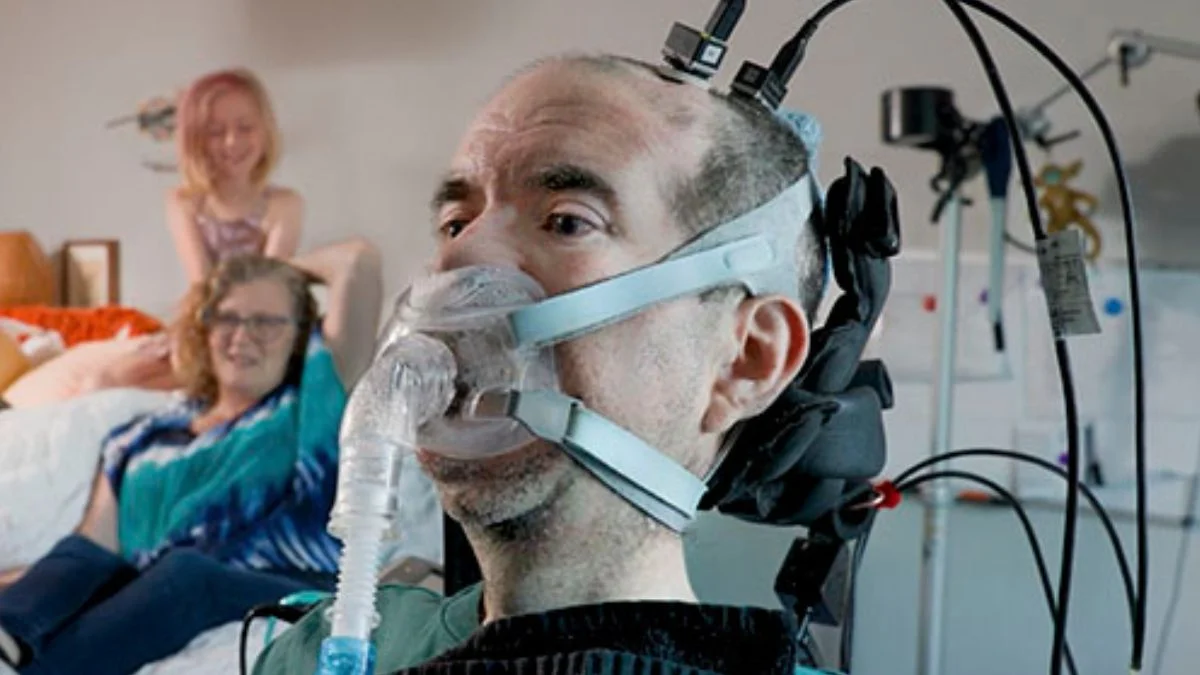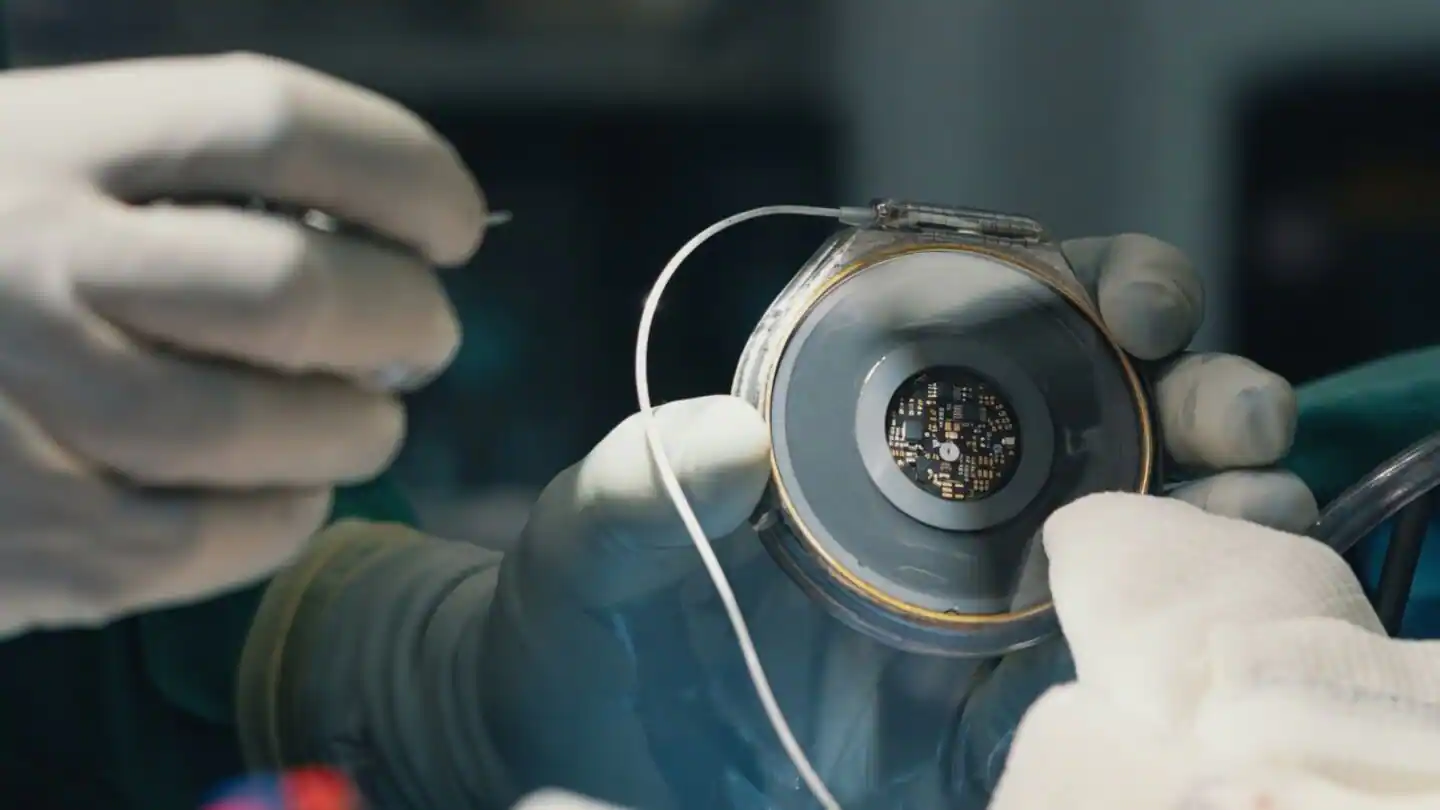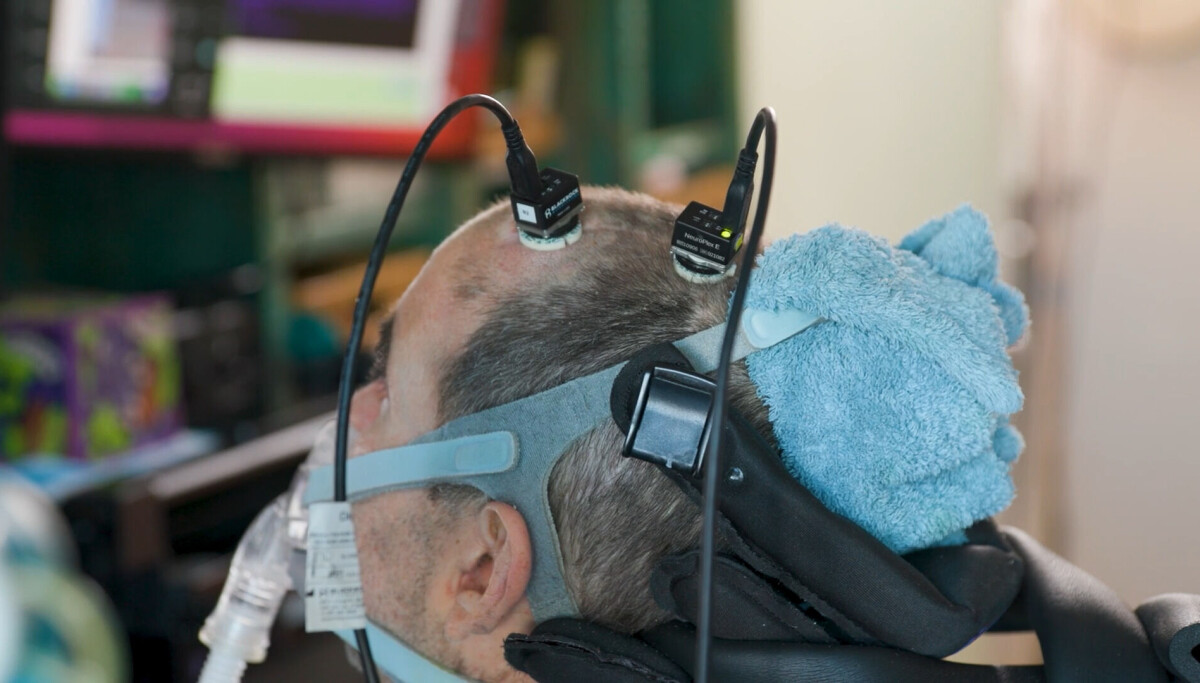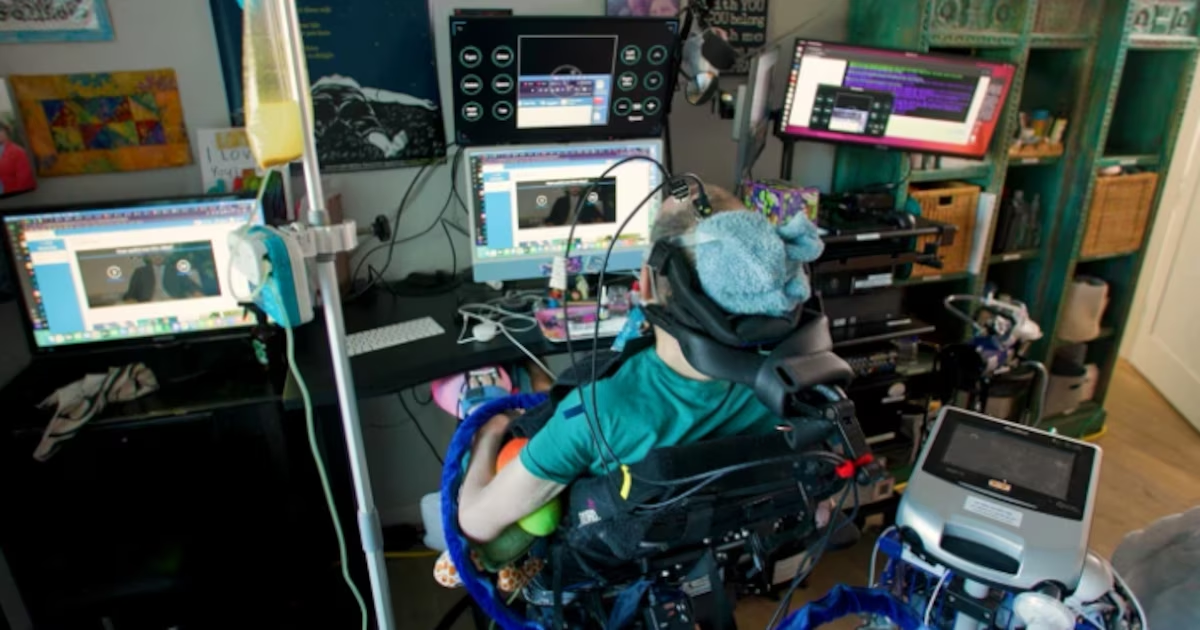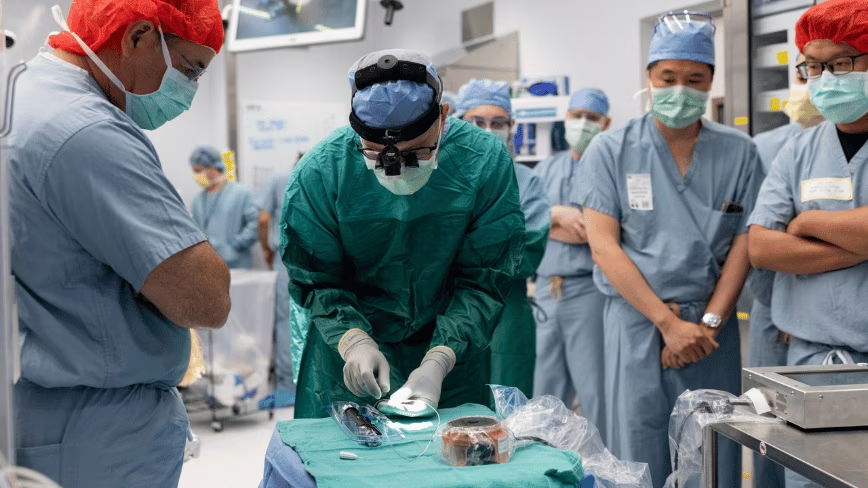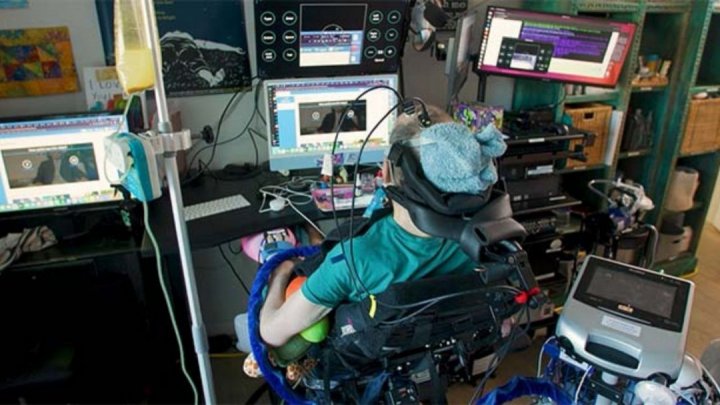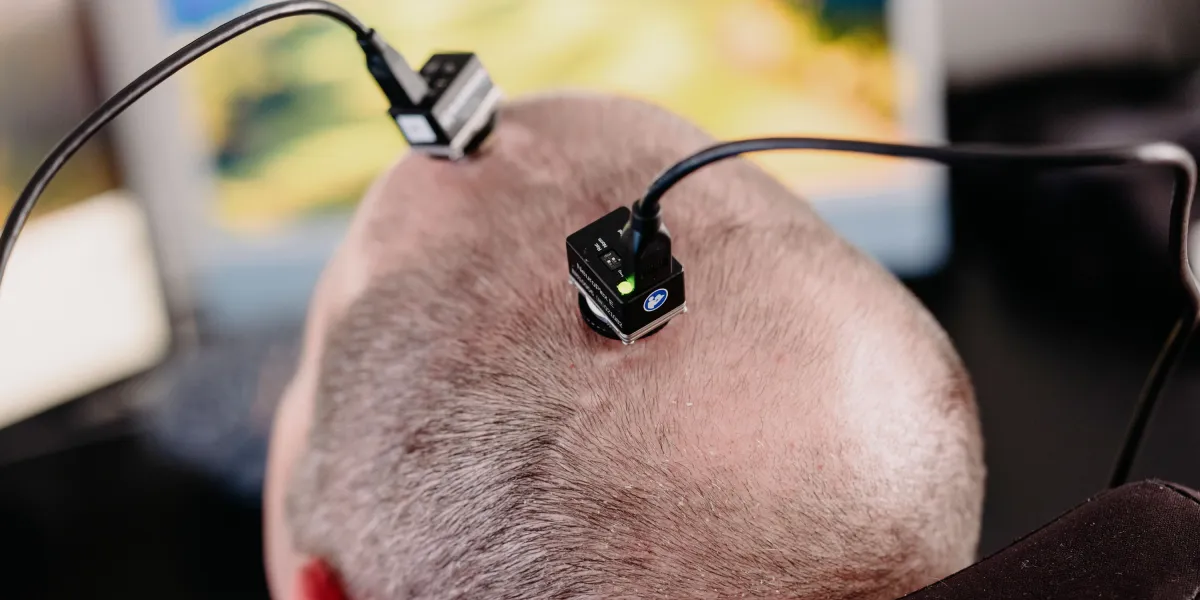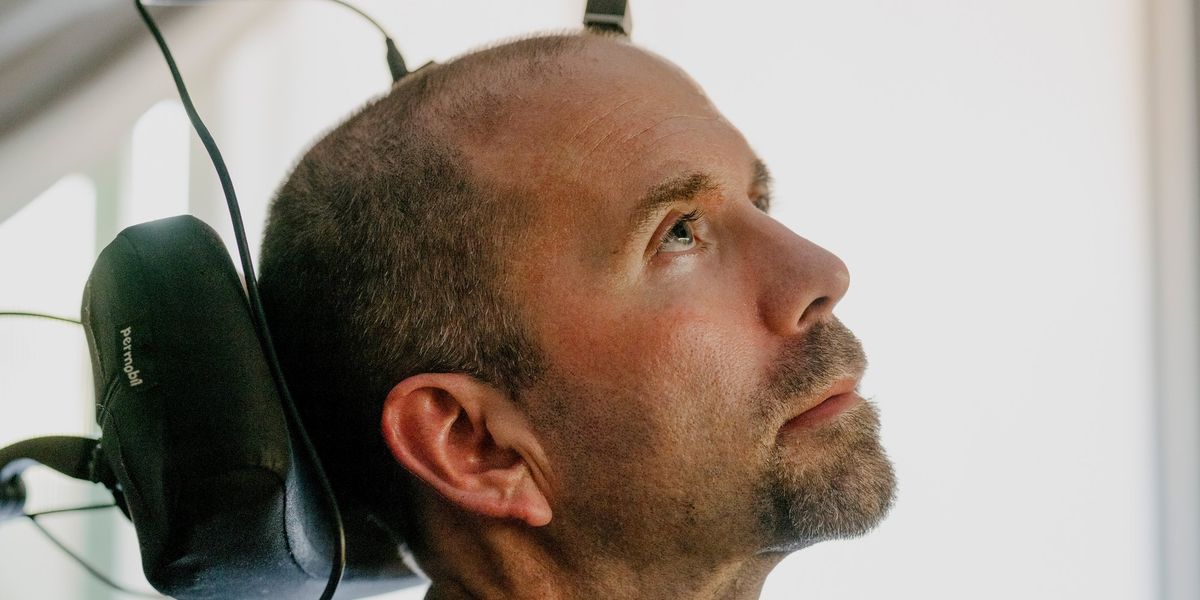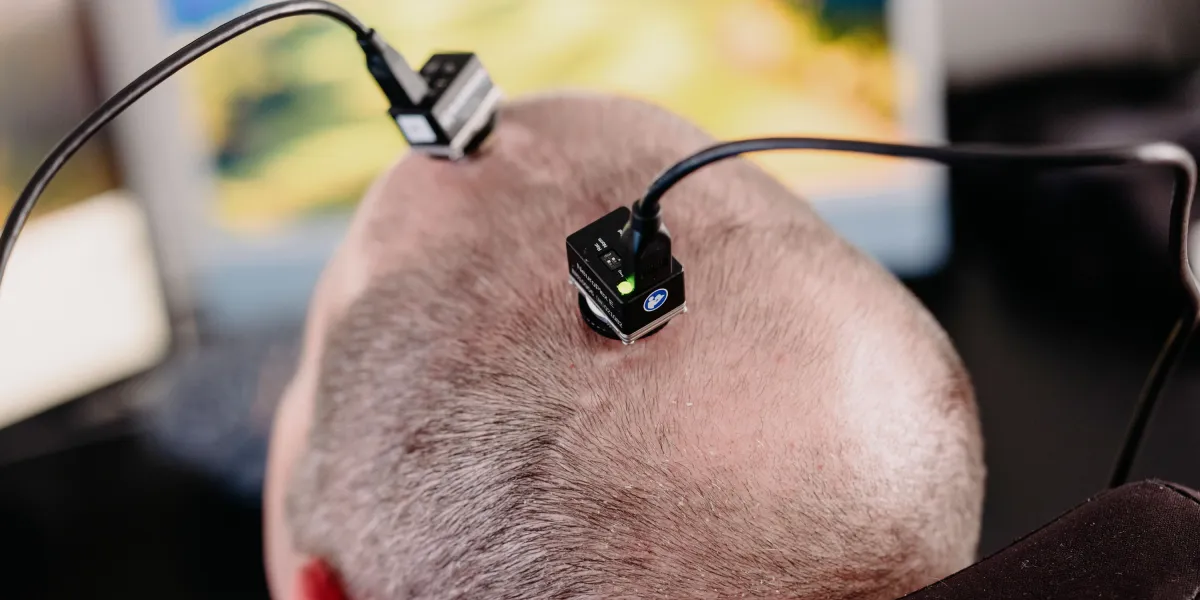
This week, I covered the story of Casey Harrell—a man with ALS who is “the first power user” of a brain implant, according to the researchers who worked with him. Harrell is paralyzed and unable to speak coherently without the device. He has now spent almost three years using a brain-computer interface (BCI) that enables him to “speak,” surf the web, and perform his job as a climate activist, largely independently. Since Harrell was implanted with the device, in July 2023, a team at the University of California, Davis, has worked with him to adjust and improve its offerings. They’ve refined its accuracy, for example. And they’ve introduced settings including a privacy mode and a “profanity filter” that lets Harrell talk to his daughter without risking accidental swearing. Harrell told me that, for him, the device is “nothing short of revolutionary!” It has enabled him to maintain an income, reconnect with friends and family, and read to his daughter. The team that developed his BCI is one of several working on ways to use technology to allow people with paralysis to communicate, engage with the online world, and regain some independence. And Harrell is one of a growing number of people volunteering their brains to, as he puts it, “pay it forward and do the scientific research … [and] get some personal benefit.”
Brain-computer interface trials are taking off
The number of people with electrodes in their brains is believed to have more than doubled in the last couple of years.
990 words~5 min read