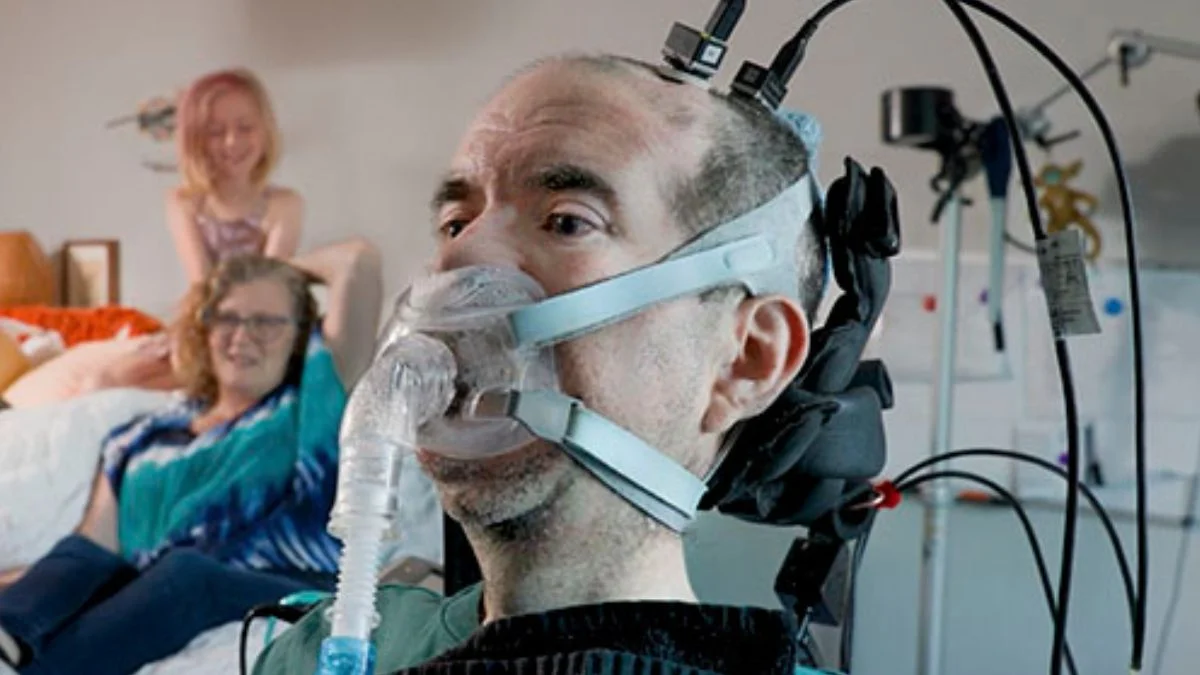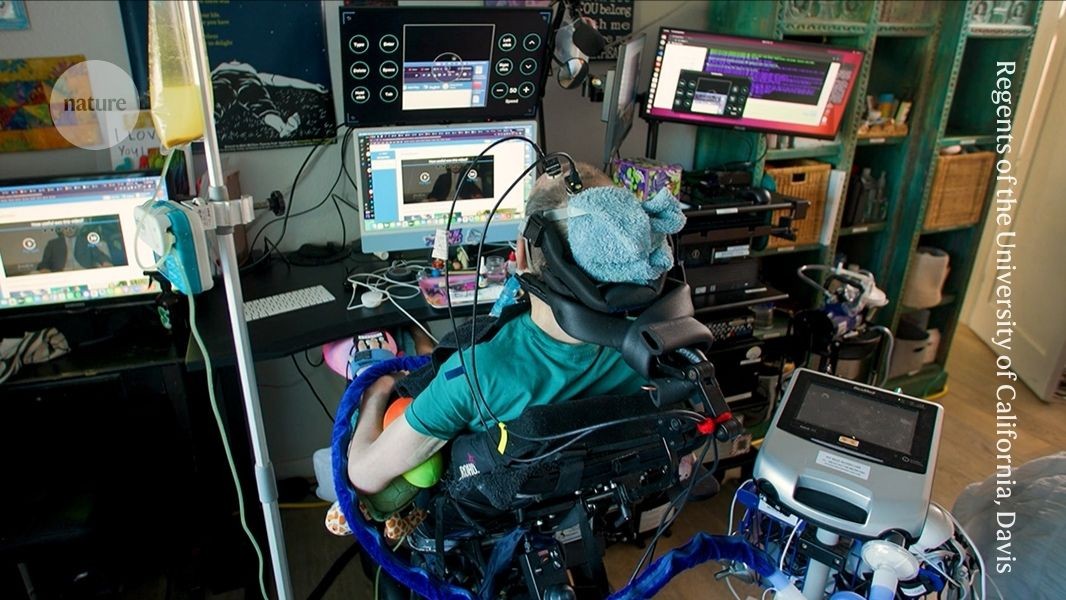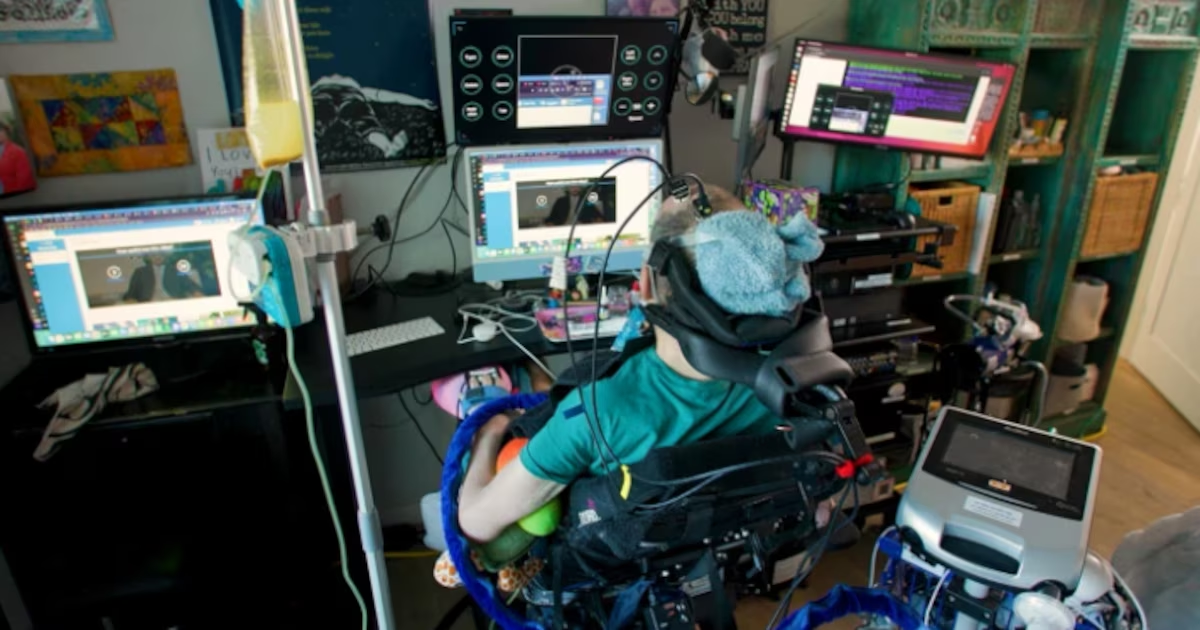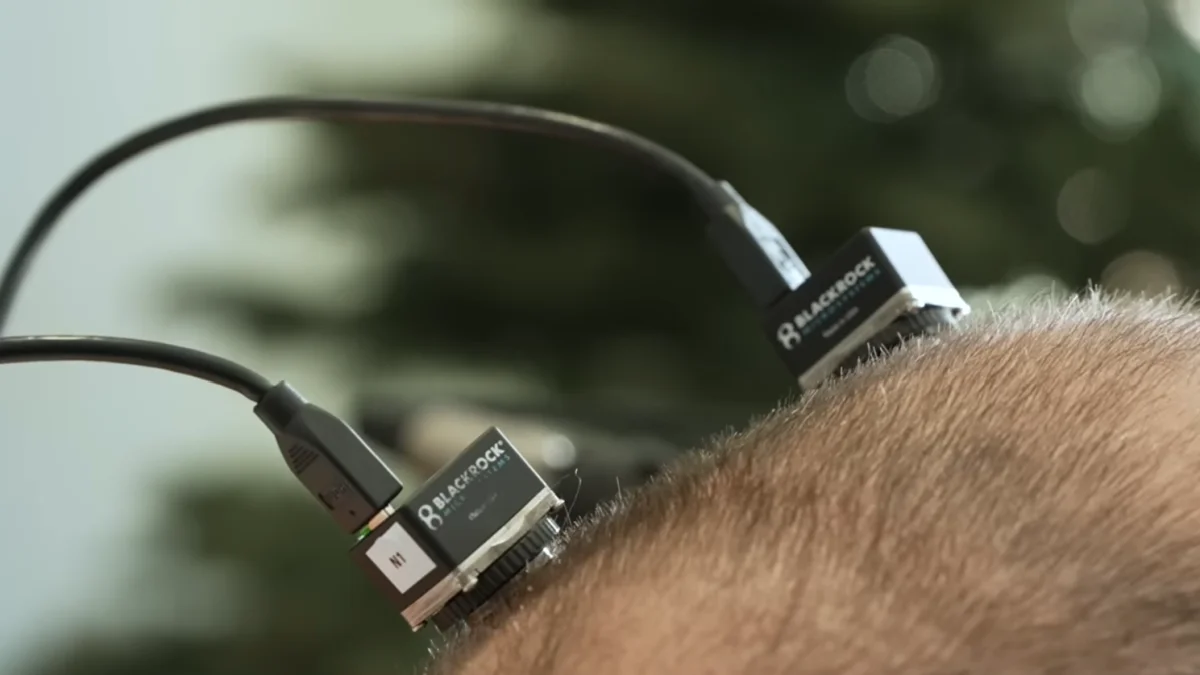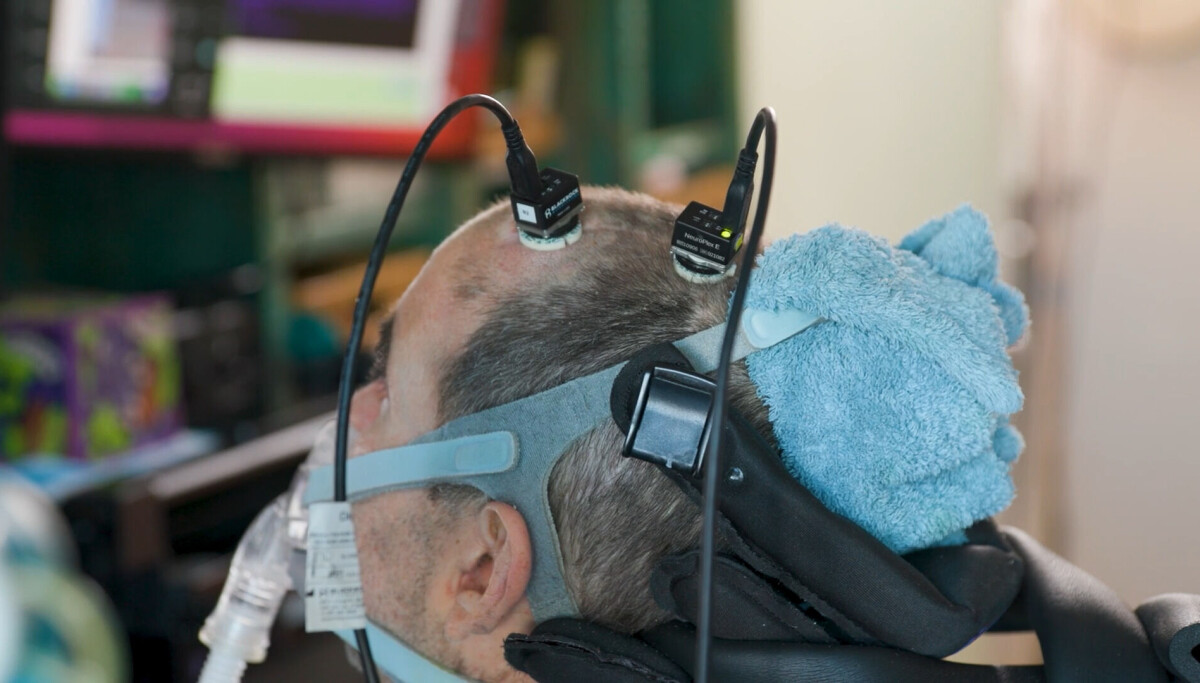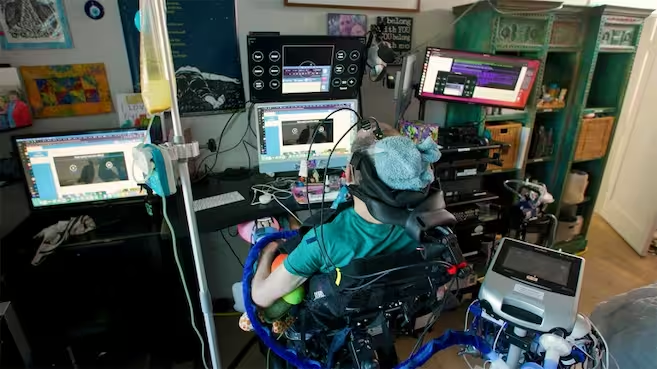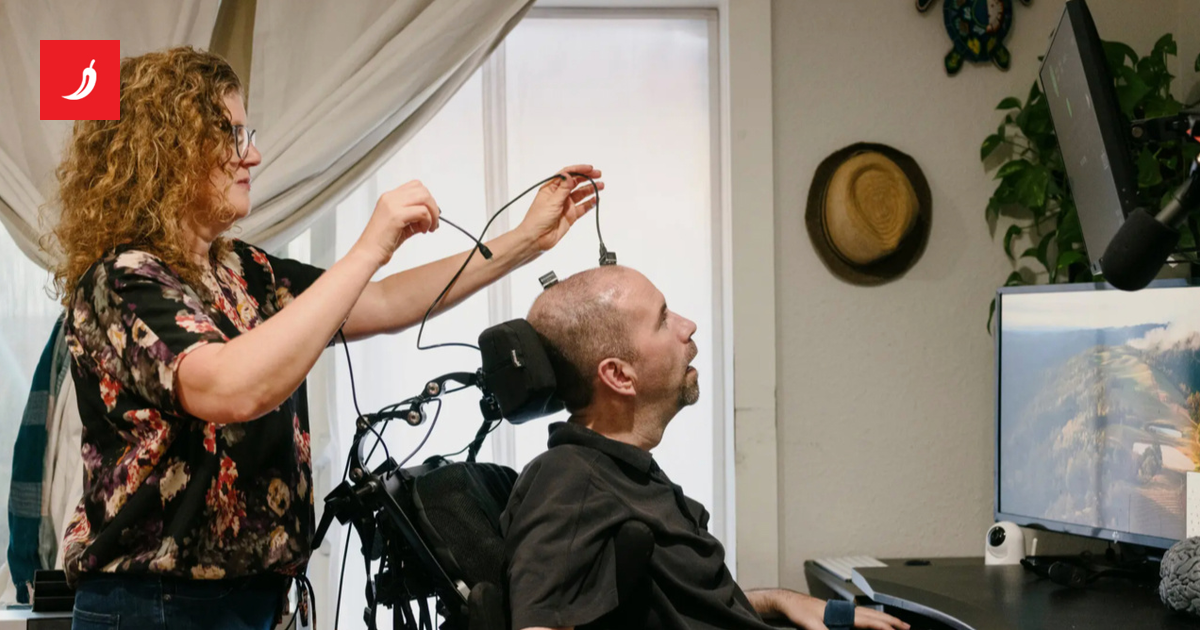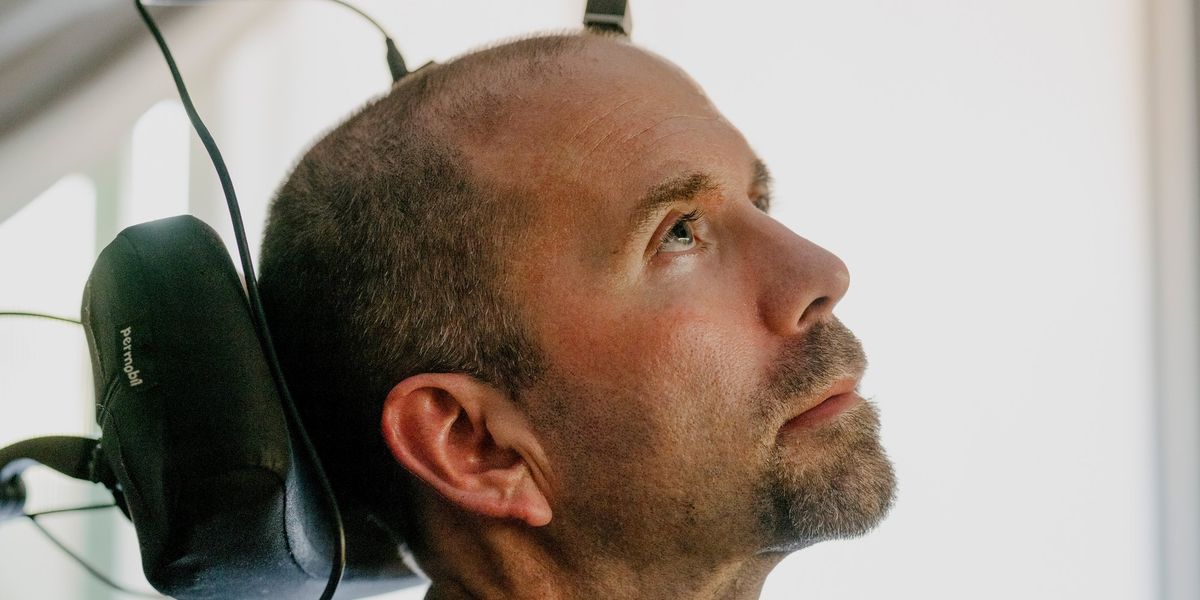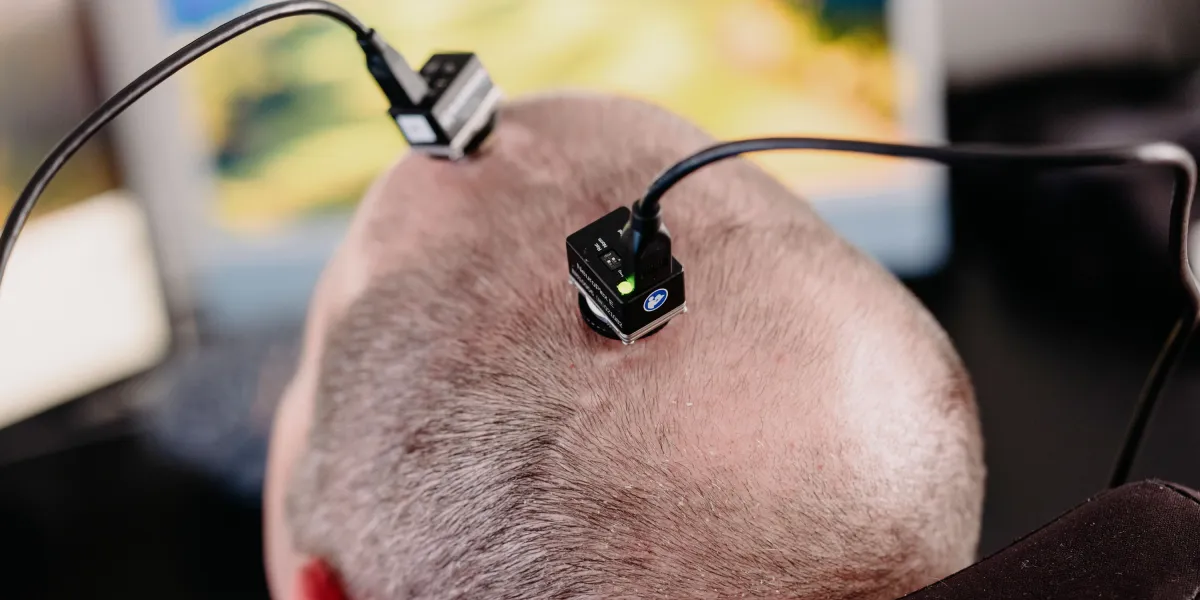
Casey Harrell has had a set of electrodes embedded in his brain for almost three years. Harrell, who has amyotrophic lateral sclerosis (ALS) and is paralyzed, first used his brain-computer interface (BCI) to “speak” sentences with the help of a research team in 2023. Since then, Harrell has clocked thousands of hours of use. He can use the device largely independently, once he’s been “plugged in” with the help of a carer. His team has added new features to it, and Harrell also uses it to surf the web and perform his job. “Living with a disease like ALS, you are supposed to have diminished dreams. I do not,” Harrell tells MIT Technology Review. “Any one of these things would be an absolute godsend of improvement. To have all of them, and many, many more, is truly revolutionary.” Within the first 22.6 months after the device was implanted, Harrell had used it for more than 3,800 hours at home without any researchers present, the team reported today in the journal Nature Medicine. “He’s the first power user of a speech BCI,” says team member Sergey Stavisky, a neuroengineer at the University of California, Davis.
Decoding speech Three years ago, Harrell entrusted David Brandman, an associate professor of neurological surgery at the University of California, Davis, and his colleagues with his brain. Harrell, who was 45 at the time, had already been diagnosed with ALS, a degenerative disease that robs people of the use of their muscles. Harrell was dependent on others to control his wheelchair and to dress and feed him. He had difficulty speaking; people struggled to understand what he was saying. Then Brandman and his colleagues asked if he’d like to trial a brain implant that might help him communicate. “The industry was [on the] cusp of a transformation, and I wanted to be part of it,” says Harrell. He signed up.