Neuralink has dominated the brain-chip story for two years. It now has a serious challenger with a patient of its own.
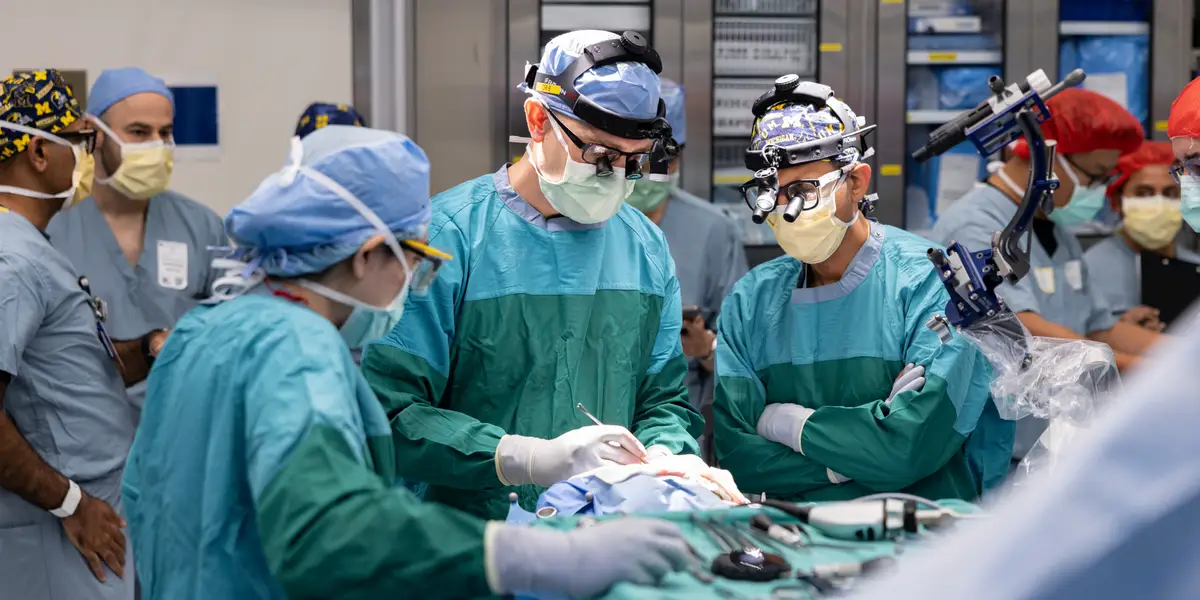
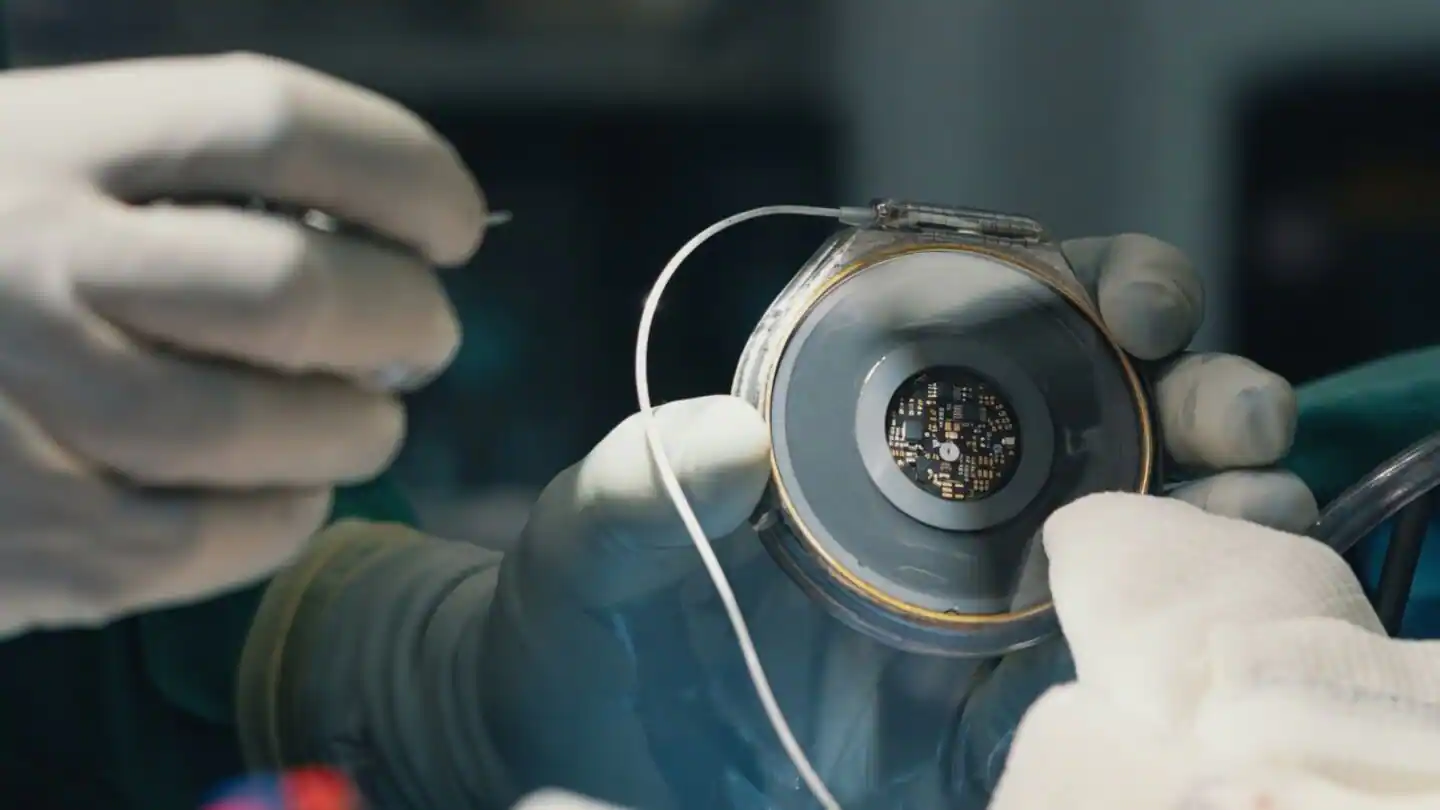
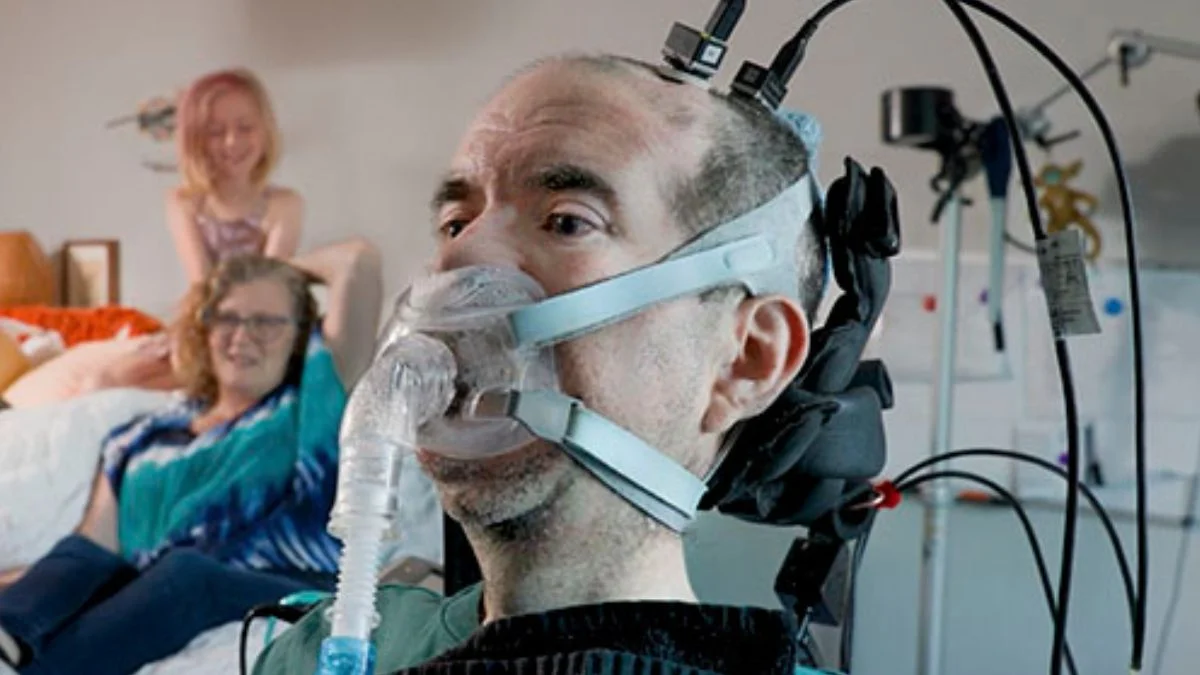
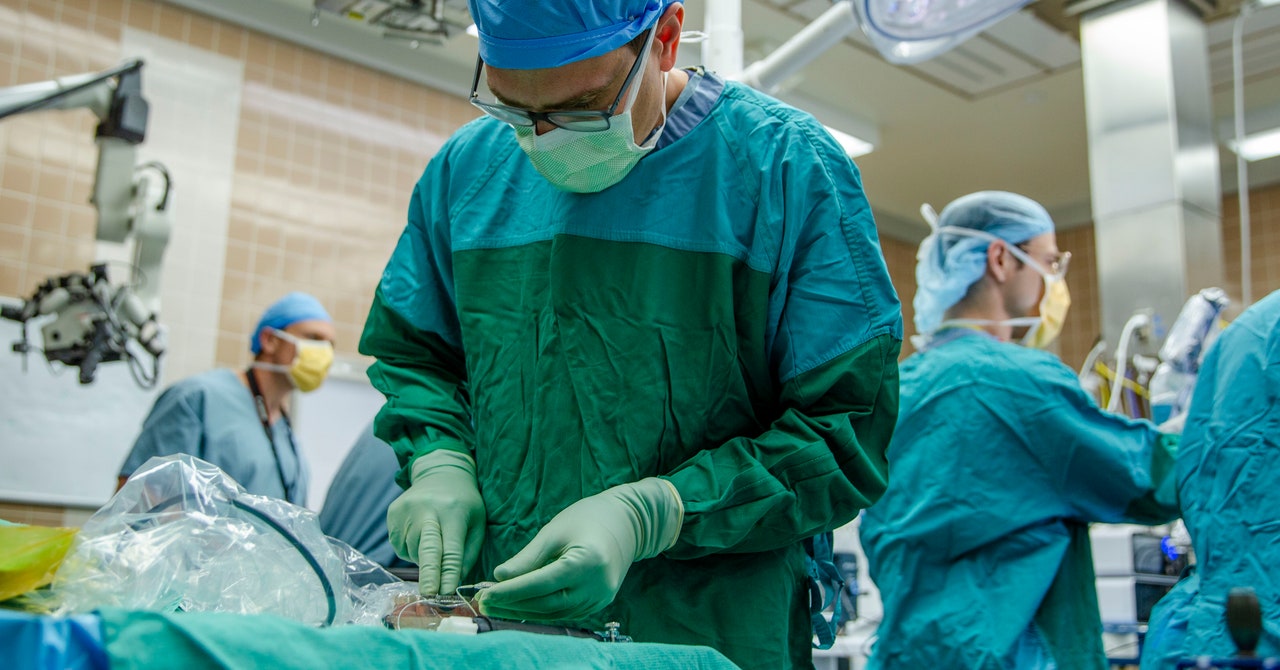
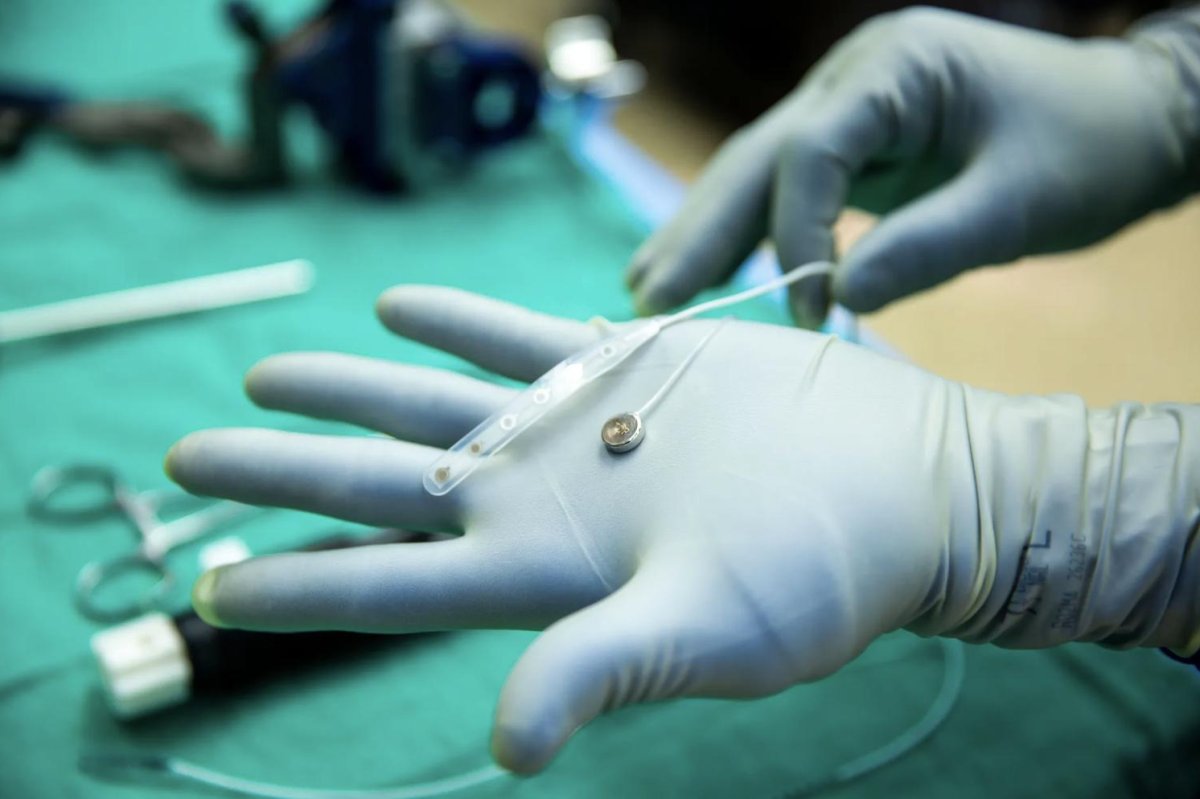
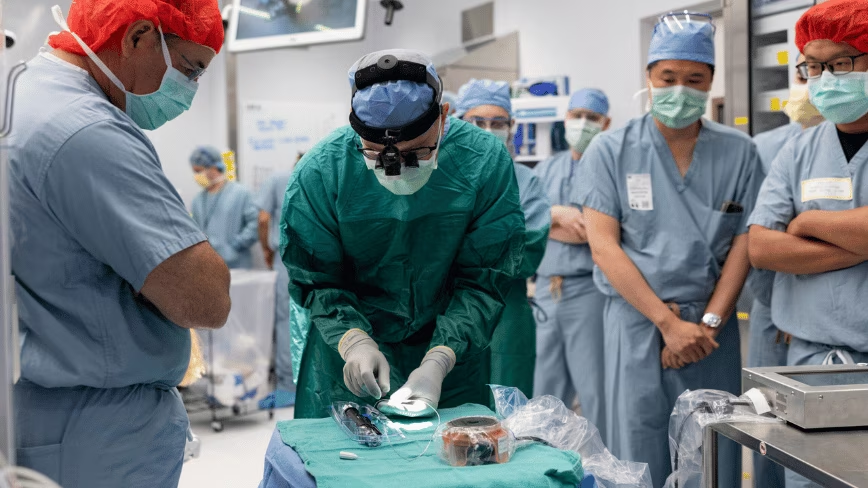
Paradromics, an Austin neurotech firm, has implanted its Connexus brain-computer interface in the first participant of its FDA-approved clinical study, the company said. The patient, a Michigan woman who has lost the ability to speak clearly due to motor neuron disease, was operated on at University of Michigan Health and will be followed for six years.
“For people living with severe motor impairment, the ability to communicate is central to agency, identity, and connection,” said founder and chief executive Matt Angle.
How a speech chip actually works
Connexus does not repair the body. The patient attempts to speak, the implant records the neural activity behind that attempt, and software translates it into text or synthesised speech on a computer.