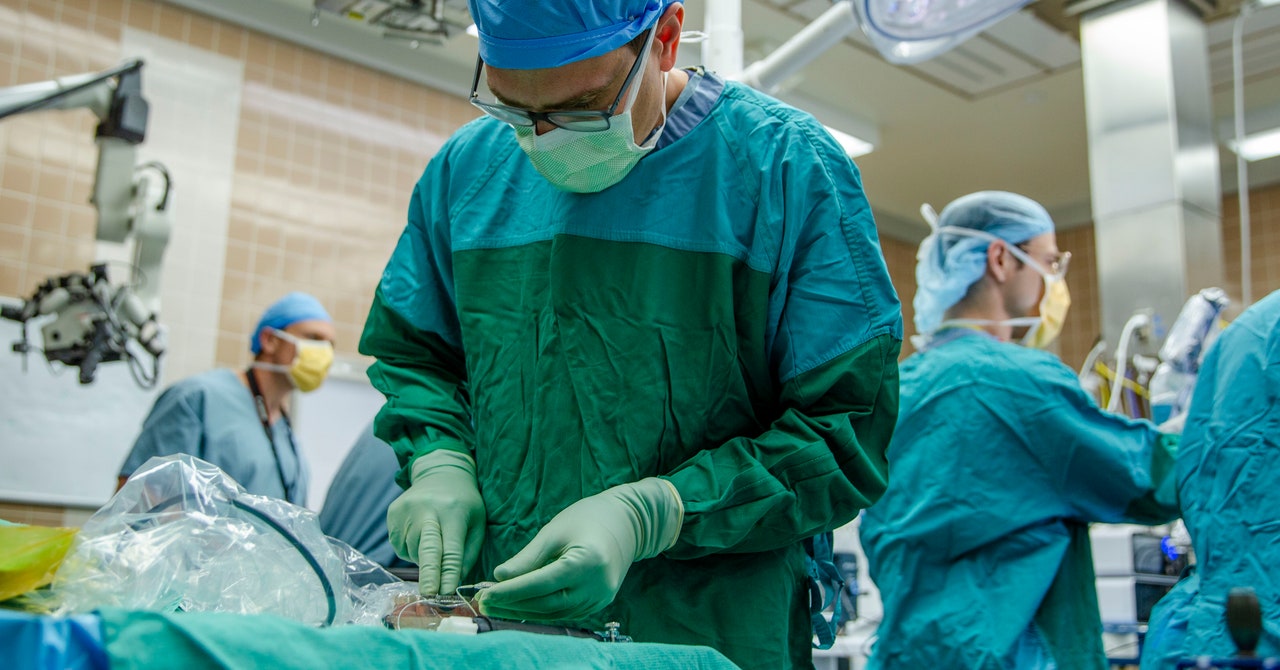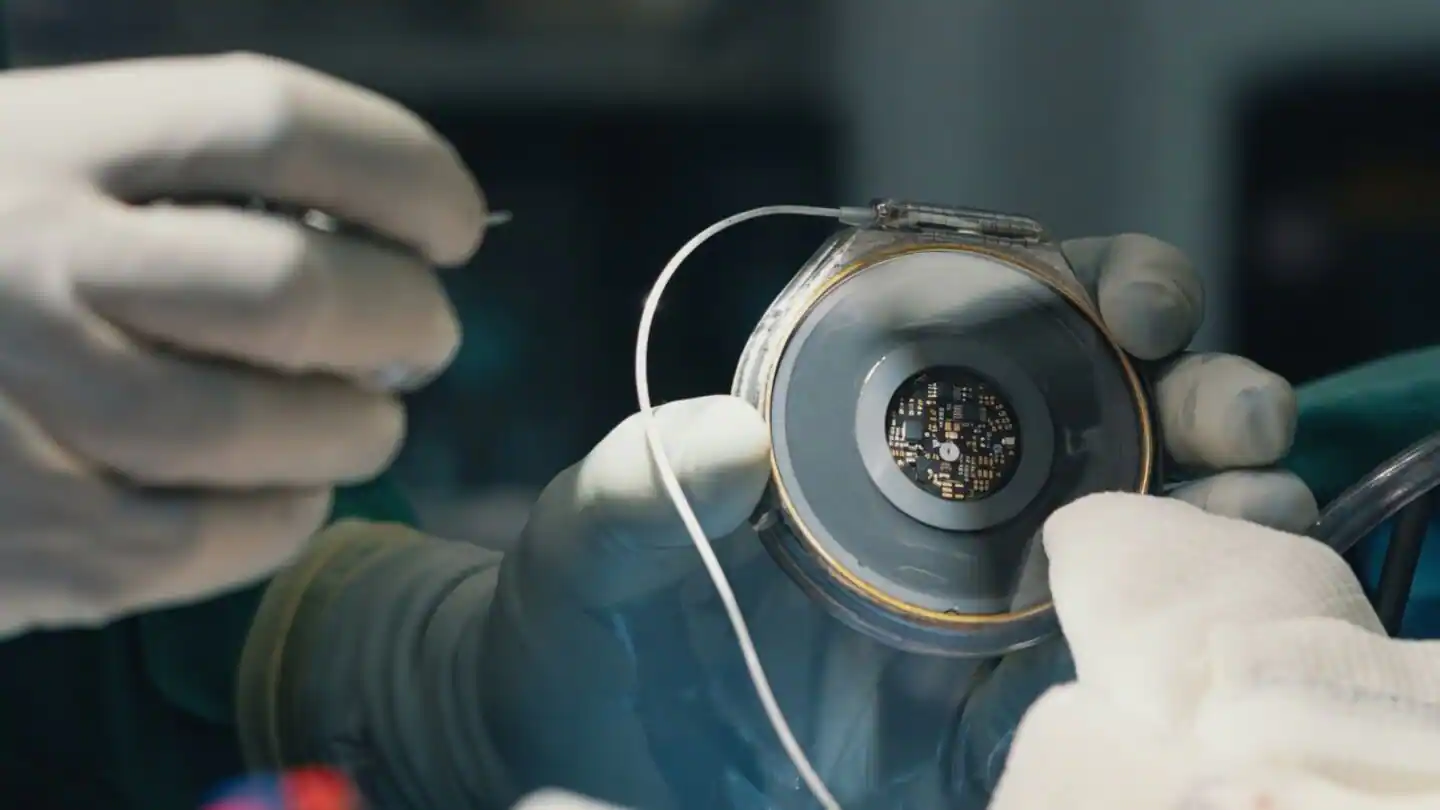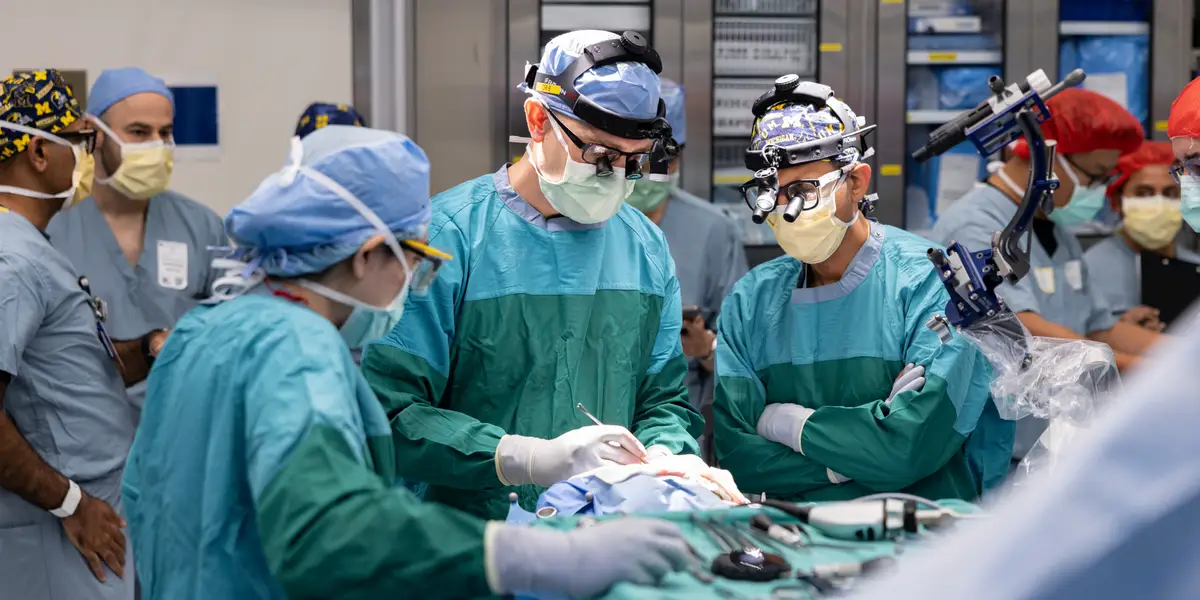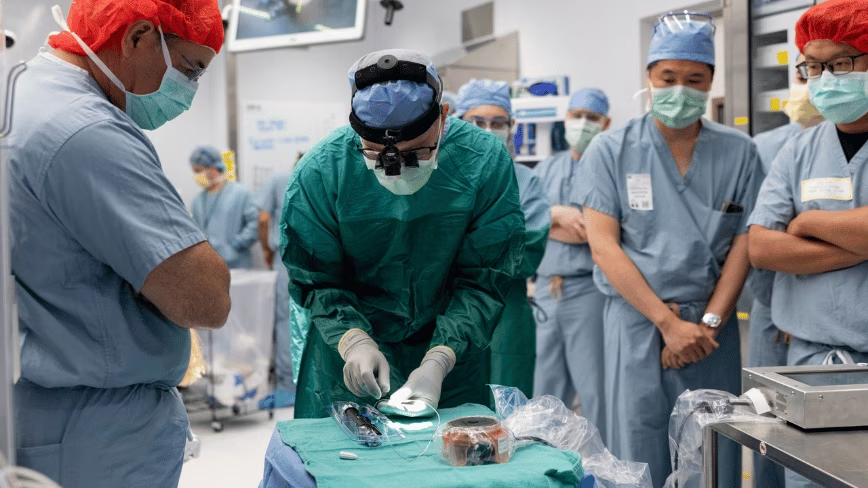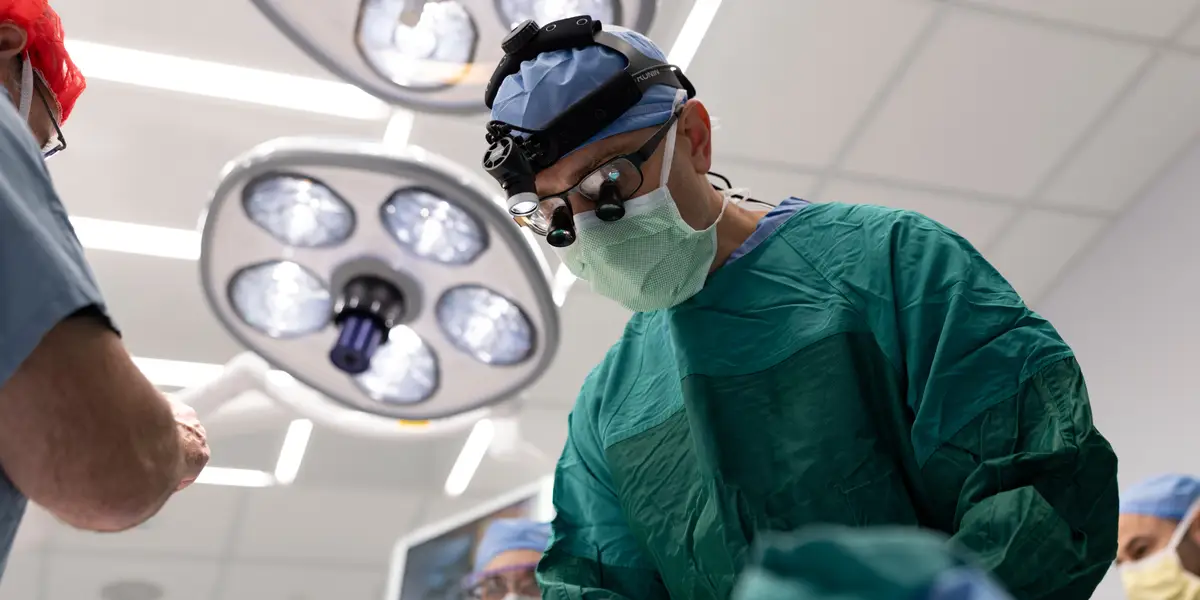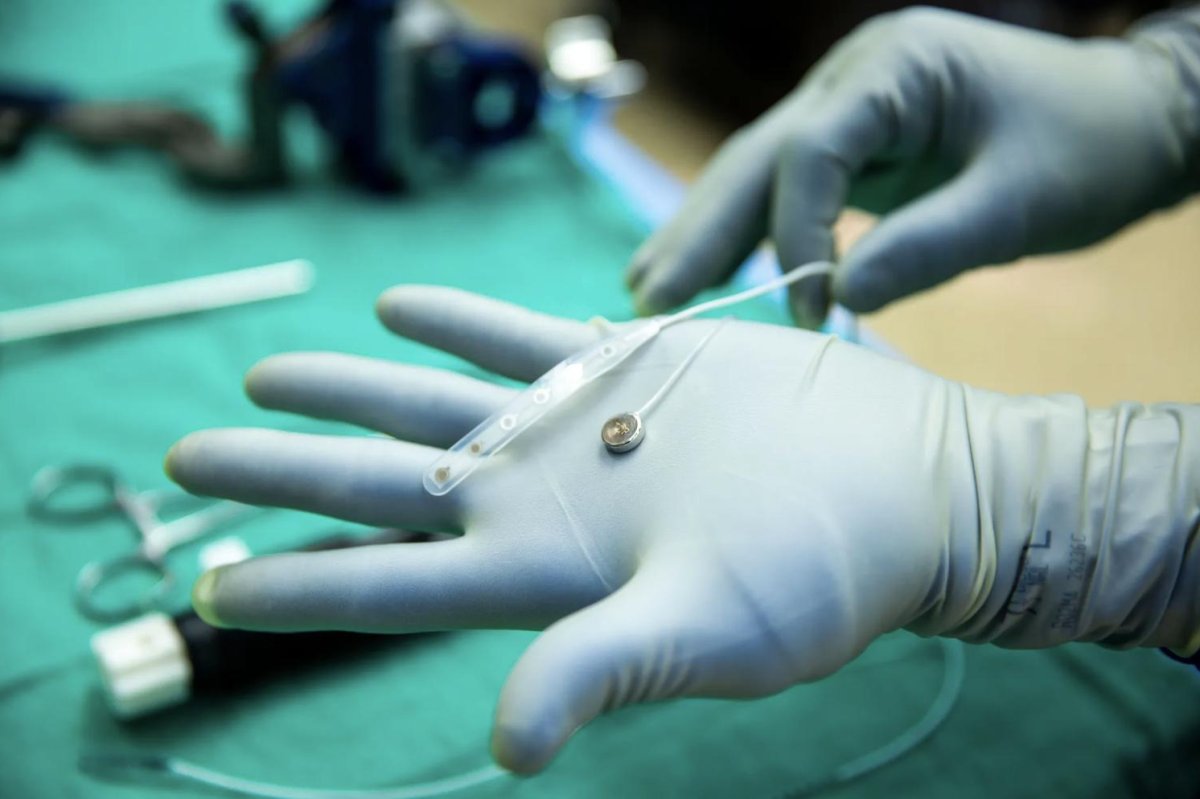
Paradromics, a competitor of Neuralink, announced Monday it safely implanted a brain-computer interface into a human patient last month at the University of Michigan, and recorded neural activity before removing it 10 minutes later. Photo by University of Michigan
June 2 (UPI) -- Paradromics, a competitor of Neuralink, announced Monday it safely implanted a brain-computer interface into a human patient and recorded neural activity, before removing it 10 minutes later.
The surgical procedure, performed May 14 at the University of Michigan, marks the first time Paradromics has temporarily implanted its device -- called Connexus -- into a human with the goal of restoring neural signals in patients with spinal cord injuries, stroke or ALS. Until last month, the Austin-based startup had only implanted and tested the device on sheep.
"We've shown in sheep that our device is best in class from a data and longevity standpoint, and now we've also shown that it's compatible with humans," Matt Angle, Paradromics founder and chief executive officer, told CNBC.
Last year, Elon Musk's Neuralink became the first to implant a brain-computer interface into a human patient. Noland Arbaugh, who was paralyzed in an accident in 2016, received "the Link" implant in January 2024. Since then, Arbaugh has been using it for up to eight hours a day and is able to do a variety of digital tasks.