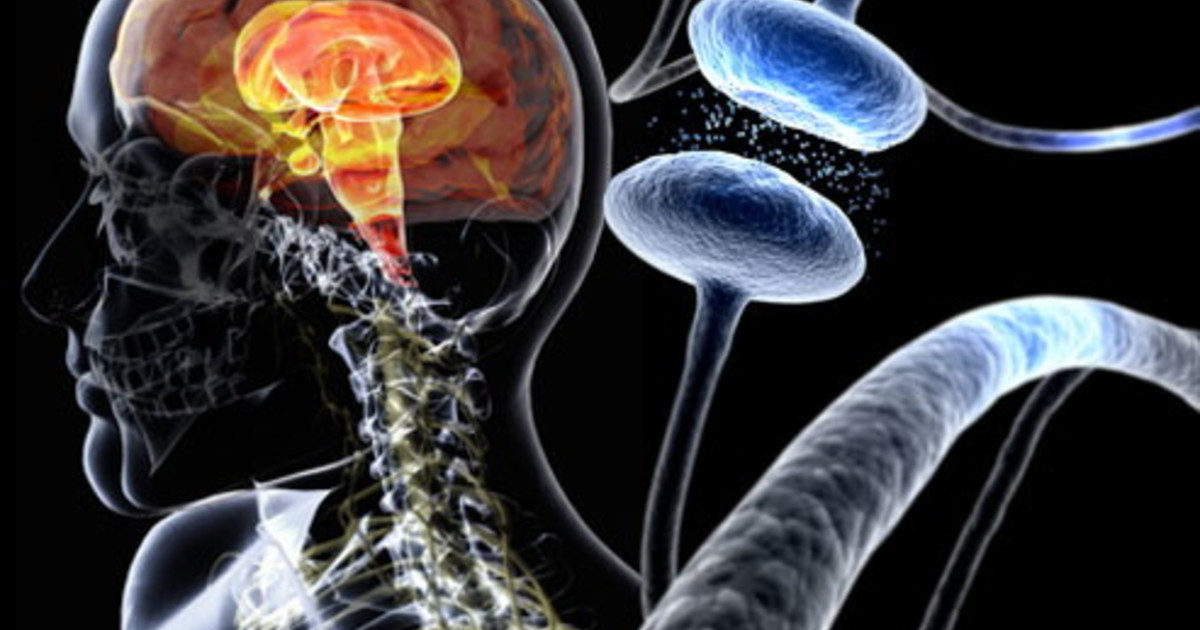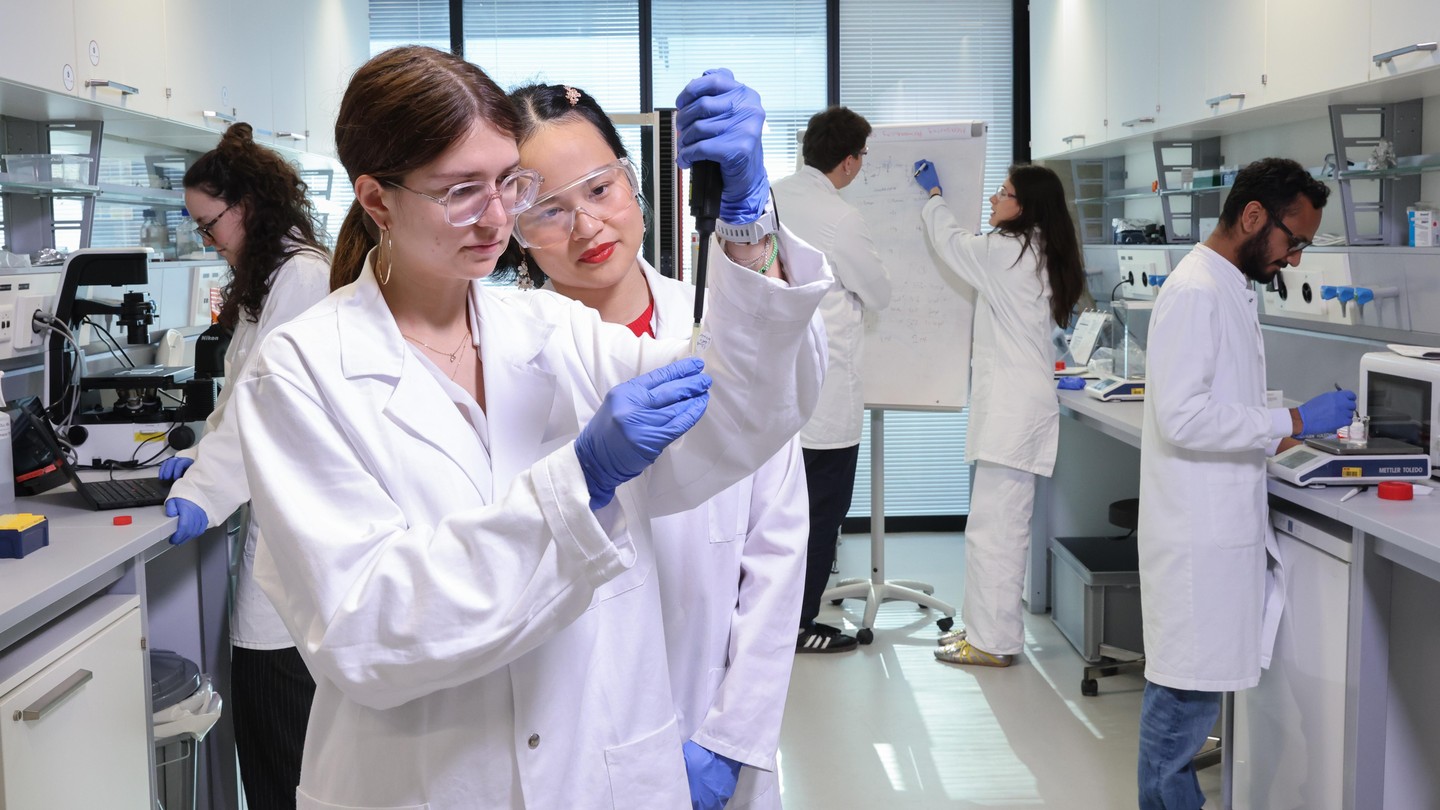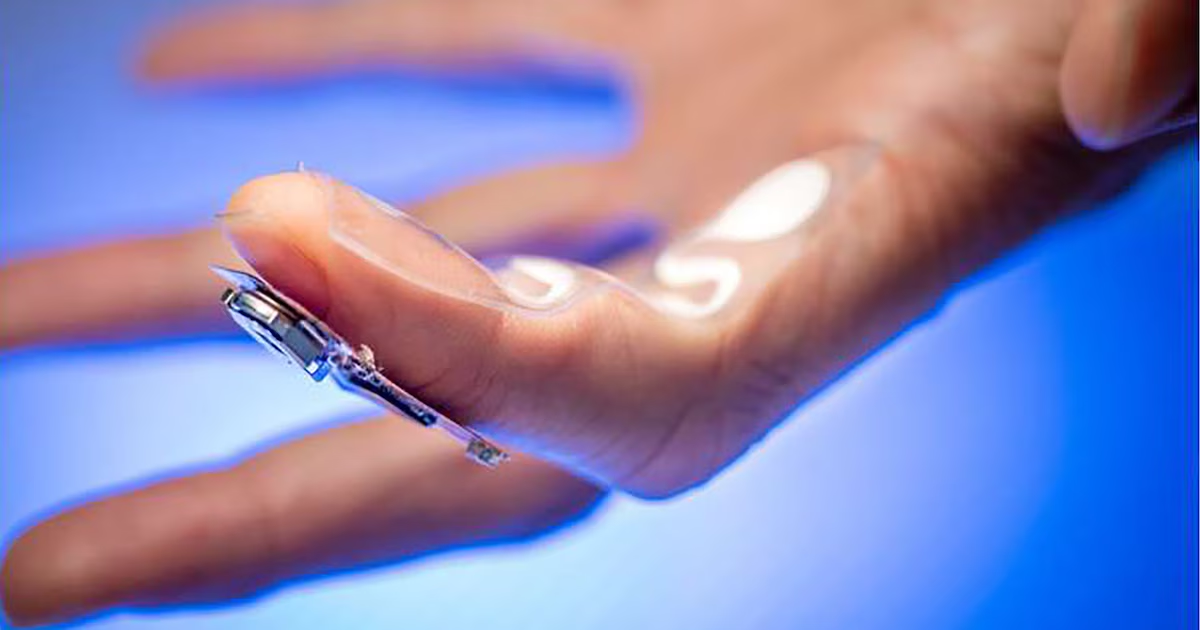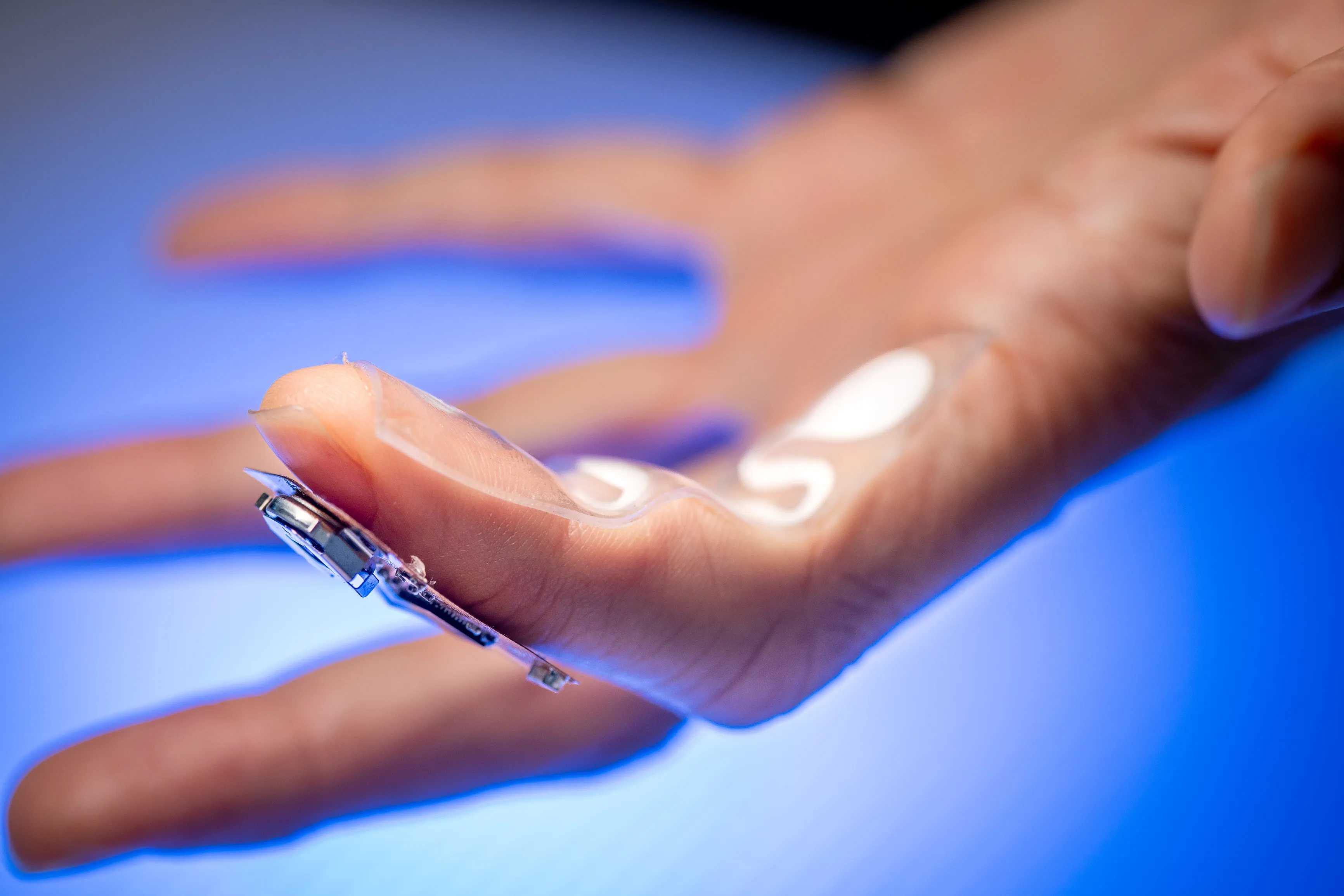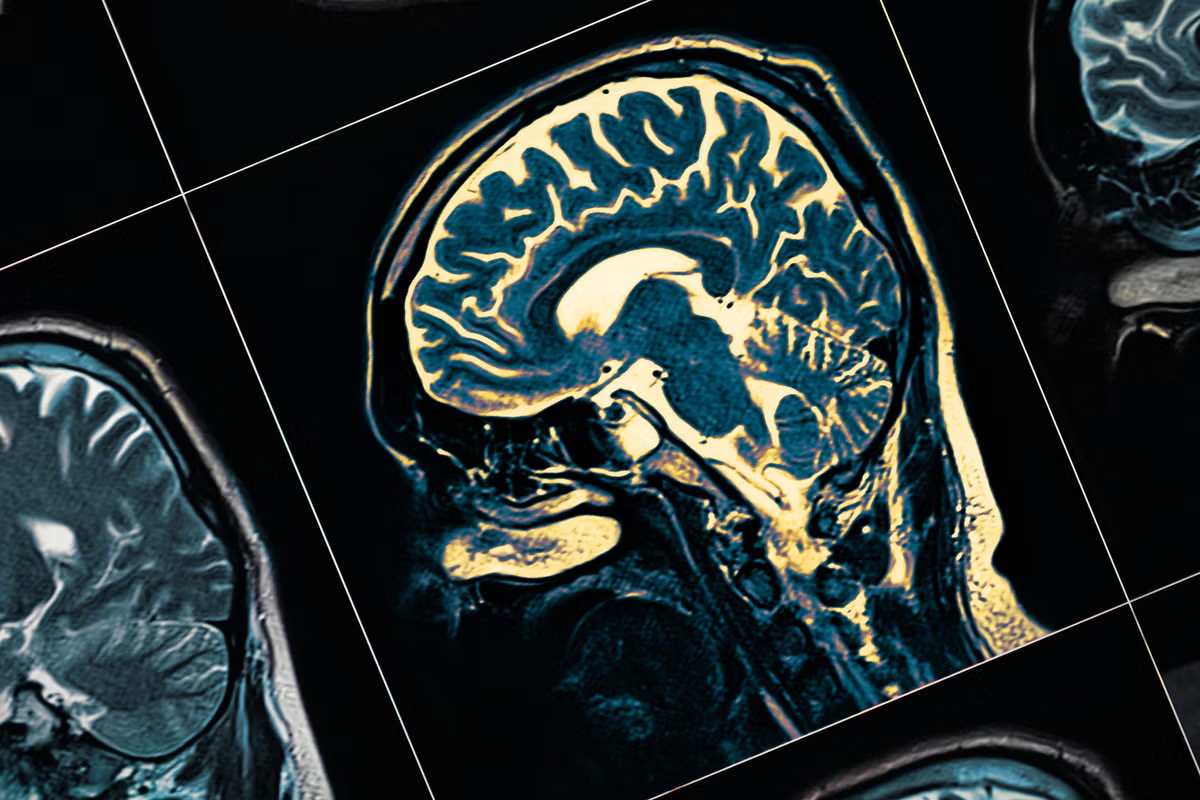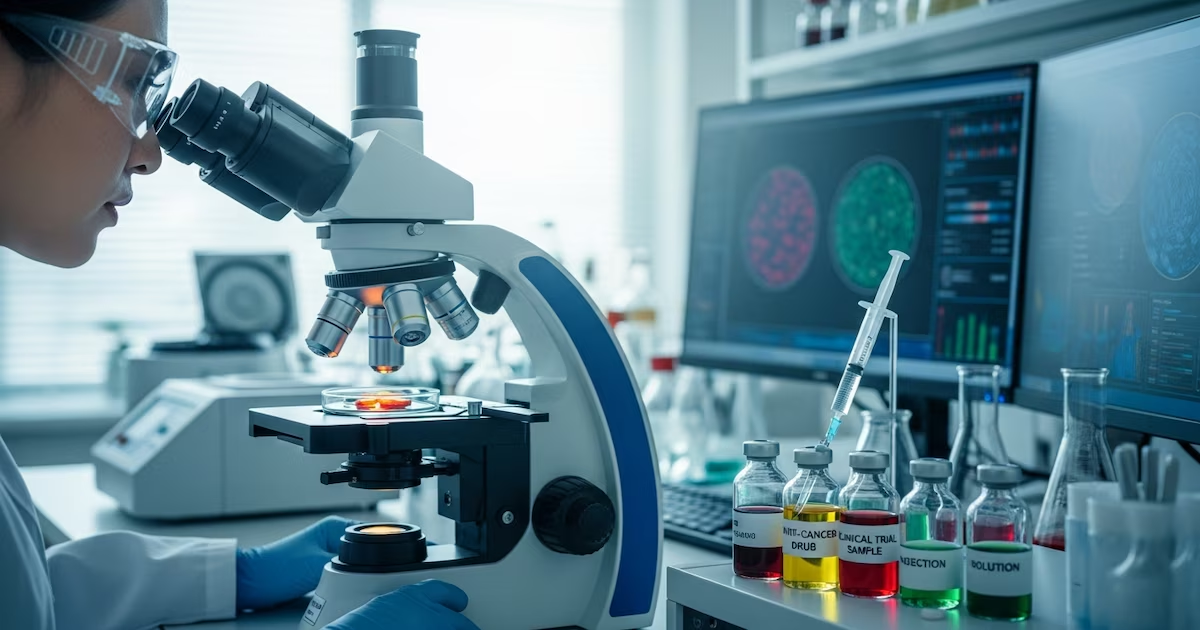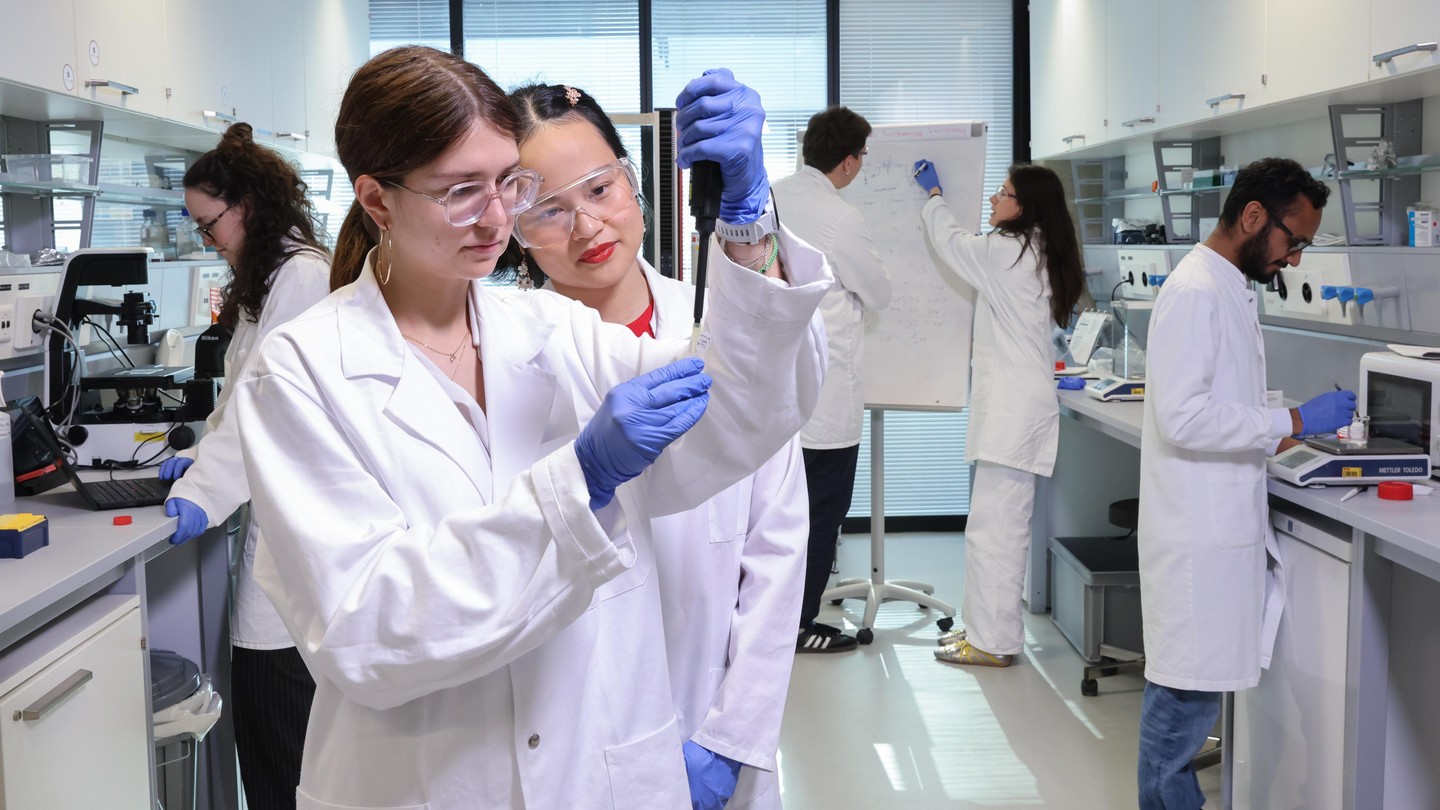
Members of the BioSense EPFL student association are developing a biosensor that can continuously measure levodopa concentrations in people with Parkinson’s disease. The association is set to unveil its prototype this Thursday, June 25th, at a symposium held at the SPOT.“The right dose at the right time.” That’s the motto driving the team of around a dozen students developing the biosensor, which they plan to enter in this year’s SensUs competition – an international event that will be held at the Eindhoven University of Technology from 24 to 28 August. Their innovative device stands to improve the lives of people suffering from Parkinson’s, one of the most common neurodegenerative diseases worldwide. The team is part of BioSense EPFL, a student association with approximately 50 members from a variety of disciplines.The biosensor is designed to continuously measure the concentration of levodopa in patients’ interstitial fluid, which is the fluid in the spaces between cells. Levodopa is the drug most often prescribed to manage the symptoms of Parkinson’s and has proven to be highly effective, but over time it becomes increasingly difficult to find the right dosage. “If it’s too low, the drug is ineffective, but if it’s too high, it can lead to dyskinesia, or involuntary muscle movements,” says Alixe Kirbihler, a life sciences engineering student and one of the two team leaders, along with Niel Mistry, a robotics student. “Yet there’s currently no way to constantly monitor the drug concentration within the body.” What’s more, the right dosage varies considerably from patient to patient based on many factors including diet and exercise.(Left to right) (De gauche à droite) Niel Mistry, Silvia Bonati, Tran Nguyen, Sascha Rivera, Alixe Kirbihler and Lucia Zedgitt © 2026 EPFL/Alain HerzogDaring to innovateThe project team is consulting with doctors and patients as they develop their device, so that it meets as many of their needs as possible. The team is backed by EPFL’s MAKE program and a number of the School’s research groups, and it’s sponsored by two local non-profit organizations: Défi Parkinson and Parkinson Move. “We’re testing the use of aptamers, which are synthetic DNA strands designed to bind to levodopa molecules, causing the strands to change shape and acquire a negative charge that alters the electrode current,” says Mistry. The team members point out that it’s a novel approach and necessarily “risky.” But they’re prepared to spend their summer on it.In any case, students in BioSense EPFL aren’t fazed by long hours. The device for the SensUs competition is just one of several projects under way. “We believe it’s important to boost the visibility of bioengineering and share discoveries in this area,” says Tran Nguyen, a biomedical engineering student and the association’s president. For instance, two other members – Silvia Bonati and Lucia Zedgitt, both life sciences engineering students – just spearheaded the organization of BioSensing Days, a two-day event packed with expert talks and panel discussions on the topic of biosensing, with speakers from both academia and industry.In addition, the association set up an R&D group this year. “We’re currently testing a method for producing electricity from glucose to serve as a power supply for biosensors, and we’re working on a sensor to detect endometriosis,” says Sascha Rivera, a quantum science and engineering student and head of the R&D group. “I really enjoy being part of the association – the driving spirit is aligned with my values. We all want to use our skills to help people live better.” The goal is to make a difference where it matters most. “The right dose at the right time.”The BioSense team would like to thank: Association Défi Parkinson, Parkinson Move, Prof. Hatice Altug and Jiayi Tan (BIOS), Dr. Anne-Laure Mahul Mellier (D’Angelo Lab), Prof. Nako Nakatsuka, Alexandra Banbanaste, Lianxin Xu, Sandra Hernández Escobar, Dr. Emily Schafer and Dr. Minh Dat Nguyen (CHEMINA), Prof. Sandro Carrara, Francesca Rodino and Roberta Grasso (BCI), Dr. Christophe Galland (LQNO), Prof. Yves Bellouard (Galatea Lab), Prof. Edoardo Charbon (AQUA), Catherine Edelmann Esseiva et EPFL MAKE.
Biosensor can improve the management of Parkinson's
Members of the BioSense EPFL student association are developing a biosensor that can continuously measure levodopa concentrations in people with Parkinson’s disease. The association is set to unveil its prototype this Thursday, June 25th, at a symposium held at the SPOT.
665 words~3 min read