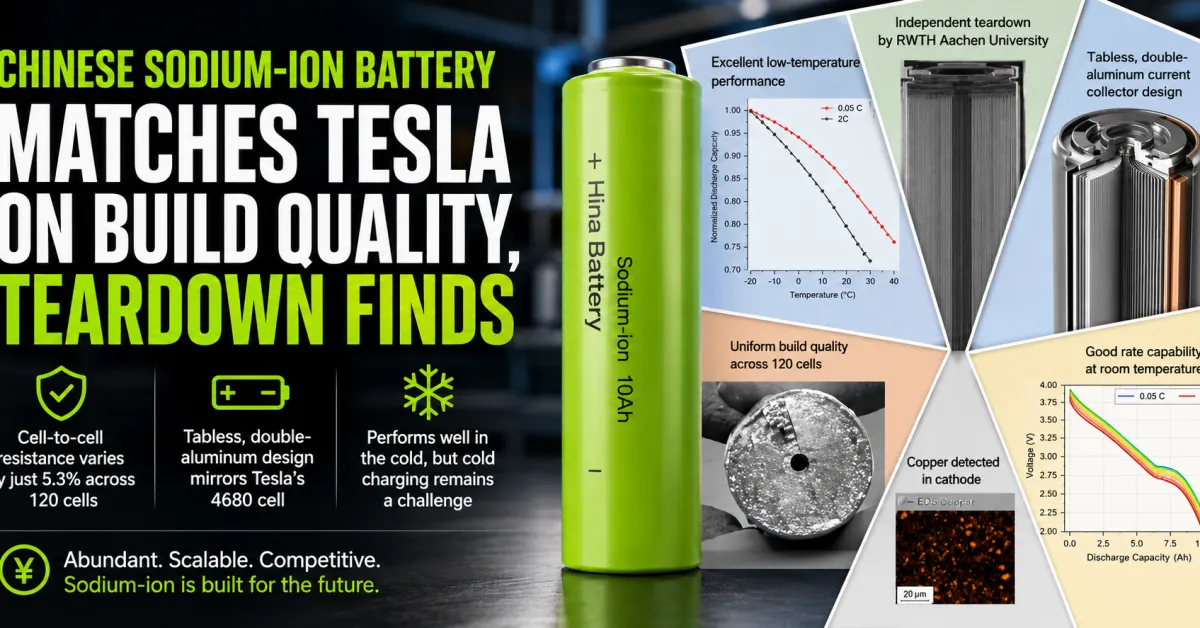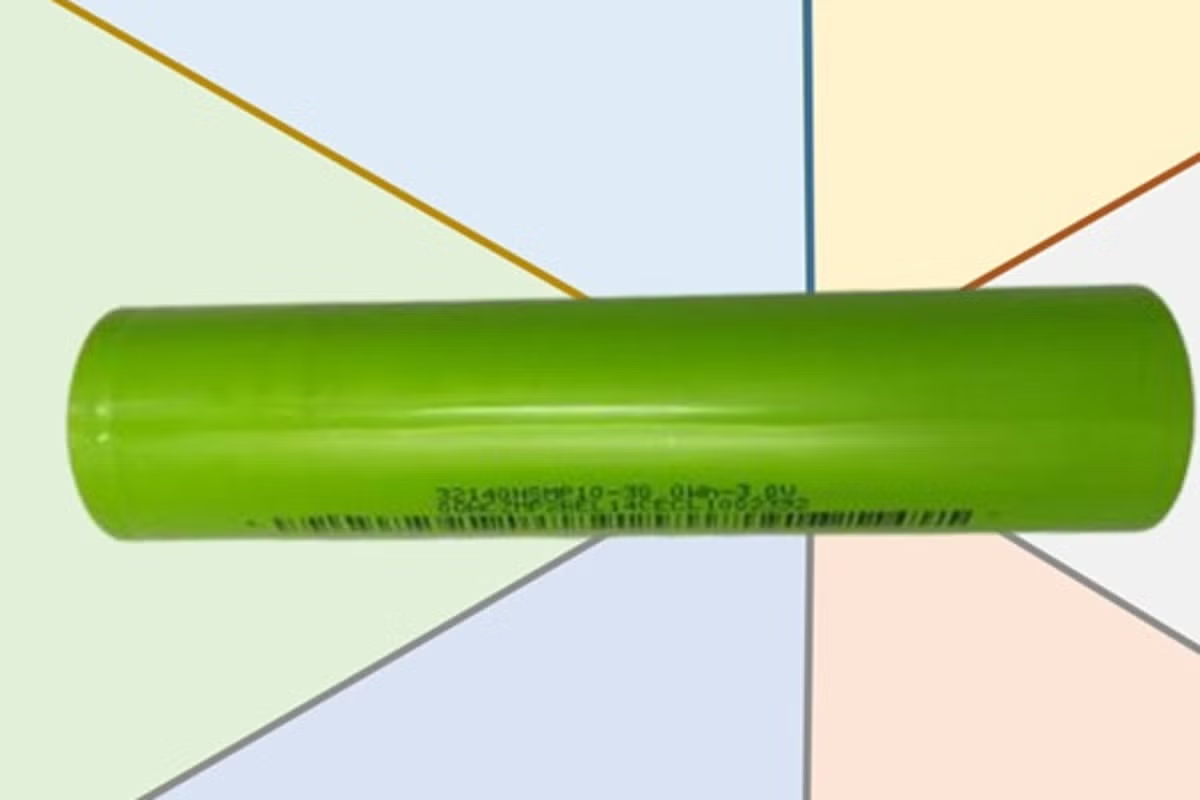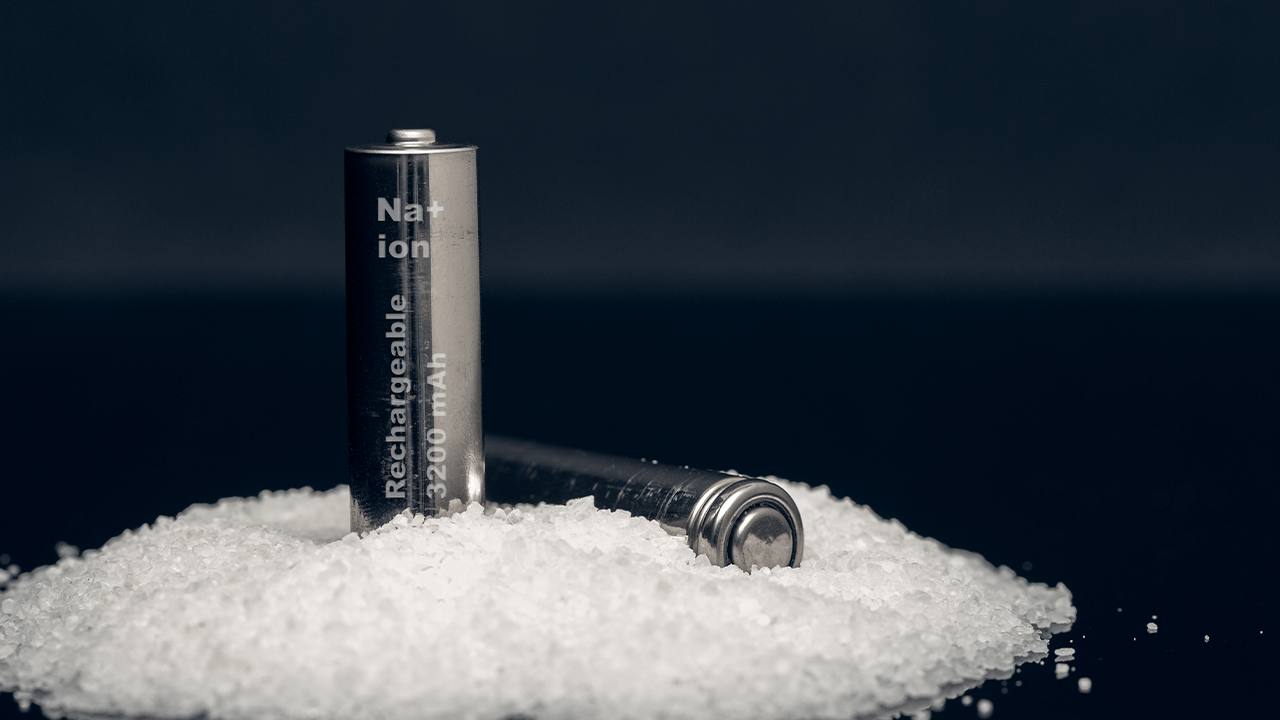
A widely used sodium-ion battery developed by Chinese manufacturer Hina has achieved performance and manufacturing quality levels comparable to Tesla's lithium-ion batteries, according to research published in the Cell Press journal Cell Reports Physical Science.
The findings suggest sodium-ion technology could become a lower-cost alternative for future electric vehicles and large-scale energy storage systems. To reach that goal, however, the battery will need further improvements in low-temperature charging and energy density. Unlike lithium, sodium is abundant and readily available, making it an attractive material for reducing battery costs and supply chain concerns.
"The combination of good uniformity, high power capability, and strong low-temperature performance makes these cells attractive for stationary storage, grid services, and shorter-range or commercial vehicles where potential lower cost and resource availability matter more than maximum driving range," says Moritz Schütte, a battery researcher at RWTH Aachen University in Germany.
Comparing Sodium-Ion Batteries With Tesla Technology
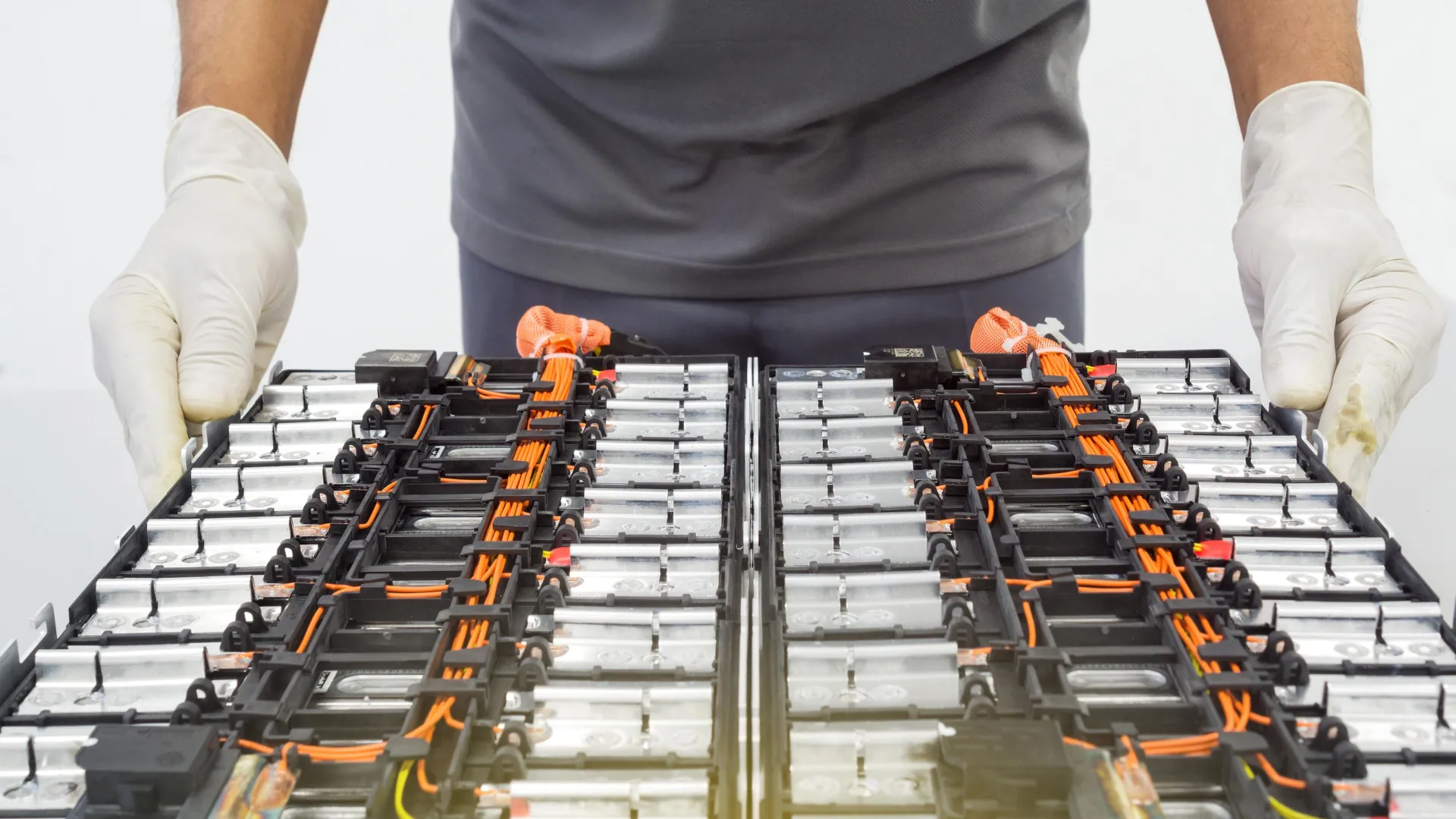
To evaluate the Hina battery, Schütte and colleagues examined 120 sodium-ion cells using impedance spectroscopy, a non-destructive method that measures battery uniformity.