TL;DRLu Yaxiang’s sodium battery charges in 4 minutes, retains 90% after 2,000 cycles. CATL and Gotion are scaling production. China imports 75% of its lithium.
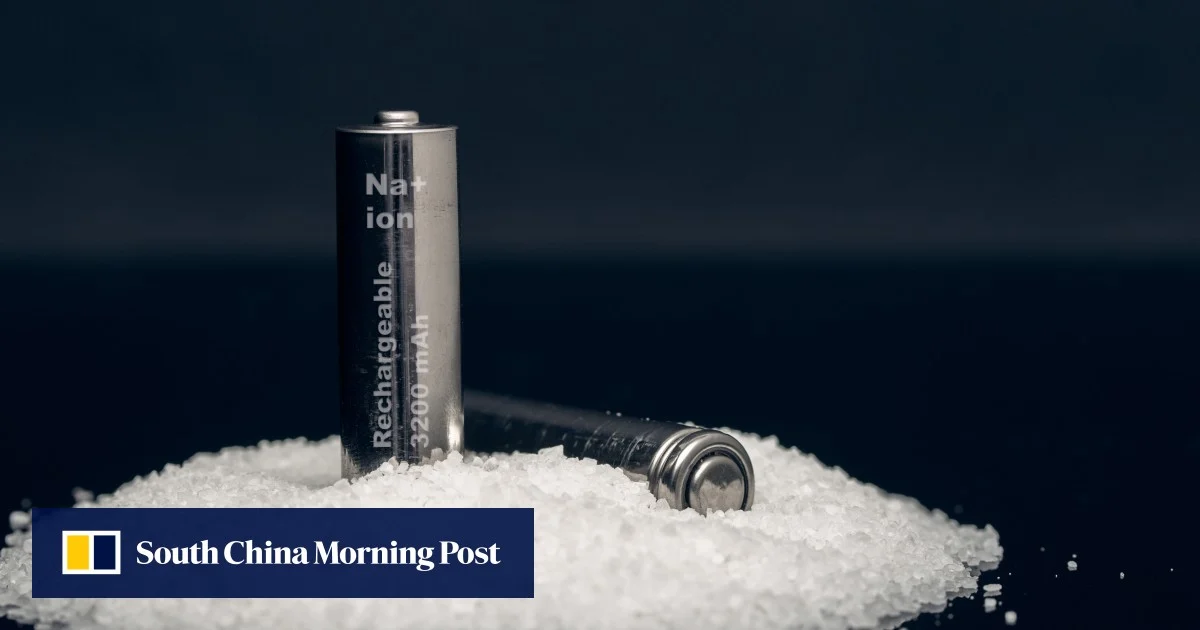
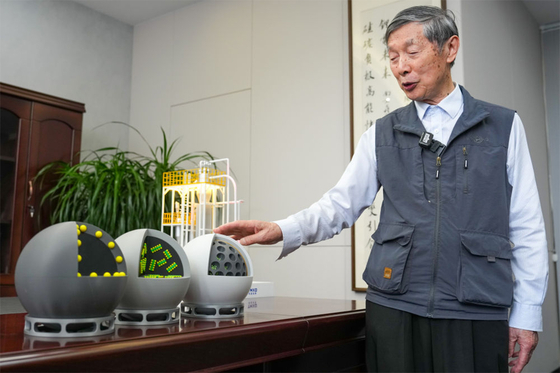
Lu Yaxiang, a professor at the Chinese Academy of Sciences’ Institute of Physics, has spent a decade making sodium-ion batteries commercially viable. In April, he received China’s Youth May Fourth Medal, the country’s top honour for outstanding achievers under 35, for developing a sodium metal battery that charges in roughly four minutes, retains 90% capacity after 2,000 cycles, and works using a quasi-solid gel electrolyte that functions even when repeatedly bent.
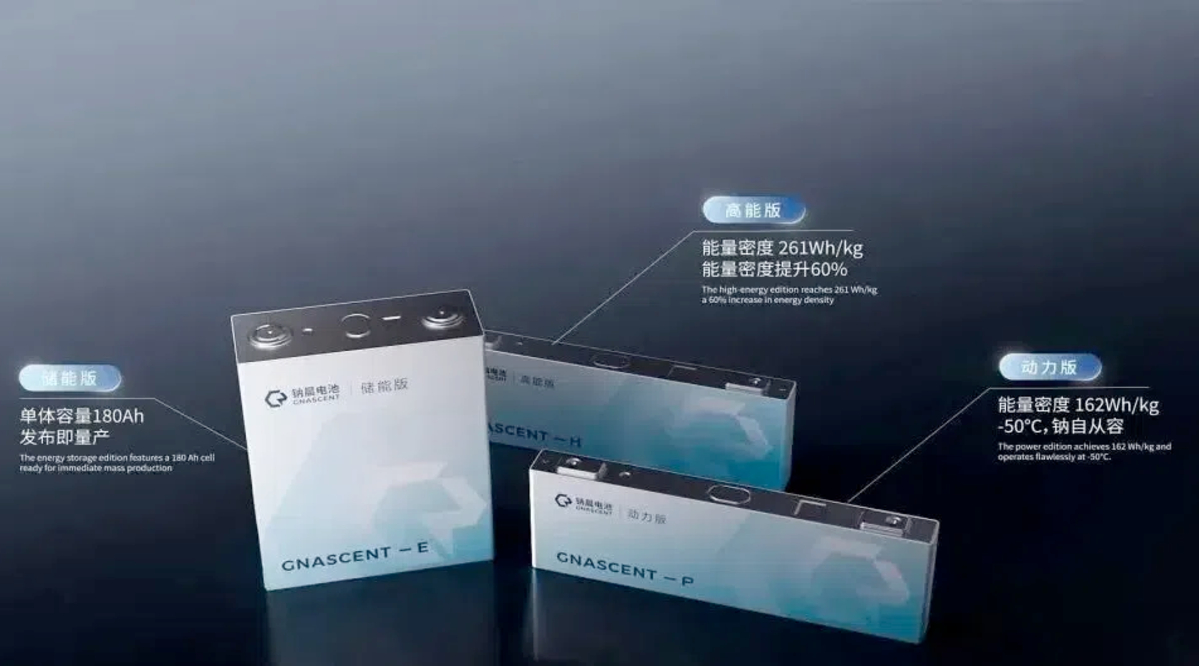
The breakthrough matters because China imports 75% of its lithium. Sodium is 500 times more abundant, can be extracted from seawater, and costs a fraction of what lithium does. Lu’s work is part of a broader Chinese push to build battery technology that does not depend on foreign supply chains. Separately, Gotion unveiled sodium battery products with 261 Wh/kg energy density and 20,000 charge cycles in May, approaching performance levels that make sodium competitive with lithium iron phosphate for many applications.
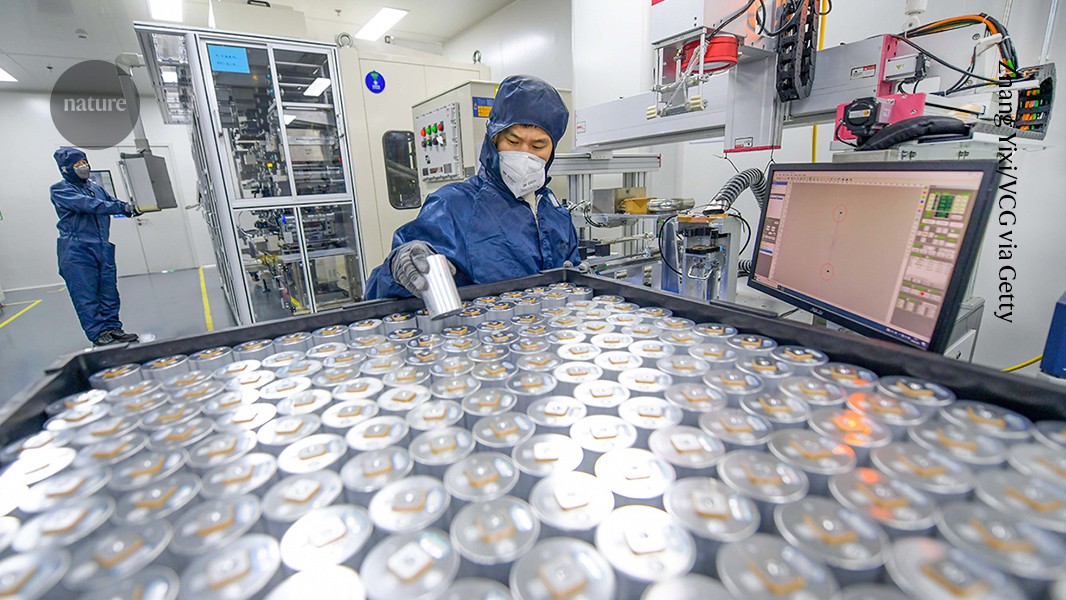
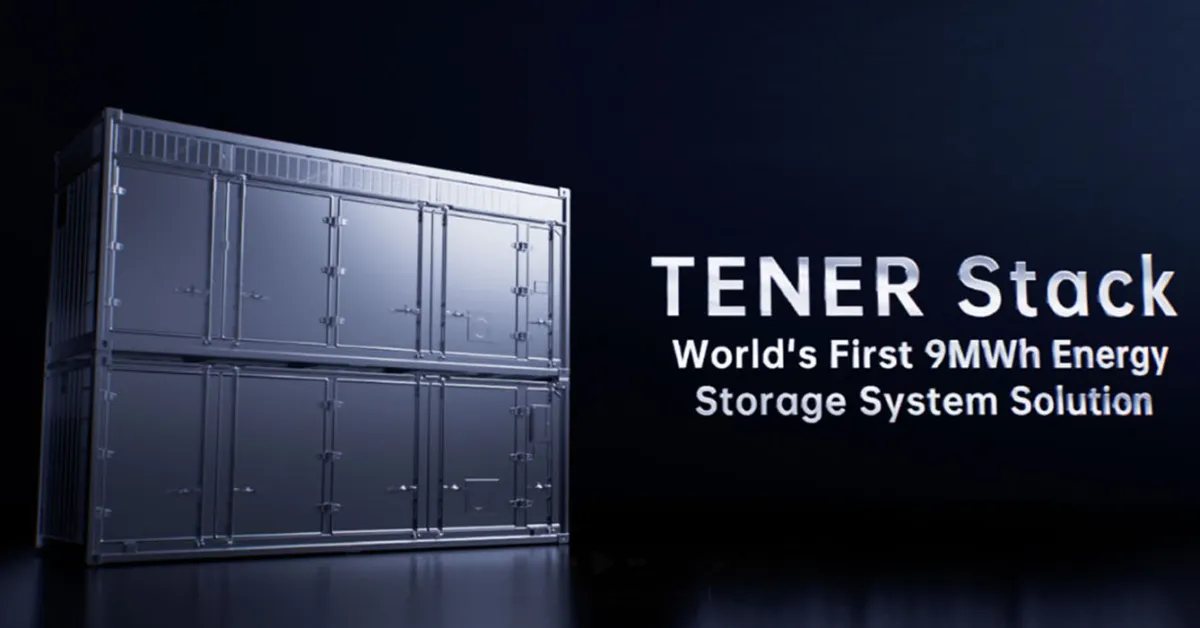
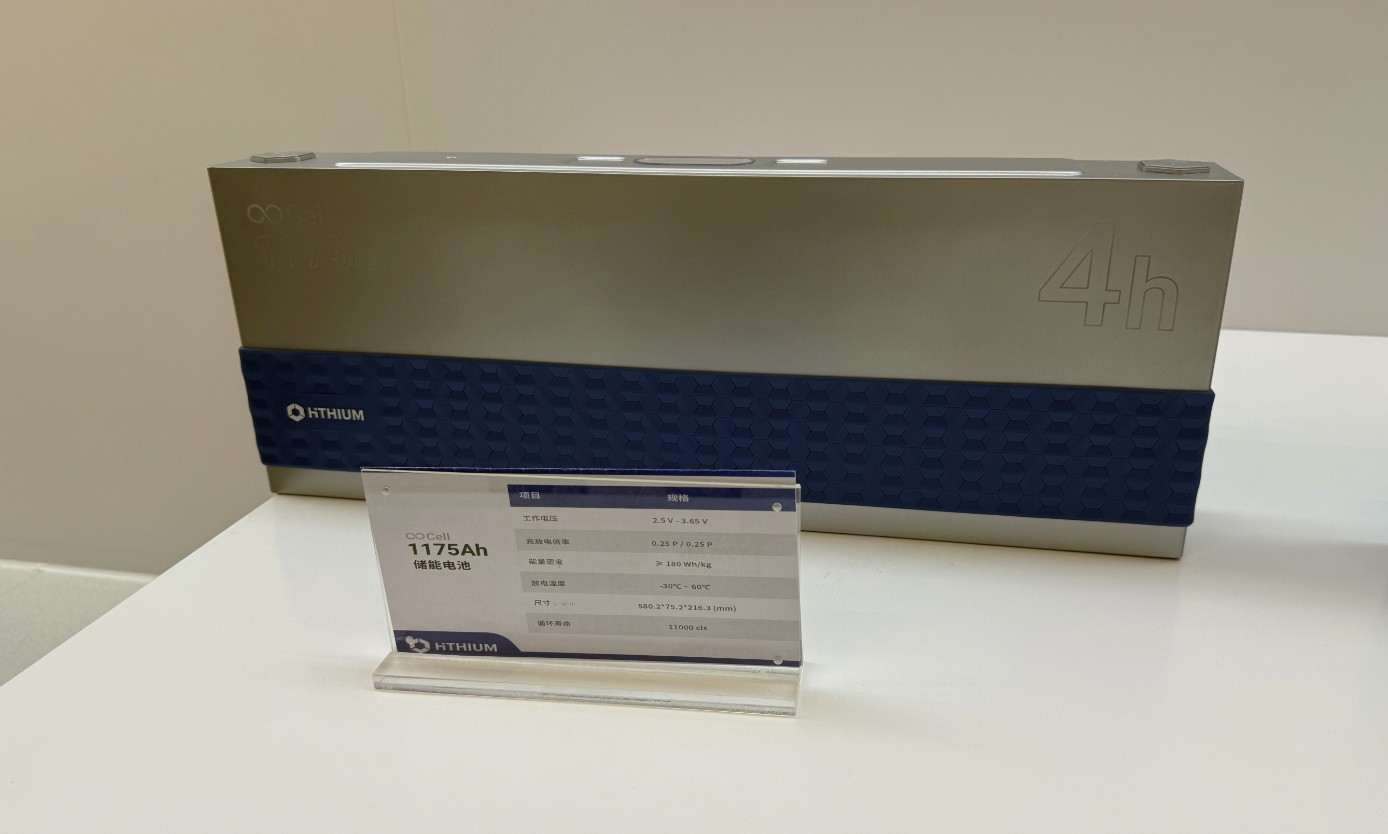
The technology is already at grid scale. A sodium battery station the size of 15 football fields is feeding a Chinese power grid, storing energy for 12,000 homes. CATL signed a deal to provide 60 GWh of sodium batteries for energy storage in Ningde, Fujian. MIT Technology Review named sodium-ion batteries one of its 10 Breakthrough Technologies of 2026. China has a pattern of scaling domestic alternatives when foreign supply chains become unreliable, and the sodium battery push follows the same logic as its memory chip expansion.