Support CleanTechnica's work through a Substack subscription or on Stripe.
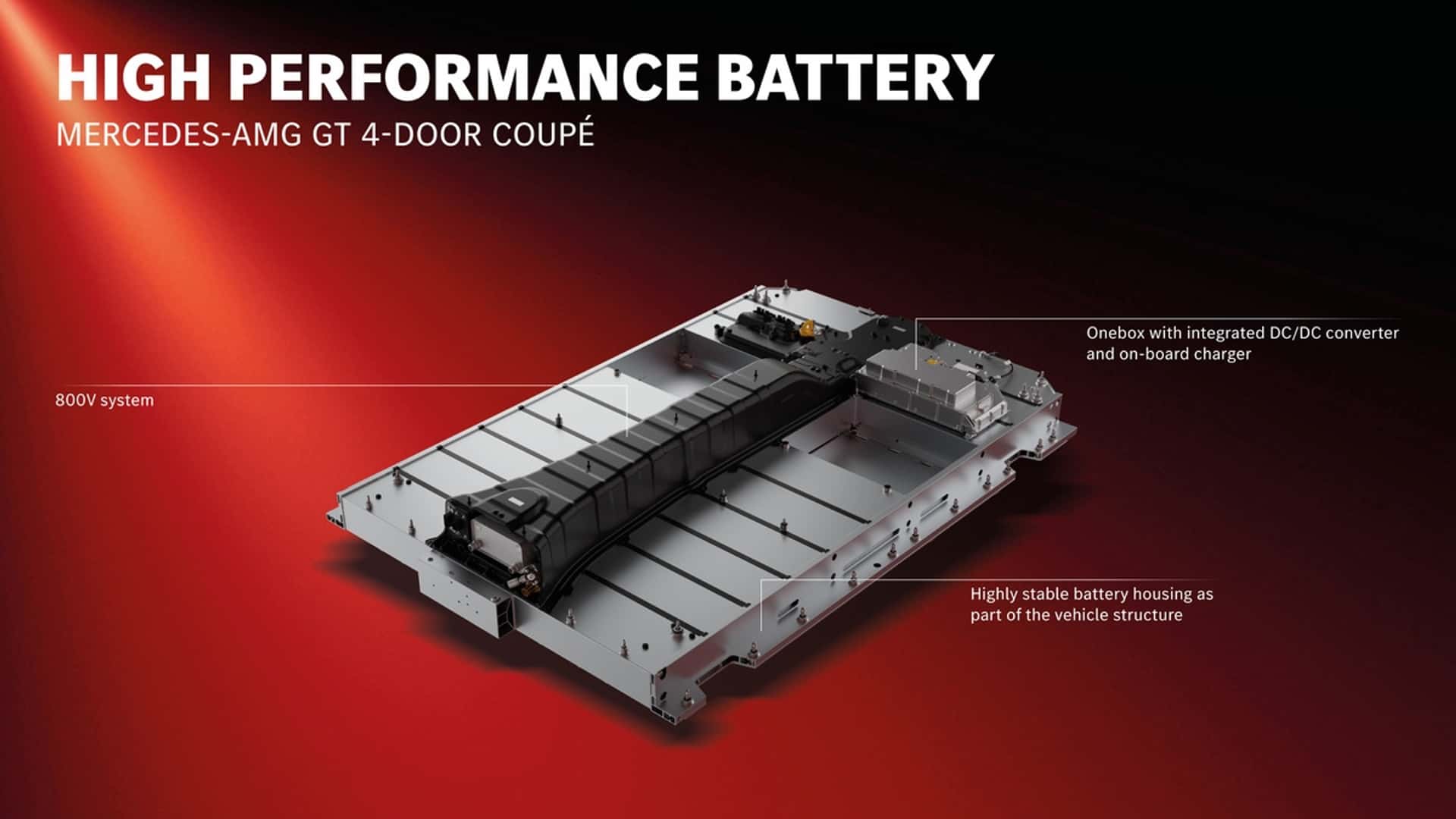
Yesterday, we published a story about the new Mercedes AMG GT Coupe, a car that features a lot of high-tech advances like its aluminum-jacketed, laser-welded, silicone-anode NMCA cells that are unusually tall and narrow at 10.5 cm high and 2.6 cm wide. Put all that latest battery tech together and you get a battery rated at 298 Wh/kg. That’s at the high end of what is possible in lithium-ion batteries for mass production today.
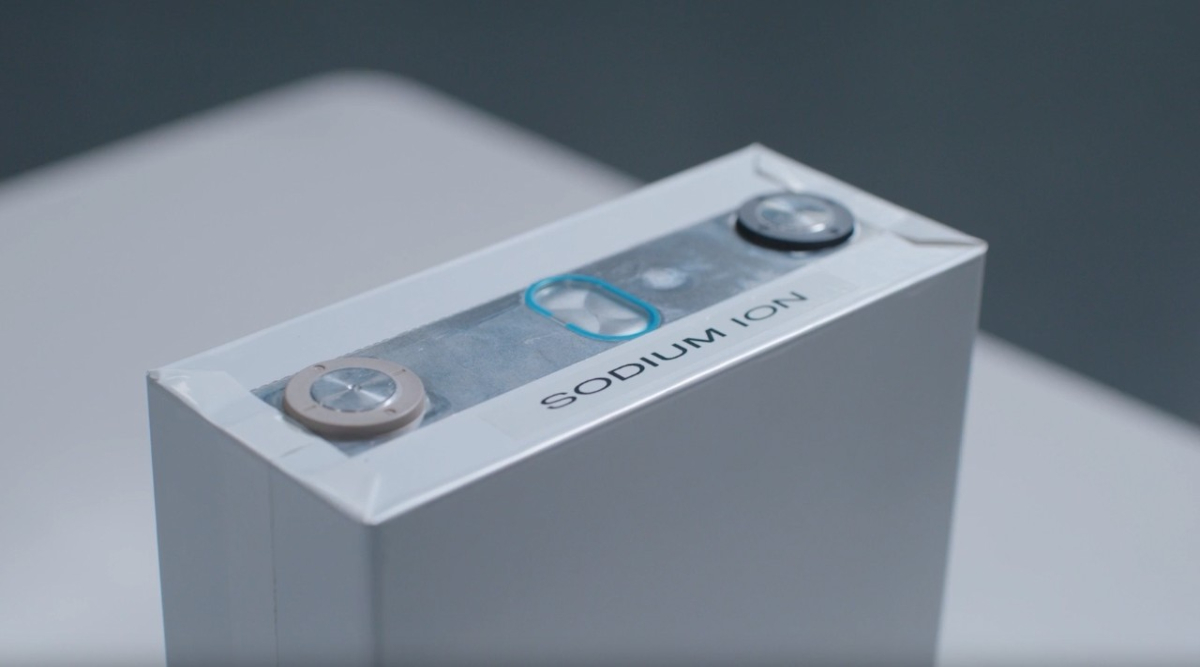
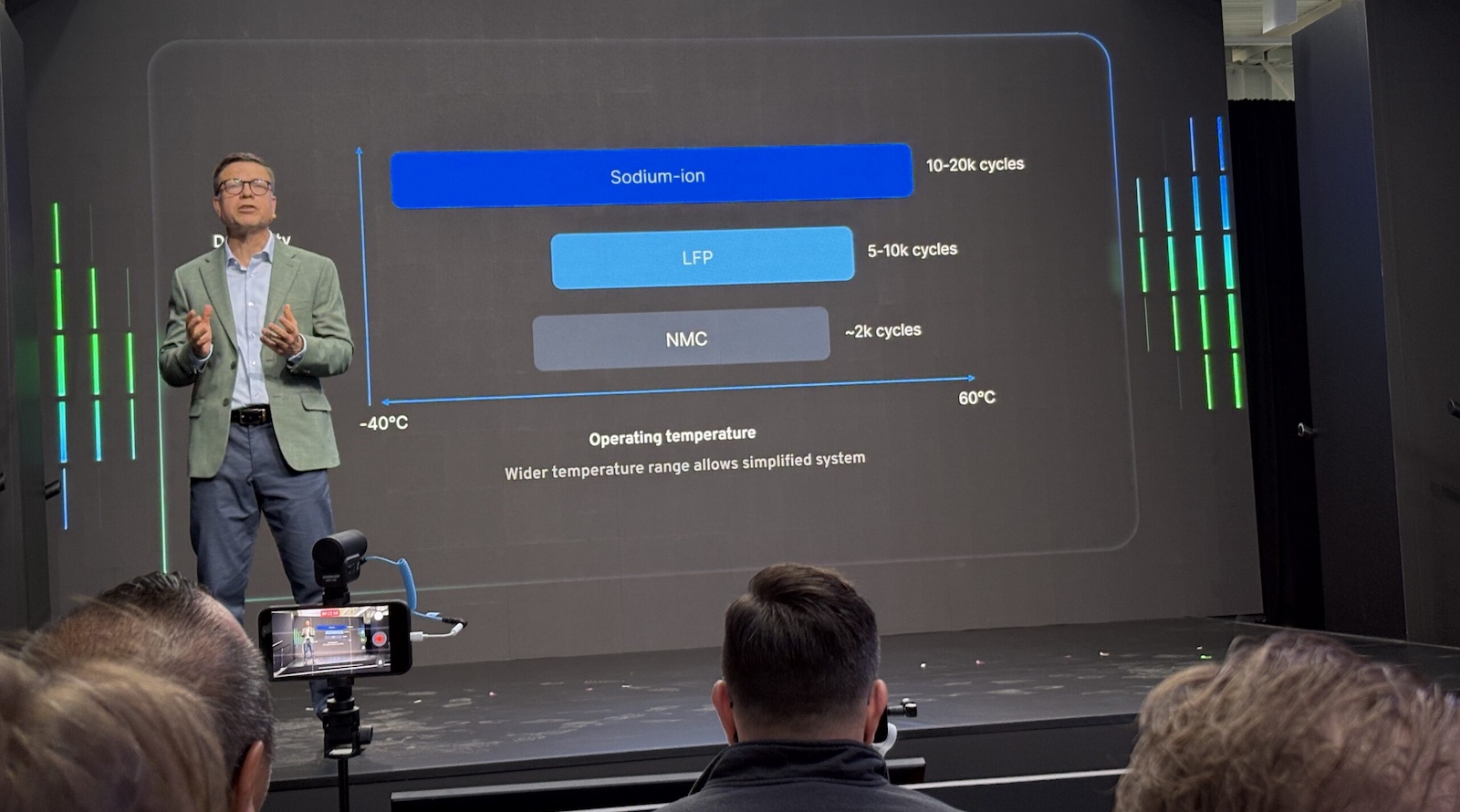
In the past few months, news about sodium batteries, which use no lithium at all, has been everywhere. Last week, Alsym announced it has created grid-scale sodium-ion battery storage systems that require no heating or cooling. Yes, its sodium-ion batteries are less energy dense than the LFP batteries now used by most new BESS systems, but by eliminating the need for thermal management systems, it can pack more cells inside a conventional container to deliver the same total energy storage capacity. Alsym says its battery cells have an energy density of 160 Wh/kg — about half as much as those high-tech NMCA cells Mercedes uses.
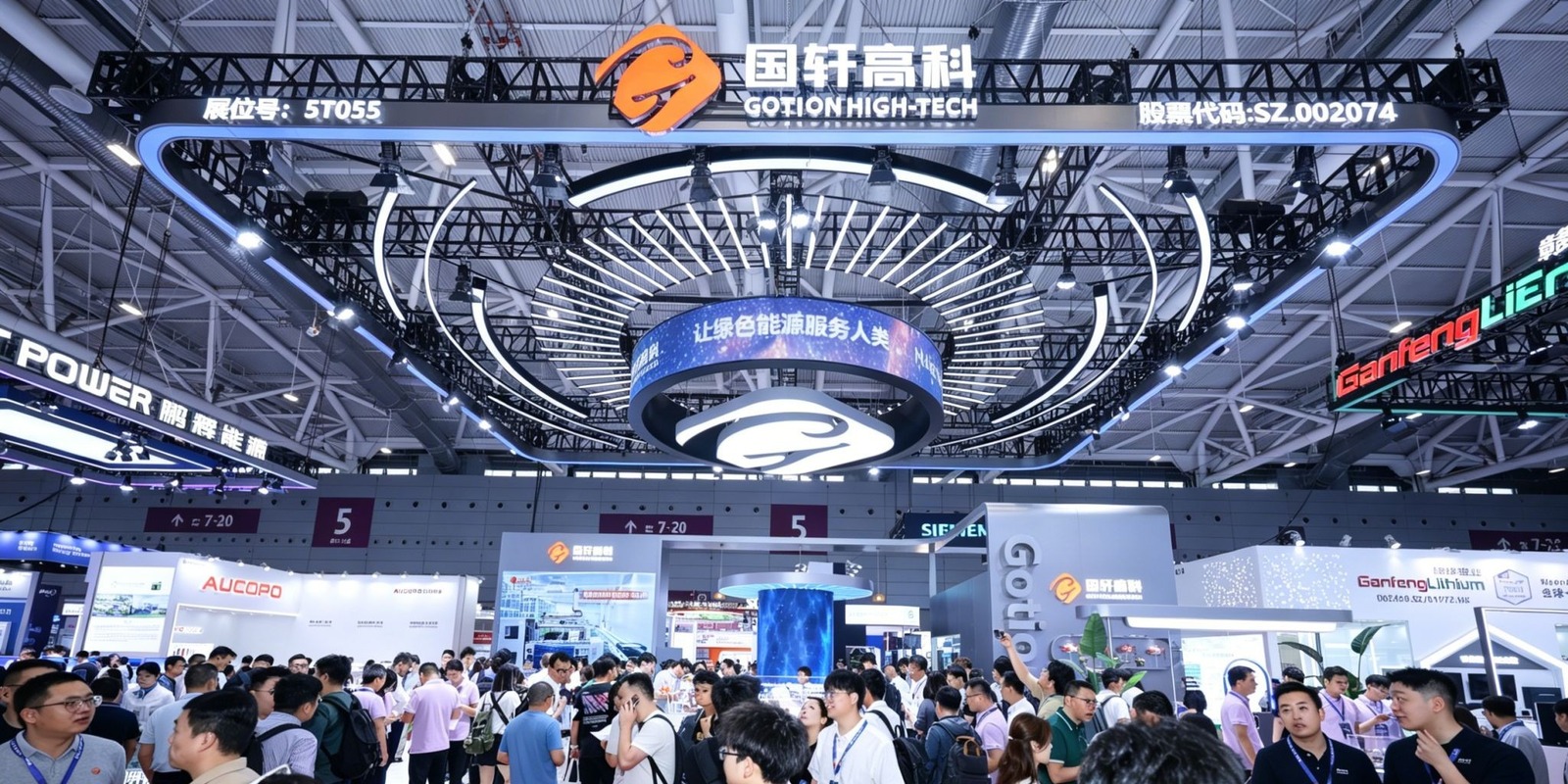
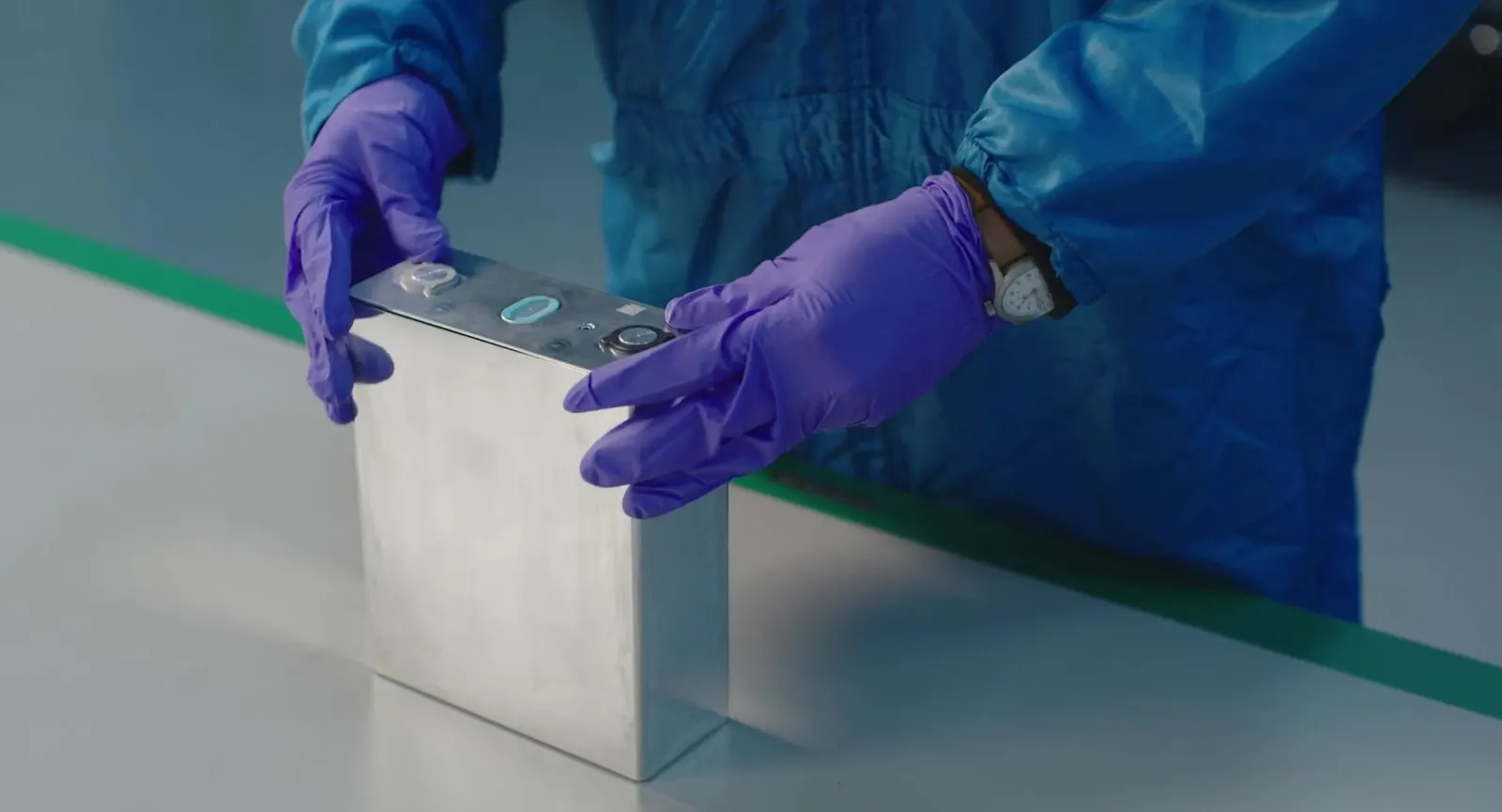
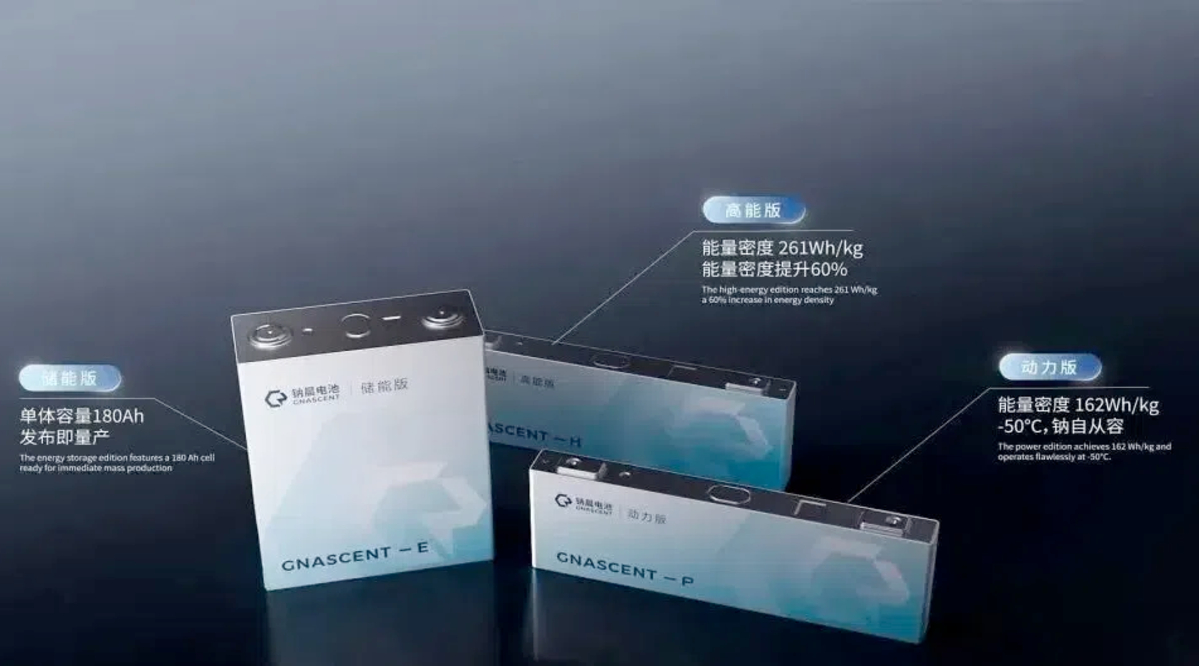
Sodium-ion batteries have a number of benefits — lower cost of materials, greatly reduced risk of fires, less need for thermal management systems, faster charging, and better cold weather performance — but they suffer from one significant disadvantage. They have a relatively low energy-to-weight ratio. So, what to make of the announcement this week that Gotion, a Chinese company backed by Volkswagen Group, said it is ready to start production of sodium-ion batteries that are rated at up to 261 Wh/kg?