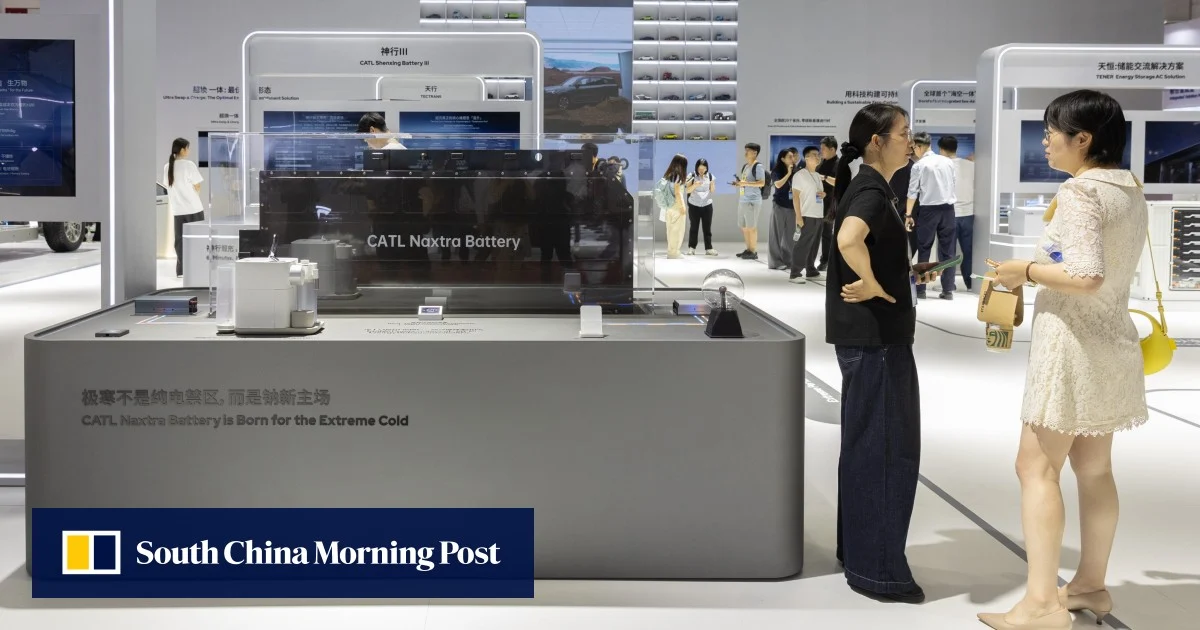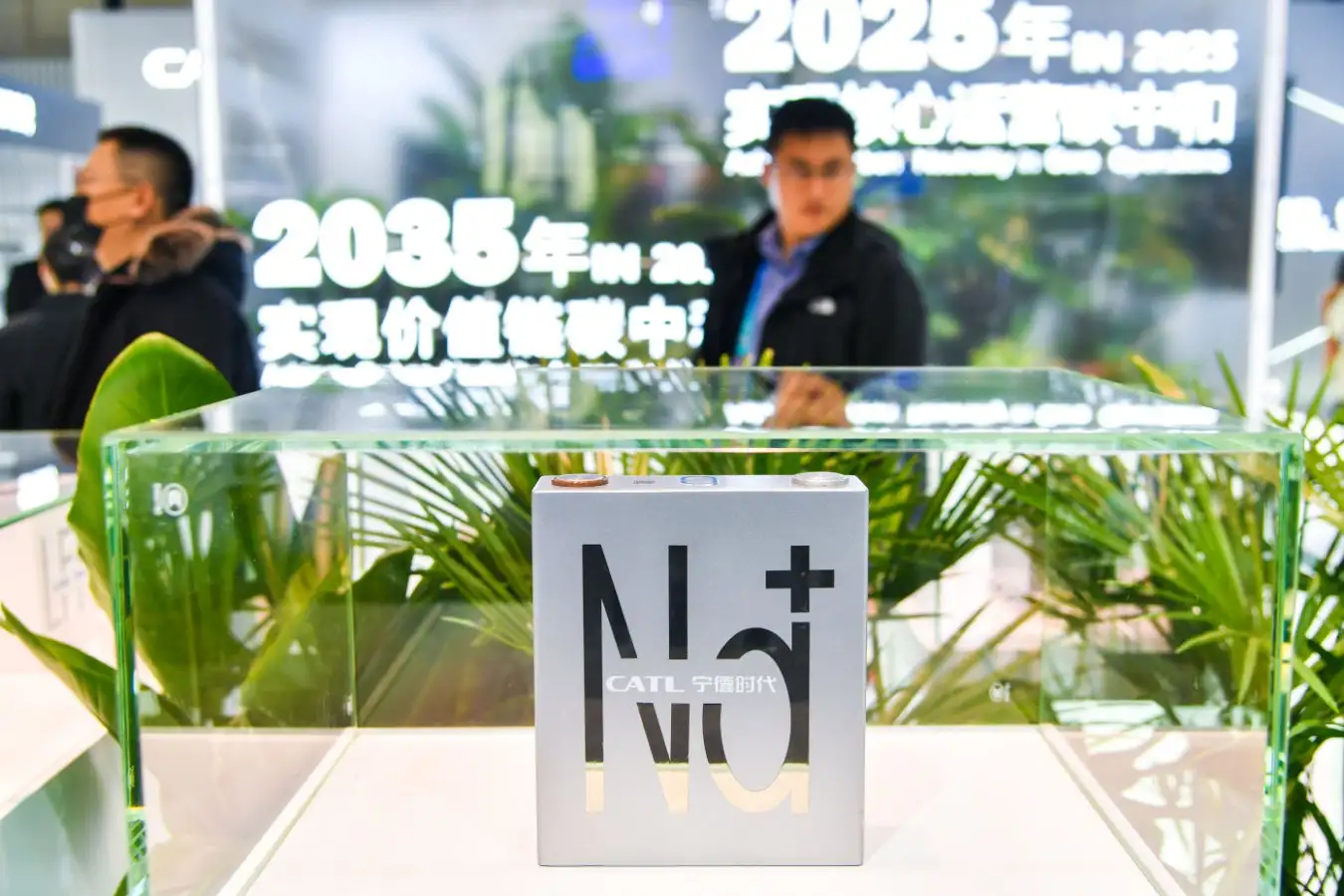
CATL’s sodium-ion battery on display at a trade showVCG/VCG via Getty Images
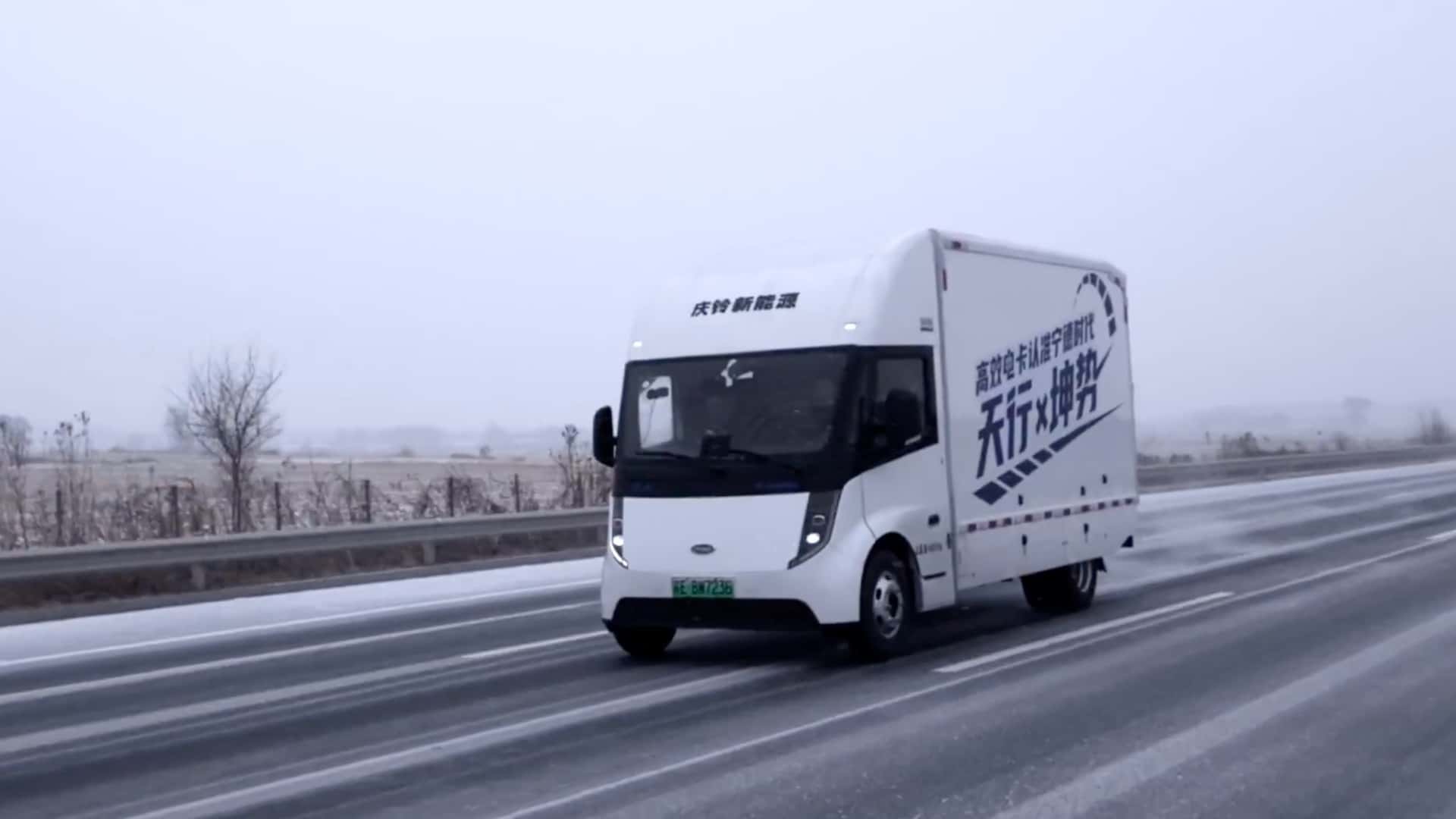
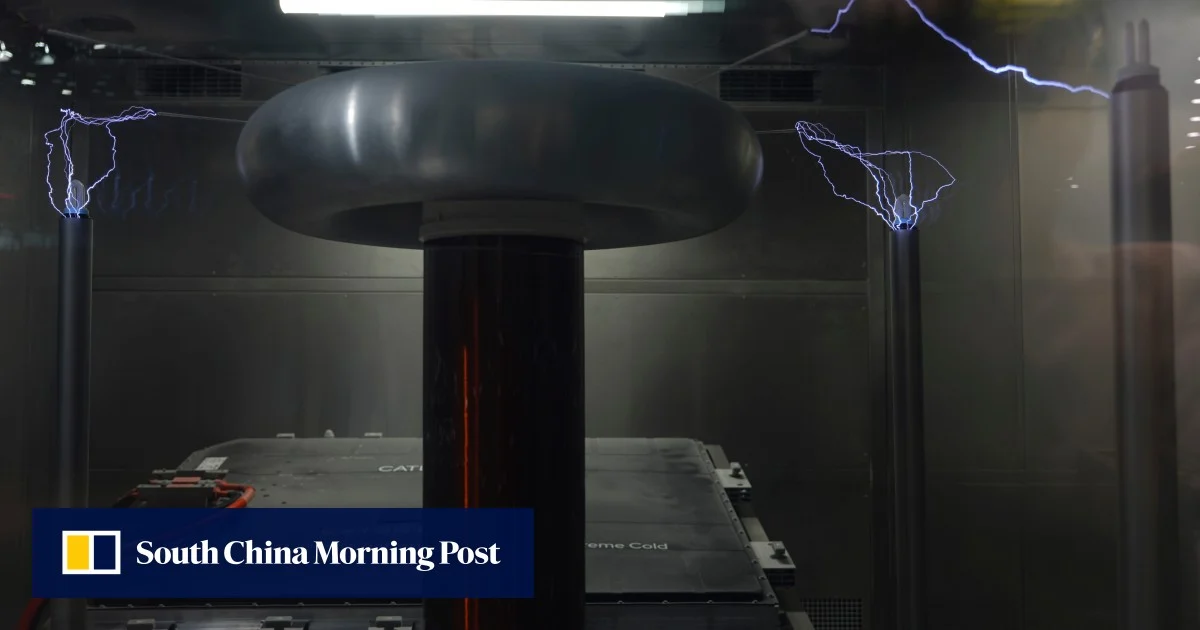
On 5 February, a black sedan was speeding down an icy track in northern China at 95 kilometres per hour when its tyre burst, releasing a puff of white into the -32°C air. The car coasted to a stop without spinning into the snow. This was meant to demonstrate that even the harshest conditions were no barrier to the auto-maker Changan’s new line of electric vehicles, which includes the first mass-produced EV with a sodium-ion battery.
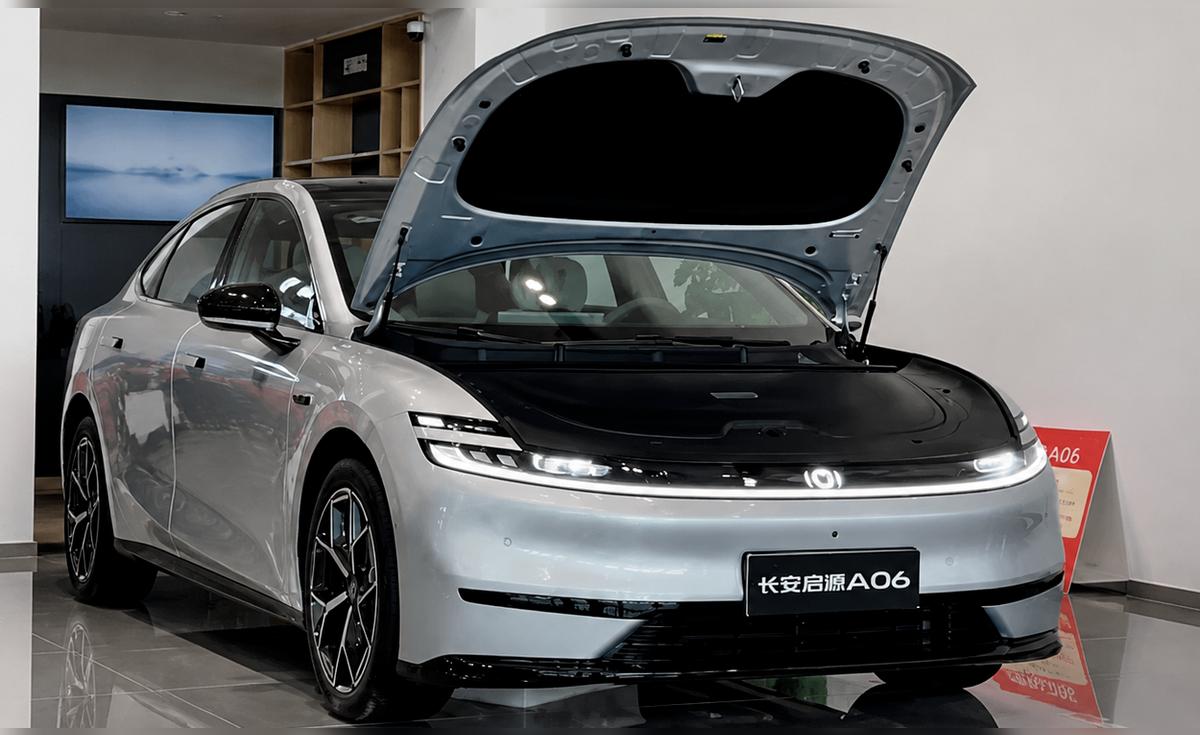
Changan’s Nevo AO6 model is expected to hit the market later this year with a new, more powerful generation of sodium-ion batteries made by energy storage giant CATL.
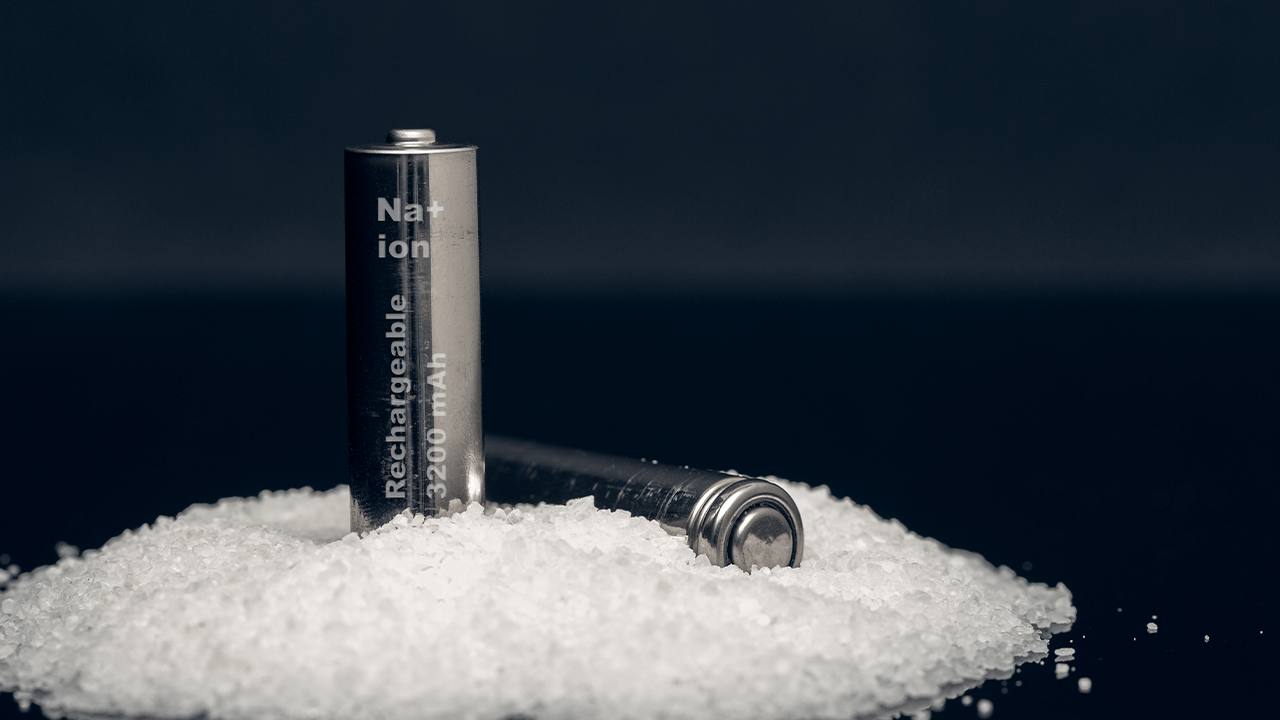
While most rechargeable batteries are made from lithium, a critical mineral, this kind of battery is made from salt, a much more abundant – and therefore cheaper – material. If sodium-ion batteries can perform almost as well at a lower price, they could challenge lithium’s dominance. And that could pave the way for other kinds of batteries, so that someday each type of device might have its own preferred battery chemistry.
“This is just the start of the battery revolution, in which we are going to see a plethora of new batteries coming to the market and targeting special segments,” says Maria Crespo-Ribadeneyra at Queen Mary University of London. “Sodium is the pioneer that can prove that a world beyond lithium is possible.”