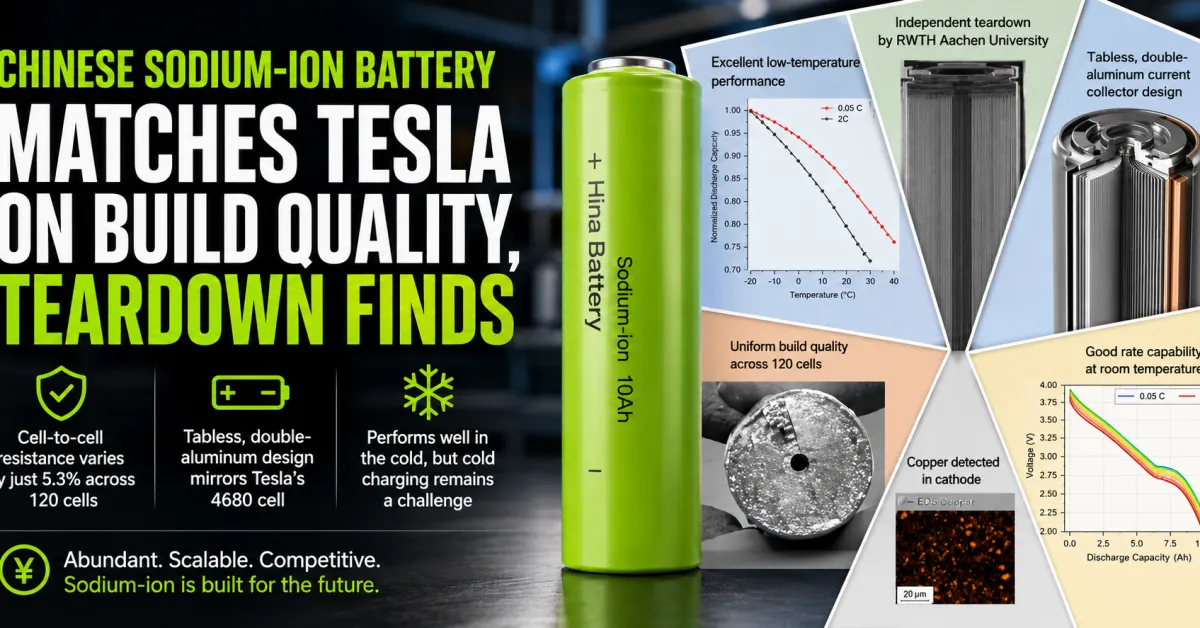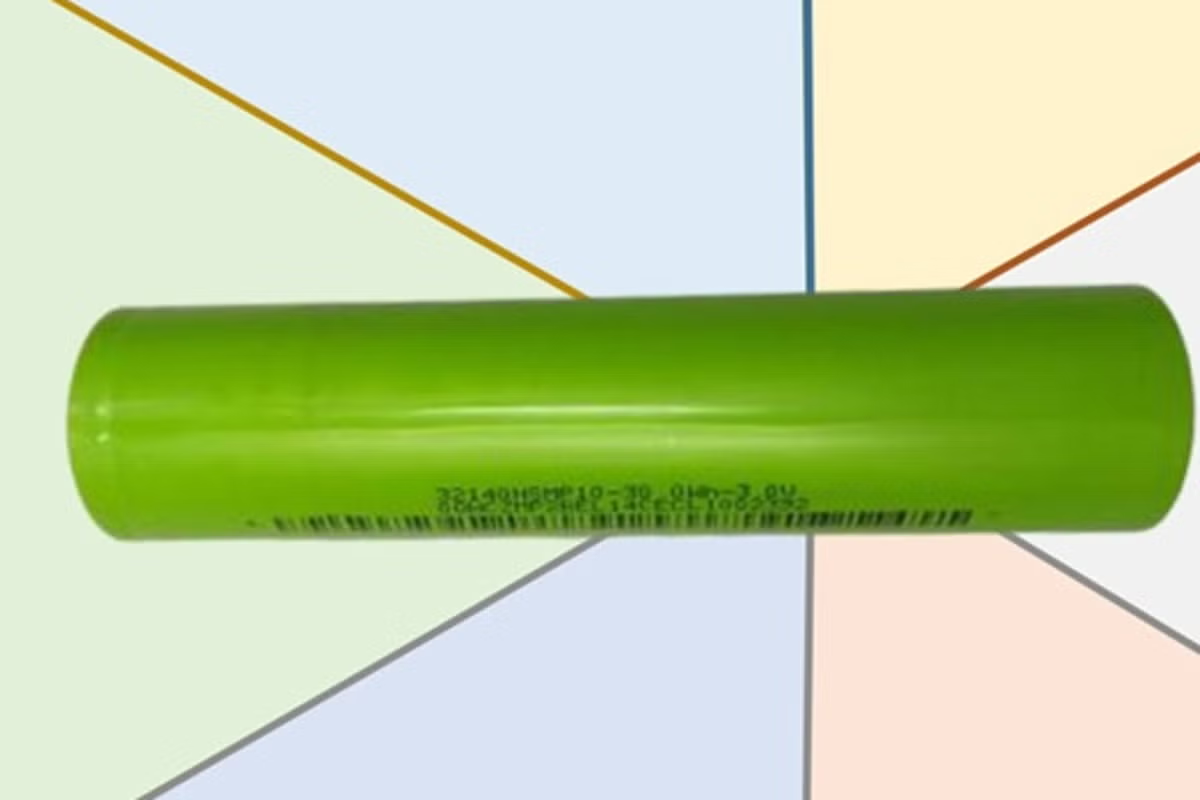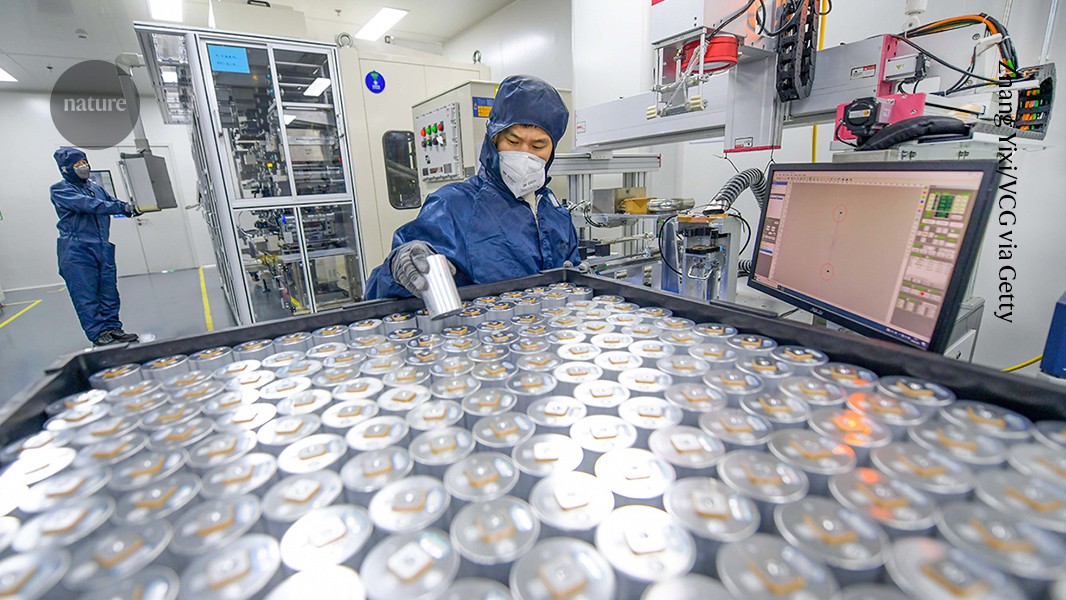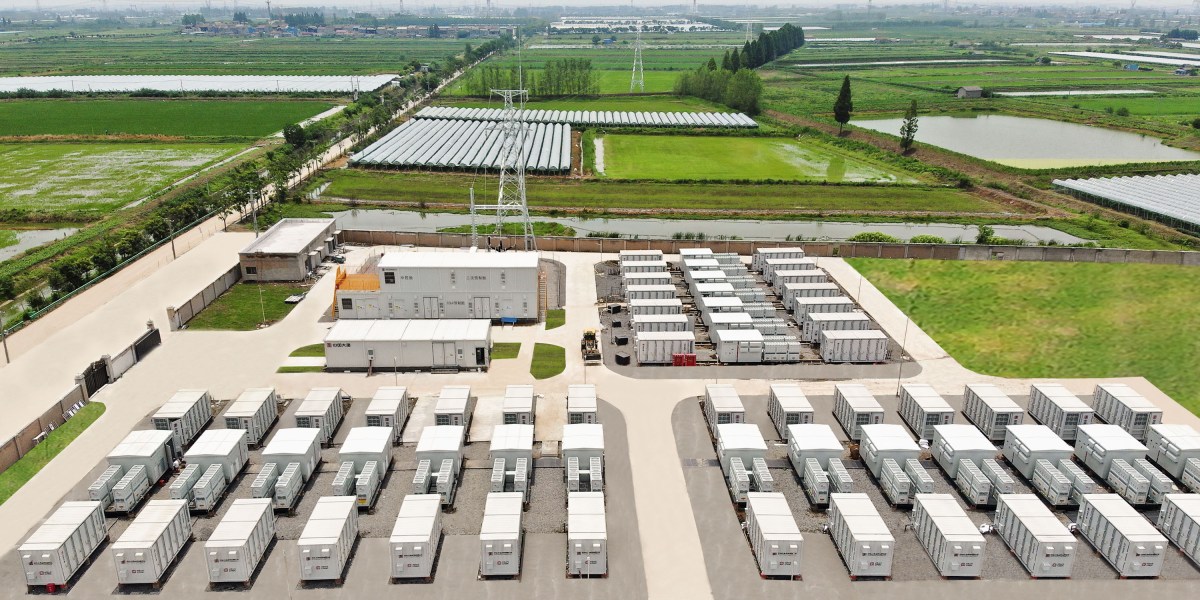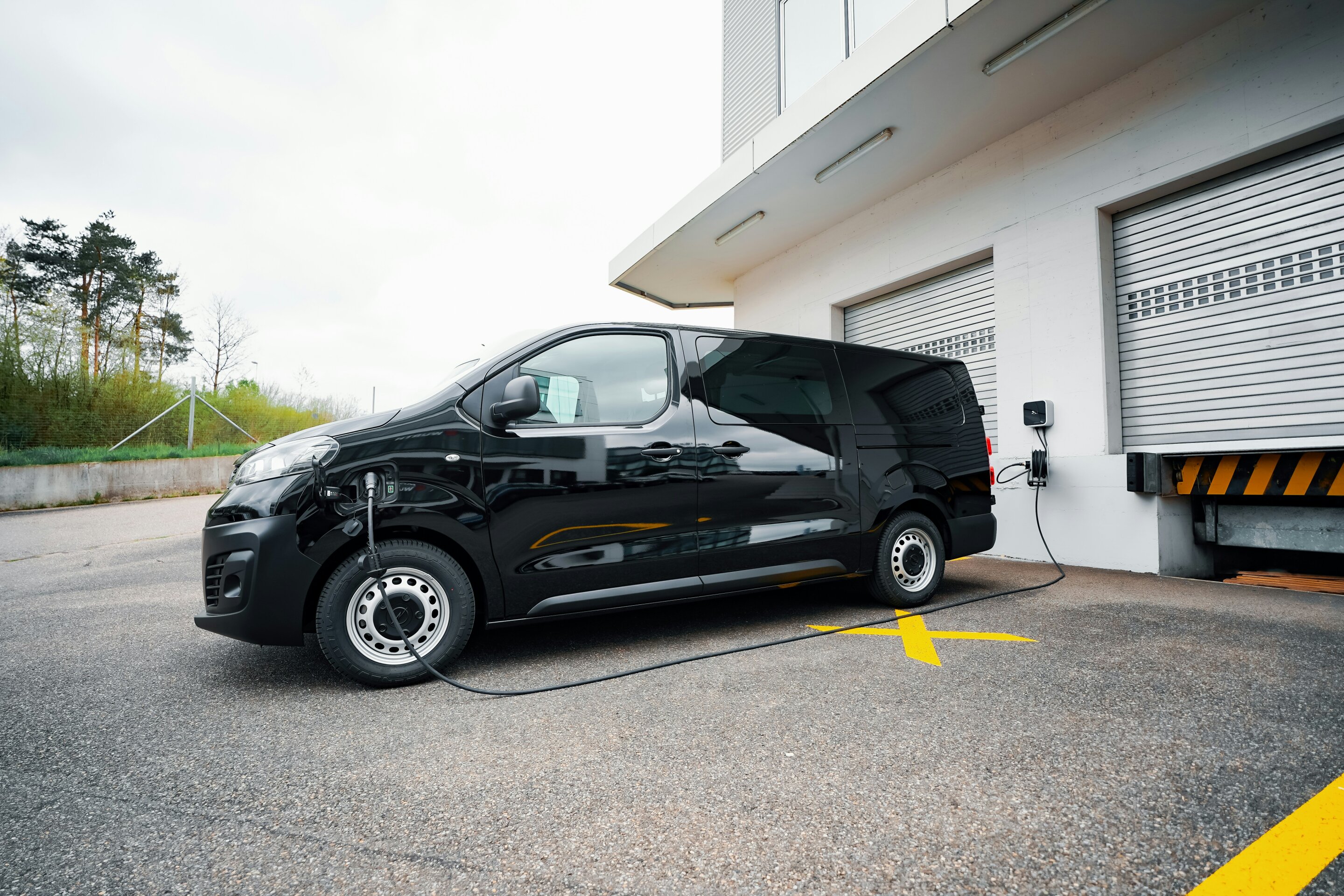
A popular sodium-ion battery designed by the company Hina and used in cars and large-scale energy storage systems in China matches performance parameters and production quality of Tesla's lithium-ion batteries, finds new research published in Cell Reports Physical Science.
Once the Hina battery is tweaked to charge more effectively at low temperatures and function better at high energy densities, it could provide a cost-effective alternative for future electric vehicle batteries that depend on sodium—an abundant and easily sourced material—instead of lithium.
"The combination of good uniformity, high power capability, and strong low-temperature performance makes these cells attractive for stationary storage, grid services, and shorter-range or commercial vehicles where potential lower cost and resource availability matter more than maximum driving range," says Moritz Schütte, a battery researcher at RWTH Aachen University in Germany.
How the Hina cells were tested
To assess how Hina batteries compare to more advanced Tesla batteries, Schütte's team used a non-destructive technique called impedance spectroscopy to measure the uniformity of 120 sodium-ion battery cells.