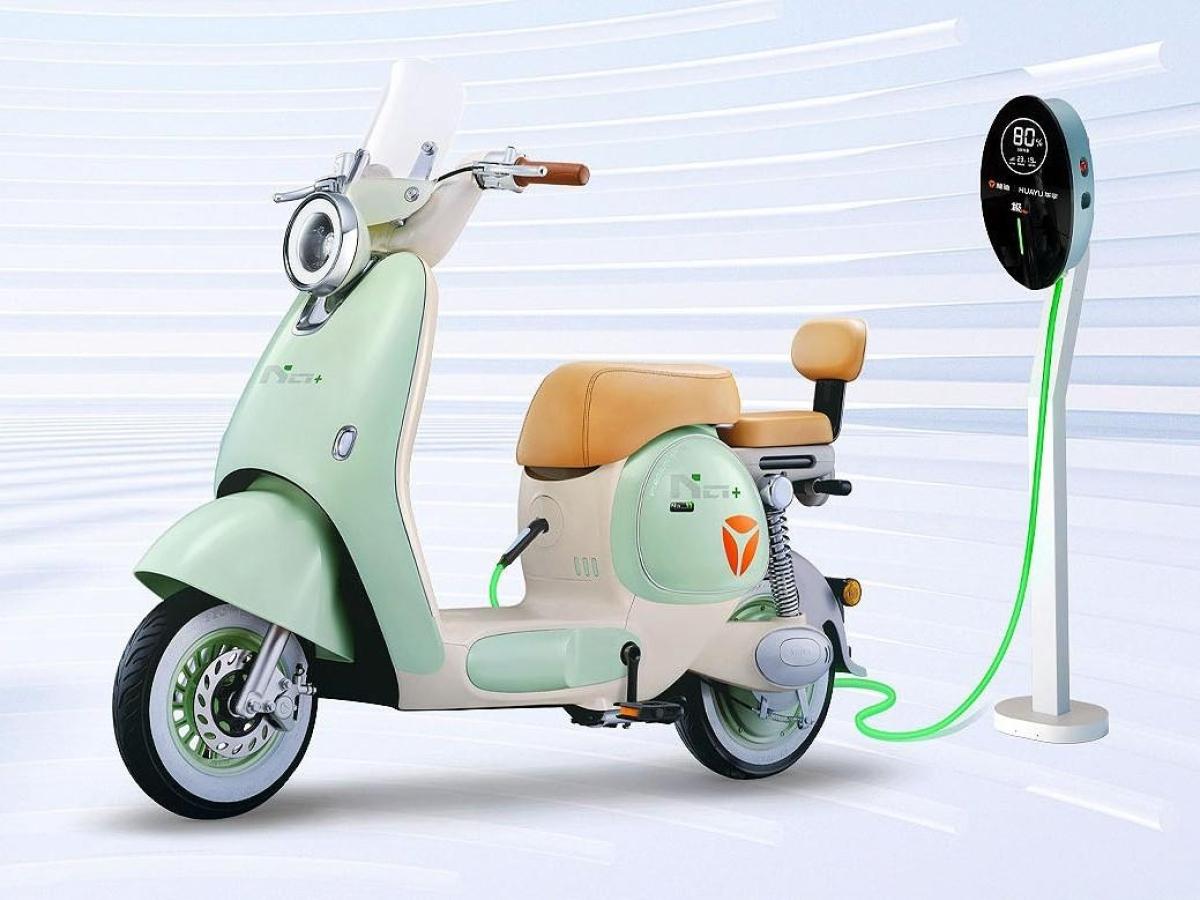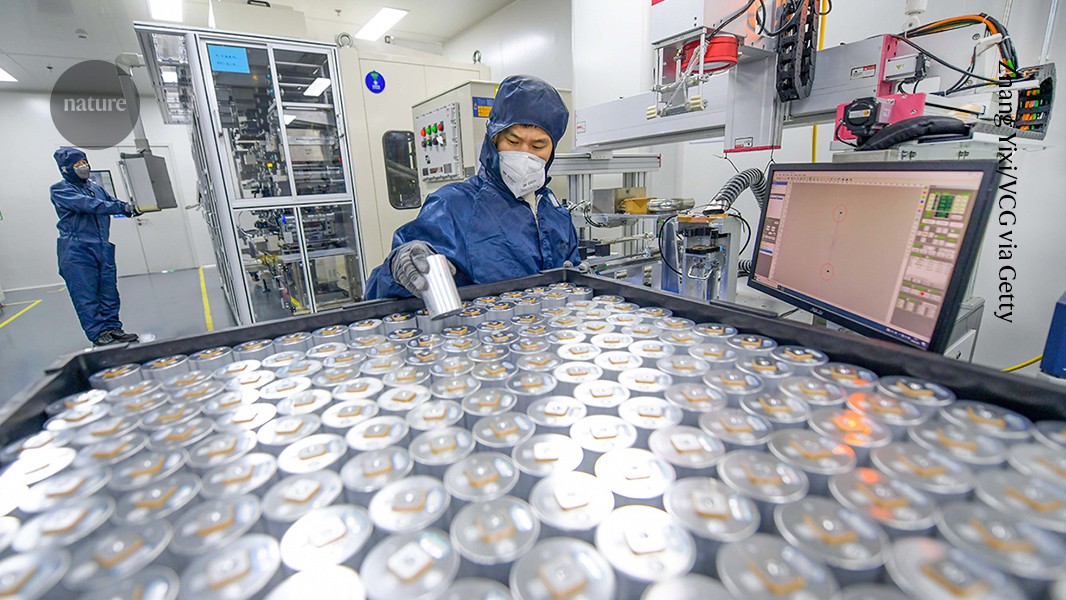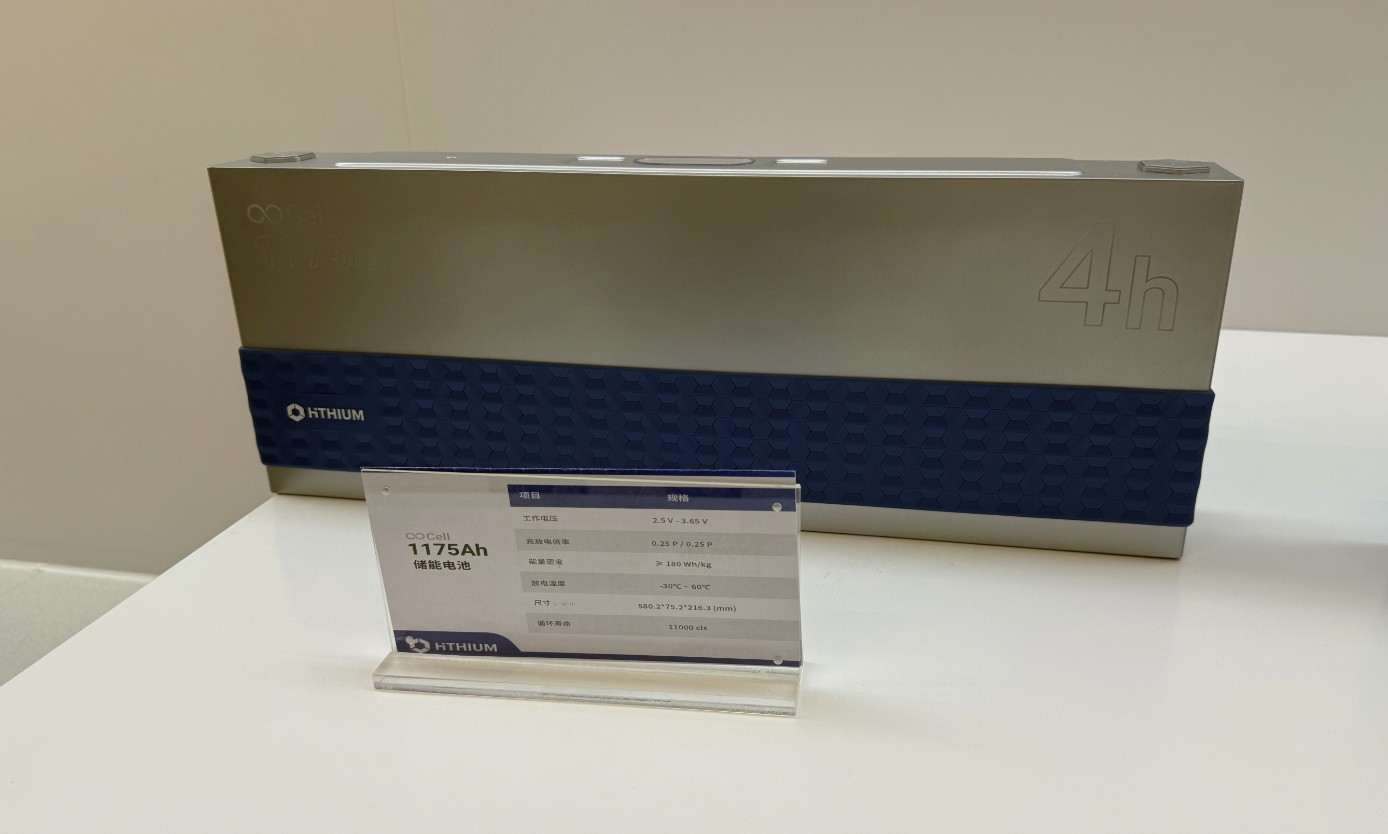
Sodium-ion batteries are popping up in electric scooters and grid storage installations.
Lithium-ion batteries have some emerging competition: Sodium-based alternatives are starting to make inroads.
Sodium is more abundant on Earth than lithium, and batteries that use the material could be cheaper in the future. Building a new battery chemistry is difficult, mostly because lithium is so entrenched. But, as I’ve noted before, this new technology has some advantages in nooks and crannies.
I’ve been following sodium-ion batteries for a few years, and we’re starting to see the chemistry make progress, though not significantly in the big category of electric vehicles. Rather, these new batteries are finding niches where they make sense, especially in smaller electric scooters and large energy storage installations. Let’s talk about what’s new for sodium batteries, and what it’ll take for the chemistry to really break out.
Two years ago, lithium prices were, to put it bluntly, bonkers. The price of lithium hydroxide (an ingredient used to make lithium-ion batteries) went from a little under $10,000 per metric ton in January 2021 to over $76,000 per metric ton in January 2023, according to data from Benchmark Mineral Intelligence.