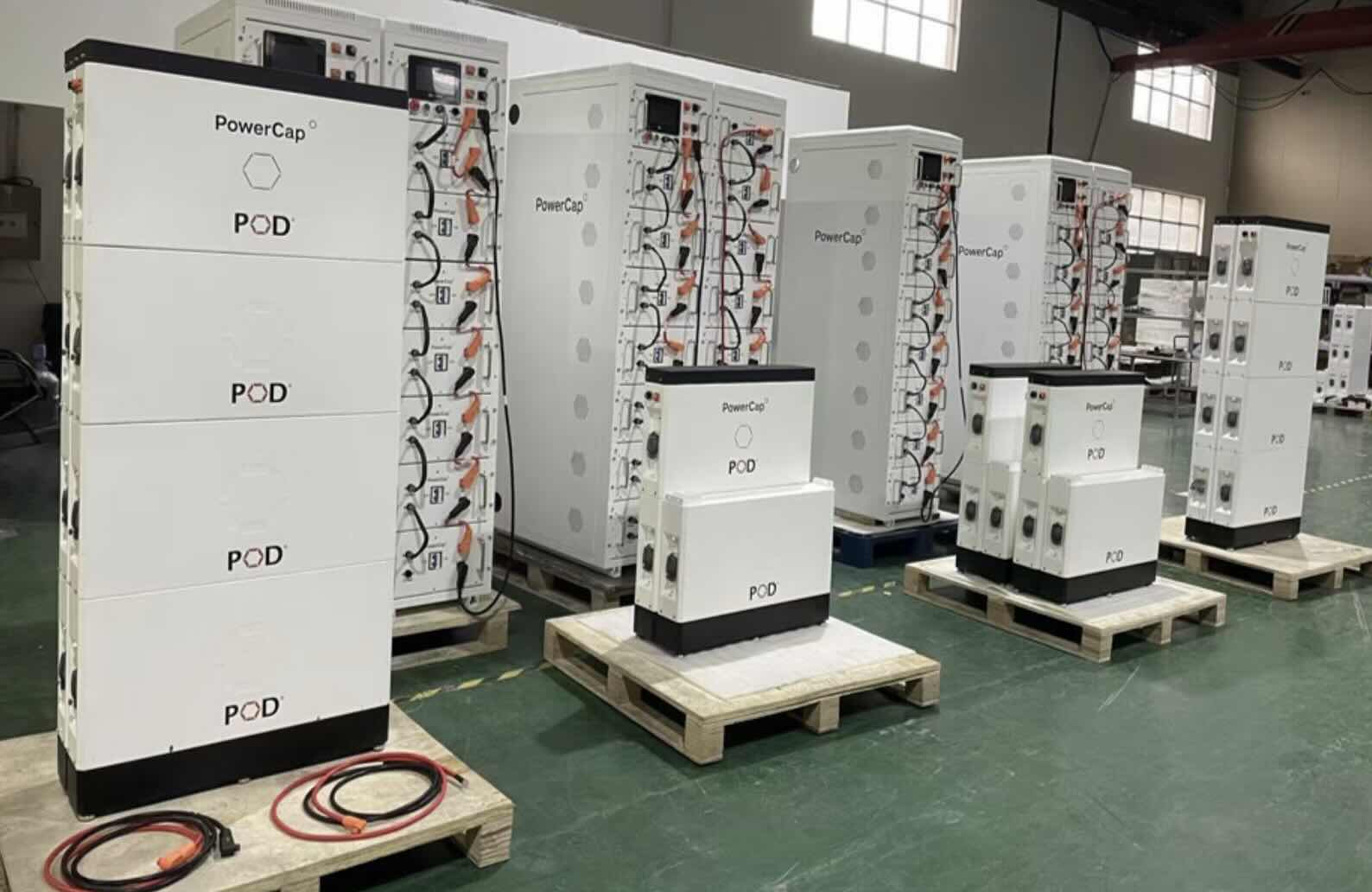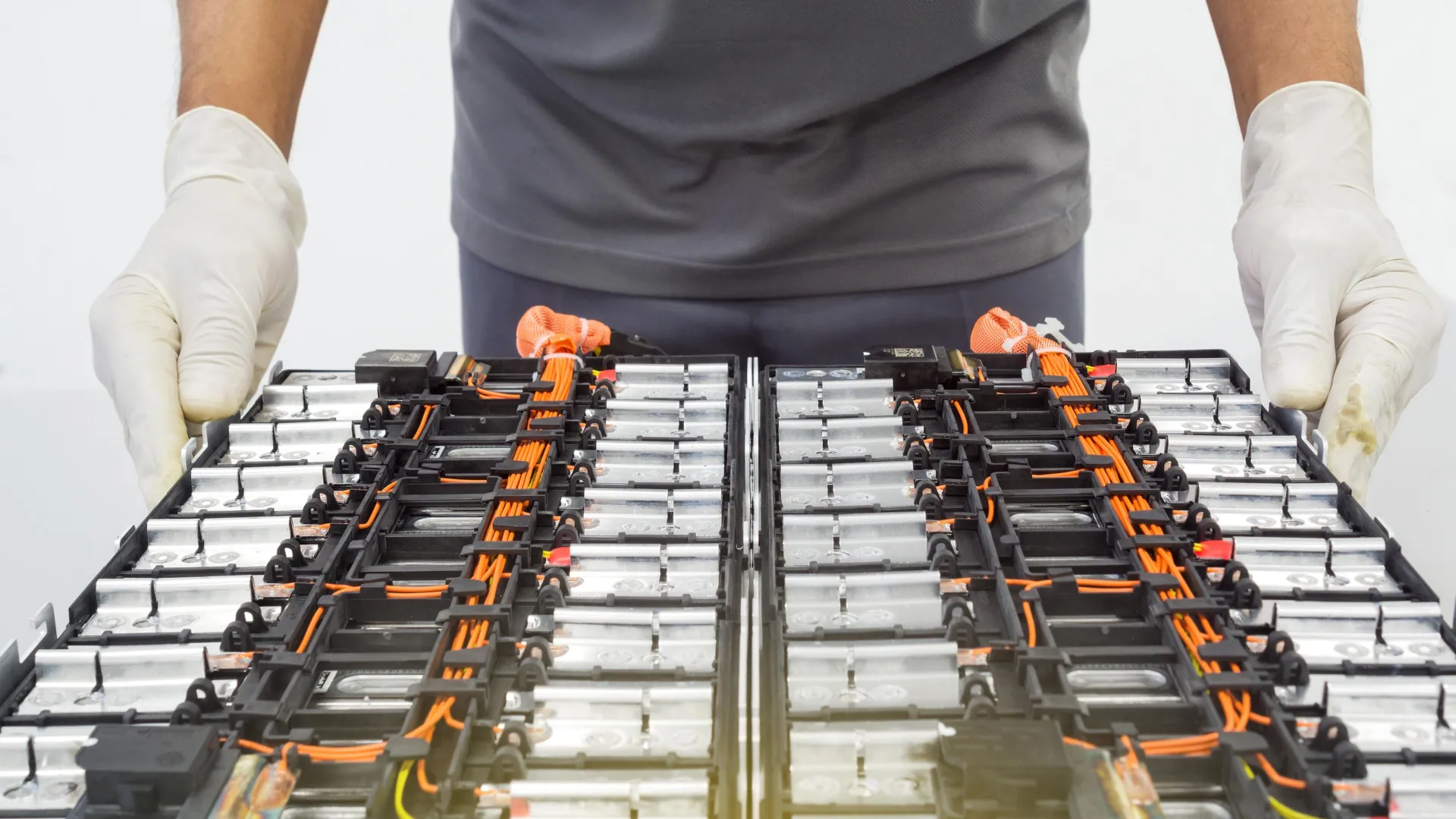
The Chinese startup has begun mass-producing two types of sodium-ion batteries and plans to launch a third this month.
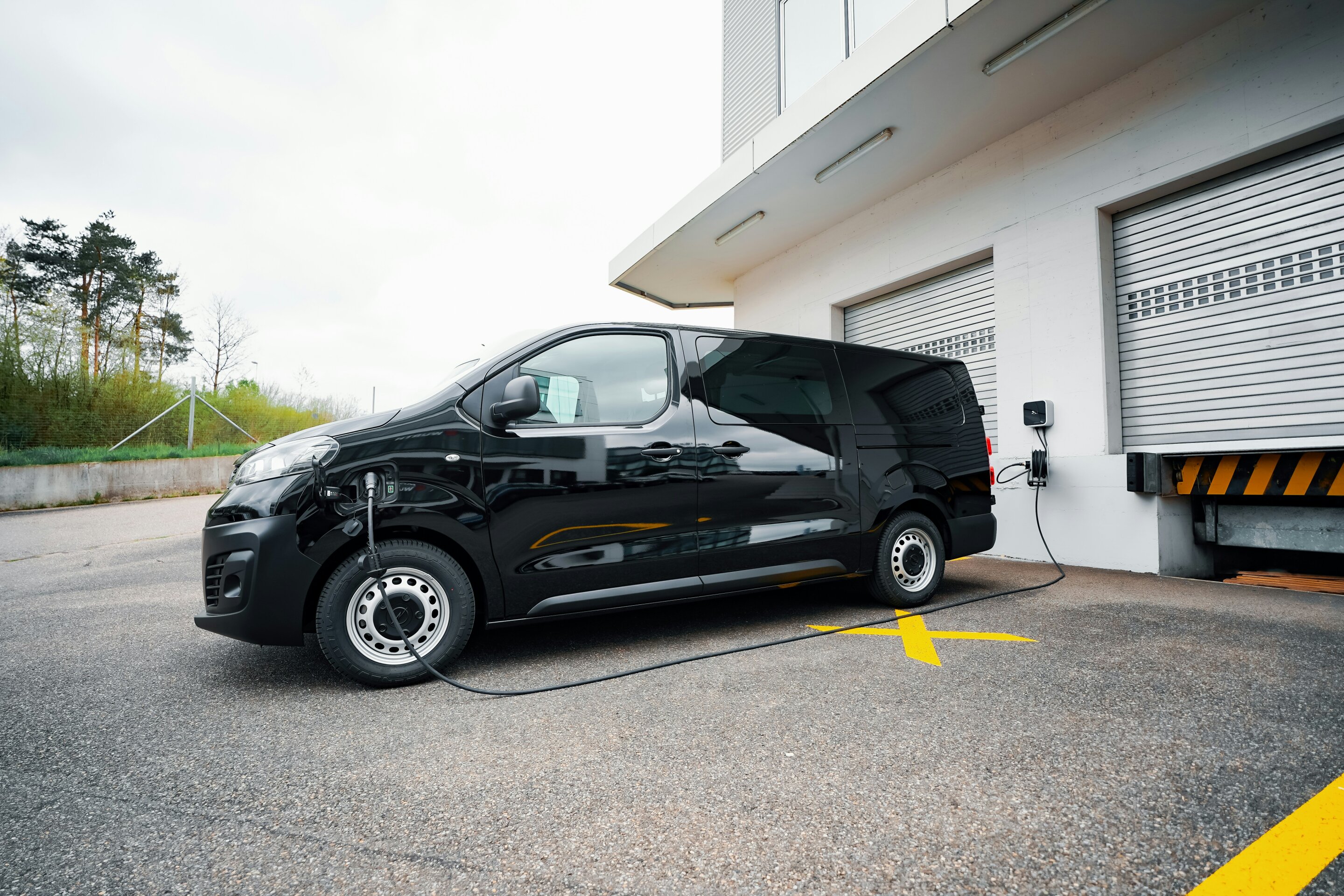
HiNa Battery Technology is a trailblazer in developing and mass-producing batteries using sodium, a widely available element that can be extracted from sea salt. The startup’s products—already powering small vehicles and energy storage plants in China—provide a valuable alternative to lithium-based batteries, made with materials mined and processed in just a few countries.
Over the next few decades the world will need a lot more batteries to power electric cars and keep grids stable. Today most battery cells are made with lithium, so the mineral is expected to be in hyper demand, leading to supply chain risks: 85% of the global lithium supply will be refined in just three countries in 2030—China, Chile, and Argentina, according to the International Energy Agency.
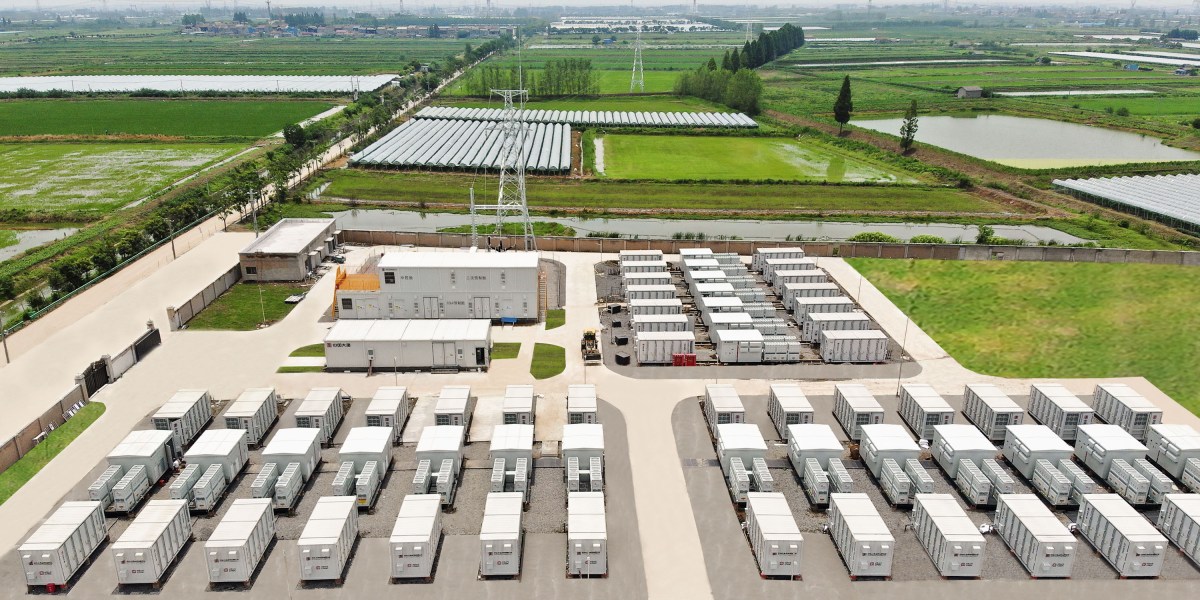
Sodium-ion batteries are popping up in electric scooters and grid storage installations.
But a new technology has come on the scene, potentially disrupting the global battery industry. Sodium-ion cells are made with an element 400 times more abundant than lithium. It can be found and extracted pretty much anywhere there is seawater or salt deposits in the ground, and harvesting it is a centuries-old practice. For decades, research of the technology was abandoned due to the huge commercial success of lithium-ion cells. Now, HiNa Battery Technology is working to bring sodium back to the limelight—and to the mass market.