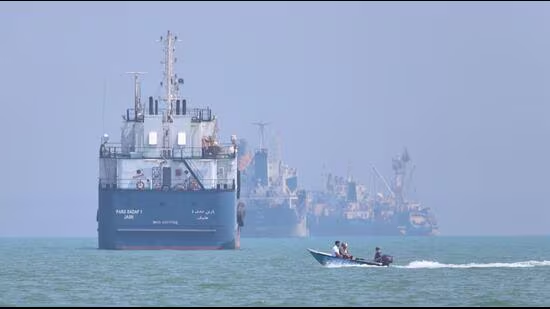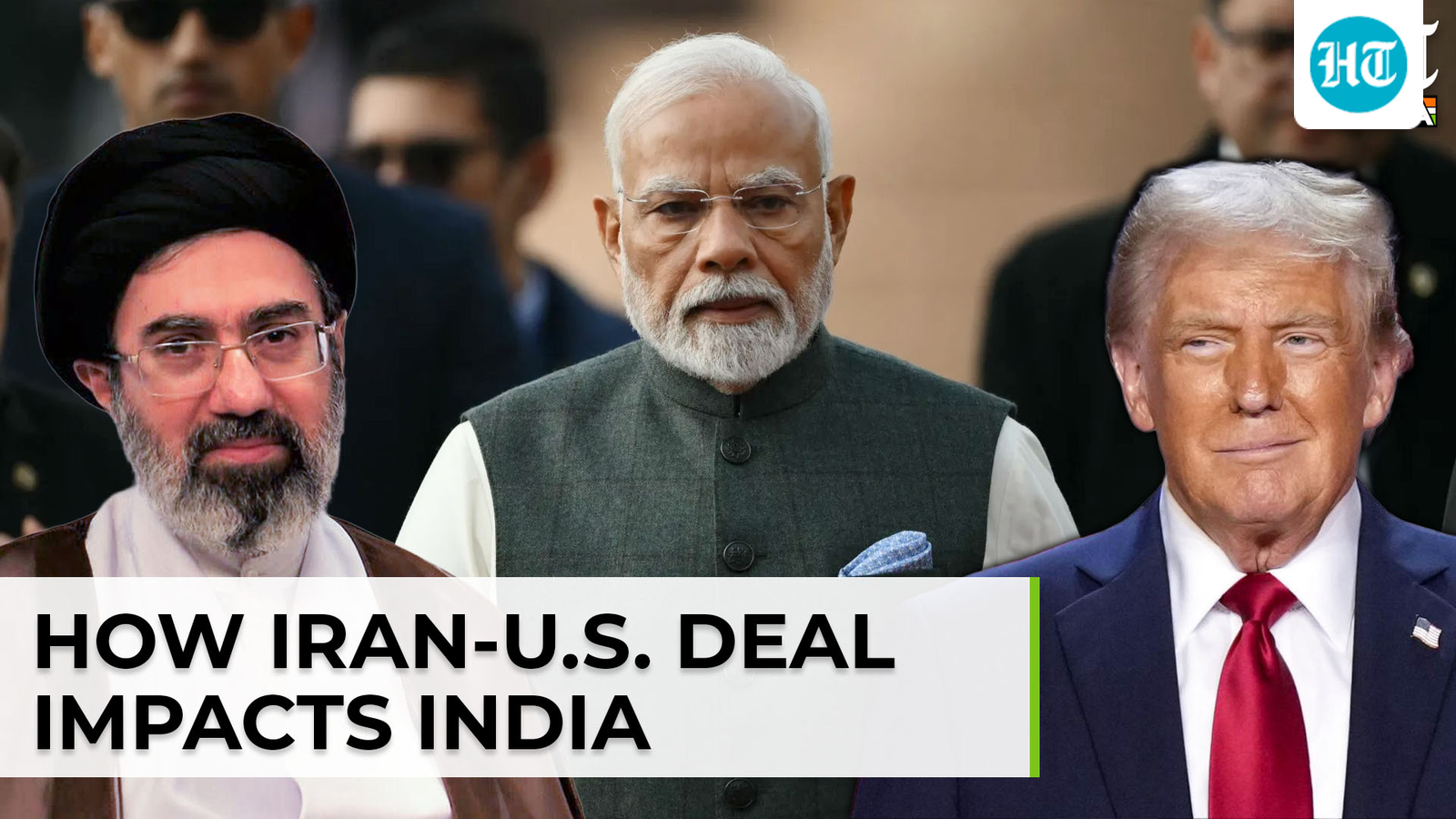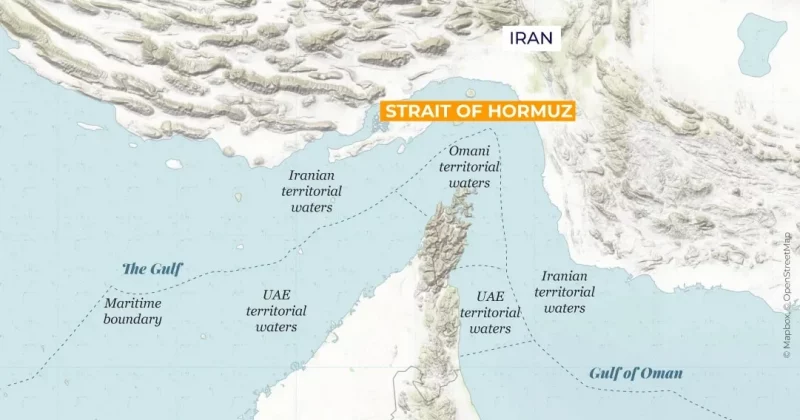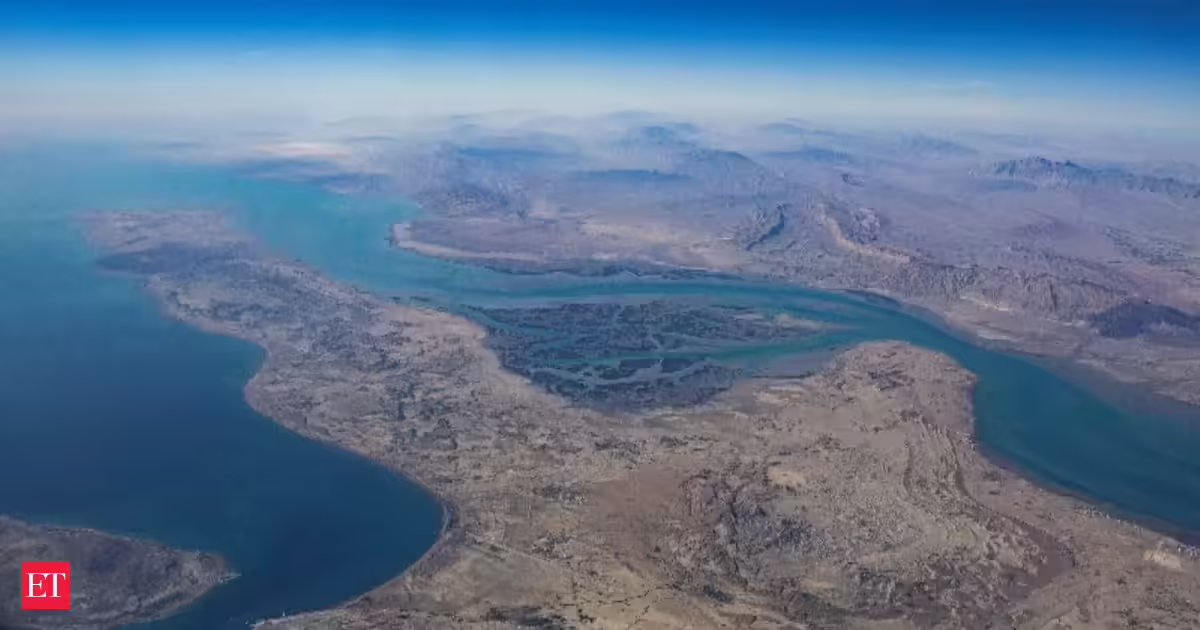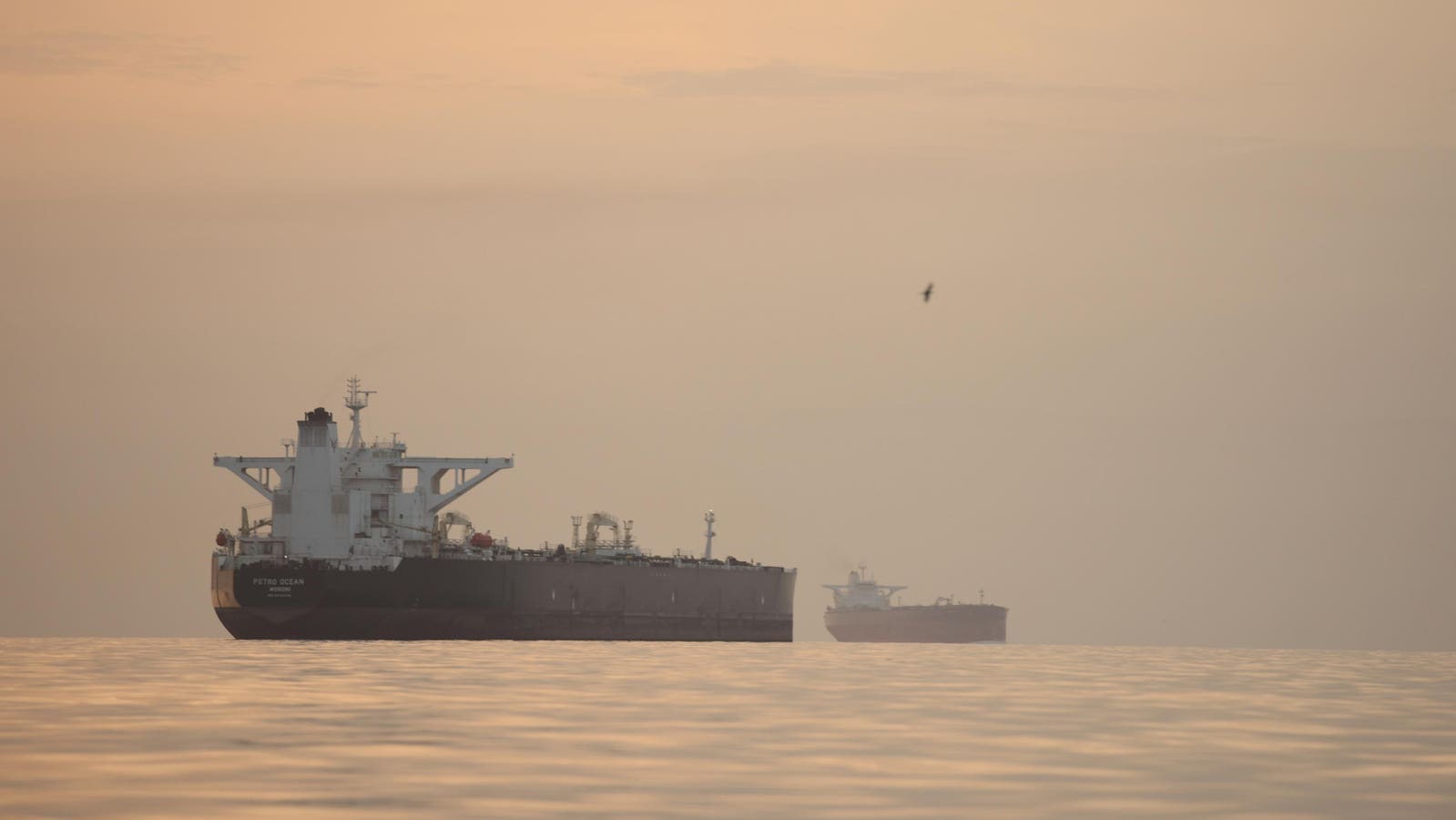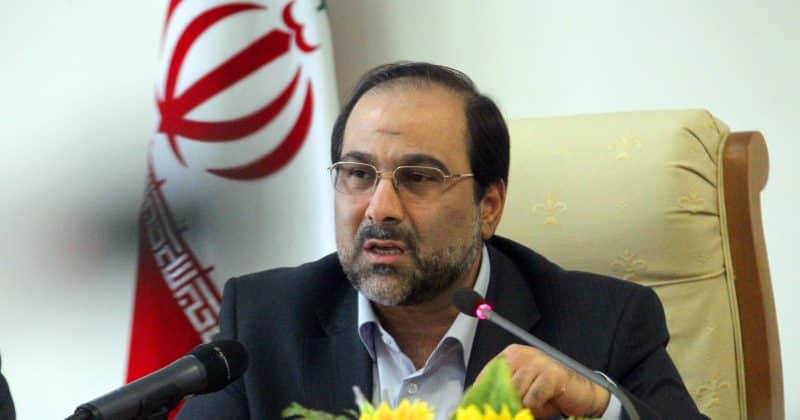
Mohammad Mokhber, senior adviser to Iran’s Supreme Leader, issued a stark warning: energy flows from the Middle East will remain stopped unless the United States follows through on its negotiation agreement. The statement lands at a moment when global oil markets, and every asset class downstream of them, are watching the Strait of Hormuz like a hawk.
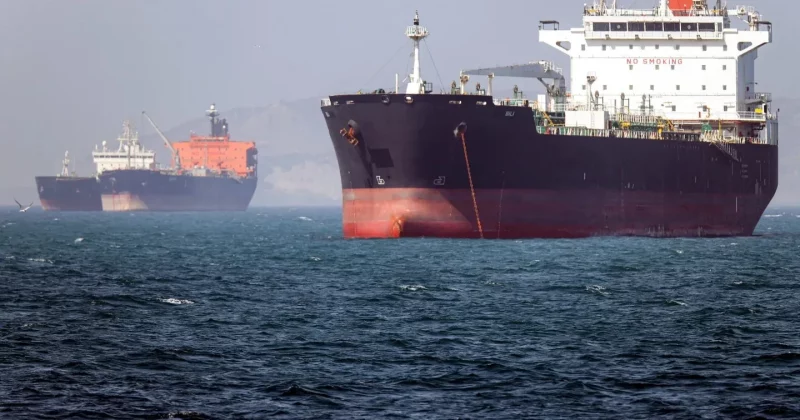
The Strait of Hormuz handles roughly 20% of the world’s oil supply. When someone with Mokhber’s proximity to Iran’s top leadership says the taps stay off, it’s not a bluff you can afford to ignore.
What Iran is actually saying
Mokhber’s language was deliberately escalatory. He compared Iran’s control over the Strait of Hormuz to an “atomic bomb,” a metaphor designed to remind Washington and its allies just how much leverage Tehran believes it holds over global energy infrastructure.
The backdrop to this threat is a series of US-Iran negotiations that reportedly produced an interim agreement around early June 2026. A proposed 60-day window for further talks was established, with signing references noted around June 19, 2026. The conditions for reopening energy routes center on two familiar sticking points: sanctions relief and discussions surrounding Iran’s nuclear program.