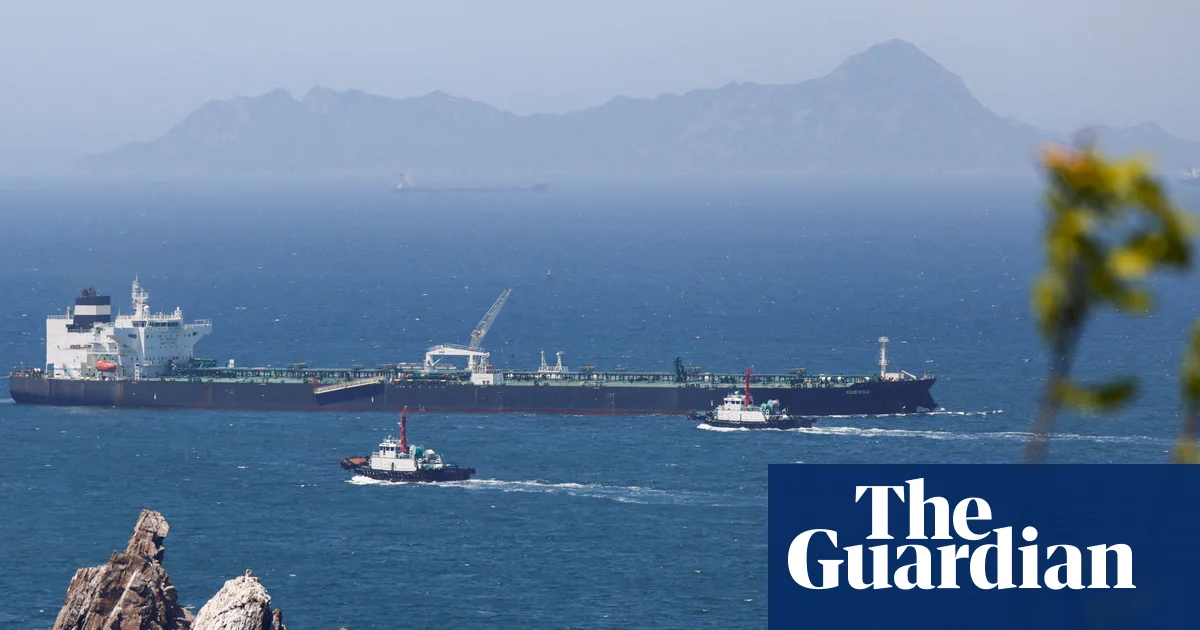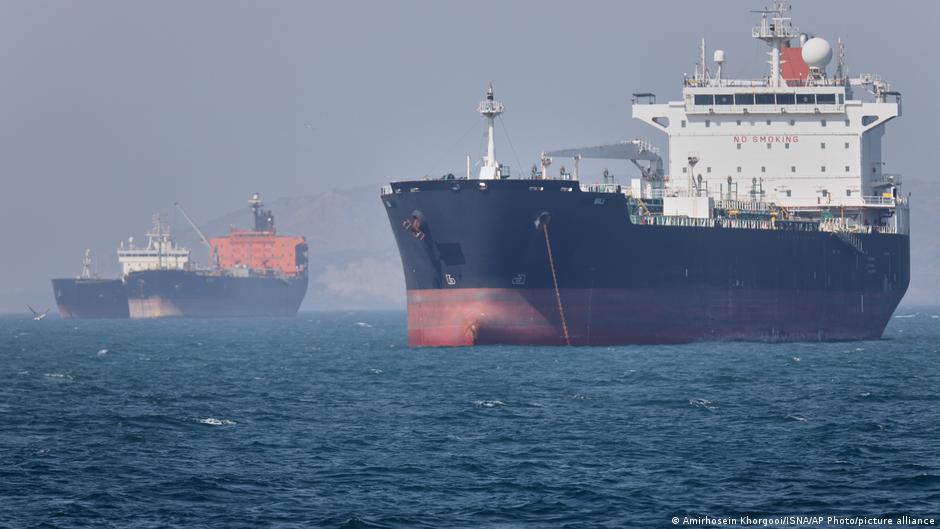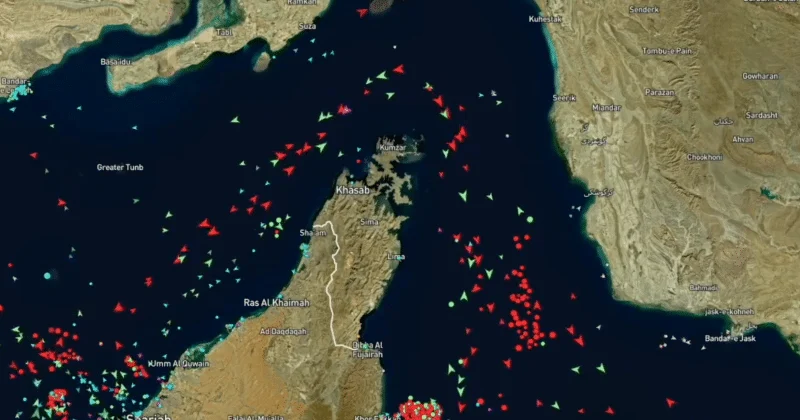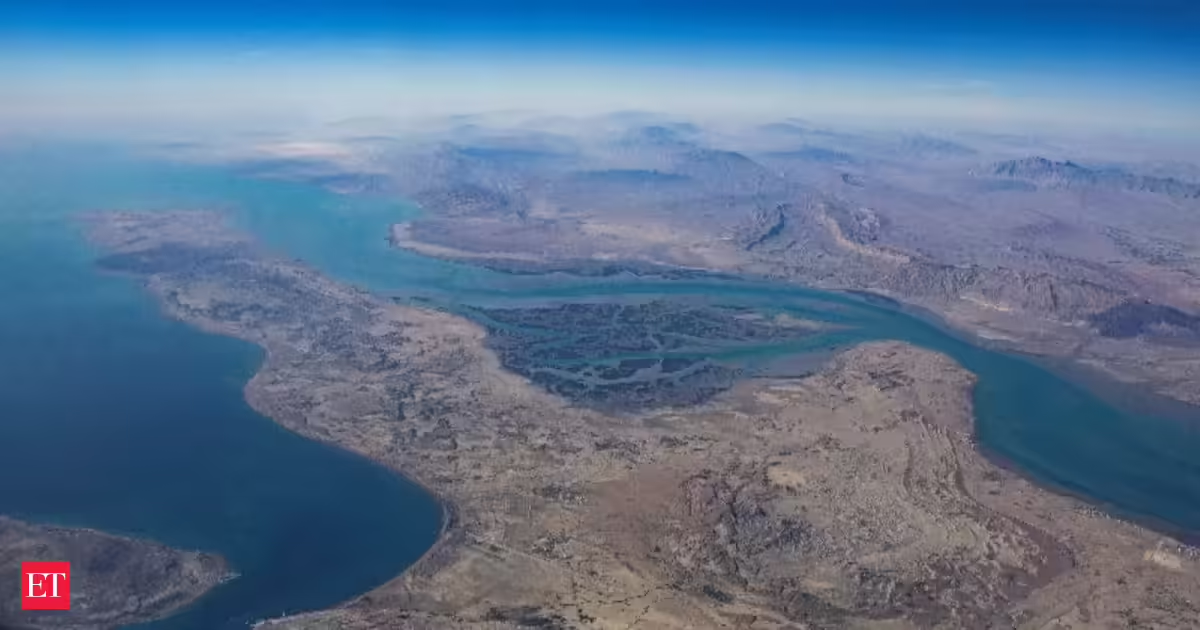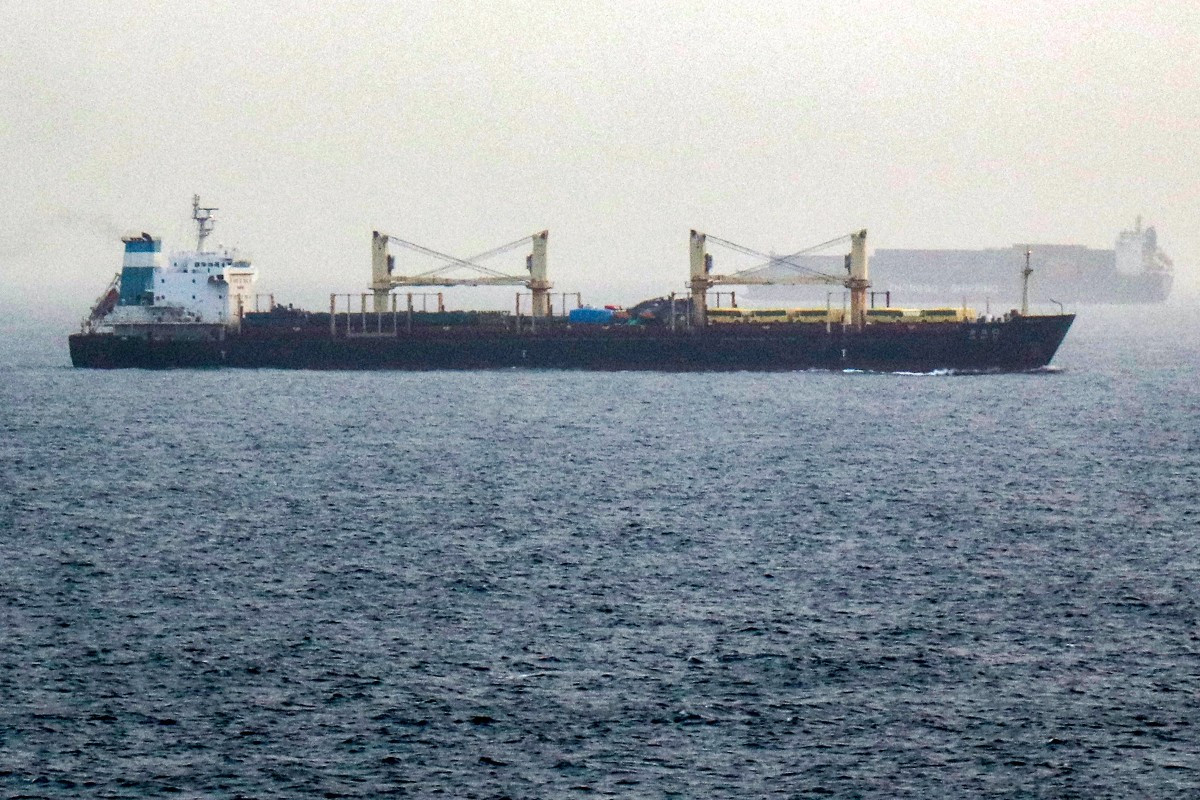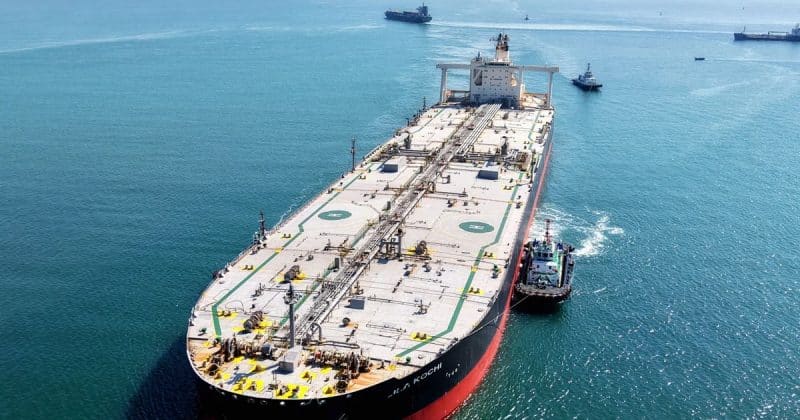
Oil prices fell on Monday amid hopes that the ceasefire deal between Washington and Tehran would end the global energy supply disruptions that sent the costs of gasoline, jet fuel, and other similar products surging for the last several months.A 60-day preliminary ceasefire extension with Iran was agreed to over the weekend and includes provisions to end the United States’ naval blockade of Iran and reopen the Strait of Hormuz.The closure of the waterway has displaced tens of millions of barrels of crude since the war began in February. Before the conflict, nearly 20 million barrels of oil and other petroleum products passed through the strait daily. This is roughly equivalent to 20% of global oil demand.
Senior U.S. officials confirmed that President Donald Trump and Vice President JD Vance digitally signed the memorandum of understanding, along with Iranian Parliament Speaker Mohammad Bagher Ghalibaf. The peace deal, however, still has to be signed in person.
Traders appear to be the most confident they have been since the war began that there could be an end in sight and the strait reopened. Still, some fear that the conflict between the U.S. and Iran could escalate before the formal signing, or that the deal will not deliver long-term relief from the supply disruptions.