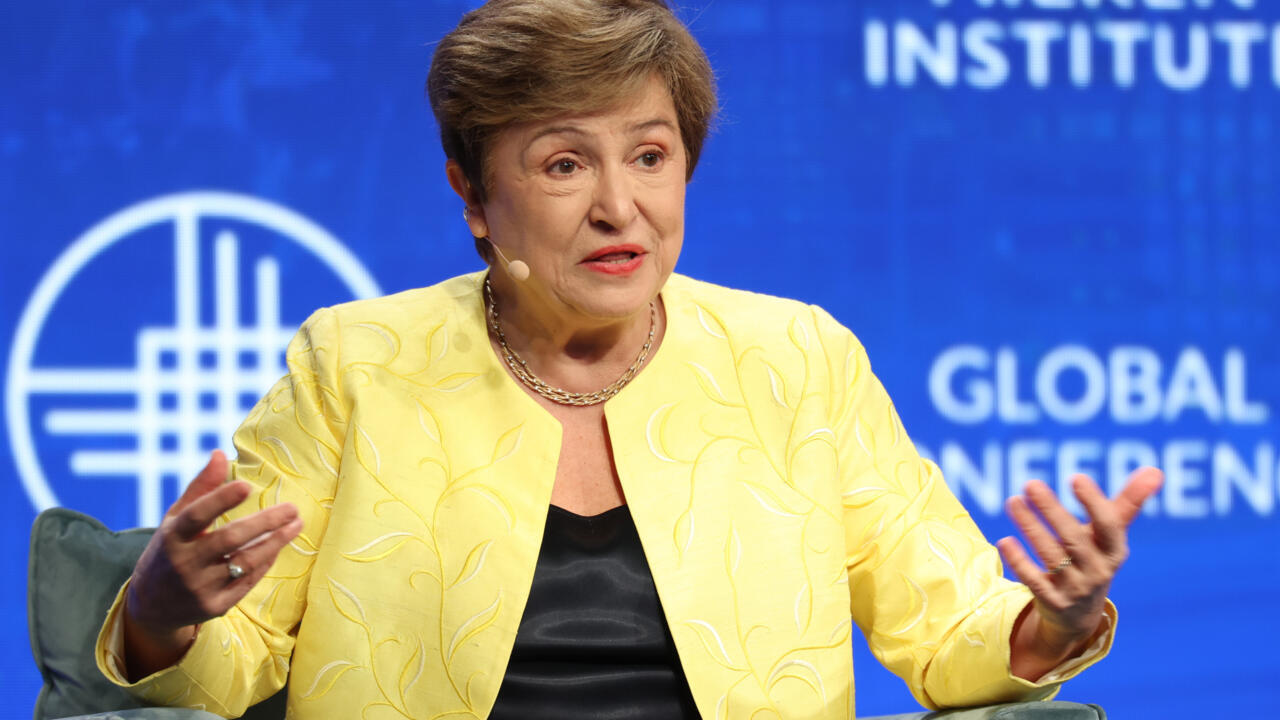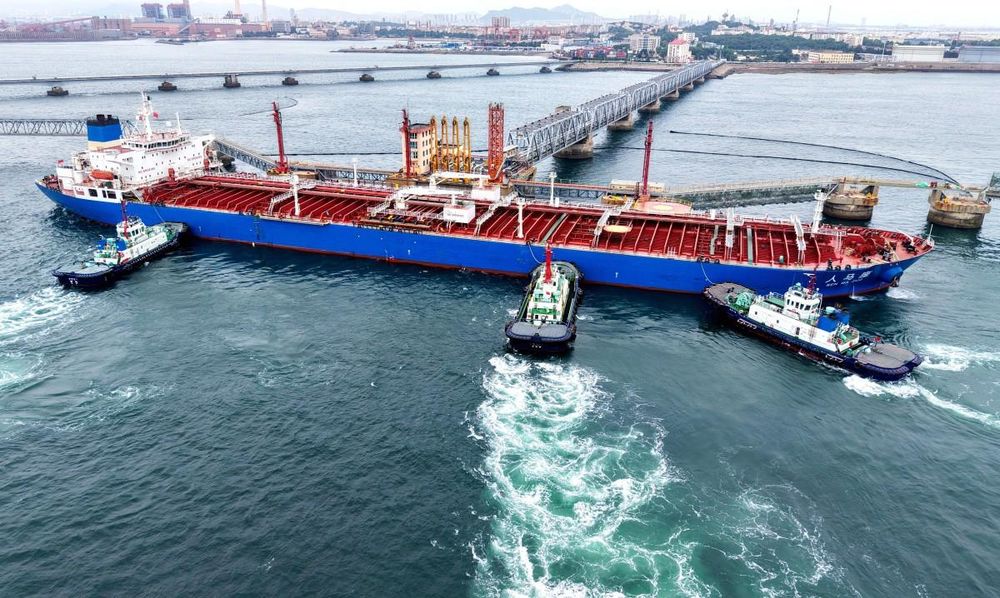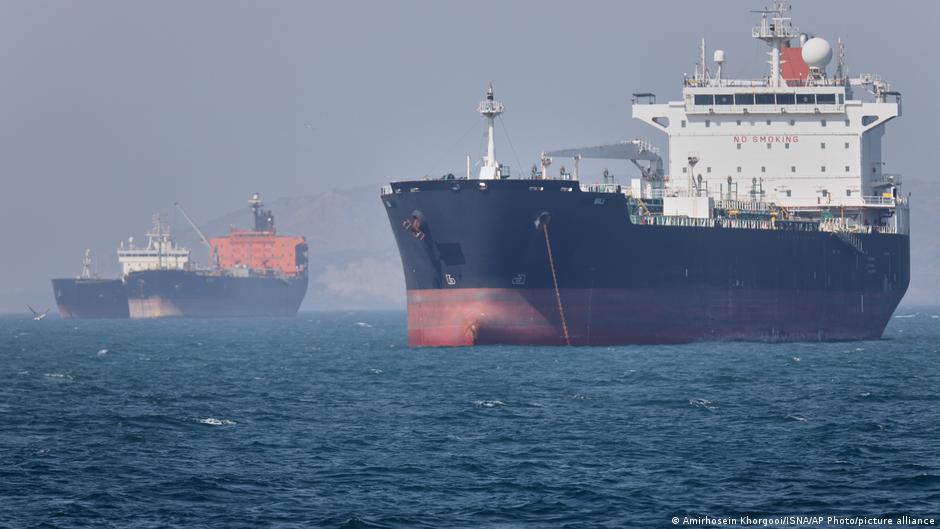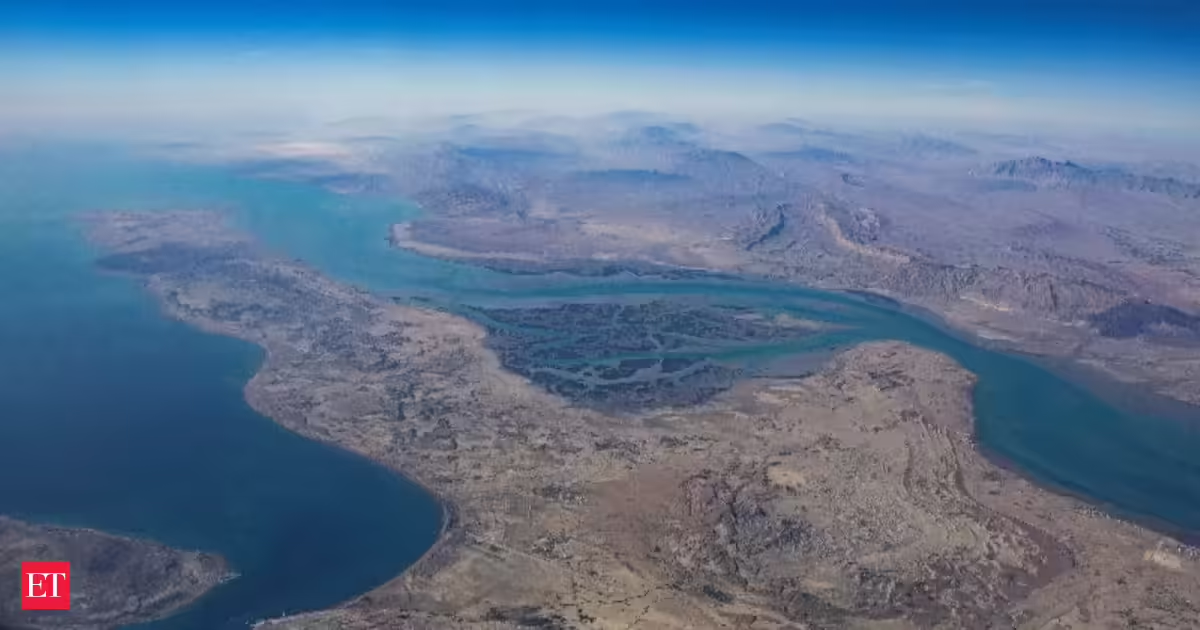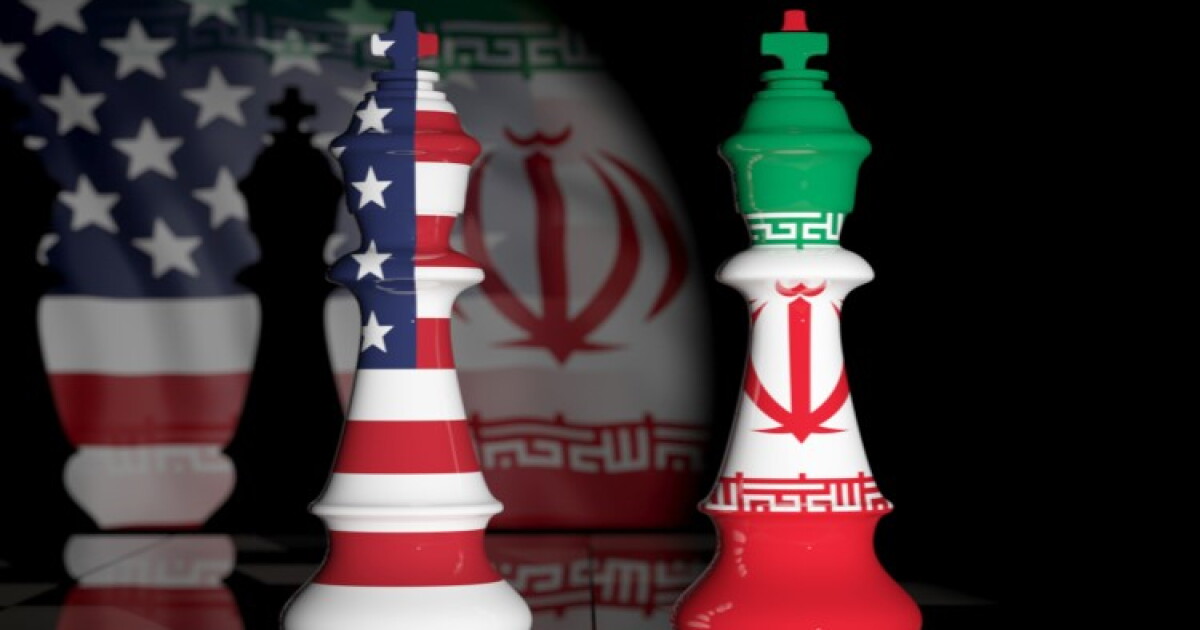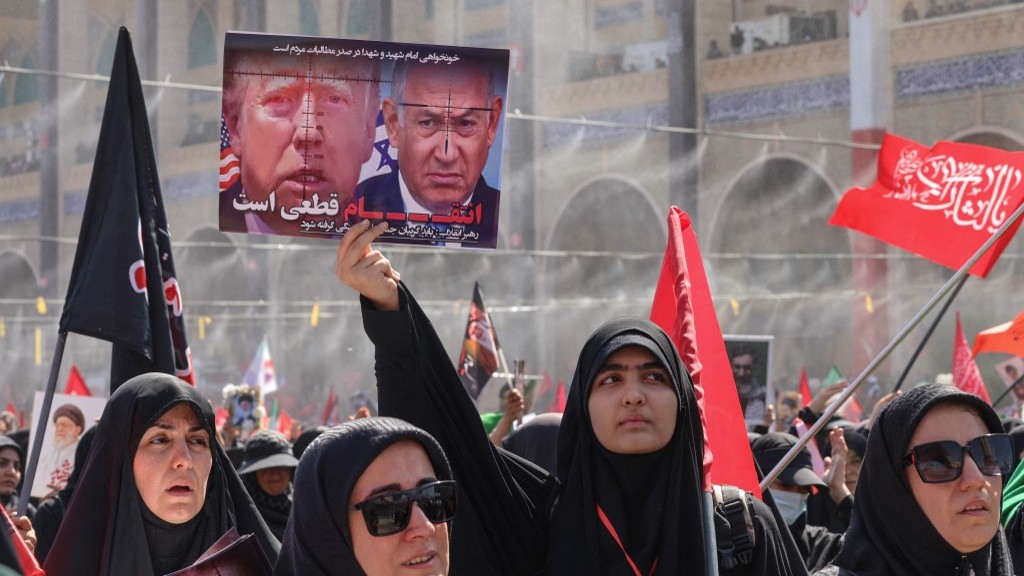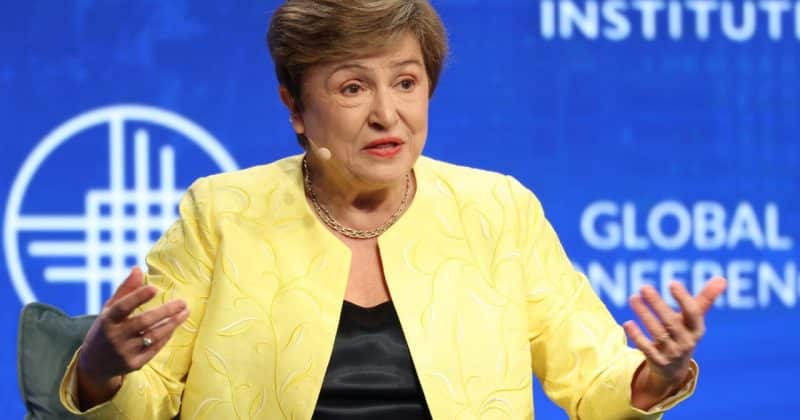
The International Monetary Fund wants to make one thing very clear: a ceasefire is not a cure. Even as the US and Iran announced a framework agreement on June 14 aimed at ending hostilities and reopening the Strait of Hormuz, the IMF cautioned that the damage already inflicted on global energy infrastructure will take considerable time to unwind.
Markets celebrated the deal immediately, with oil prices declining and equities rallying. But the fund’s message was more sober.
The scale of the damage
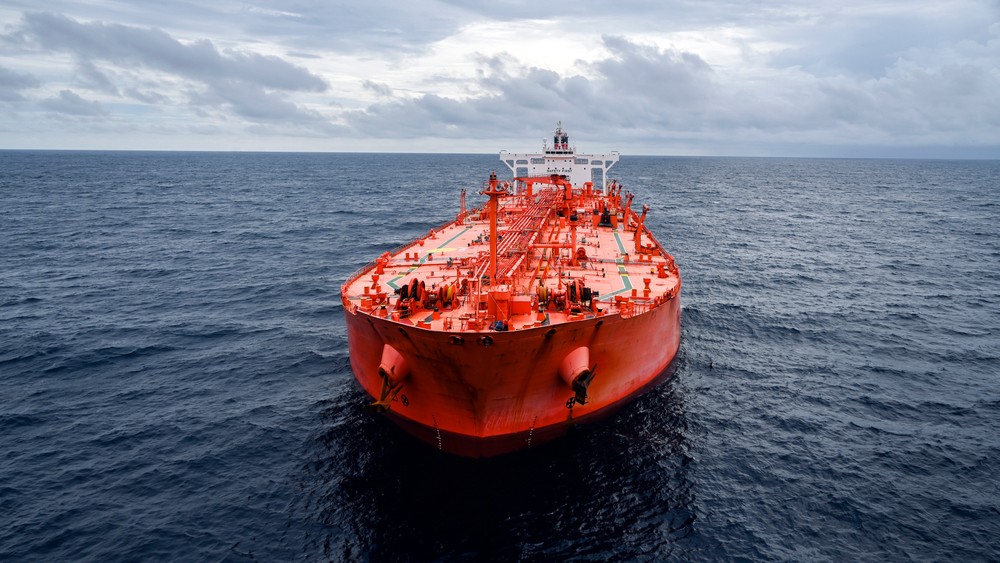
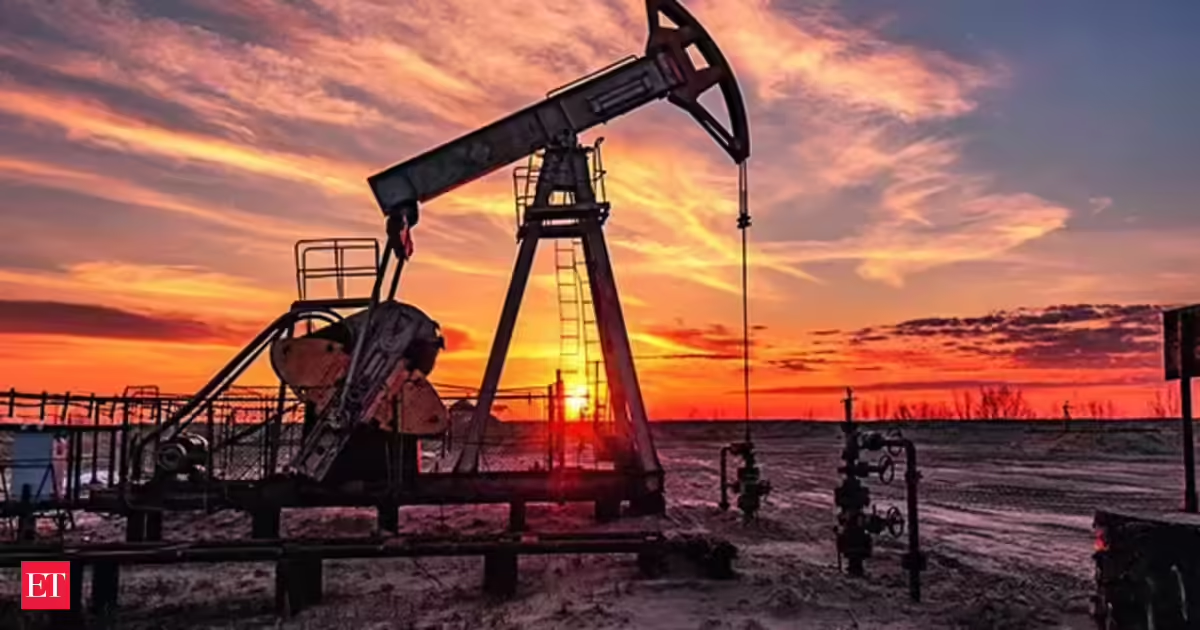
Roughly 20% of the world’s oil and gas passes through the Strait of Hormuz. When the US-Israel-Iran conflict effectively closed that chokepoint, global oil supply dropped by 13% almost overnight.
Brent crude surged to nearly $118 per barrel at its peak. The IMF had already slashed its 2026 global growth forecast to 3.1%, a reduction of 0.2 percentage points. Under a more severe scenario, the fund warned growth could crater to 2% while inflation climbs above 6%.