Show Caption
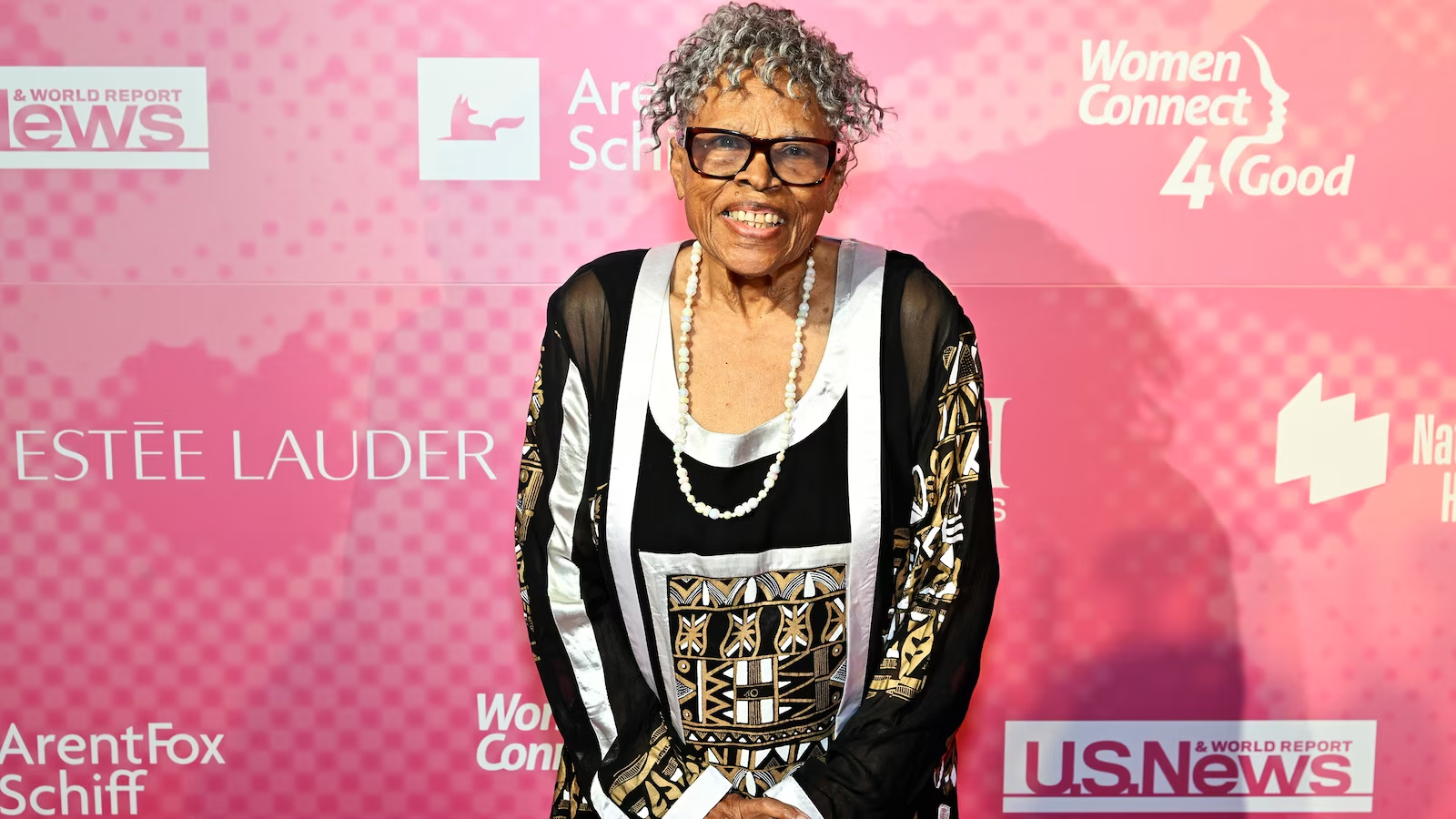
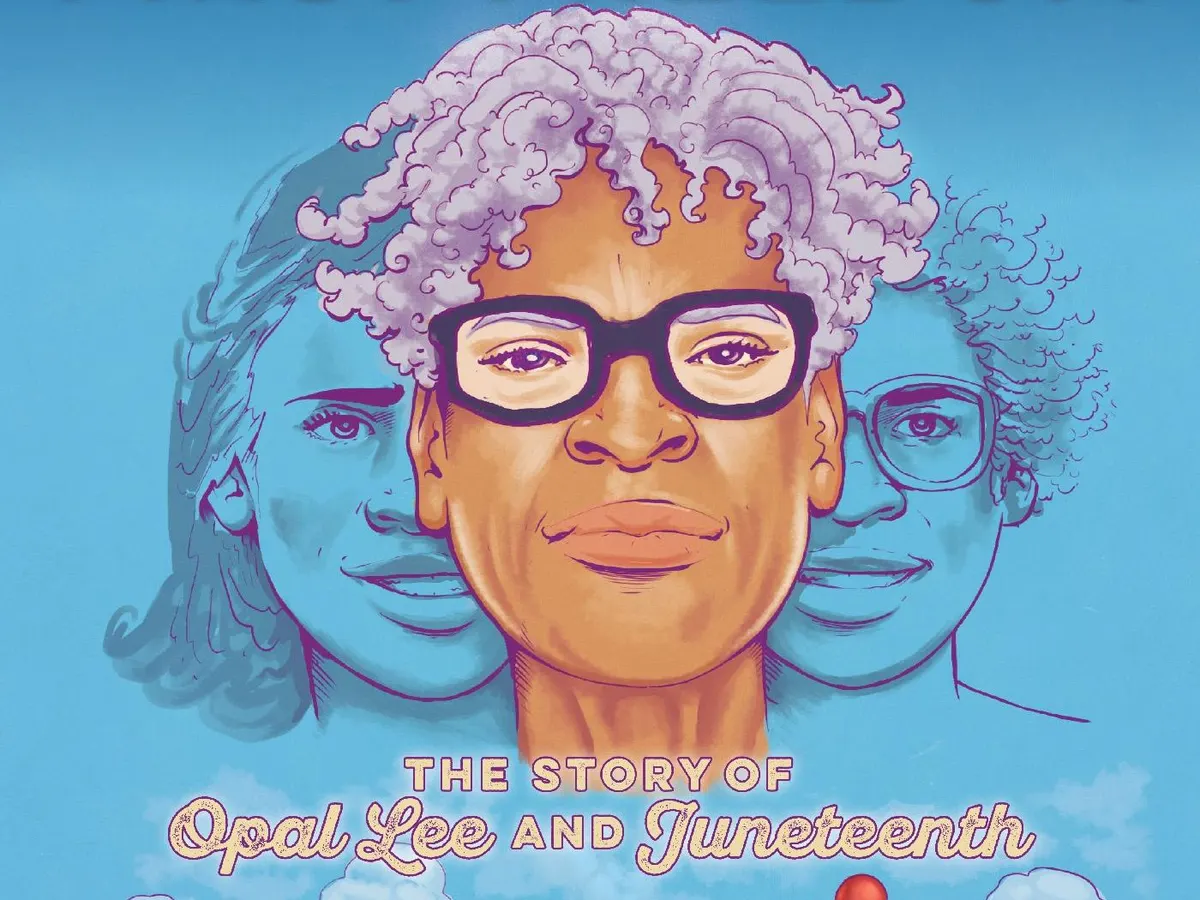
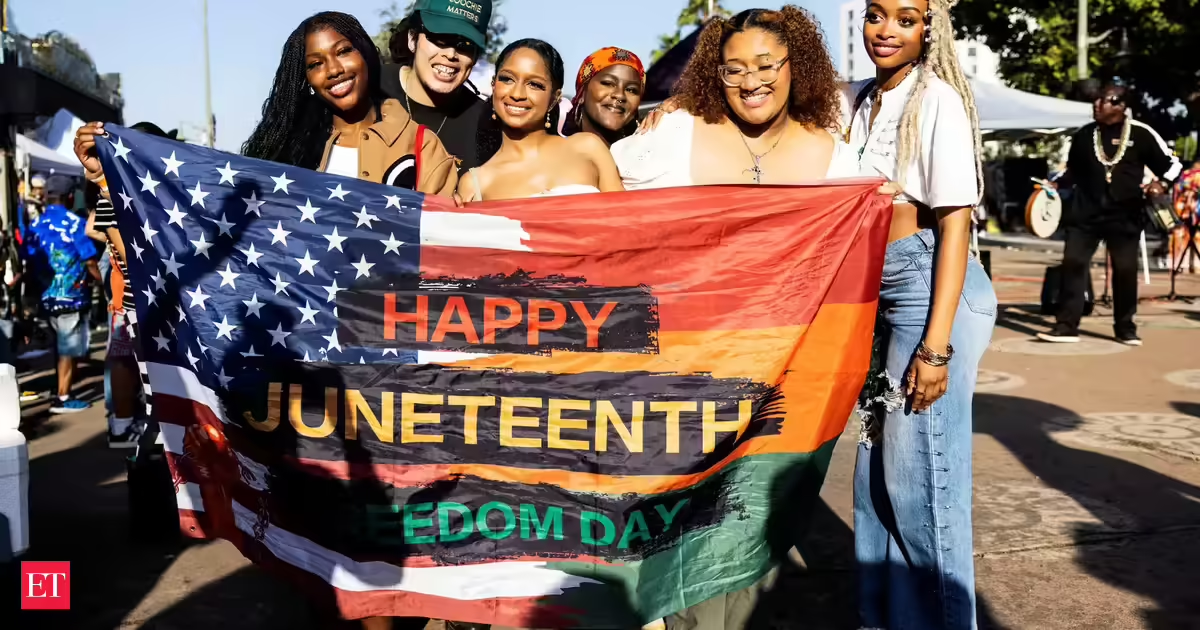
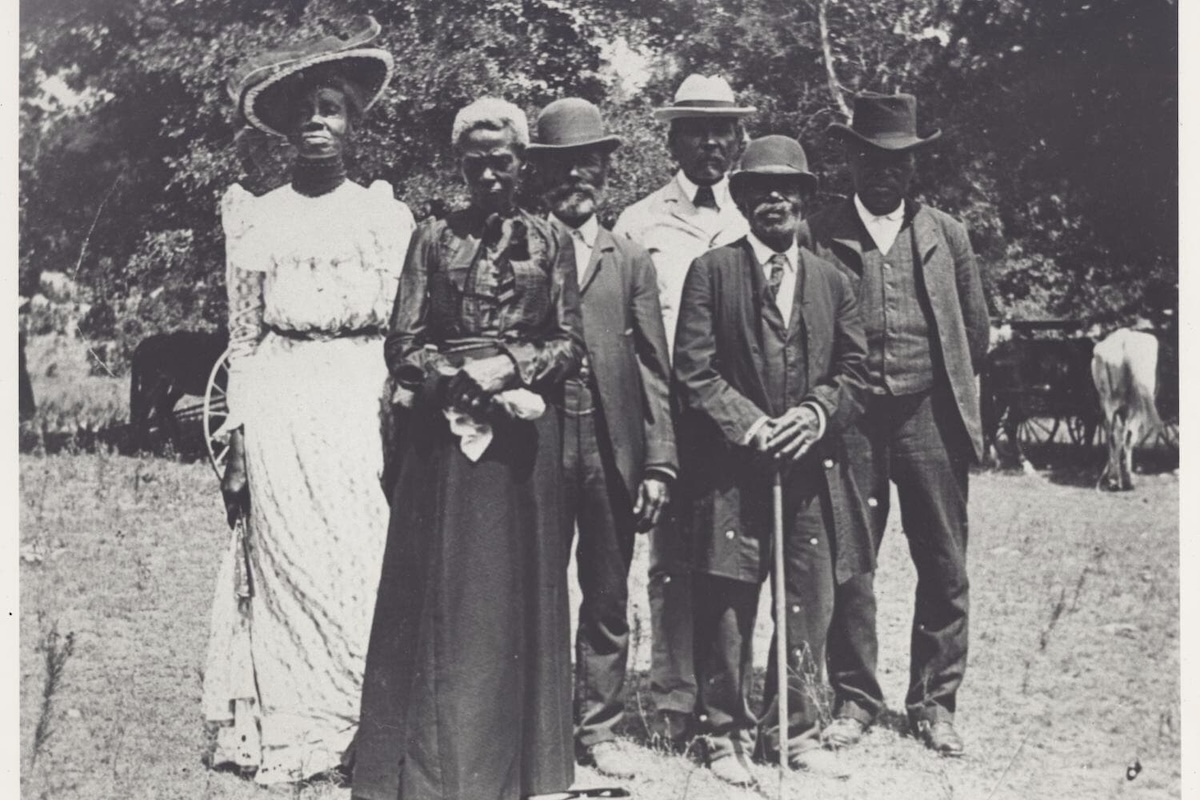
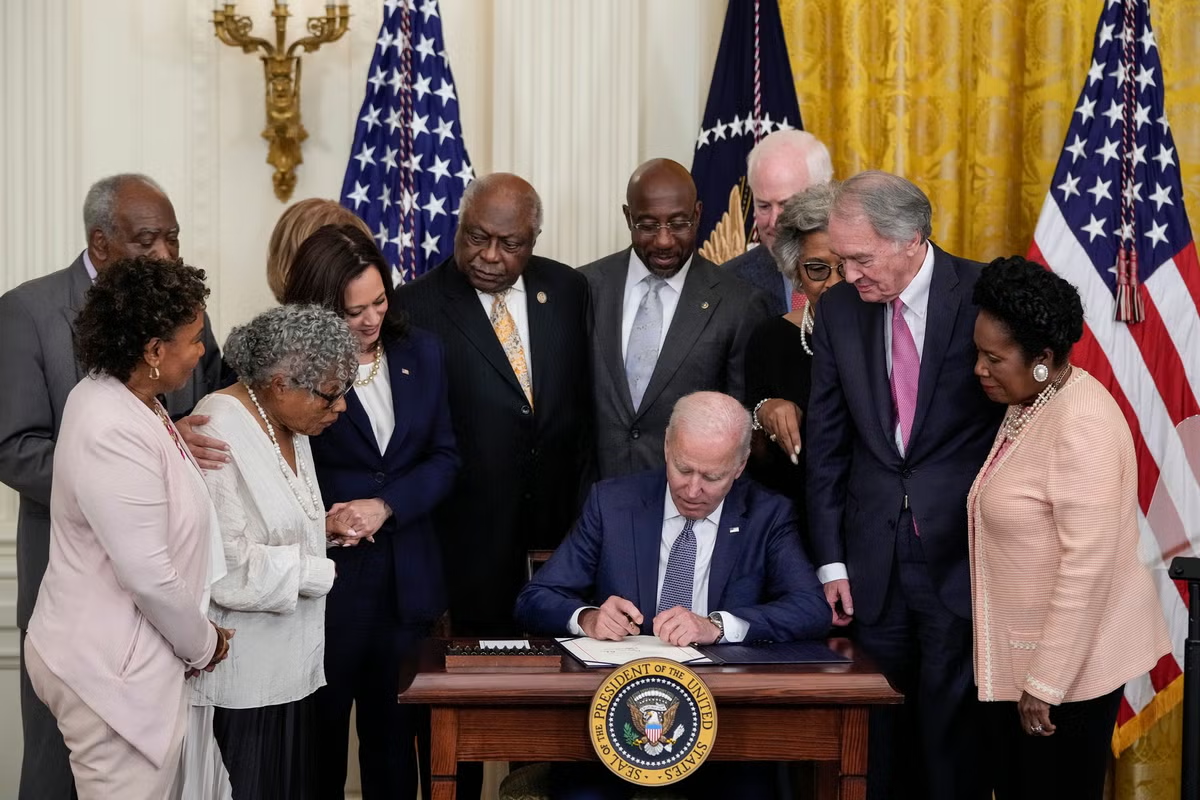
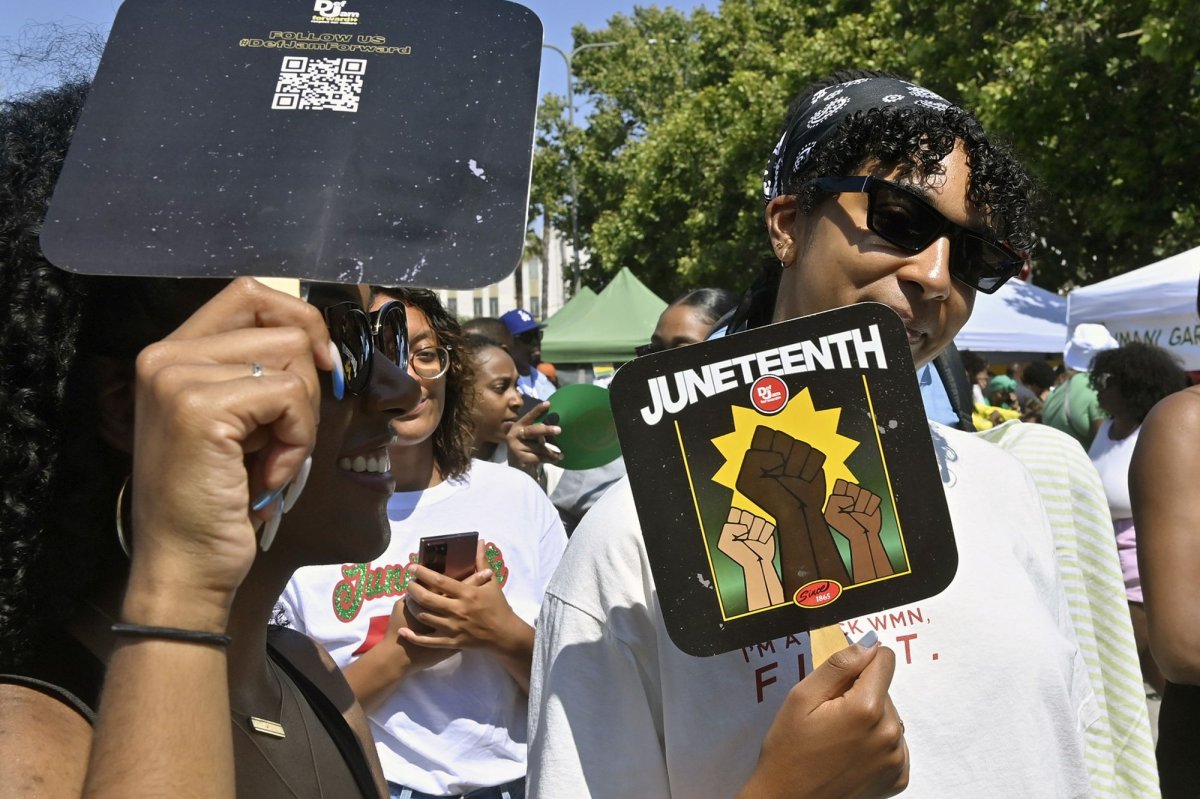
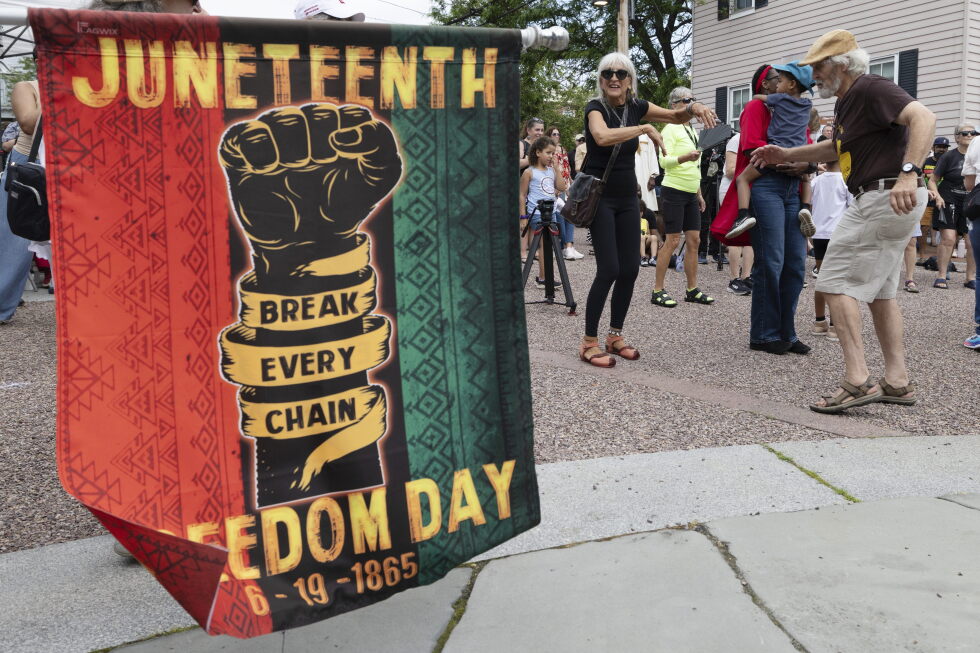
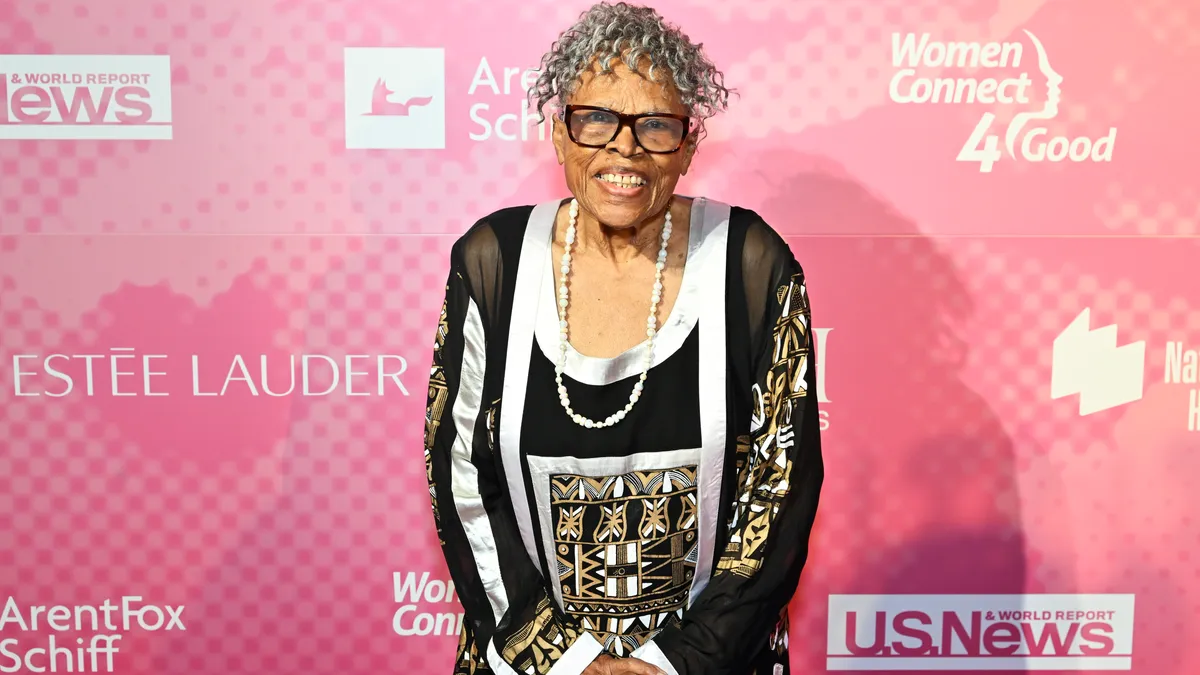
Opal Lee has held many titles in her nearly 100 years – mother, grandmother, teacher, activist. But she’s most heralded as the “Grandmother of Juneteenth,” the woman behind the momentum to federally recognize the holiday.This Juneteenth marks 161 years since the day the last group of enslaved people found out they had been freed in Galveston, Texas. The proclamation came more than two years after President Abraham Lincoln signed the Emancipation Proclamation in 1863. Juneteenth wouldn’t become a federal holiday until 2021.Lee, 99, is celebrating this year by sharing the story of her activism in “A Committee of One” (out now from Amistad). Part memoir, part self-help book, “A Committee of One” reads like loving advice and wisdom from a grandmother.“There are those who've gone before us, those who have taken that time to pass things on to us in a manner that we learn and so it's our responsibility to see that others learn from us,” Lee tells USA TODAY. “We have to take our time with them. It's as simple as that.”Opal Lee led the movement to celebrate Juneteenth nationallyGrowing up, Juneteenth celebrations were an annual anticipation, Lee writes in “A Committee of One." She has fond memories of food-filled childhood celebrations with neighbors, playing jump rope and ball games.“We ate everything that wasn’t nailed down,” Lee says.But not every Juneteenth memory is a happy one. When Lee was 12, a racist mob destroyed her family’s house and all their belongings. The family had only spent four days in the house, which Lee’s parents “worked tirelessly to buy” in a predominantly white neighborhood. In her memoir, she remembers feeling numb as her father told her to grab what she could and run out of the house.“At 12 years old, I got one of my first lessons on the evils of this injustice in the world,” she writes. “I’d spend the next 85 years doing everything I could to highlight the good I still believe exists in this world.”In 2023, Habitat for Humanity gifted her the childhood land back and built her a home on it. She still lives there today. Lee's next 85 years were spent making change in her community and beyond. As a “visiting teacher,” she helped students in need access food, housing and clothing. She ran a food pantry and community farm that employed previously incarcerated people. In her memoir, she says this was “laying the foundation for the work that would come later” with her Juneteenth awareness campaign. She was shocked to learn that it was primarily Black Texans who celebrated the holiday.In 2016, then 89-year-old Lee walked 2.5 miles a day from Fort Worth to Washington, DC, a symbolic representation of that two-and-a-half-year delay. In 2020, her petition garnered over 1.6 million signatures. Then-President Joe Biden signed the Juneteenth National Independence Day Act in 2021. Lee visited the White House. She remembers it as a “precious day.”Freedom ‘is for everybody,’ Opal Lee saysToday, Lee celebrates by taking that symbolic 2.5-mile walk by car in her native Fort Worth, Texas. Participants will walk by her side there and host their own walks in cities like Cincinnati, Honolulu and Los Angeles. “Juneteenth is so much more than what we envision it,” Lee says. Promise Roland, Lee’s granddaughter, who sits in on our conversation, adds there’s a misconception that the holiday is only for Black Americans or Texans.In her memoir, Lee outlines her monthlong Juneteenth practice. She starts the morning with a “breakfast of prayer,” to call “for unity in our nation.” She celebrates with the Miss Juneteenth pageant and a three-day festival with a film festival, cook-off, college recruitment fairs, fireworks, music and educational seminars, she writes. And then, of course, there’s Opal’s Walk for Freedom.She calls freedom a “daily practice” of kindness, advocacy, helping your community and joy. "None of us are free until we're all free," she previously told USA TODAY in 2022.“When I practice freedom, I tell you, it’s for everybody and it means that we should in every way possible share the things we know, things we do with other people, with other youngsters,” Lee says. “Help them learn that there’s more to life than just their little pond that they’re swimming in.”Even as she gears up to celebrate her centennial in October, Lee is still dreaming big. She believes Juneteenth should extend from June 19 through the Fourth of July, so the two holidays can “stand tall” side by side, “not as a replacement, but as a reckoning, a completion of the freedom story.” Clare Mulroy is USA TODAY’s Books Reporter, where she covers buzzy releases, chats with authors and dives into the culture of reading. Find her on Instagram, subscribe to our weekly Books newsletter or tell her what you’re reading at cmulroy@usatoday.com.