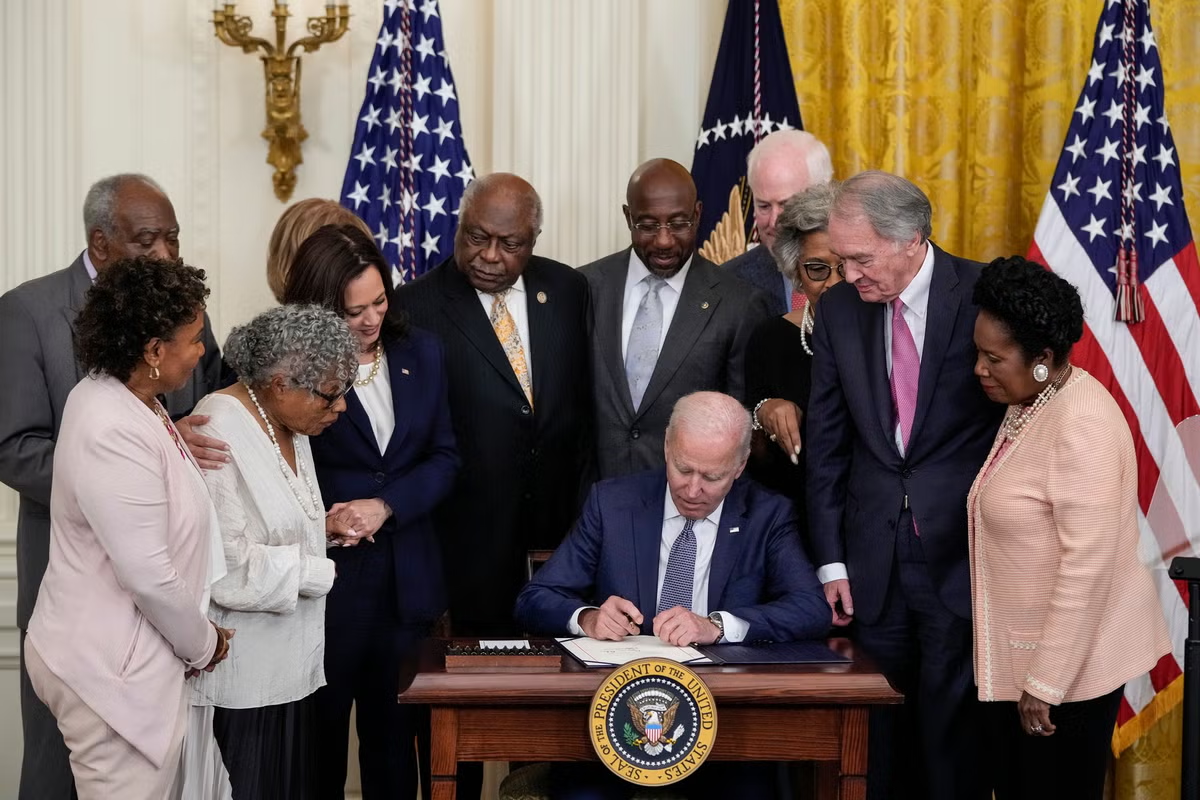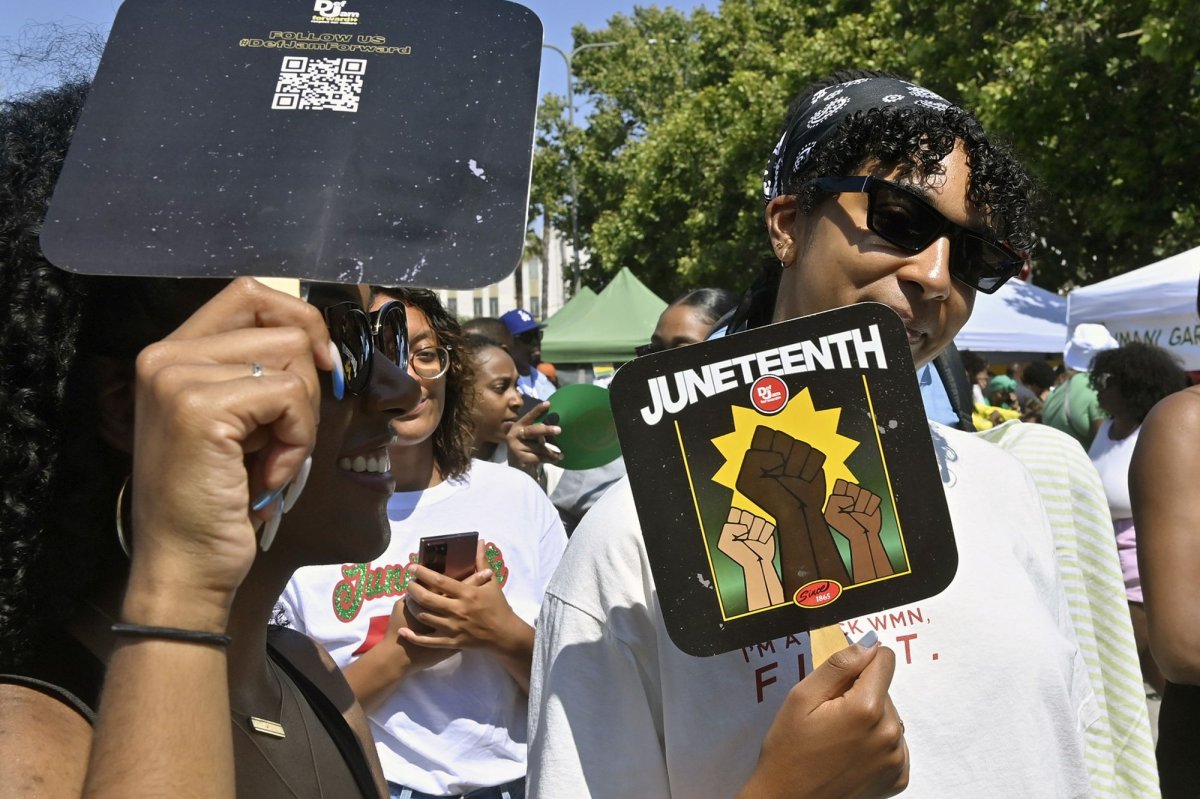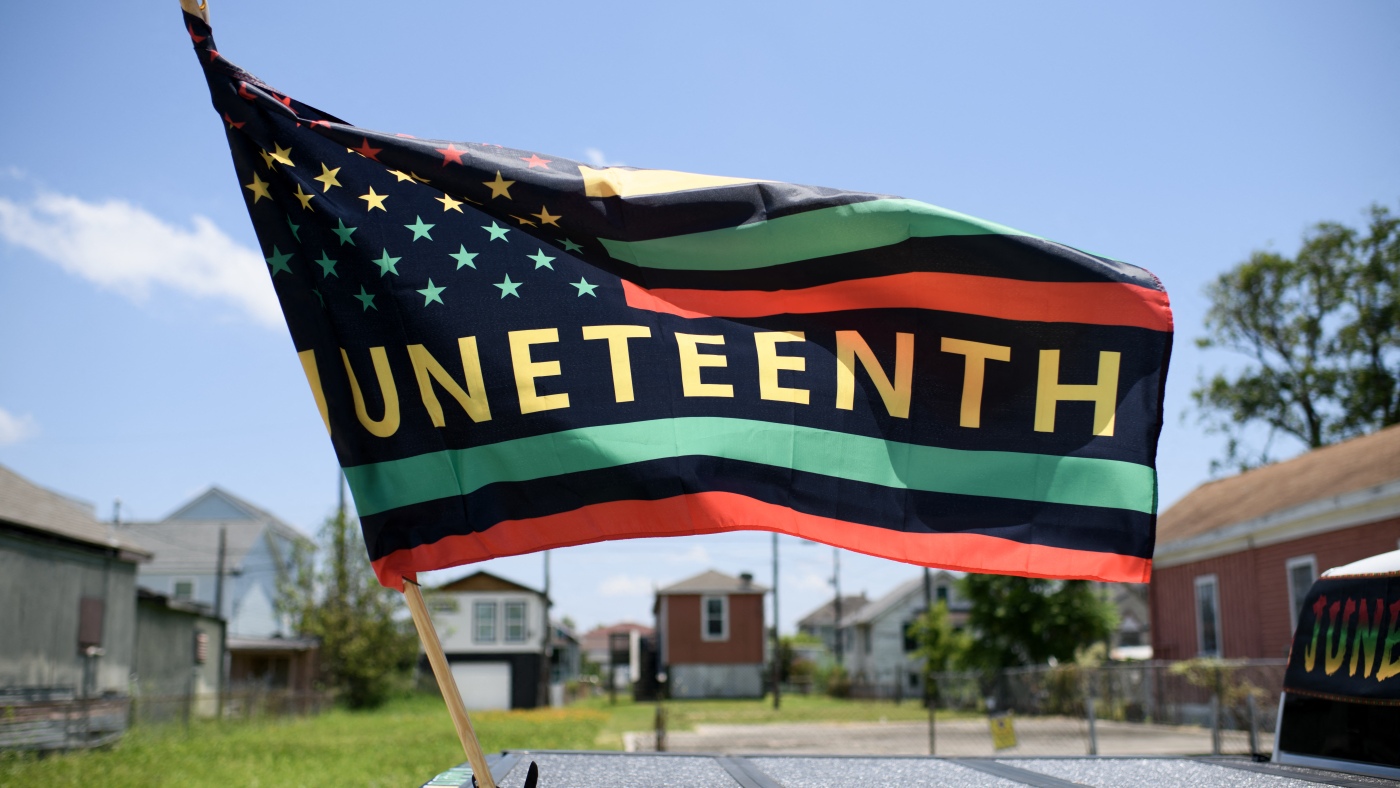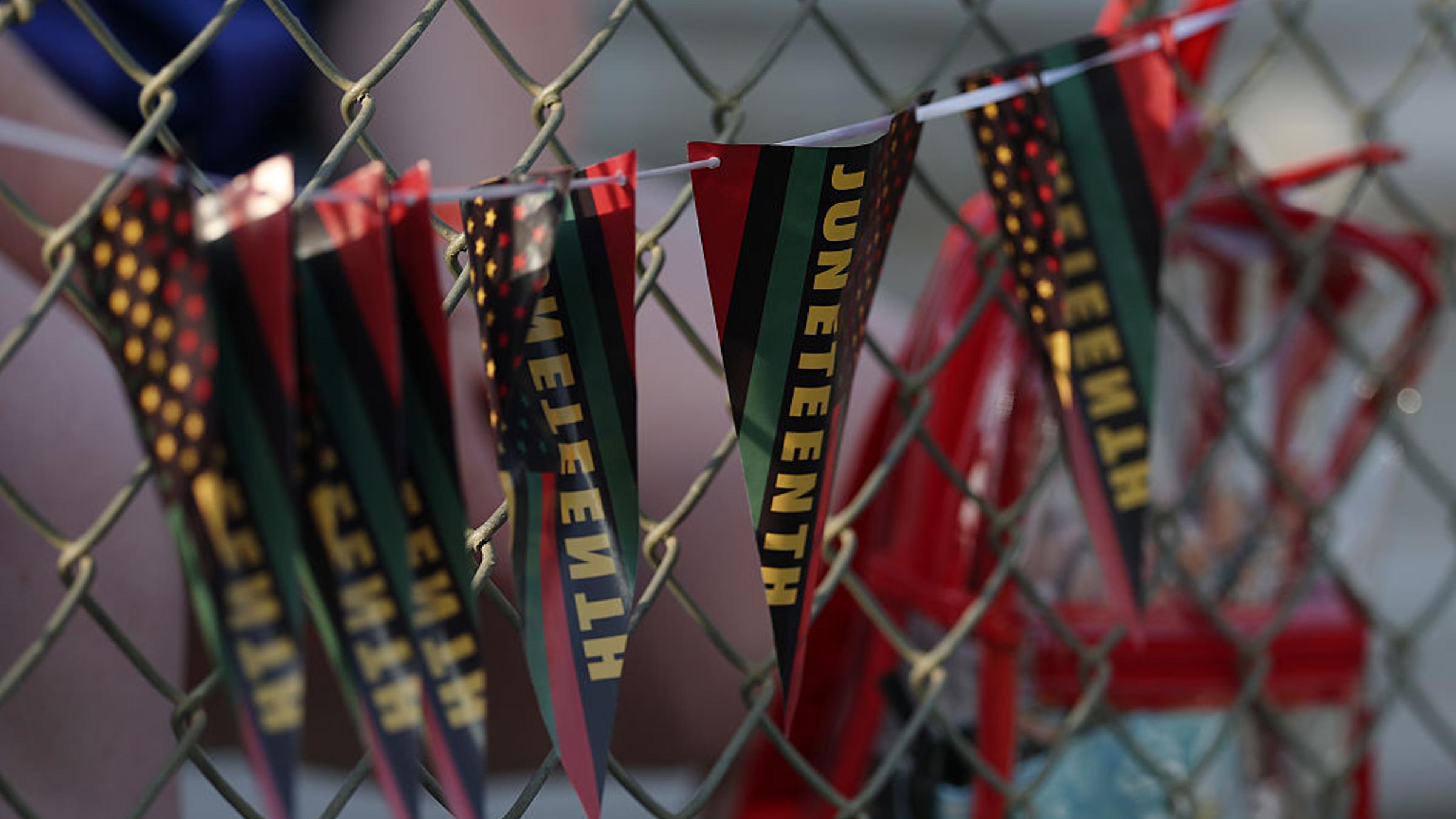
Freedom in the United States has always arrived in stages, declared in one space and denied or delayed in another. Such was the reality for formerly enslaved Texans who learned of their emancipation in 1865, two and a half years after President Abraham Lincoln announced the Emancipation Proclamation and the same year he issued his “40 acres and a mule” promise. Indeed, Juneteenth is as old as the call for reparations. Flashforward to 2021, and the bill that established Juneteenth as a national holiday and H.R. 40, the proposal to establish a commission to study reparations, reached Congress. The former passed, the latter did not. But these bills are companion pieces; one marks the delay of freedom, and the other reckons with it. Late Congresswoman Sheila Jackson Lee, who was instrumental in promoting these bills, was intentional about pairing them. Without reparative justice, Juneteenth is muted, symbolic, but not transformative. To be sure, this was not the first time Americans have raised the importance of addressing America’s original sin. In fact, Representative. John Conyers first introduced Jackson Lee’s bill in 1989. But for decades, federal and state governments have rejected even the notion of studying reparations. Against this backdrop of denial and delays, the United Nations recently called for reparatory justice for Africans and people of African descent. Headlines primarily focused on the international body declaring that “the trafficking of enslaved Africans and racialized chattel enslavement of Africans as the gravest crime against humanity.” I was pleased to see the U.N. profess this truth. As we know, truth is the first step toward healing and restoration.I am not surprised, nor deterred, that U.S. officials chose not to align with other nations in the U.N. vote. Making Juneteenth a national holiday is the closest our country has gotten to acknowledging the truth about enslavement and its vestiges. While essential, we must move beyond apologies and recognition. The horrific legacy of slavery, which produced inequities and exclusion, will not be uprooted with resolutions and holidays. Equality did not happen following the passage of the 13th Amendment, Reconstruction, the Civil Rights Movement, or affirmative action. That is why we must continue to fight for liberation and radical repair. The impacts of America’s history of slavery and racism are many, and so too are possible forms of reparations. Chattel slavery stole people’s families, intellectual creations, land, access to resources, and, for some, spiritual foundations. Many Black communities today still grapple with a lack of housing, adverse health effects stemming from environmental racism, so-called urban renewal that strips their communities of economic opportunities, and the dilution of their power through arbitrary political boundaries. Our generation is charged with closing the gap between admission and repair. I was honored to work with Barbara Lee, former congresswoman and current Oakland mayor, on the United States Truth, Racial Healing and Transformation Commission to help make reparations a reality. In doing so, I witnessed how she, and others in that effort, held the moral line without flinching. The fight for reparations will always have institutional resistance, but we must never allow the urgency of justice to be pushed aside. For the love of justice, freedom, and our people, it is critical that we all hold the moral line. This is especially true now, as powerful forces work to undo the progress that has been made. It is more imperative than ever to support civic leaders and change-making organizations who are fighting for an equitable, just world. Ahead of this Juneteenth, Congresswoman Ayanna Pressley carried that charge forward, calling on Congress to advance H.R. 40 and a full reparative justice agenda.This Juneteenth, we must acknowledge both the wins we have achieved and the winds that propel us forward. When once-unspeakable truths break through and are finally said aloud, that is a win. And when our leaders pass the torch in calling for our country to study, assess, and address the need for restitution, that is a win. Meanwhile, the winds are less visible, but they are felt. It is a quiet insistence that justice is still moving; it is on its way to demand reparations. It is shifting and shaping as we joyously tap into the spirit of Juneteenth, the preserving spirit that has already planned our freedom. I hope future Juneteenth celebrations are amplified by truth, healing, and repair. But for now, I believe the winds are encouraging and that justice delayed will not remain justice denied.
You Can't Separate Juneteenth From the Call for Reparations
“This Juneteenth, we must acknowledge both the wins we have achieved and the winds that propel us forward,” writes Marcus Anthony Hunter.
738 words~3 min read