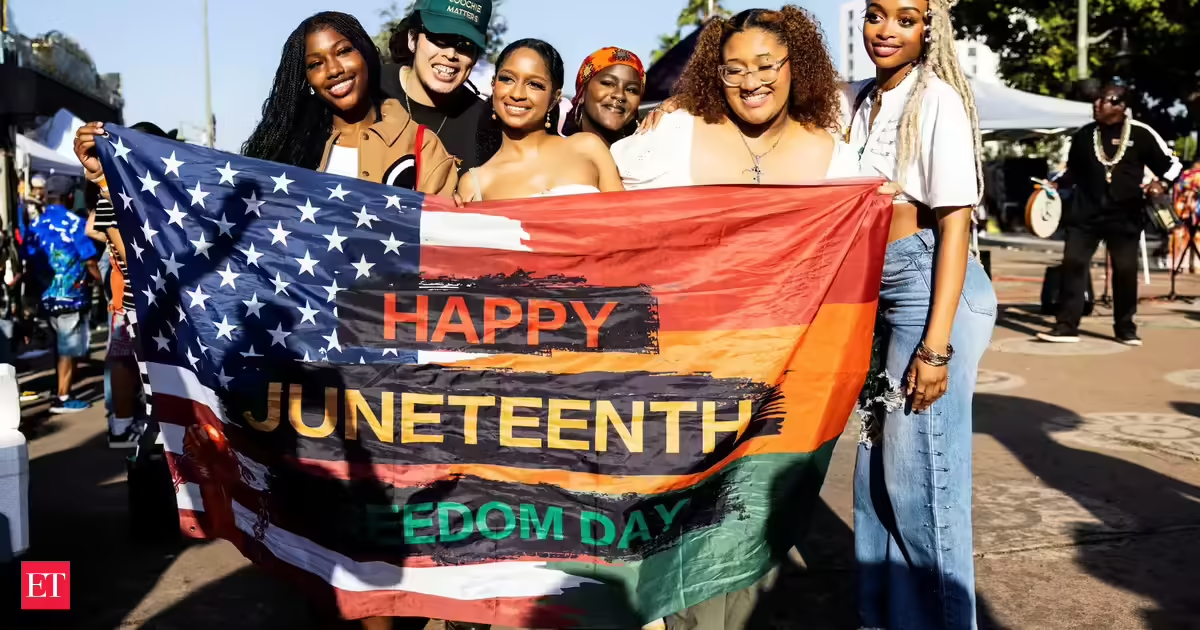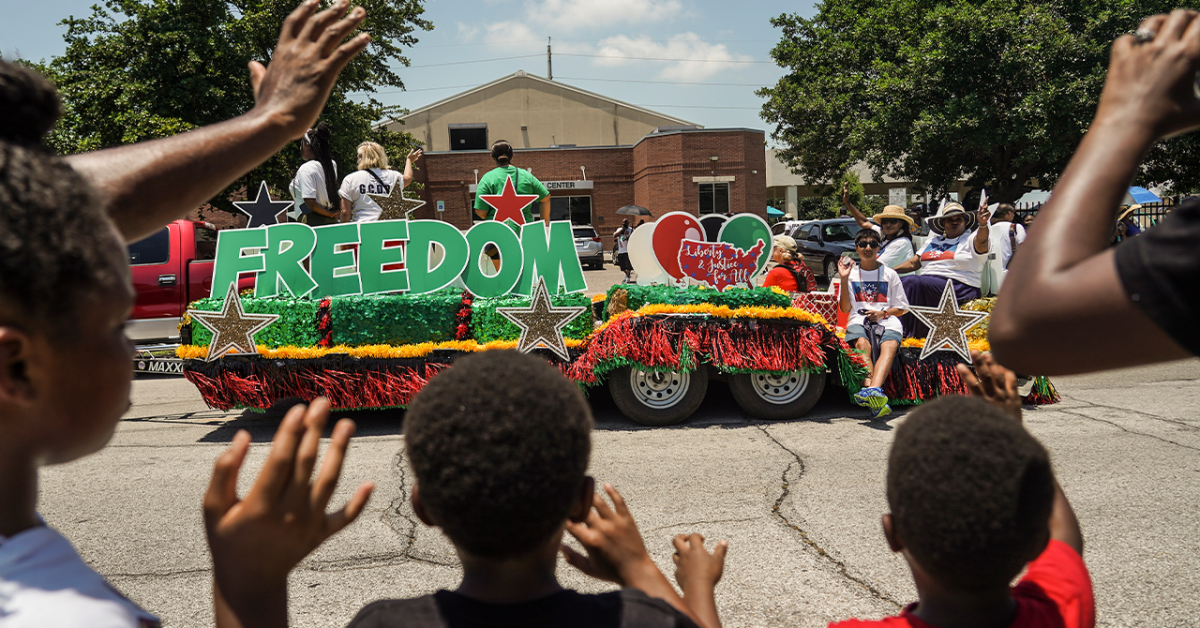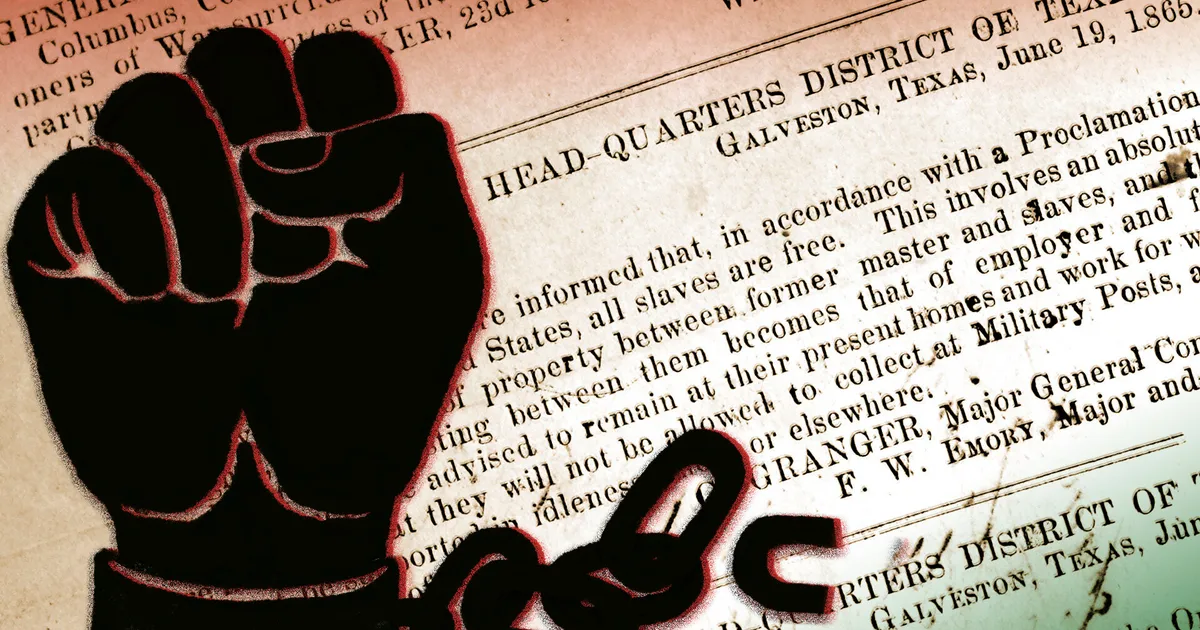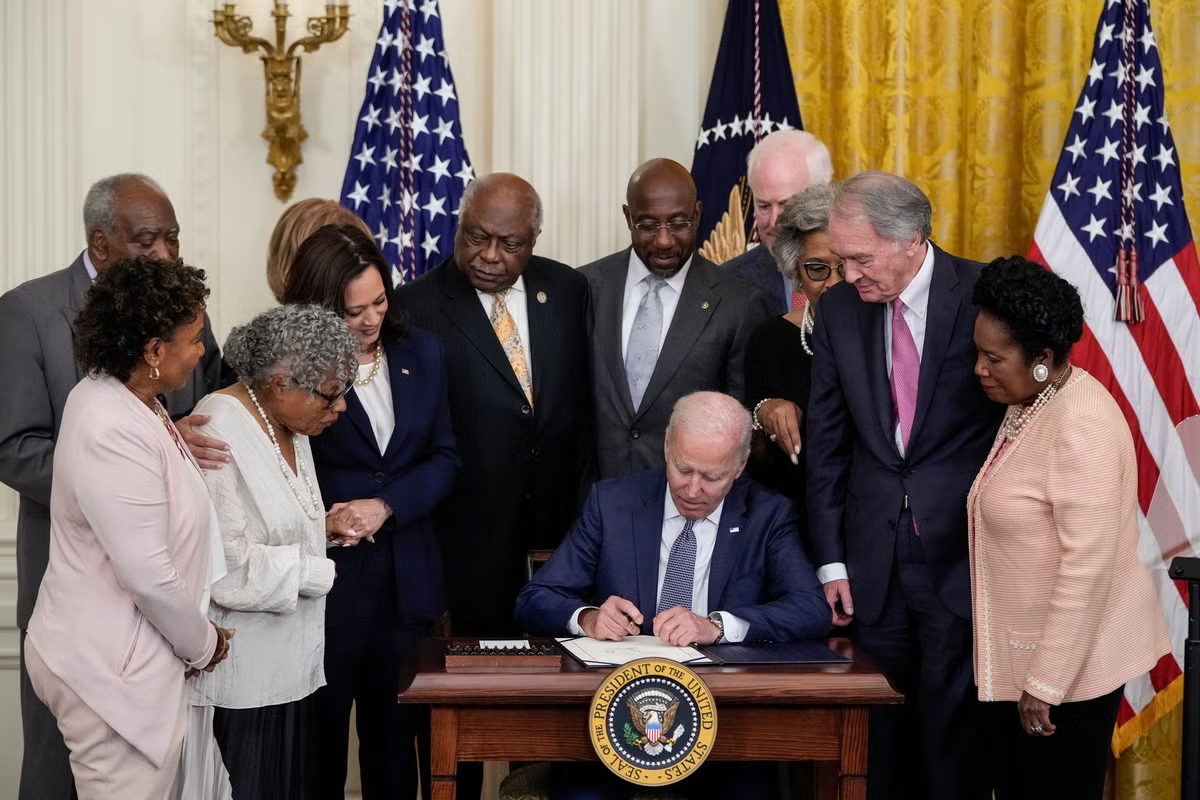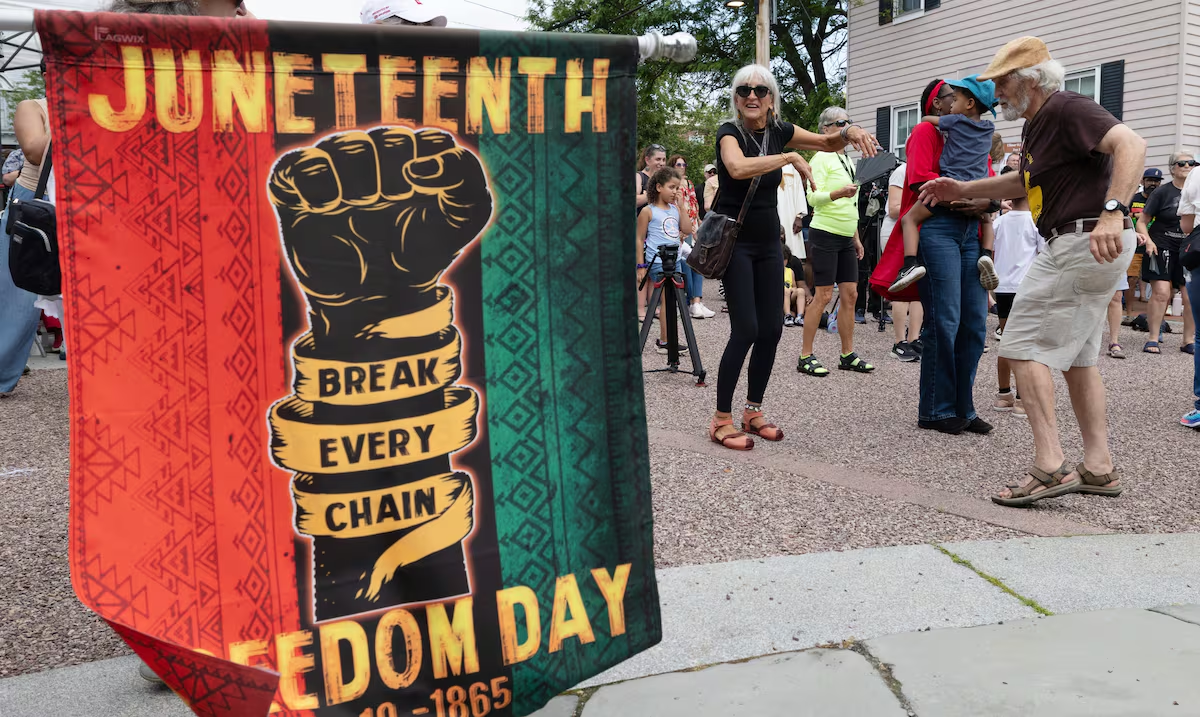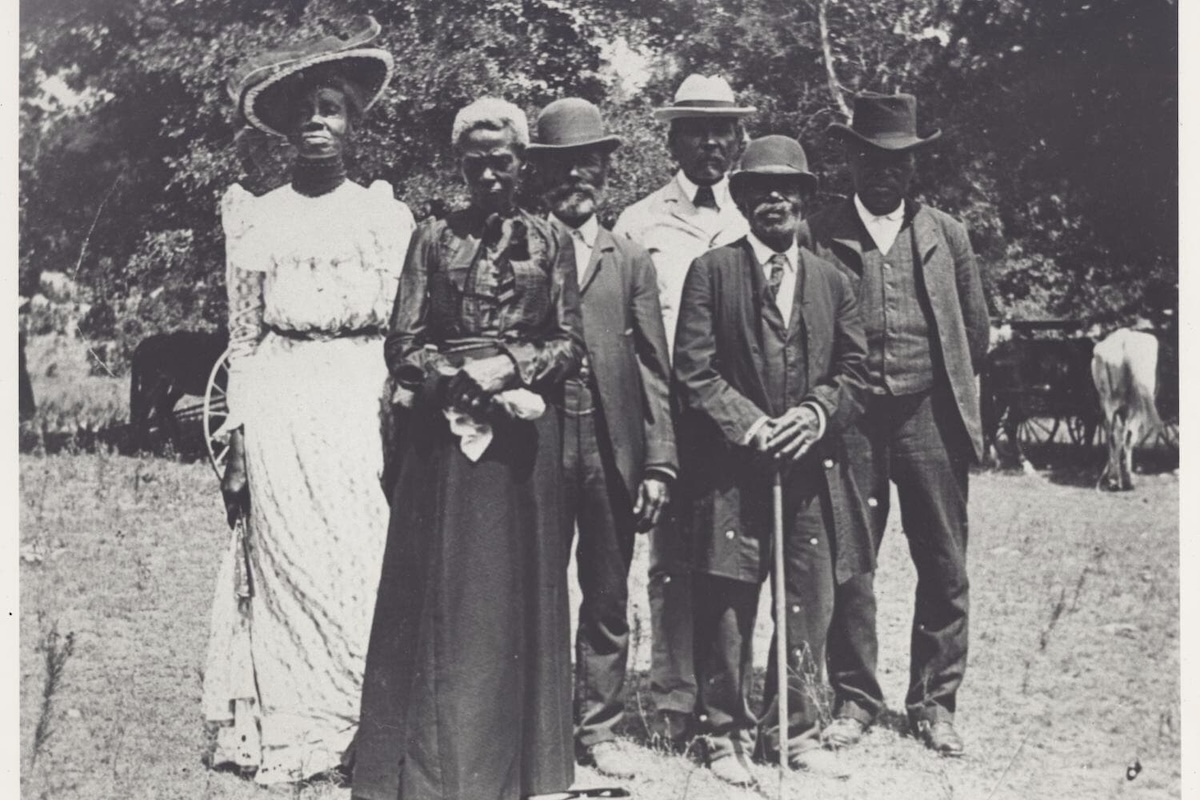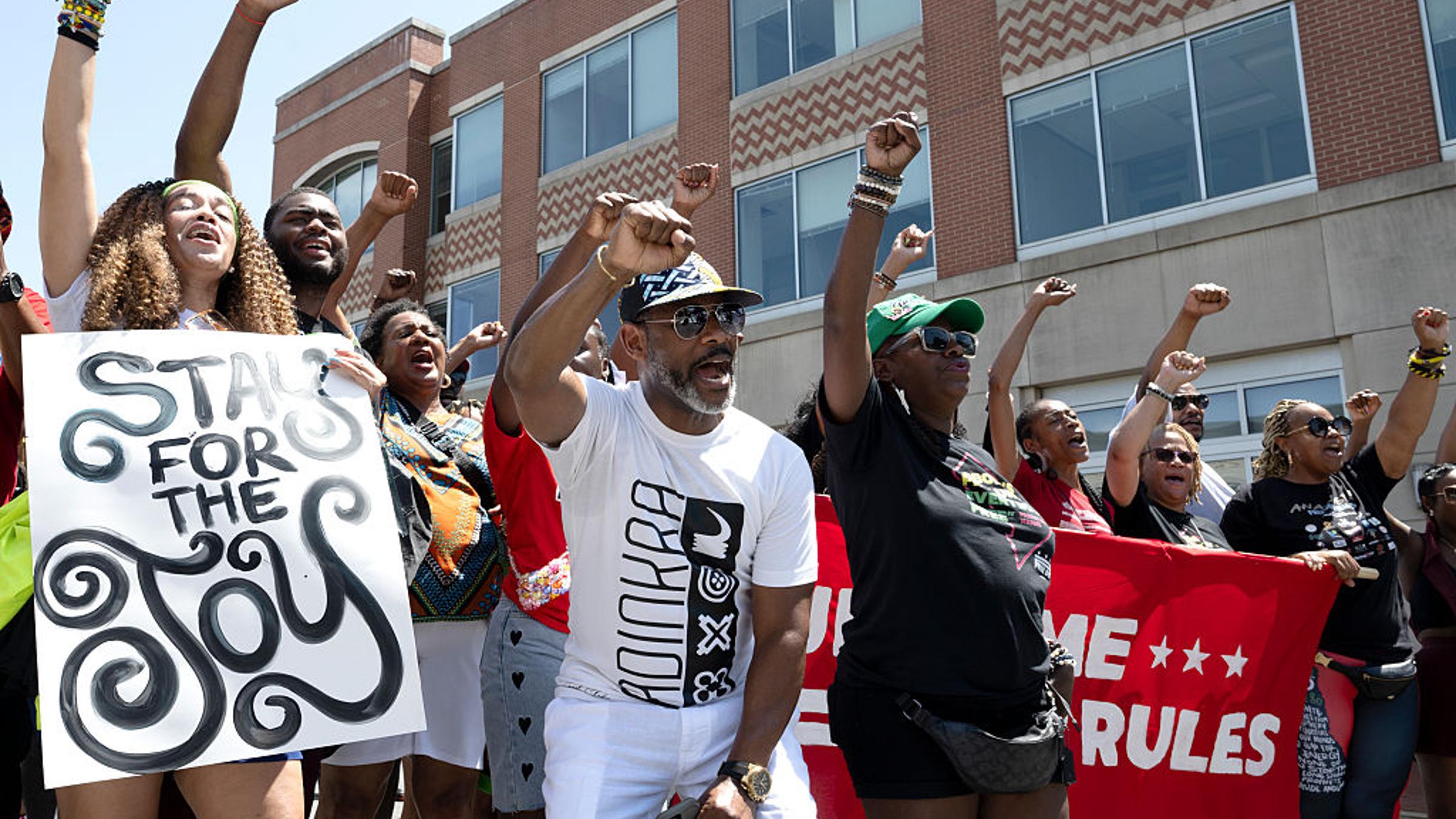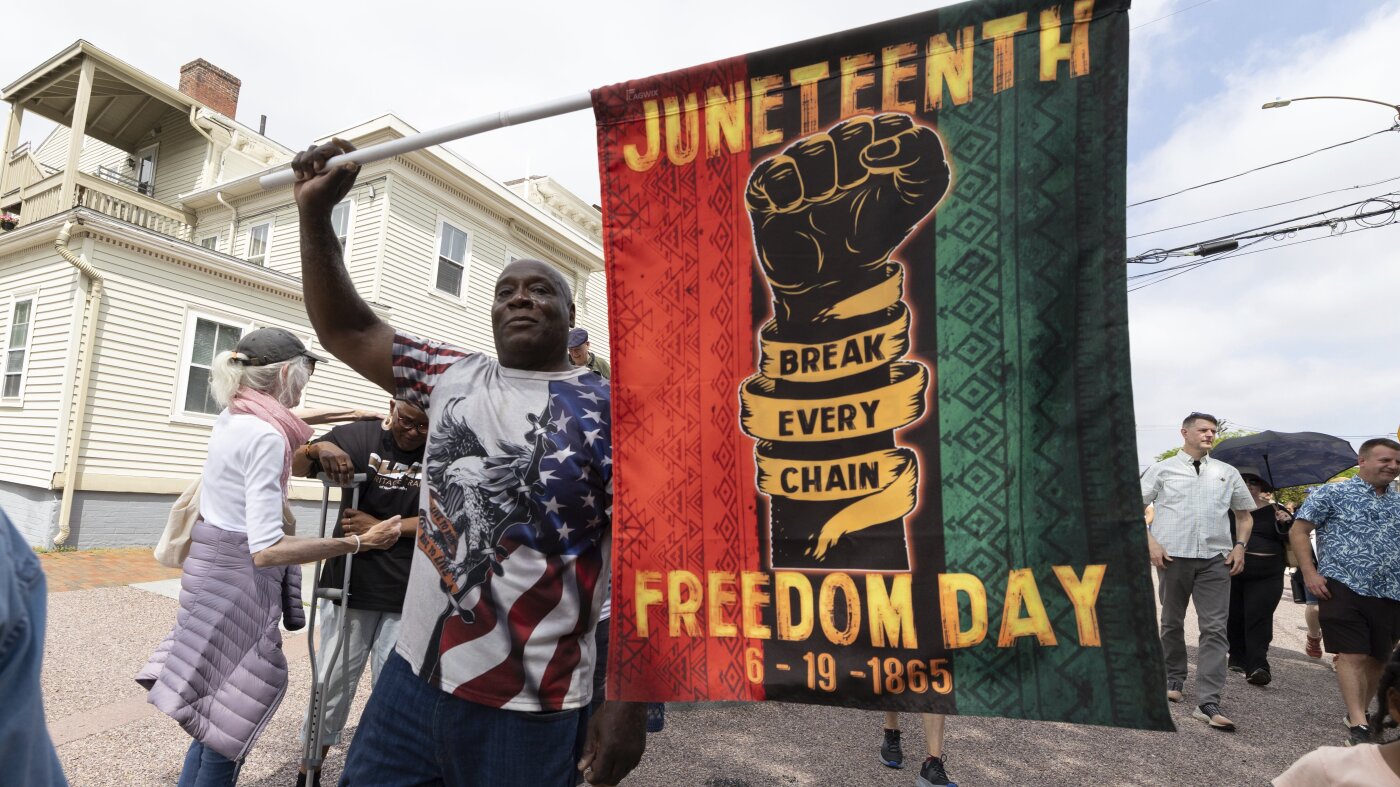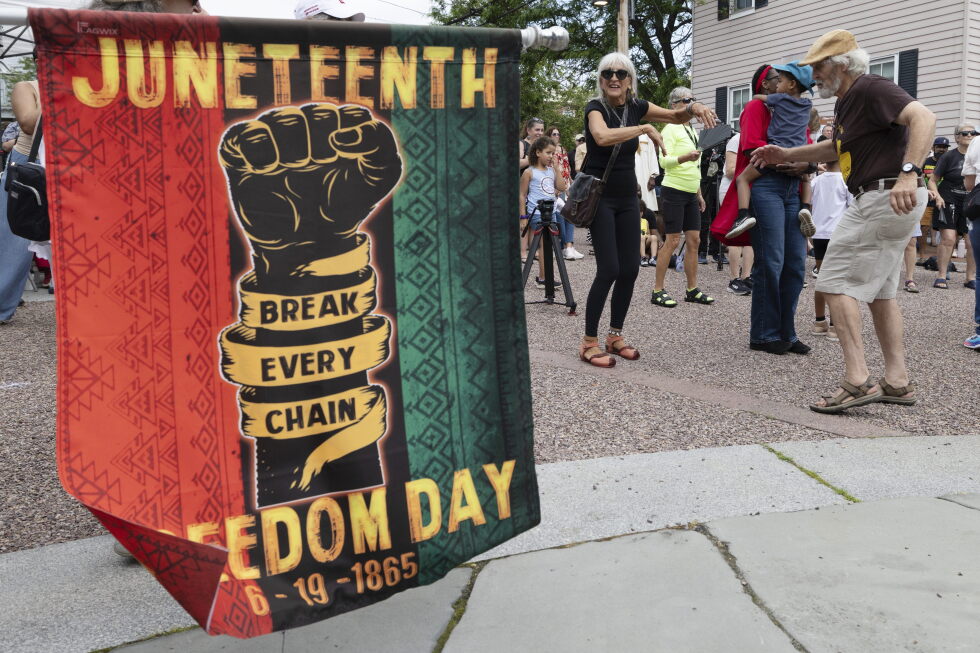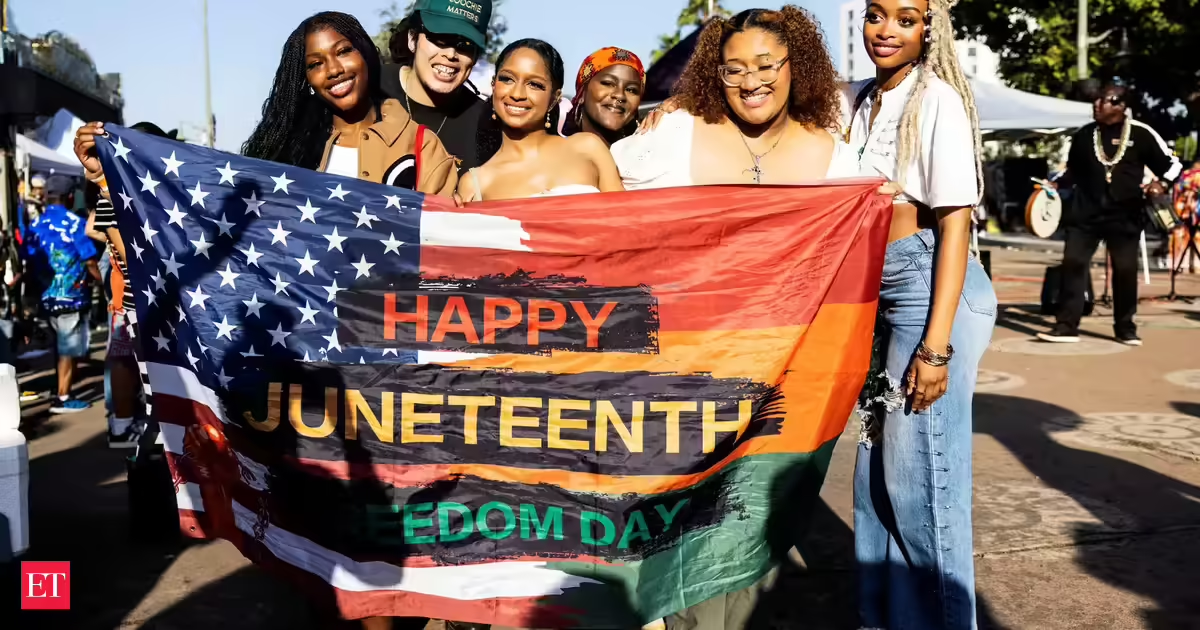
SynopsisJuneteenth, celebrated on June 19, commemorates the end of slavery in the US. This federal holiday, officially recognized in 2021, marks the 1865 arrival of Union troops in Texas, informing enslaved African Americans of their freedom. Across the nation, vibrant parades, cultural events, and educational programs highlight freedom, resilience, and the ongoing pursuit of equality.ReutersJuneteenth, observed annually on June 19, is one of the most important commemorative days in the United States. The holiday marks the end of slavery in the United States. In 2026, Juneteenth continues to be celebrated nationwide through parades, cultural events, educational programmes, community gatherings and reflections on the nation's history. What is Juneteenth? The name "Juneteenth" is a combination of the words "June" and "nineteenth" and refers to June 19, 1865. On that day, Union troops arrived in Galveston, Texas, and informed enslaved African Americans that they were free. The announcement came more than two years after President Abraham Lincoln issued the Emancipation Proclamation on January 1, 1863. Although the proclamation declared enslaved people in Confederate states free, enforcement depended on the advance of Union forces during the American Civil War. As a result, many enslaved people in Texas remained unaware of their freedom until June 1865. Juneteenth later became a symbol of liberation, hope and the long struggle for equality. How did Juneteenth become a federal holiday? Juneteenth was celebrated within African American communities for generations before receiving broader national recognition. Texas became the first state to officially recognise the observance in 1980. Over the following decades, awareness and support for the holiday grew across the country. In 2021, Juneteenth was officially designated a federal holiday in the United States, making it the first new federal holiday established in decades. The move recognised the historical importance of the day and its role in preserving the memory of emancipation. Is there an official Juneteenth 2026 theme? Juneteenth does not have a single nationwide theme that applies across all celebrations. Instead, individual organisations, educational institutions, local governments and community groups often select their own themes for events and programmes. Despite the absence of a national theme, the central message of Juneteenth remains consistent. The day focuses on freedom, African American history, cultural heritage, resilience, community empowerment and the continuing pursuit of equality and justice. How is Juneteenth celebrated? Juneteenth celebrations take many forms across the United States. Communities organise parades, cultural festivals, educational workshops, historical exhibitions, musical performances and public discussions about Black history and civil rights. Many families mark the occasion with gatherings, cookouts and traditional meals. Churches, schools and community organisations often host events aimed at educating younger generations about the significance of the holiday and the history behind it. In cities with strong Juneteenth traditions, large-scale celebrations attract thousands of participants and feature live entertainment, storytelling sessions, heritage displays and community outreach programmes. What does the Juneteenth flag represent? The Juneteenth flag is designed with red, white and blue colours, reflecting the American flag and symbolising the place of African Americans within the broader American story. At its centre is a white star representing Texas, where Juneteenth originated. The burst surrounding the star signifies a new horizon and the expansion of freedom across the nation following emancipation. The flag has become a widely recognised symbol of the holiday and its historical significance. Why Juneteenth remains important today More than 160 years after the events in Galveston, Juneteenth remains both a celebration of freedom and a reminder of a pivotal moment in American history. The holiday honours those who endured slavery while recognising the achievements and contributions of African Americans throughout the country's development. For many, Juneteenth is also an opportunity to reflect on the ongoing pursuit of equality, civil rights and social progress. As celebrations continue across the United States in 2026, the day serves as a reminder of the importance of freedom, resilience and historical remembrance.Read More News on
Juneteenth 2026: History, significance and everything you need to know about the holiday marking the end of slavery
Juneteenth, celebrated on June 19, commemorates the end of slavery in the US. This federal holiday, officially recognized in 2021, marks the 1865 arrival of Union troops in Texas, informing enslaved African Americans of their freedom. Across the nation, vibrant parades, cultural events, and educational programs highlight freedom, resilience, and the ongoing pursuit of equality.
647 words~3 min read