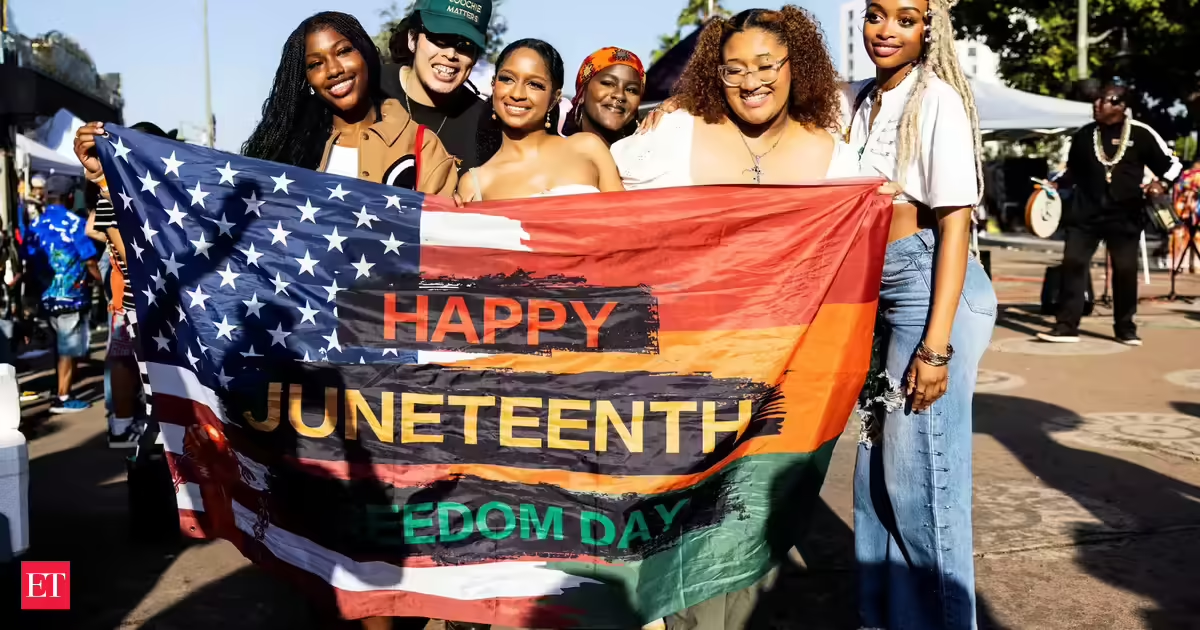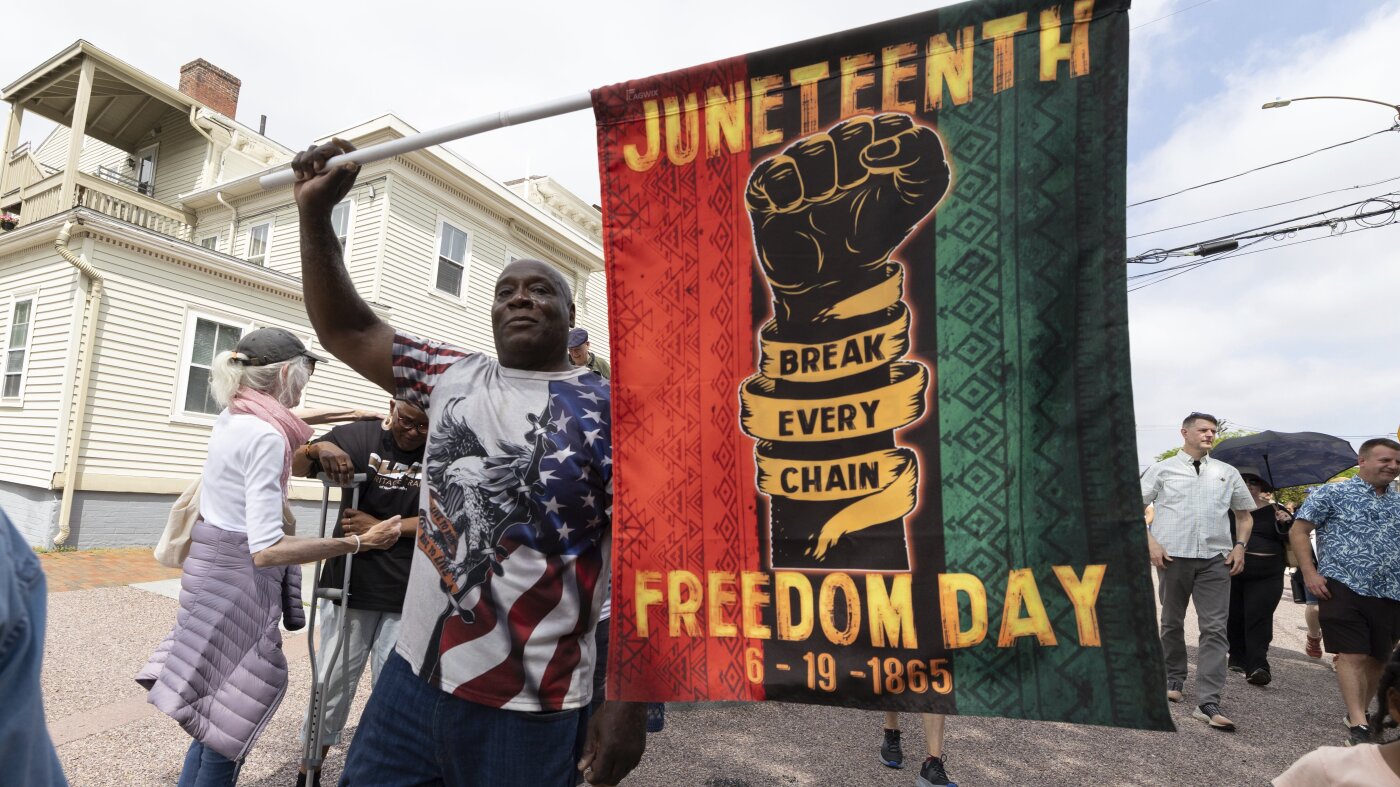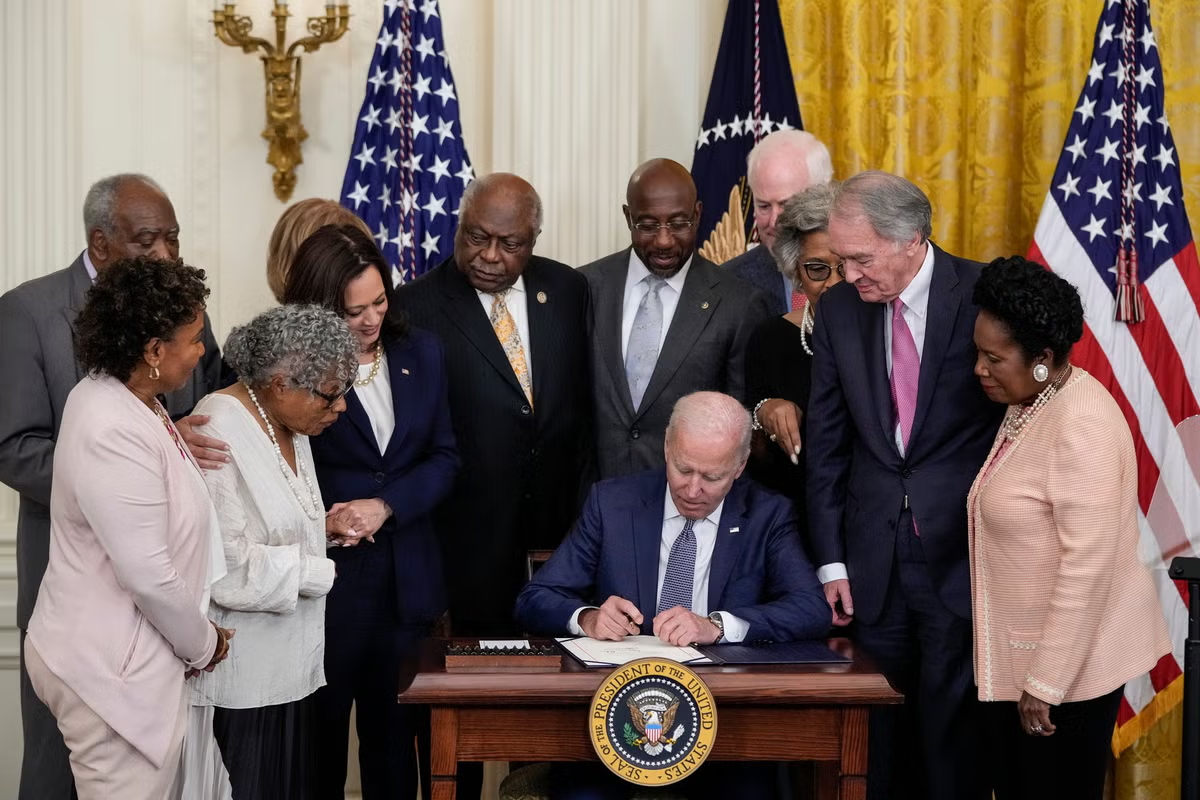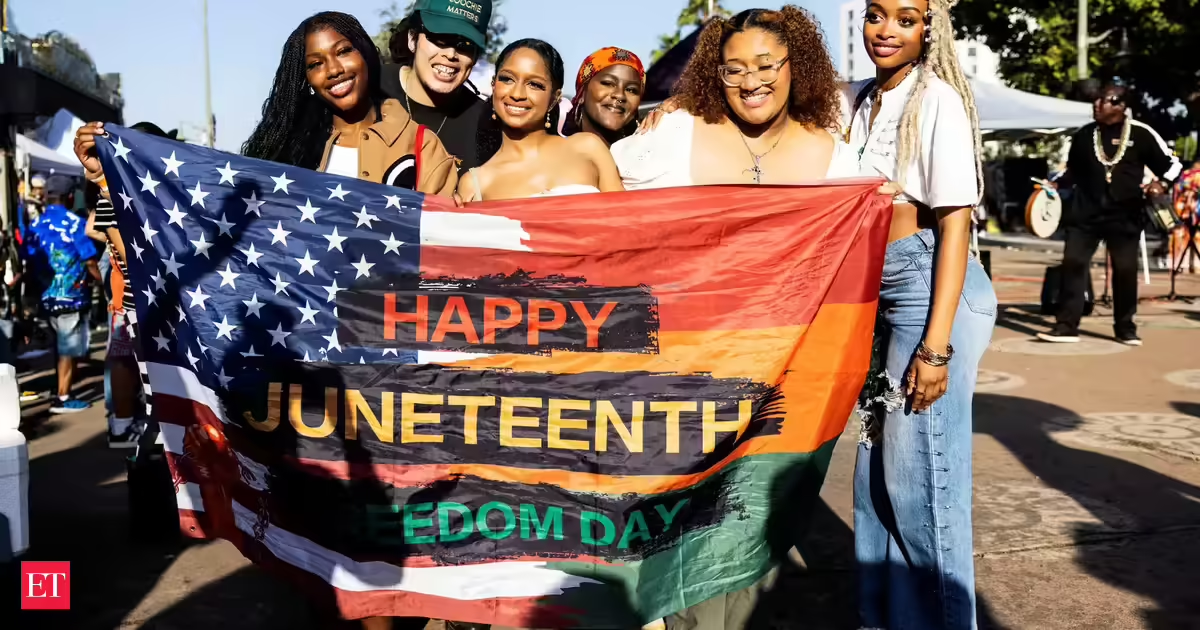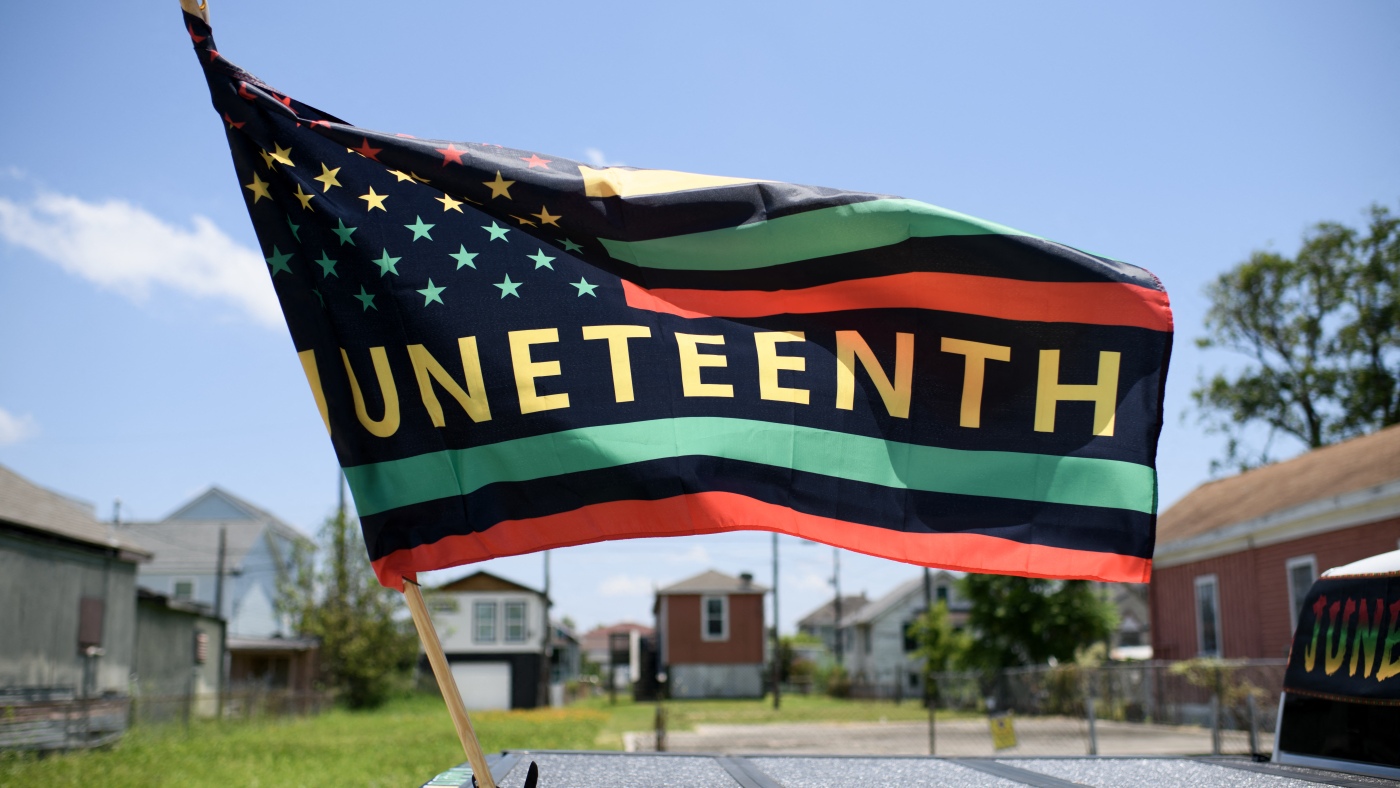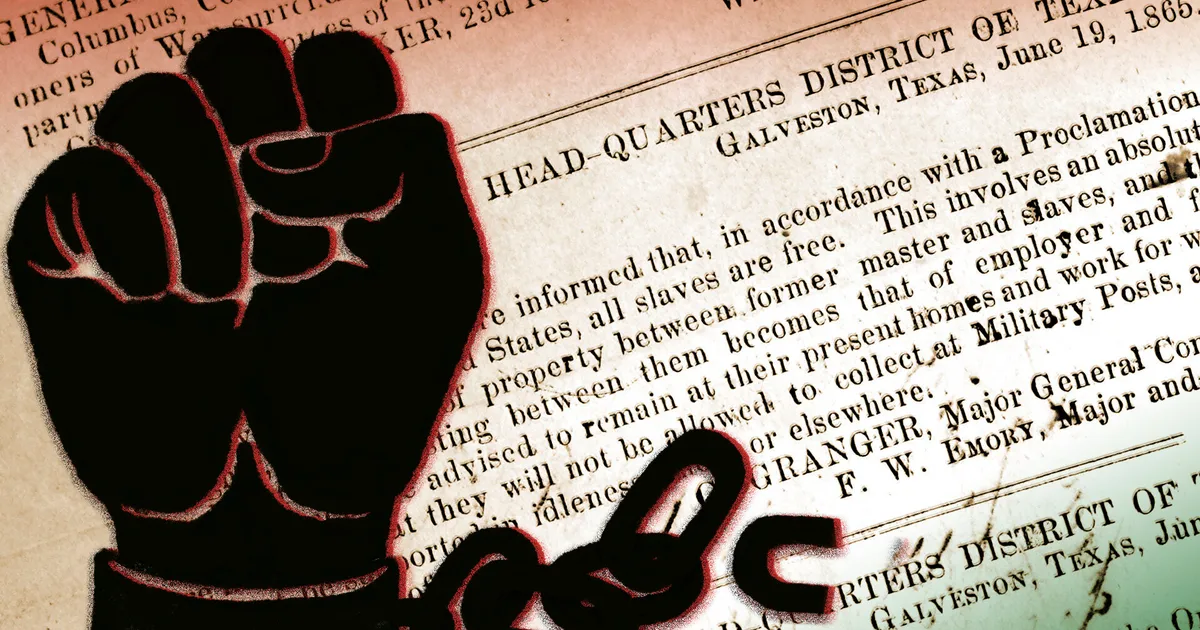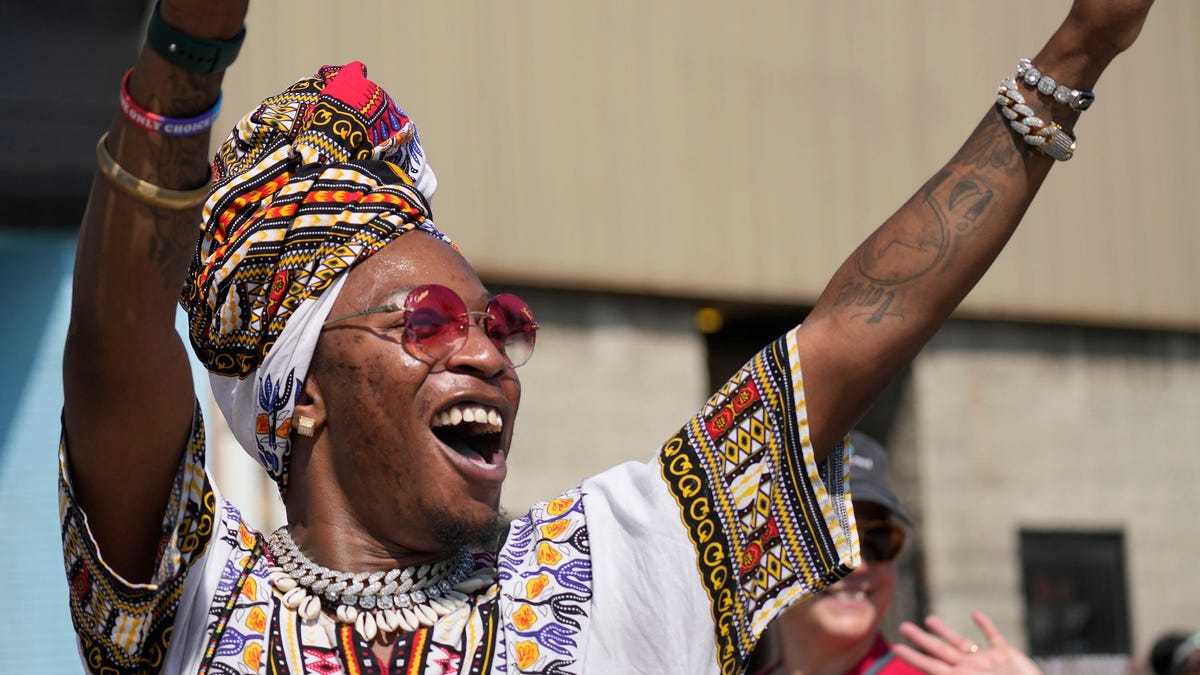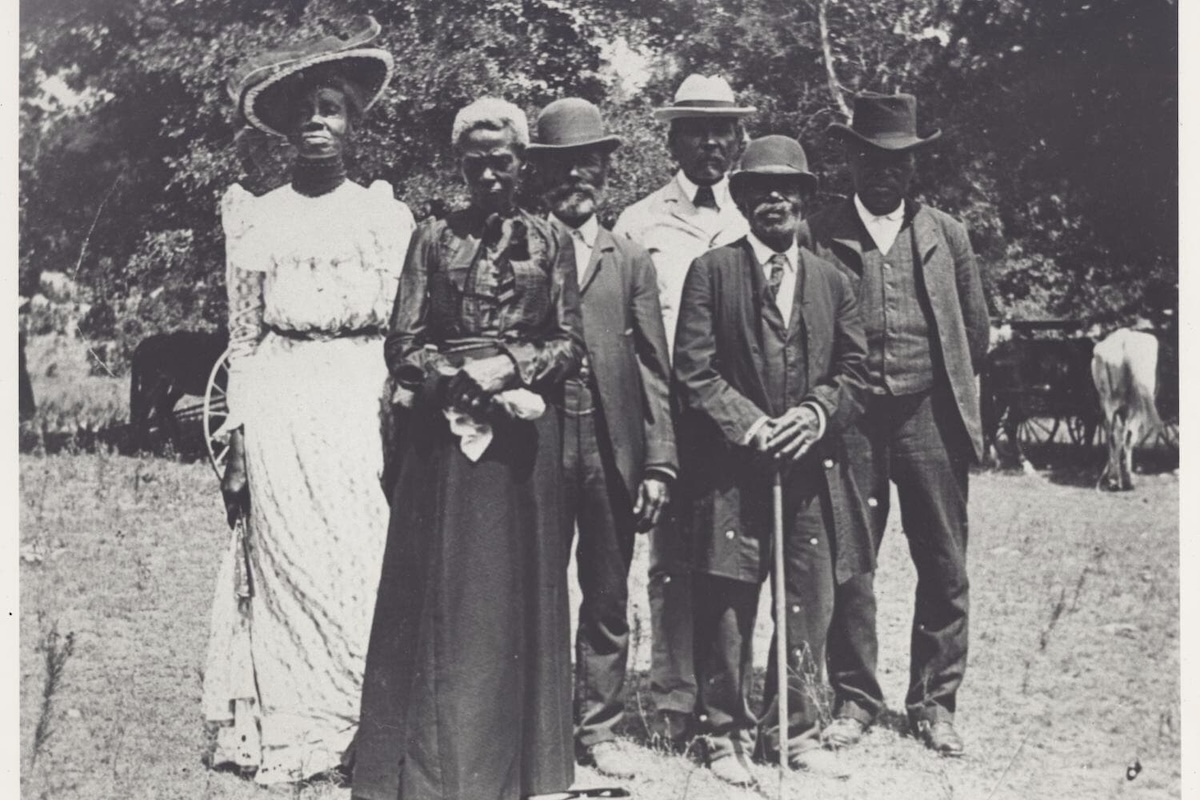
Juneteenth marks the date that Union troops arrived in Galveston, Texas — June 19, 1865 — carrying the news of the end of the Civil War and the Emancipation Proclamation. What began as a regional holiday has since grown to become a national holiday.
The document that signaled the beginning of slavery’s end in the United States, the Emancipation Proclamation — an 1864 copy of which is held by the Penn Libraries’ Kislak Center for Special Collections, Rare Books and Manuscripts — had been signed by President Abraham Lincoln a full two and a half years before the convergence in Galveston.
Penn Today spoke with Marcia Chatelain, the Presidential Penn Compact Professor of Africana Studies, and Kermit Roosevelt, the David Berger Professor for the Administration of Justice at Penn Carey Law, about the history of the Emancipation Proclamation and the impact of Juneteenth continuing throughout the American story.
What did Juneteenth mean for people at the end of the Civil War and the start of Reconstruction?
Marcia Chatelain: There’s this powerful narrative of Juneteenth as an overnight transformation going from slavery to freedom that is particularly poignant. But then you take a step back and see how long that process actually took place between 1863 and the end of the Civil War. Juneteenth today is key to understanding how emancipation worked. What happened in 1863 didn’t apply to the entire South; it applied to the border states, and there we have an issue where … part of Texas is not subject to emancipation. The Emancipation Proclamation for this part of Texas is a reflection of the convergence of the end of the Civil War and the granting of freedom. It also showcased the actual knowledge that the issue of slavery had been resolved in a meaningful way.