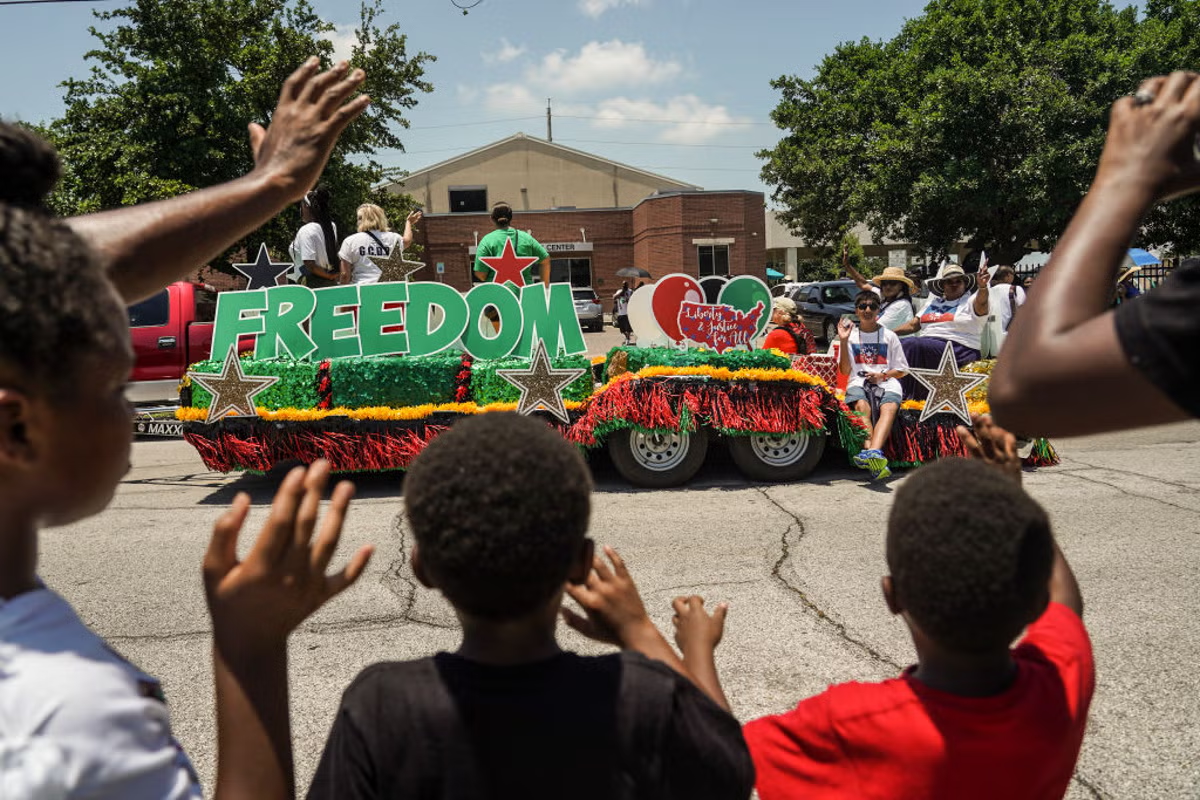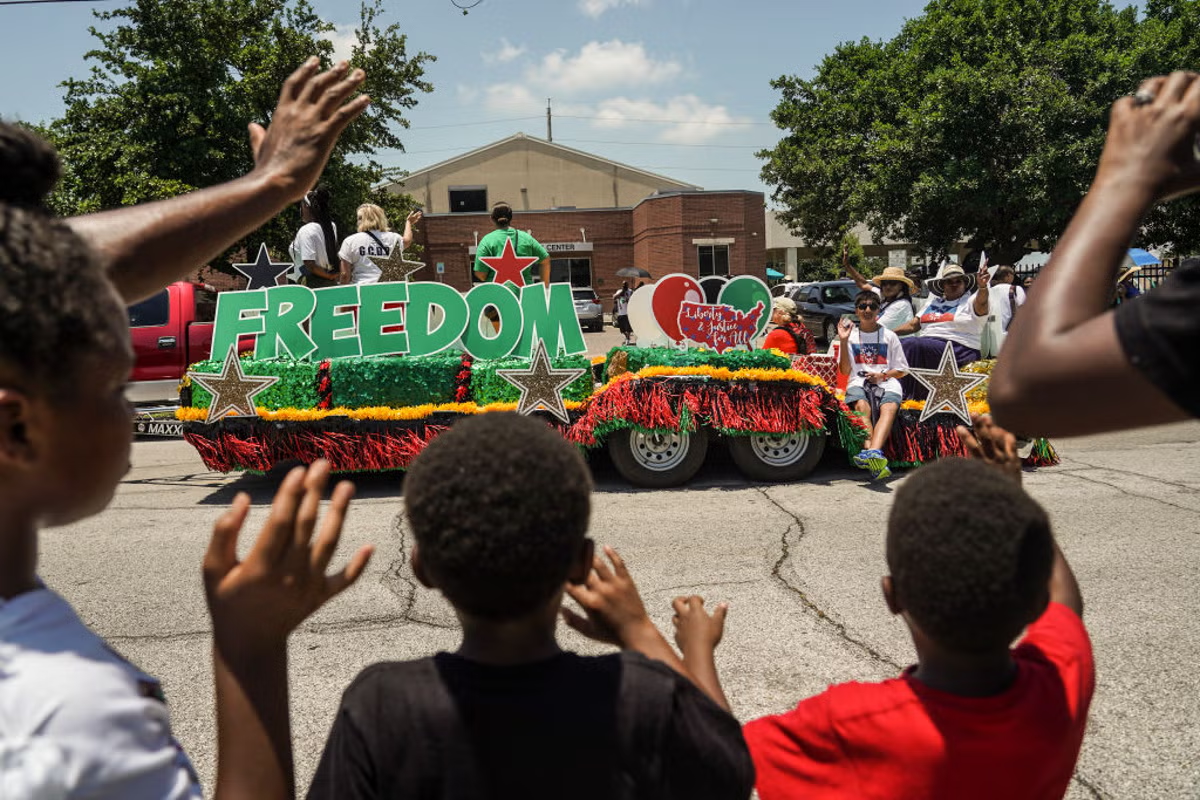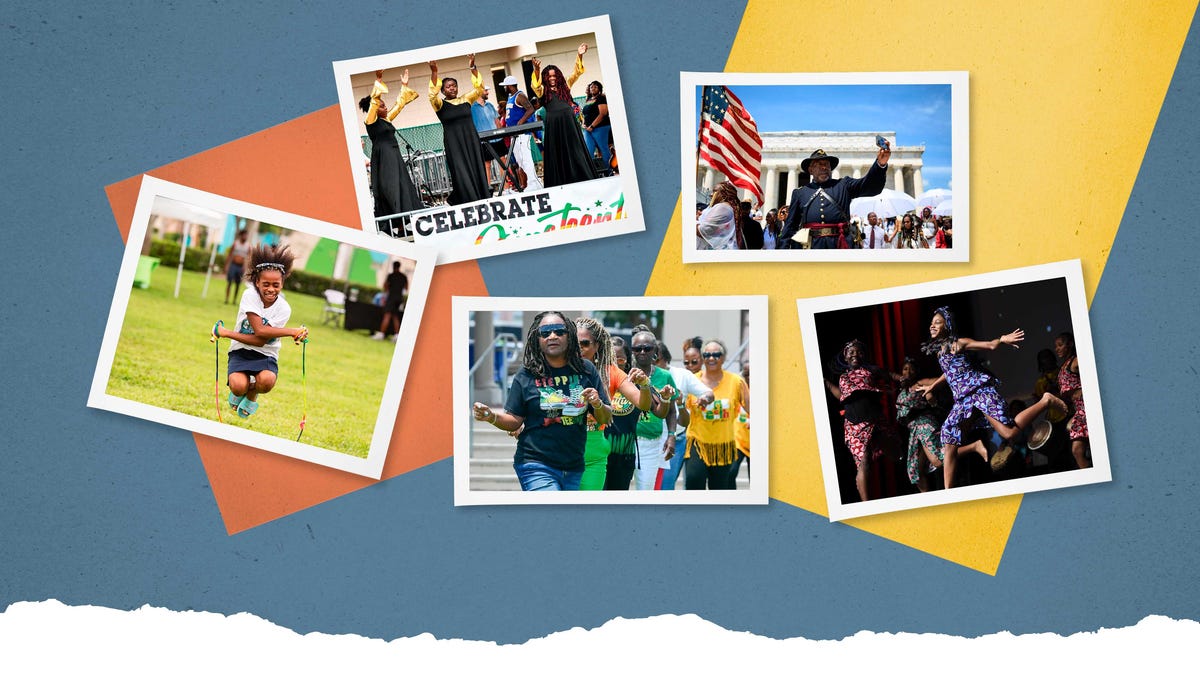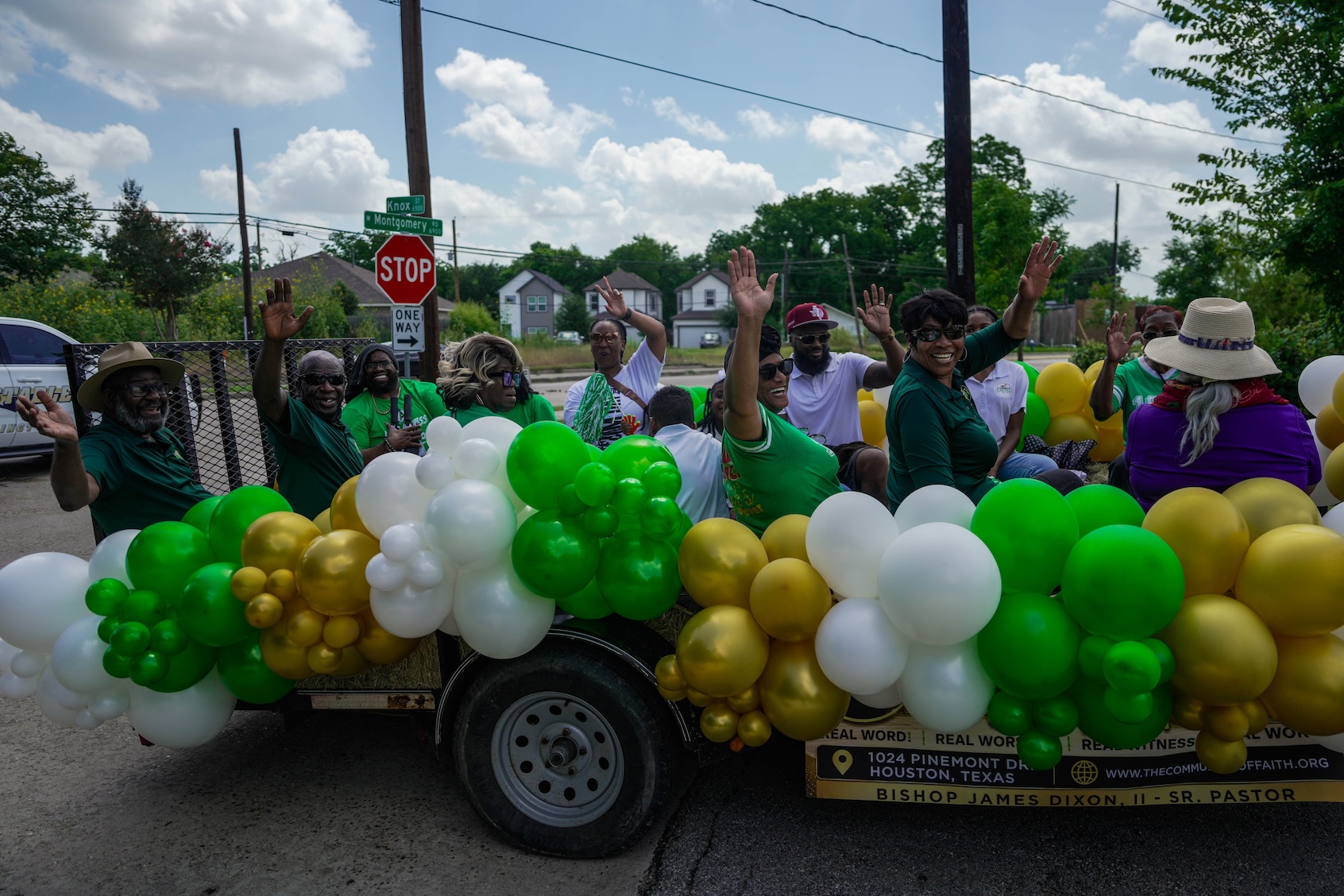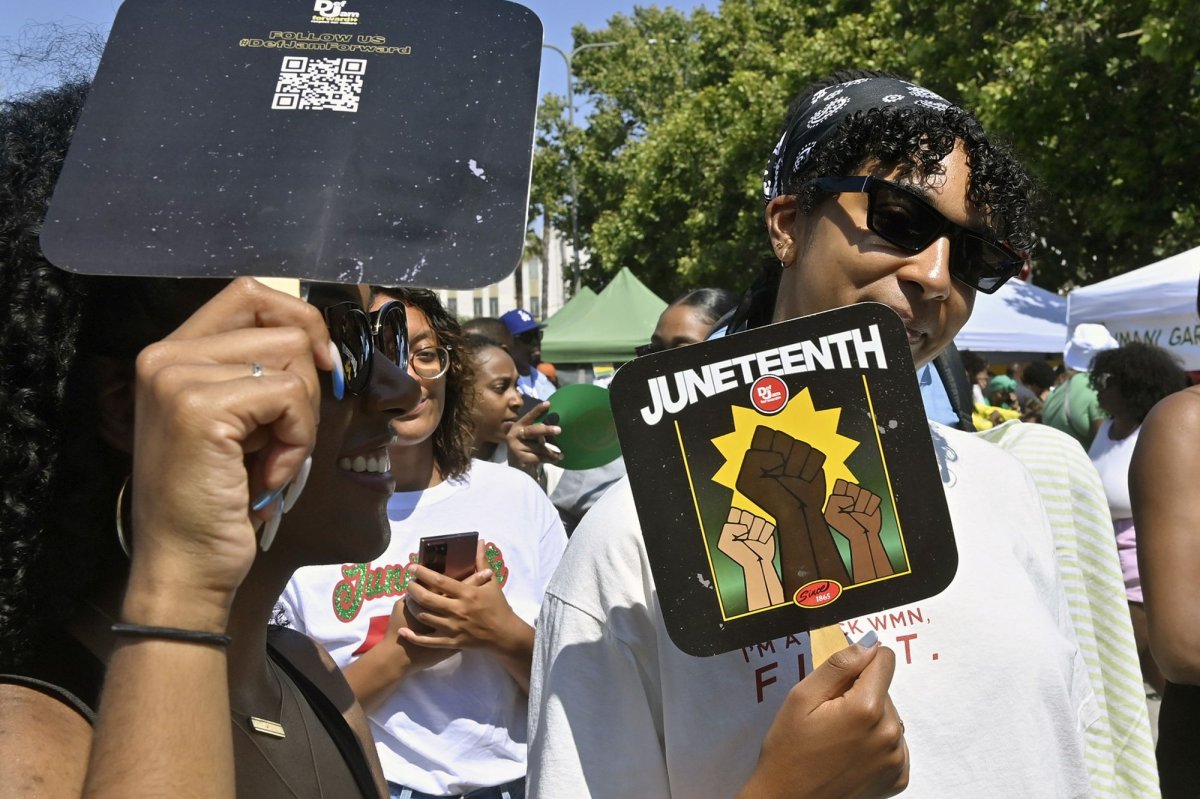
"Visiting Comanche Crossing on Juneteenth felt like freedom," my father said as we pulled into Booker T. Washington Park, the site near what used to be known as the historic Comanche Crossing on Lake Mexia in Texas. "Listen, Bobby, this place would be full of Black folks cooking, dancing, and playing music. It was a big festival with fireworks and a party."
It had been more than six decades since my father had visited the park in the summer of 1965. But he sounded like a little kid again as he breathlessly recounted all the food: "We would have barbecue ribs, chicken, brisket, blood sausage, raccoon, armadillo, fried chicken, potato salad, beans and yellow meat watermelon, and we had to have that Big Red Soda -- you know it was created in Waco, right? -- banana pudding, peach cobbler, pecan pie, white coconut cake, German chocolate cake, berry cobblers, pies and homemade ice cream."
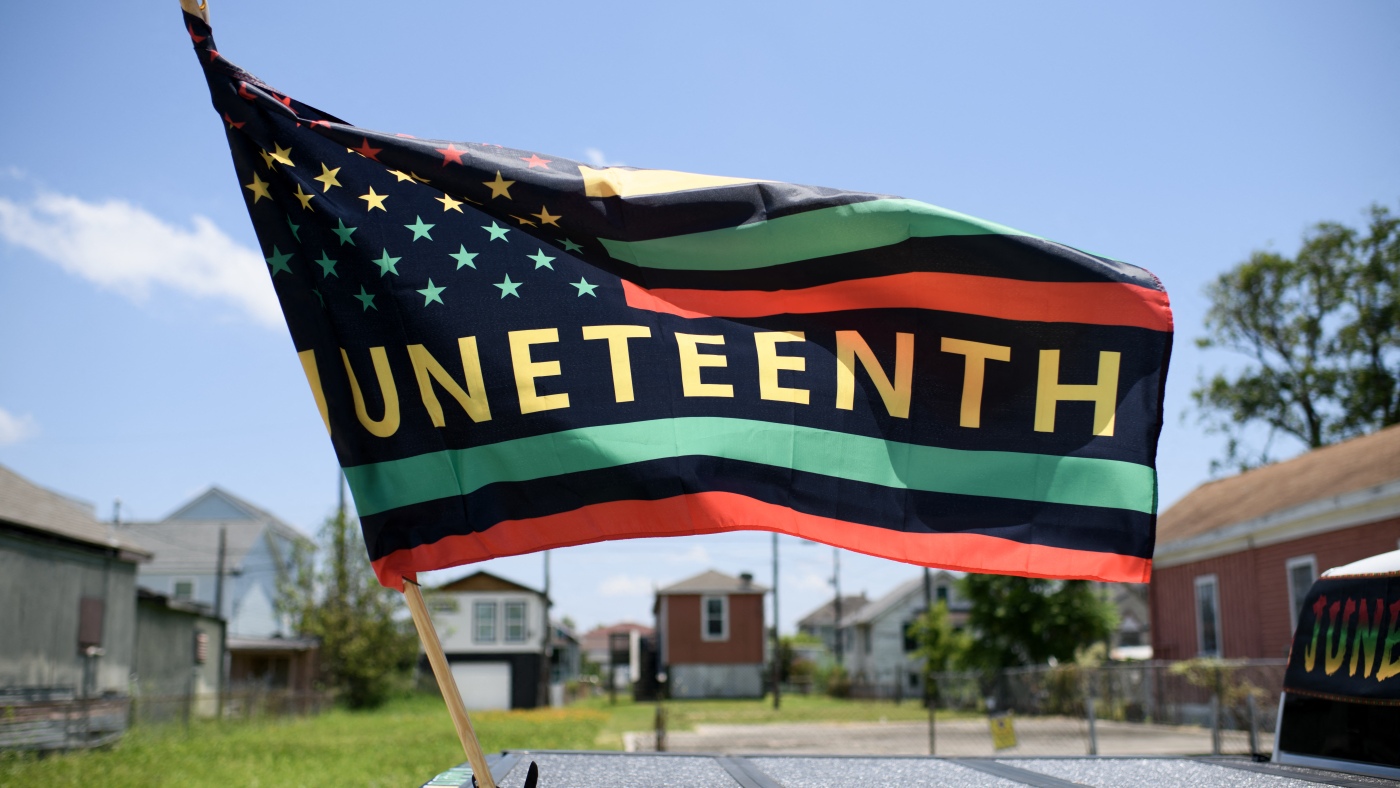
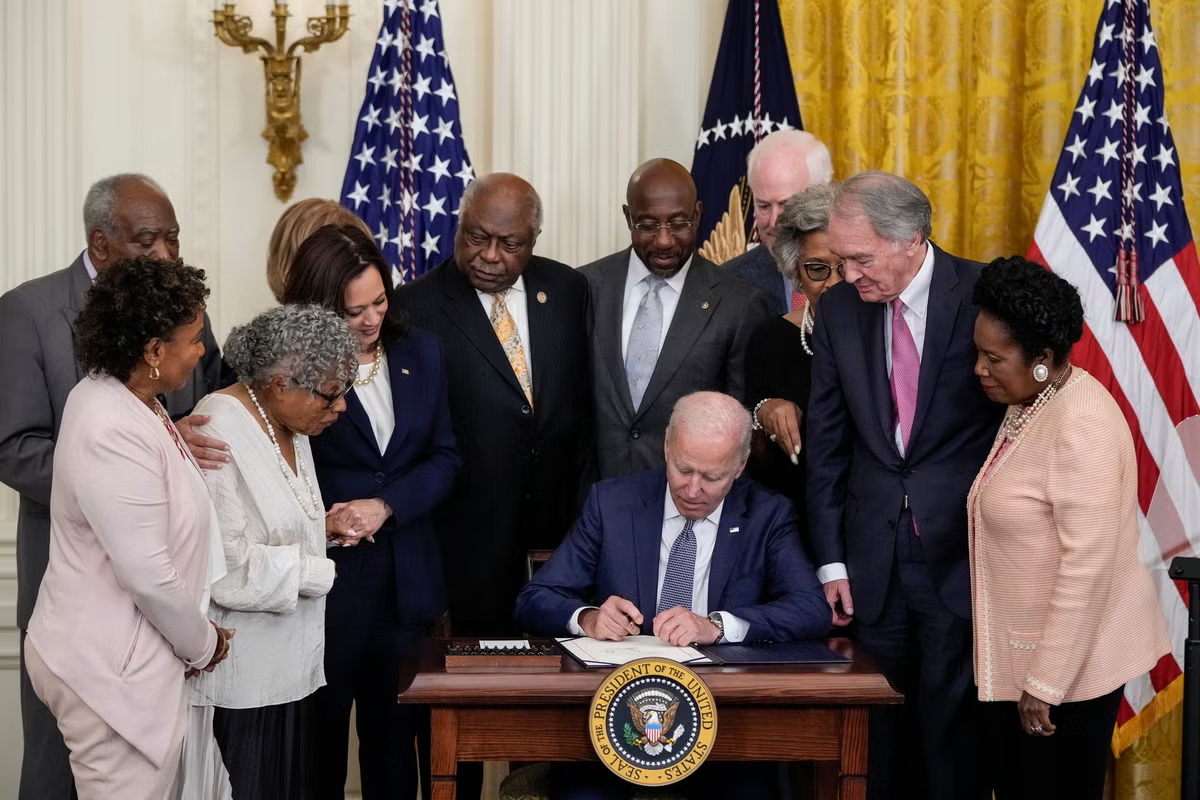
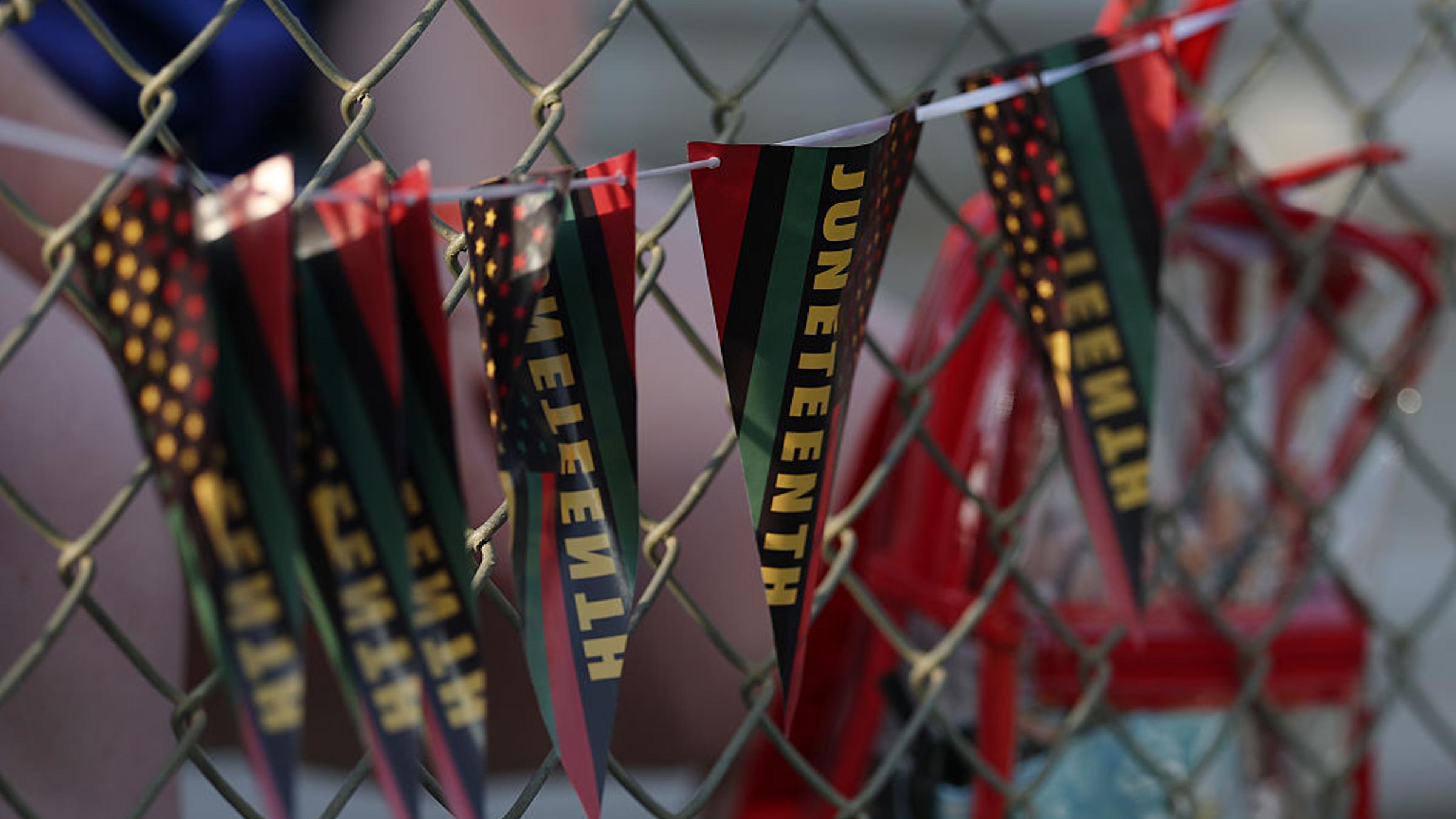
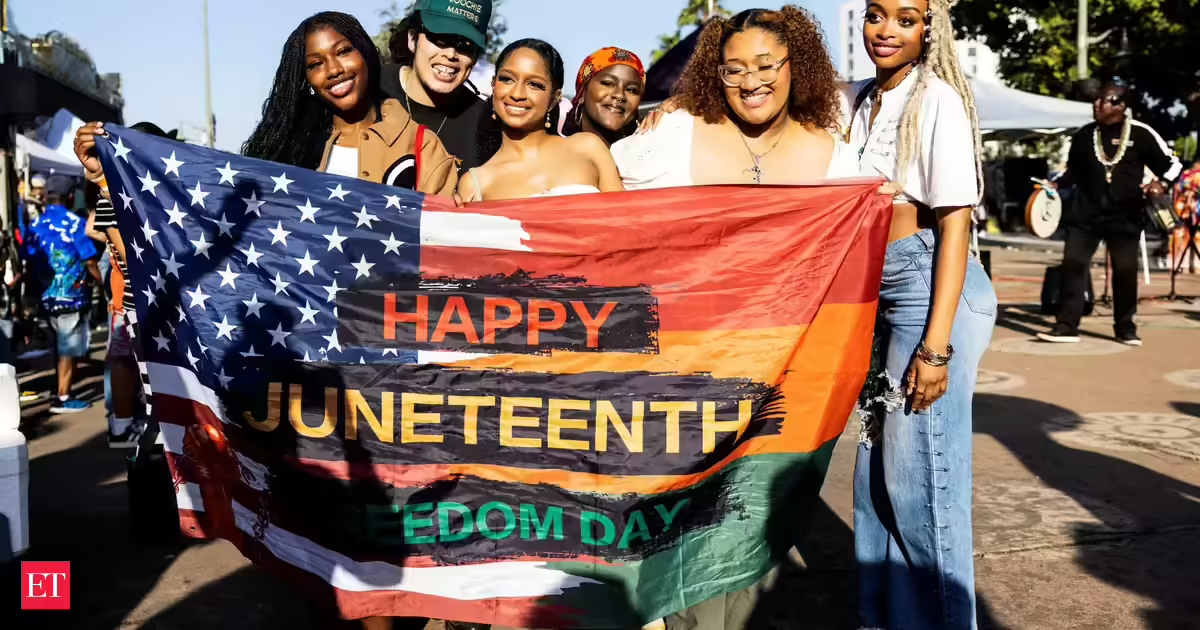
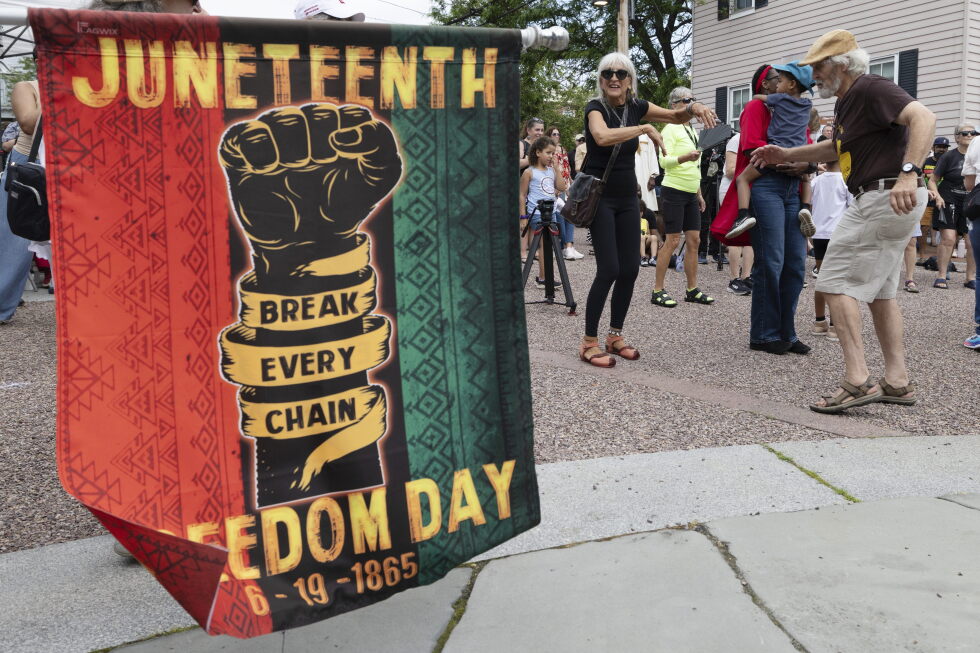
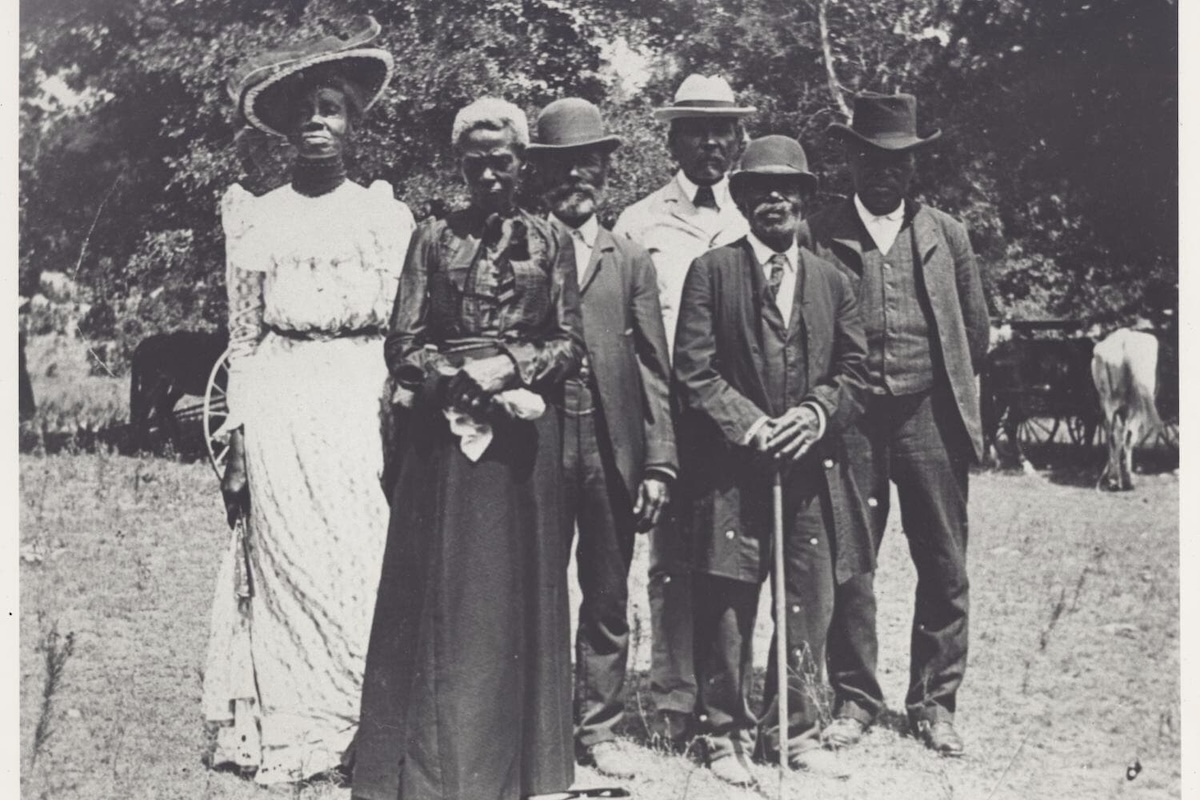
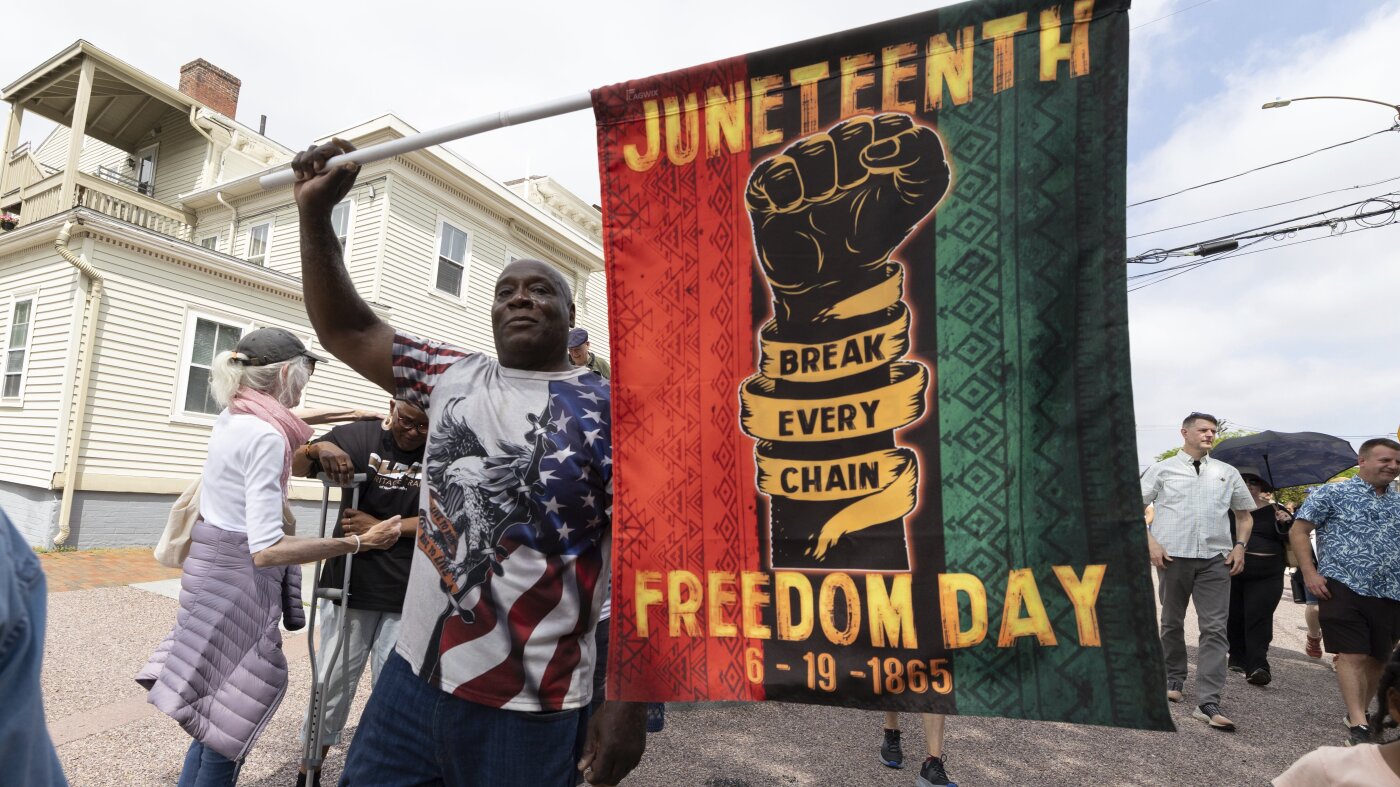
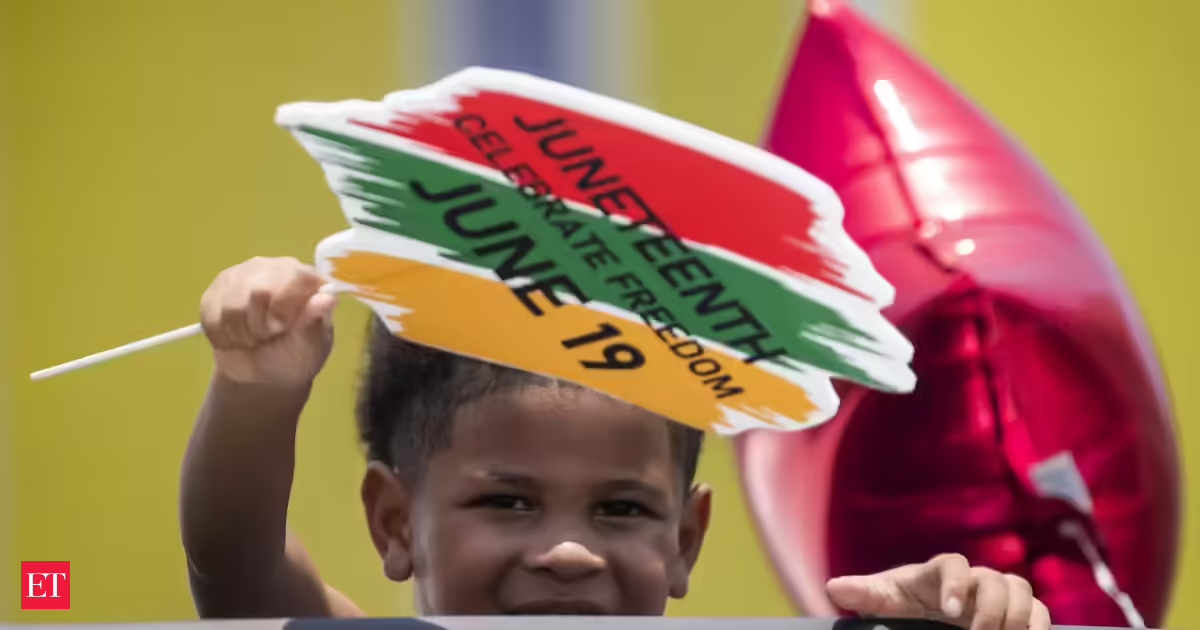
Long before Juneteenth became a national holiday in 2021 and Texas commemorated it as a state holiday in 1980, the park was where generations of my family would join thousands of Black Texans every June to celebrate June 19, 1865. That was the day Union troops informed enslaved Africans in Texas that they were free, two-and-a-half years after the Emancipation Proclamation and six months before the ratification of the 13th Amendment, which officially abolished slavery in the U.S.