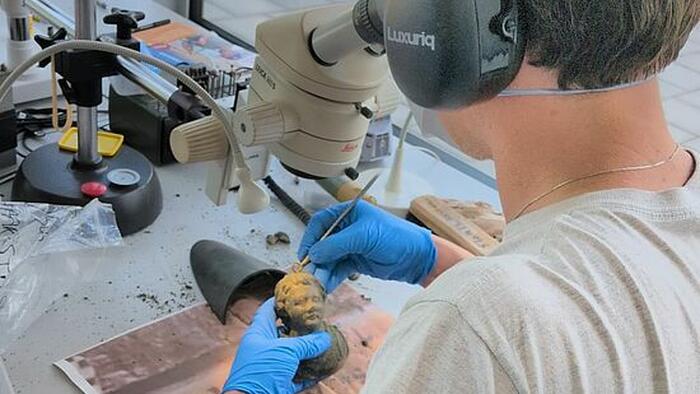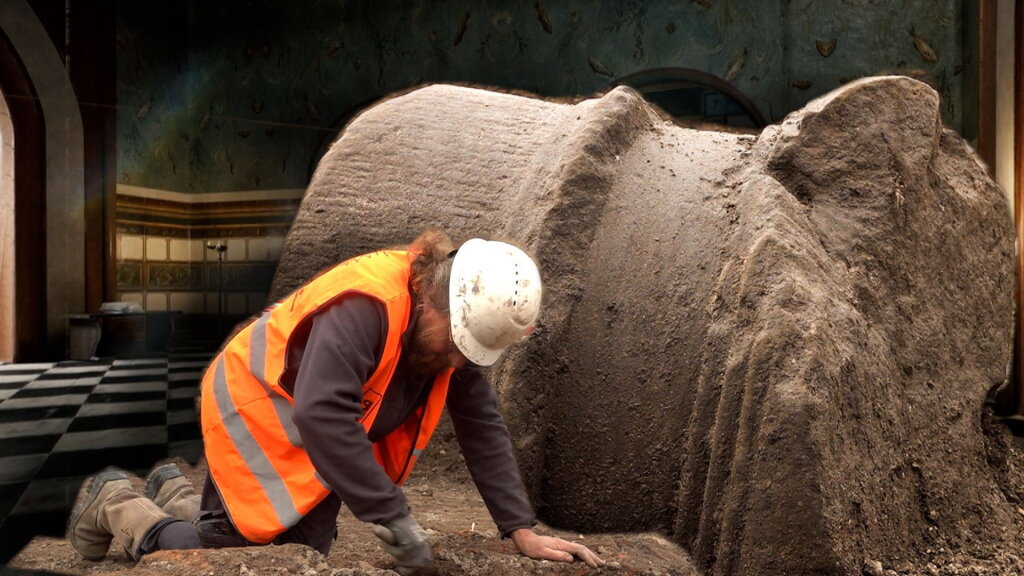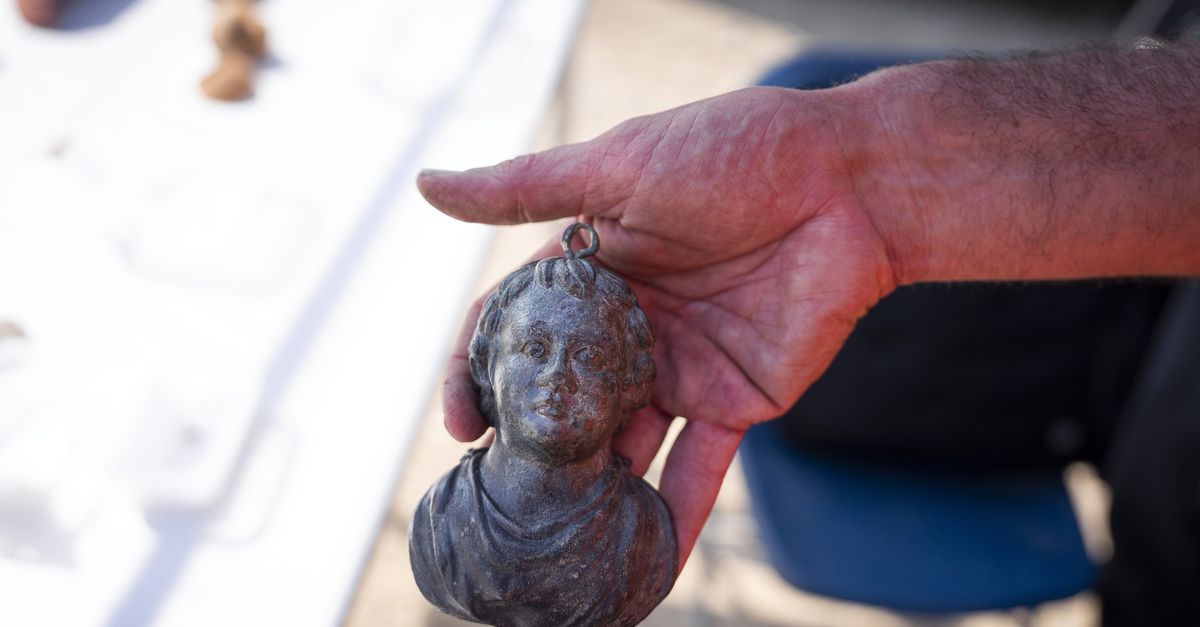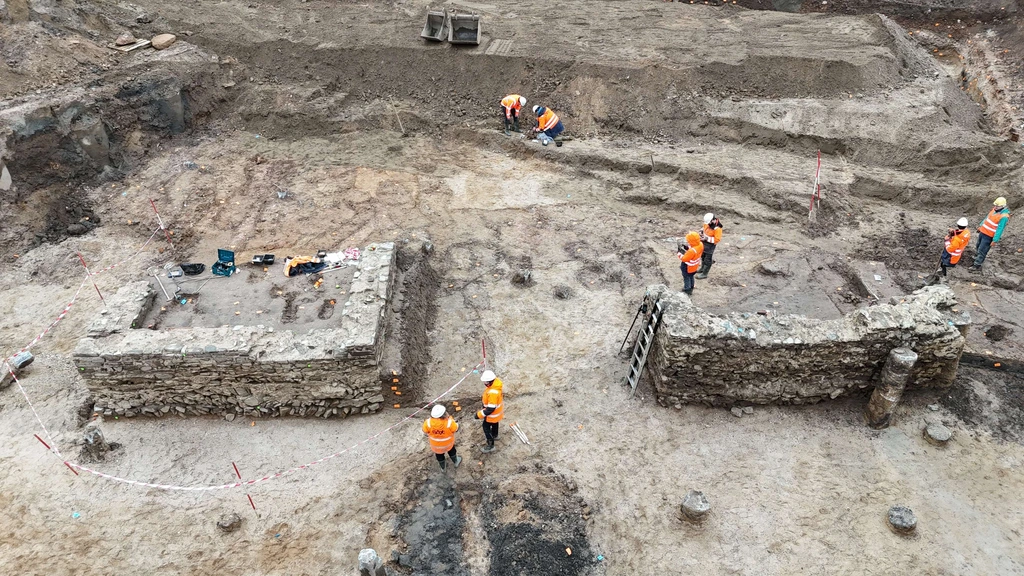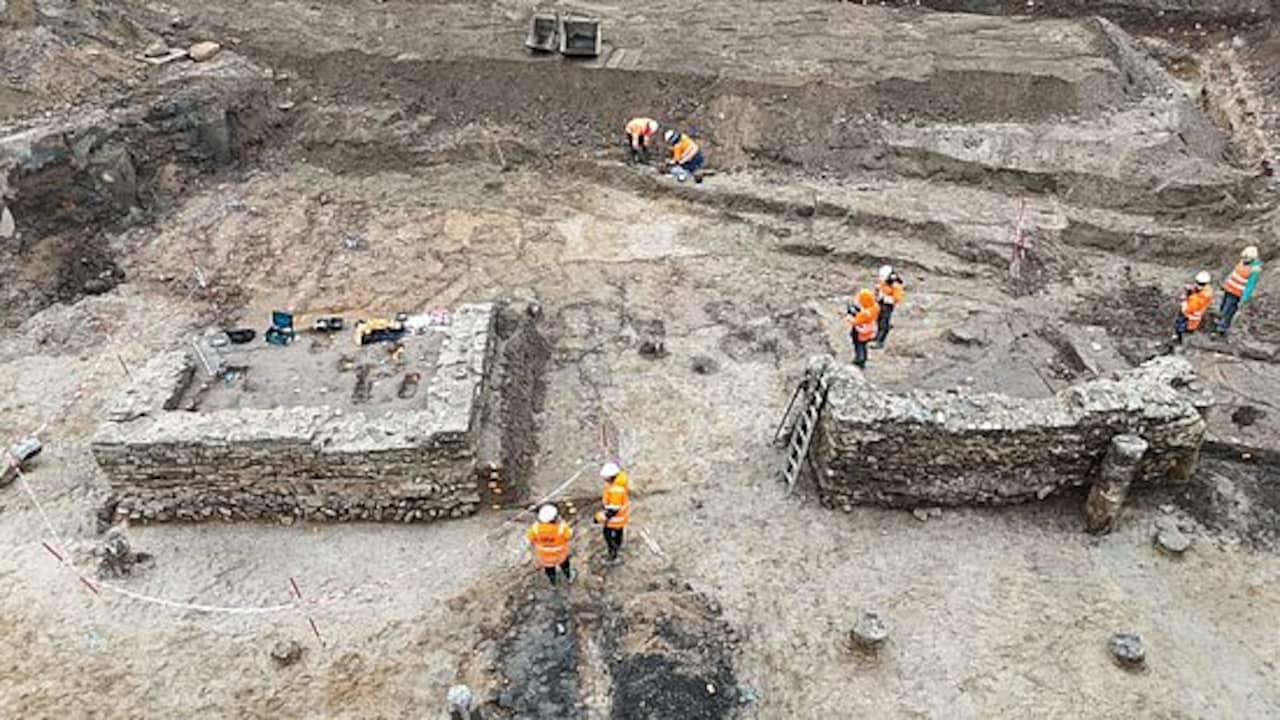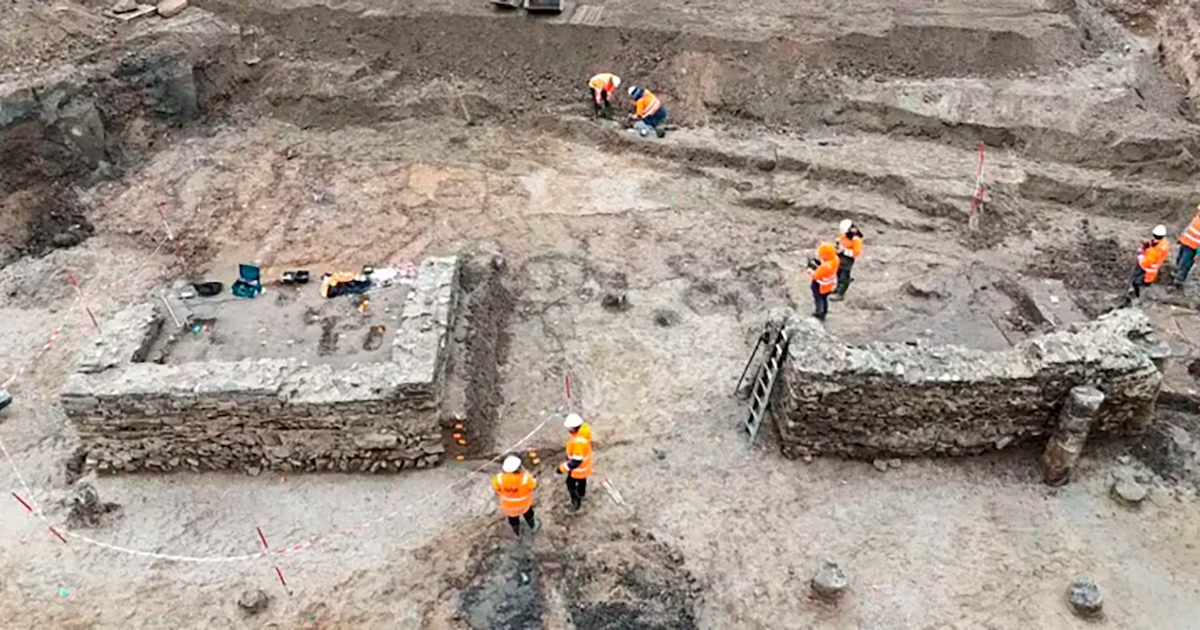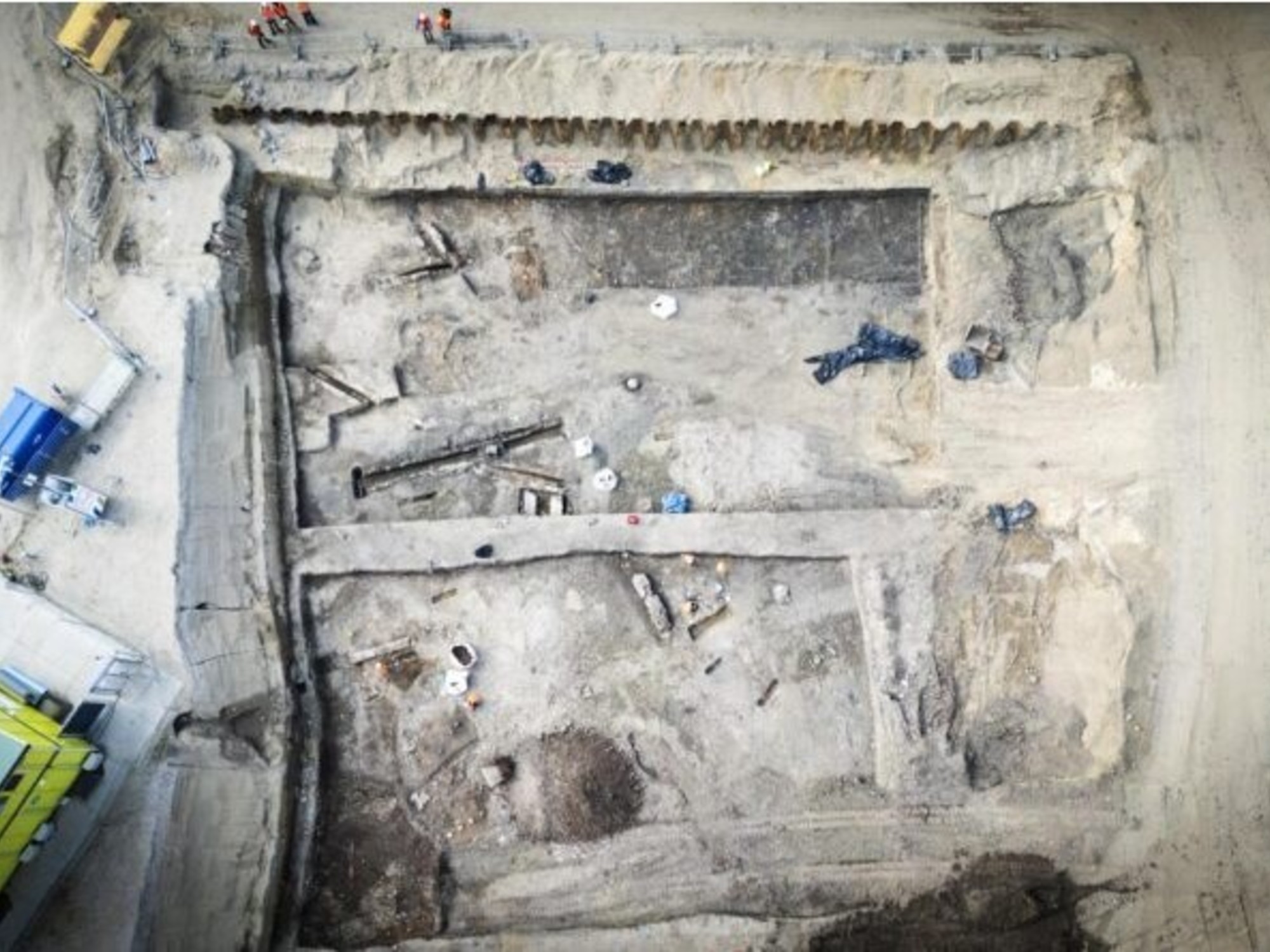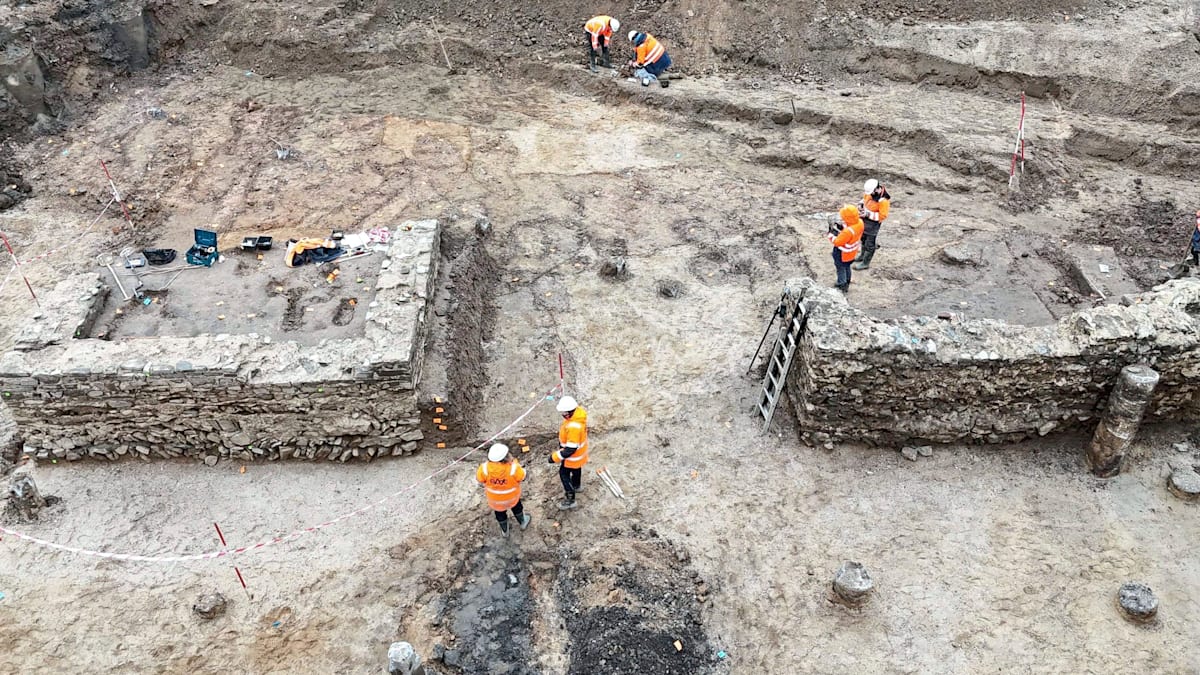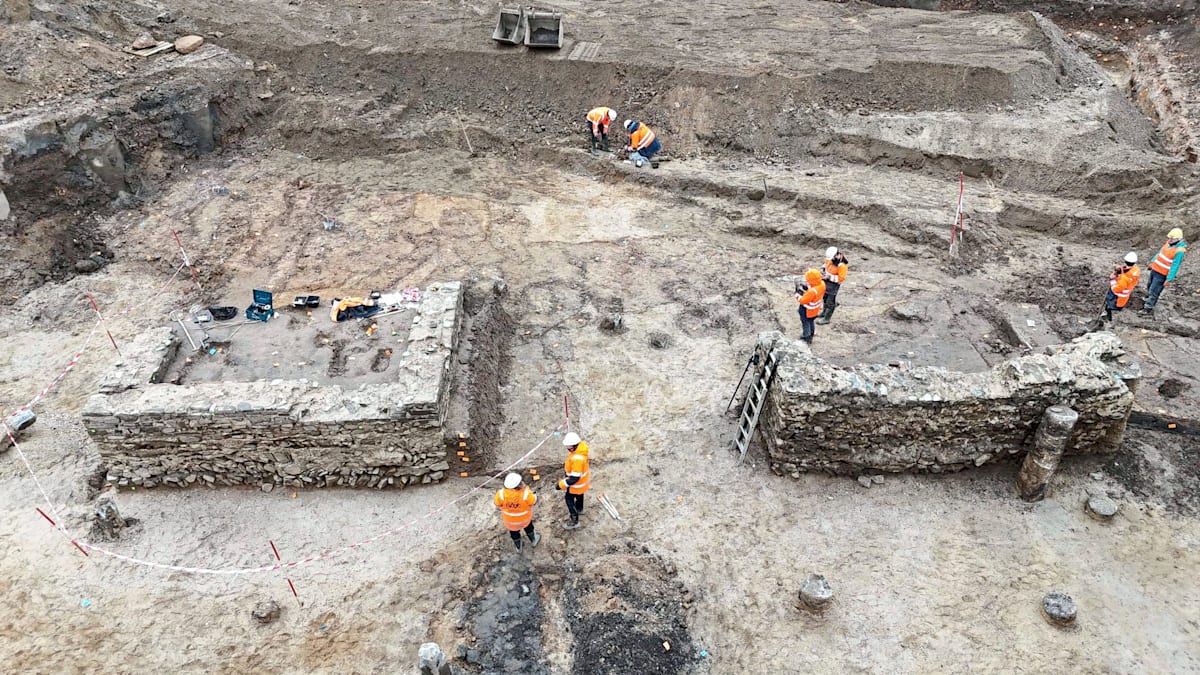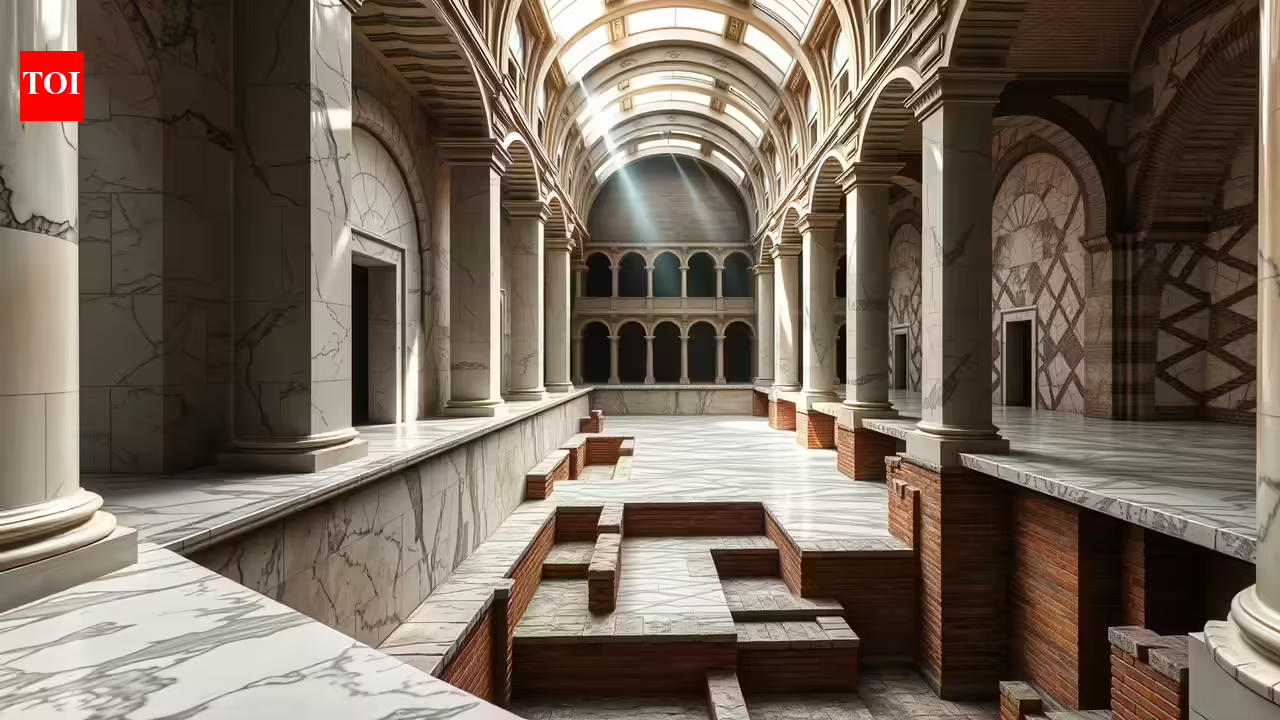
A routine pre-construction excavation on a former industrial site in the Dutch city of Nijmegen has turned into the most significant Roman archaeological find the Netherlands has seen in years. Archaeologists from firms RAAP and BAAC, working ahead of a planned housing development in the Waalfront district, have uncovered a Roman bathhouse complex covering at least 4,900 square metres, more than twice the size of any previously known bathhouse in the country. The structure formed part of Ulpia Noviomagus, the Roman city that flourished along the Waal River roughly 1,800 to 1,900 years ago on the site of present-day Nijmegen. Alongside the bathhouse, excavators found marble-lined walls, a working hypocaust heating system, a bronze bust of Bacchus, jewellery, coins, and hundreds of bone hairpins carved with cat images.How archaeologists found the largest Roman bathhouse in the NetherlandsPart of the structure had already been detected in 1992 during the expansion of the Honig factory on the same site, but only a limited section could be studied at the time. The current excavations, managed by The Missing Link and carried out by RAAP and BAAC beginning in September 2025, have now exposed a far larger sequence of rooms, including spaces associated with hot, warm, and cold baths. The newly documented complex spans at least 4,900 square metres, comfortably surpassing the 2,200-square-metre Forum Hadriani bathhouse in Voorburg and the 2,500-square-metre Coriovallum baths in Heerlen, previously the two largest Roman bathhouse sites recorded in Dutch territory.What archaeologists found inside Nijmegen's Roman bathhouseThe interior of the complex was built to an unusually high standard for a provincial Roman city. Marble cladding lined the interior walls, while floors were covered with black and white limestone tiles. Other rooms retained traces of colourful painted plaster and columns made of limestone and sandstone. Brick pillar stacks that once supported the raised floors of the hypocaust, the Roman underfloor heating system that circulated hot air beneath bathers' feet, survived largely intact, with two stone foundations standing nearly two metres high, according to NL Times. Archaeologists say these are among the best-preserved Roman walls in Nijmegen. Drainage channels were also uncovered, alongside the structural remains of what appears to have been a later expansion wing, though whether this addition served as a separate bathing area for women or simply replaced older facilities remains unclear.What the artefacts reveal about life in Roman Ulpia NoviomagusTens of thousands of objects were recovered alongside the architectural remains, painting a detailed picture of wealthy urban life in one of the most important Roman cities in the lower Rhine region. Researchers uncovered signet rings, jewellery including a necklace with a gold clasp, coins, fragments of bronze statues, and a bronze bust of the wine god Bacchus. According to Arkeonews, project leader Erik Verhelst also noted the recovery of hundreds of bone hairpins decorated with cat figures, most likely carved by a single craftsperson. Verhelst described finding one himself, a standing cat with its tail raised, adding that the coin assemblage, particularly pieces minted under Emperor Postumus, who ruled the breakaway Gallic Empire from 260 to 269 AD, shows that this district of the city remained active and prosperous well into the third century.How the bathhouse find rewrites Nijmegen's Roman historyBeyond the bathhouse itself, the excavation has also revised the known extent and duration of occupation at Ulpia Noviomagus. Surrounding the baths, archaeologists documented streets, residential blocks, and luxury townhouses forming a coherent wealthy neighbourhood along the Waal riverfront, a level of urban density that suggests the Roman city was more expansive and prosperous than earlier surveys had indicated. The abundance of late third-century coins in particular pushes back previous assumptions about when this part of the city fell into decline, suggesting continued occupation through a period previously thought to have seen significant urban contraction in the Roman north.What happens to the Nijmegen bathhouse after excavations endThe dig is scheduled to continue until July 2026. Rather than dismantling the most significant structural finds, developers BPD Bouwfonds Gebiedsontwikkeling have committed to preserving the two surviving stone foundation walls in place and making them visible beneath the new residential buildings planned for the site, according to Greek Reporter. A selection of the most significant artefacts recovered during the excavation, including the Bacchus bust and several of the carved bone hairpins, will go on public display starting June 29 in a showcase installed at Nijmegen's city hall, giving residents of the modern city their first look at the life of their Roman predecessors who once bathed in the same ground beneath their feet.
Largest Roman bathhouse ever found in the Netherlands unearthed beneath Dutch city
A routine pre-construction excavation on a former industrial site in the Dutch city of Nijmegen has turned into the most significant Roman archaeological find the Netherlands has seen in years. Archaeologists from firms RAAP and BAAC, working ahead of a planned housing development in the Waalfront district, have uncovered a Roman bathhouse complex covering at least 4,900 square metres, more than twice the size of any previously known bathhouse in the country.
753 words~3 min read