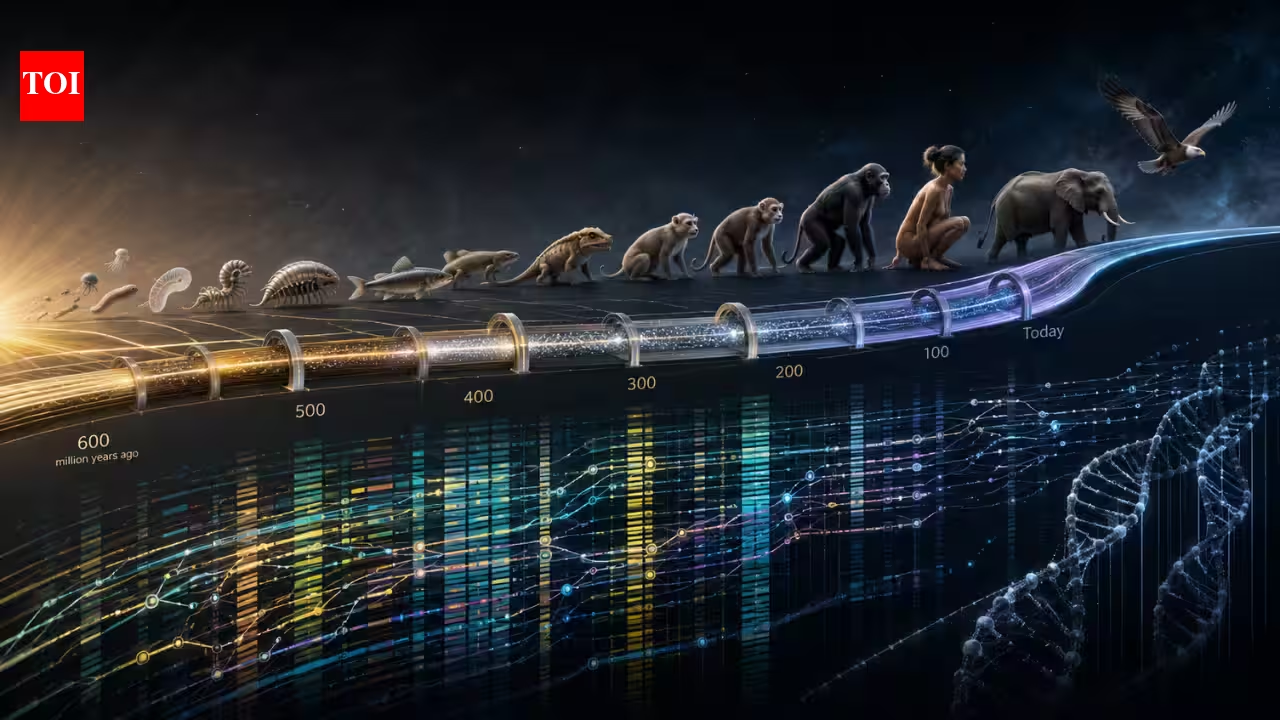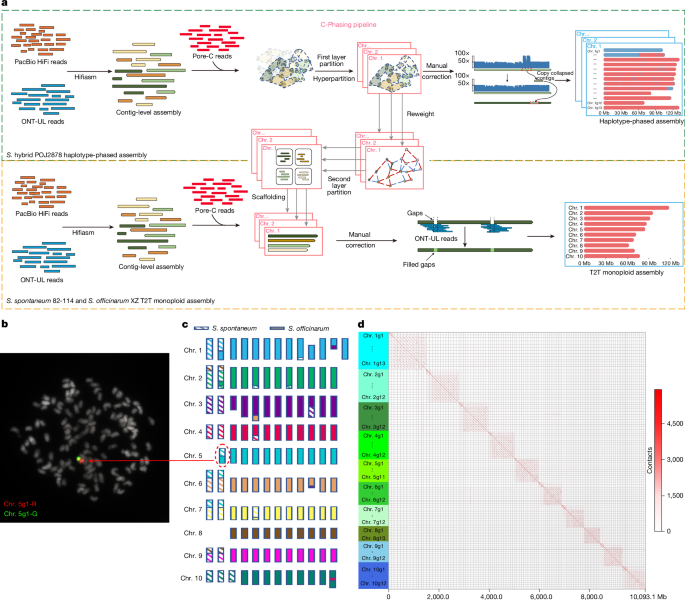
Many of the world's most important crops have unusually complex genomes created through repeated rounds of whole-genome duplication and hybridization. These so-called polyploid genomes contain multiple sets of chromosomes inherited from different ancestral species. However, determining exactly how those genomes were assembled can be extremely difficult, especially when the original ancestor species are extinct or unknown.
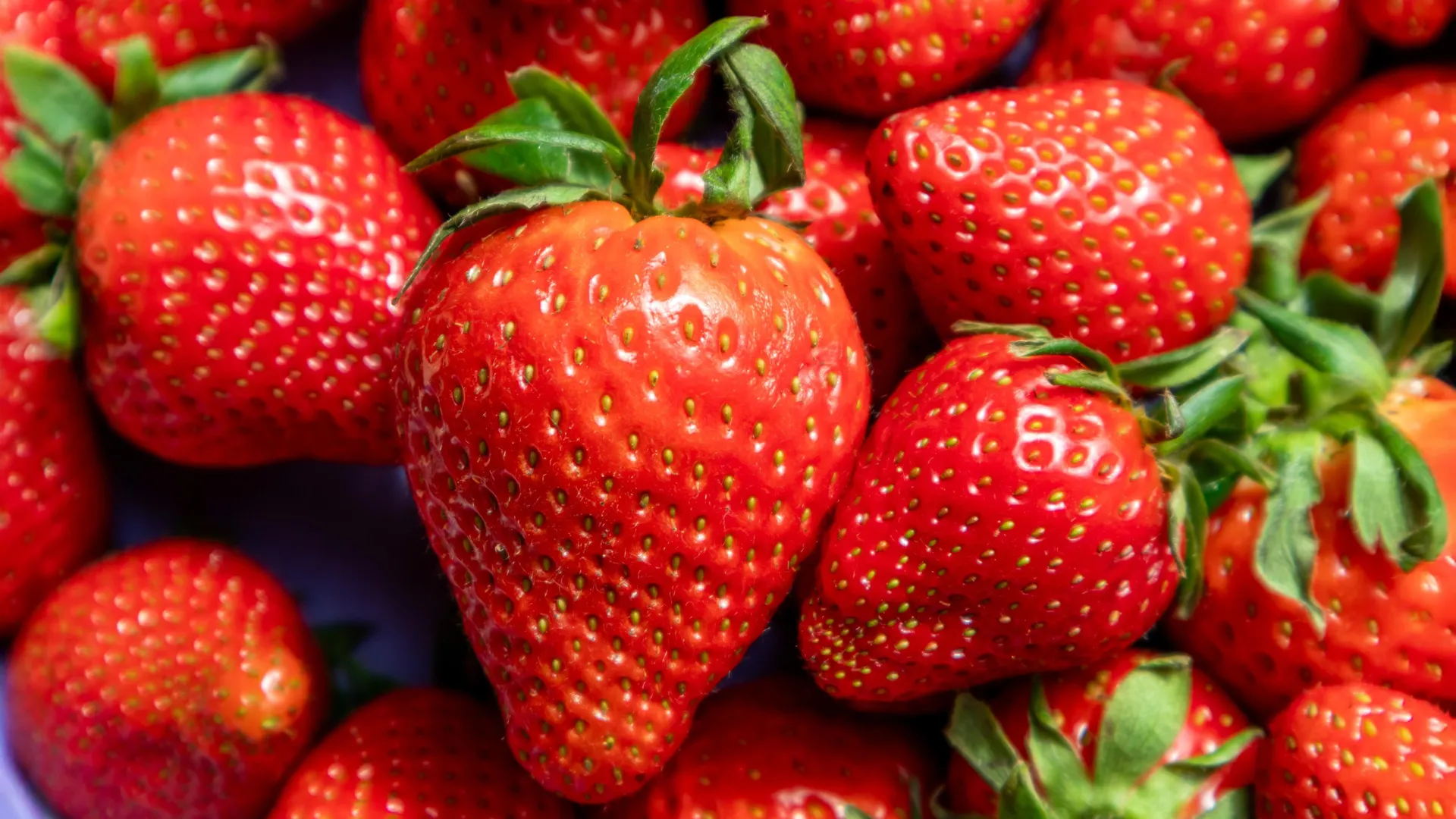
A new study introduces a genome-wide approach for untangling these complex genetic histories. The method takes advantage of evolutionary signatures left behind by long terminal repeat retrotransposons, a type of mobile DNA sequence. By comparing patterns of similarity among these elements across chromosomes, researchers can identify distinct subgenomes and estimate when major genome-merging events occurred. When applied to the cultivated octoploid strawberry, the technique revealed a step-by-step evolutionary history shaped by multiple rounds of allopolyploidization, providing new insight into how complex plant genomes form and diversify over millions of years.
Why Polyploid Genomes Are Difficult To Decipher
Whole-genome duplication has played a major role in plant evolution, helping drive innovation, adaptation, and the emergence of many crop species. In allopolyploid plants, chromosome sets originate from different ancestral genomes. These chromosome groups, known as subgenomes, continue to evolve and interact long after the original hybridization events.