Researchers at Cornell University have developed a safer and more precise way to study how genes function in living tissues by refining a recently developed CRISPR-based genetic technique in fruit flies, enabling researchers to better study how genes contribute to development and disease.
Published in the Proceedings of the National Academy of Sciences, the work highlights a new method that replaces the harsh DNA cuts used in traditional CRISPR analysis with gentler cuts known as "nicks."
According to Chun Han, associate professor in the Department of Molecular Biology and Genetics in the College of Agriculture and Life Sciences (CALS) and the Weill Institute for Cell and Molecular Biology, the approach still allows scientists to study how genes function in living tissues, but with far less unintended cellular damage and greater control over the experiment.
CRISPR is a gene-editing technology that allows scientists to precisely cut DNA to study how genes function. One method built around CRISPR, called MAGIC, creates small groups of altered cells inside an otherwise normal organism. Researchers can then observe how specific genes affect development, cell behavior, and disease.
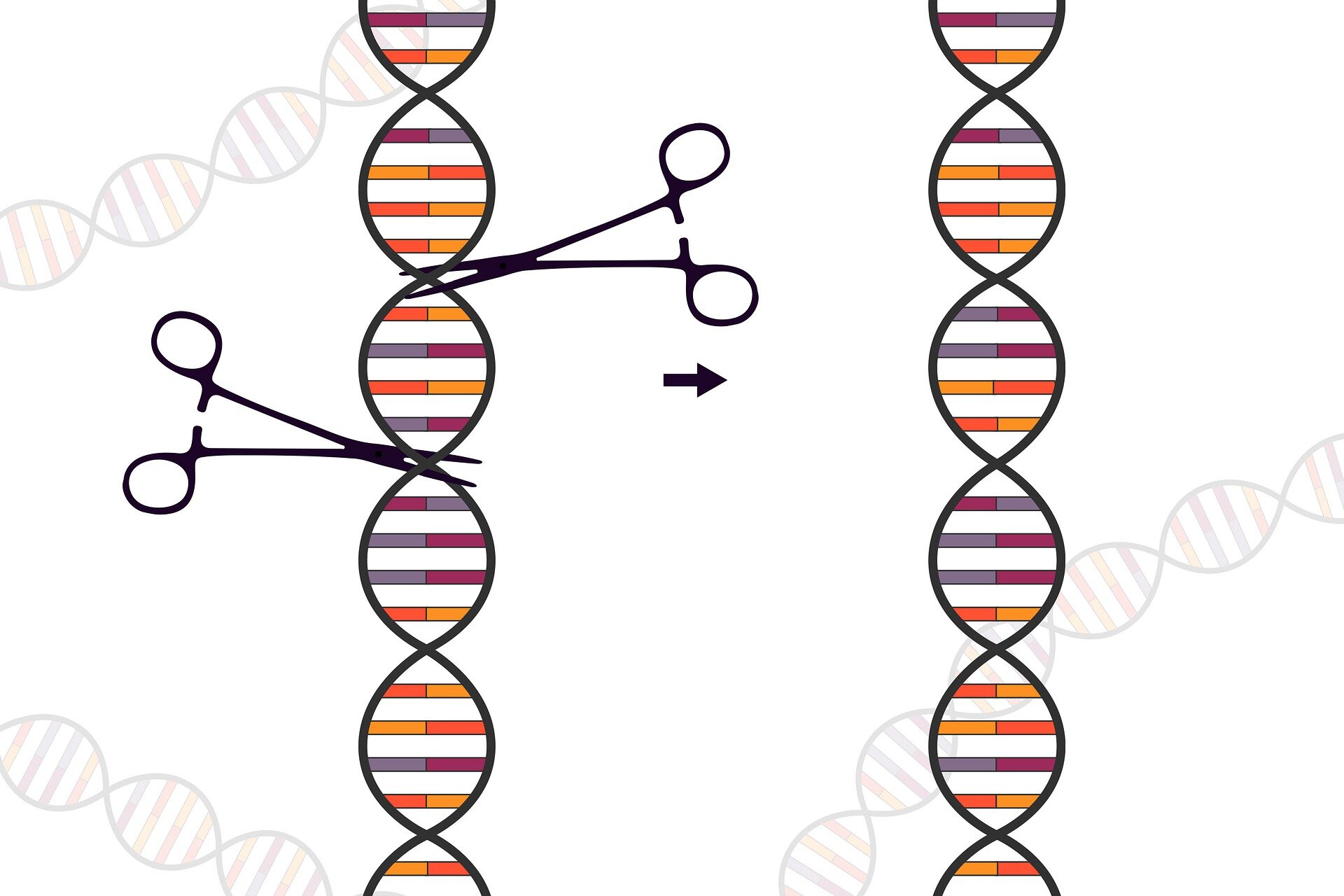
The original MAGIC technique relies on creating double-strand breaks, which are cuts made through both strands of DNA, to trigger the genetic changes needed for the analysis.