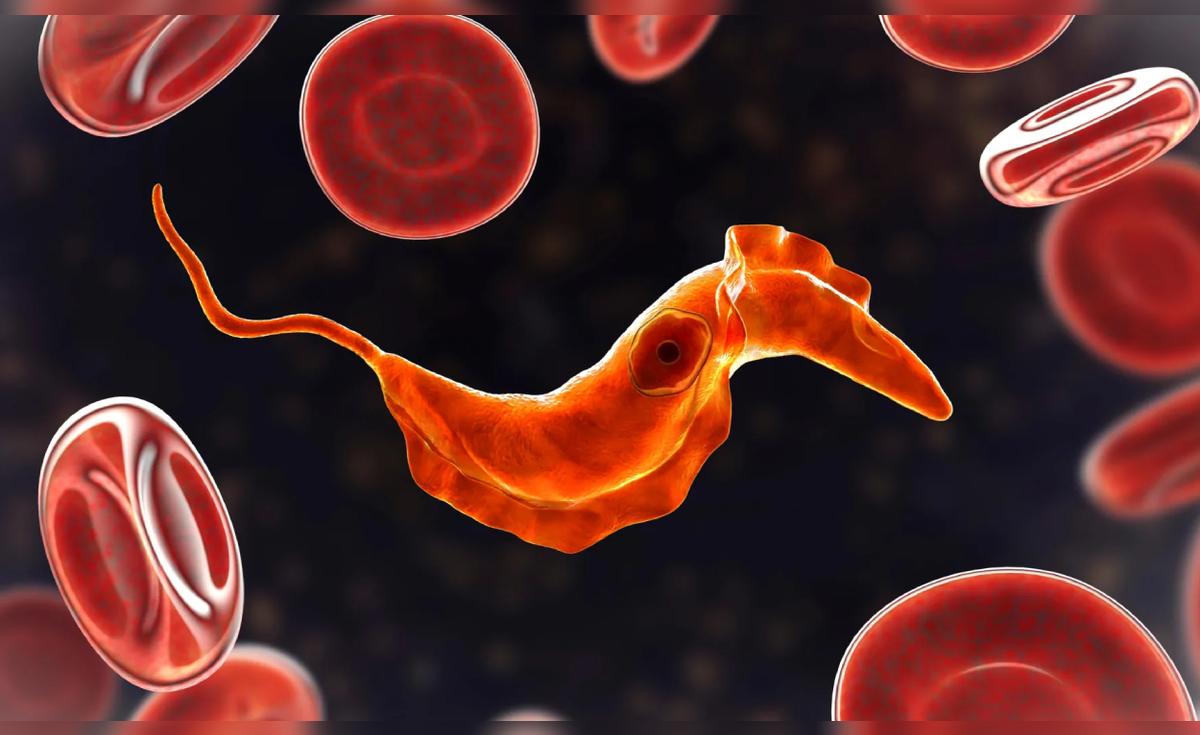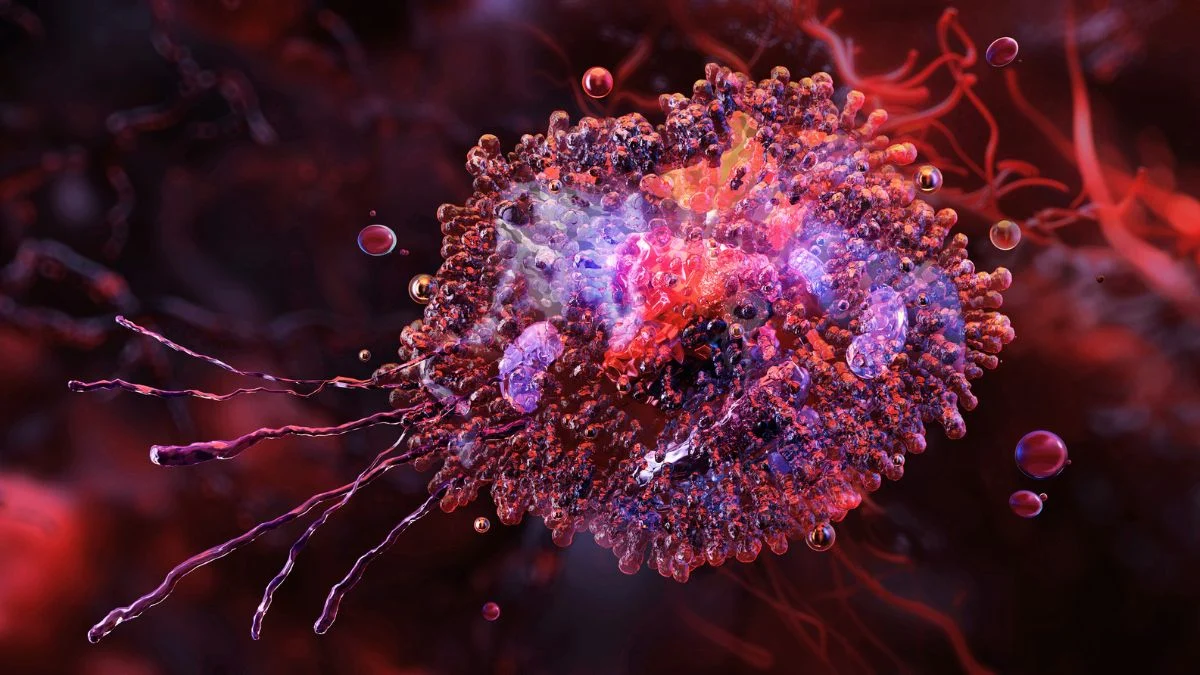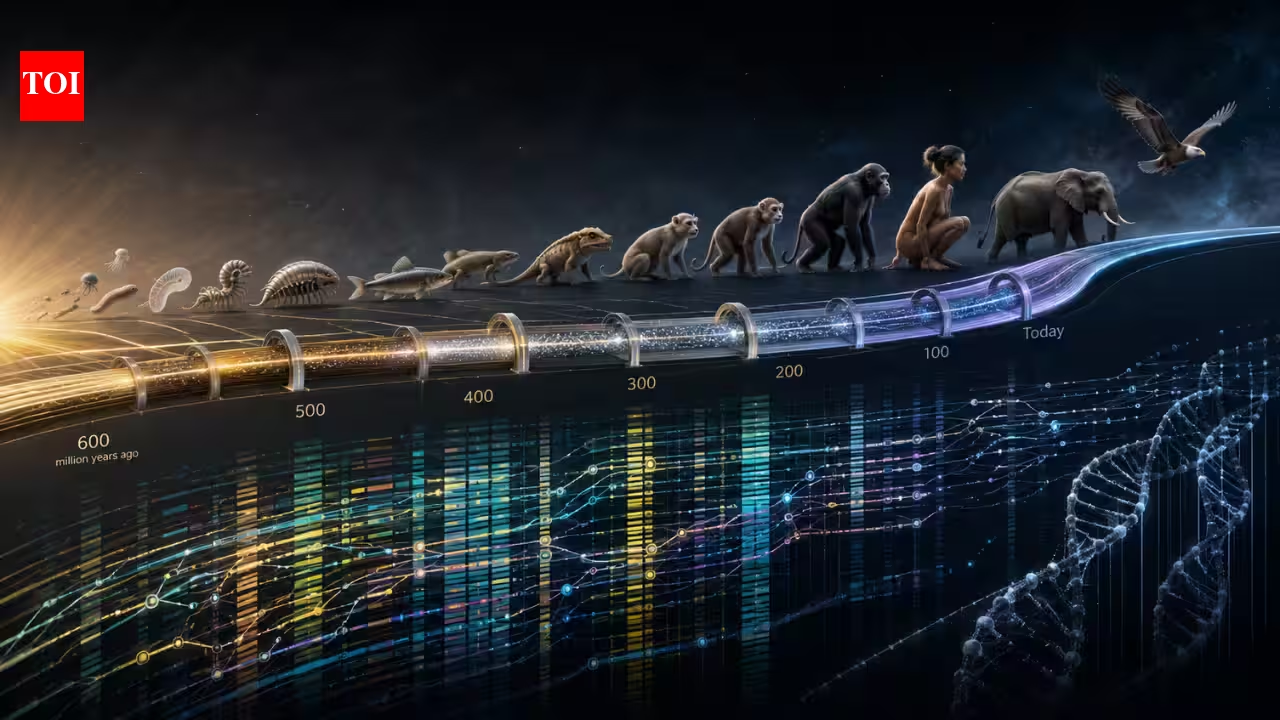
Researchers at Kyoto University have uncovered new evidence indicating that modern human blood and immune cells may have evolutionary roots stretching back nearly 700 million years to ancient single-celled organisms. The study delves into how blood cells first emerged and diversified in the animal kingdom, providing fresh insight into the origins of immune systems and vertebrate biology.Blood Cells Across the Animal KingdomAlmost every animal species that includes humans, has blood cells. But blood is not the same across the animal kingdom. Different species have evolved various types of blood and immune cells, mirroring millions of years of adaptation against infection and disease.Scientists already understand a great deal regarding the makeup and function of blood cells in humans and mice thanks to advances in hematology and immunology. What has remained uncertain is how these cells initially appeared and evolved over time.Mapping the Origins of Blood CellsResearchers at Kyoto University set out to trace the origins and diversification of blood cells in the animal world. The team designed a new analytical method that compared gene expression patterns across several types of cells and animal species. With this method, they established evolutionary family trees for blood cell lineages and estimated how these cells developed throughout animal evolution. The researchers also compared blood cells with unicellular organisms in an attempt to find possible single-celled ancestors.Macrophages and Ancient Cellular LinksAmong the human blood cell lineages analyzed, macrophages featured the strongest similarities to unicellular organisms. This finding indicated that the earliest blood cells may have resembled macrophages, which are immune cells that engulf harmful microbes and cellular debris. The study emphasized how ancient biological systems may still be reflected in modern immune function.A 700-Million-Year Genetic ConnectionThe team also traced the gene FOS, which is broadly expressed in blood cells across many animal species, back to a unicellular ancestor that lived around 700 million years ago.As per the researchers, this indicates that the first blood cells likely emerged around the same time multicellular animals initially appeared on Earth. The findings suggest that early animals created the first blood cells by reusing genetic material inherited from ancient single-celled ancestors.How Blood Cells Evolved Over TimeThe analysis also disclosed how different blood cell types may have branched off over time.Mast cells seems to to have evolved from macrophagesEarly versions of T cells and red blood cells later emerged from mast cellsPrototypic B cells branched directly from macrophages after mast cells had already separatedBy reconstructing this evolutionary history, the researchers were able to map a 700-million-year family tree of blood cells.Researchers’ Reflections“I feel deeply moved by these findings, which represent the culmination of our work and illustrate that the differentiation pathways of vertebrate blood cells reflects the 700-million-year evolutionary history of these cells,” stated team leader Hiroshi Kawamoto.“When I let it sink in that this legacy from so long ago is circulating within my body as blood cells, I feel closer to our distant ancestors,” said first author Yosuke Nagahata of the Institute of Evolutionary Biology, Spain.Future Impact and Medical ResearchThe researchers believe the new analytical method developed for the study could also help investigate the evolutionary origins of diseases such as cancer. They suggest this approach may improve understanding of disease mechanisms and potentially contribute to the development of new treatments in the future.Source: ScienceDailyFAQs:Q1. What are blood cells? Blood cells are cells that circulate in the body and perform important functions. They include red cells, white cells, and immune cells.Q2. What is a macrophage? A macrophage is a type of immune cell. It helps the body by removing harmful microbes and waste.
Scientists trace human blood cells back to ancient single-celled ancestors
Scientists have uncovered evidence that human blood and immune cells may have evolved from ancient single-celled organisms nearly 700 million years ago. Researchers at Kyoto University analyzed gene expression across multiple species to trace the evolutionary history of blood cells. Their findings suggest macrophages resemble early ancestral cells and that key genes like FOS originated in unicellular life. The study maps how blood cell types diversified over time, revealing deep connections between modern immunity and ancient biology.
593 words~3 min read