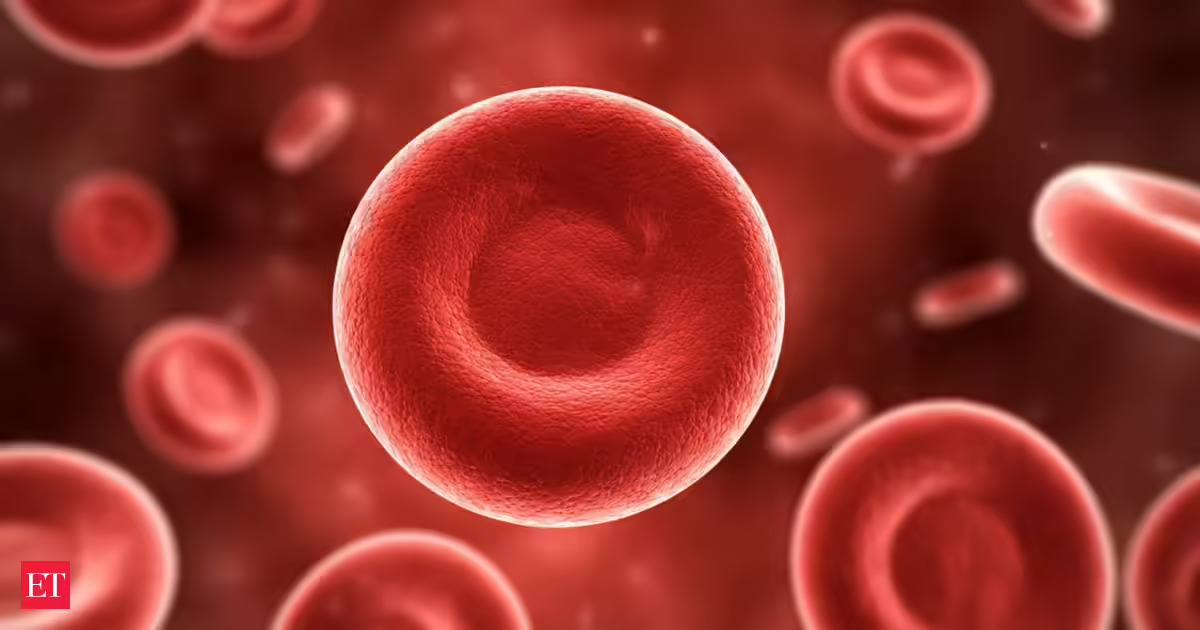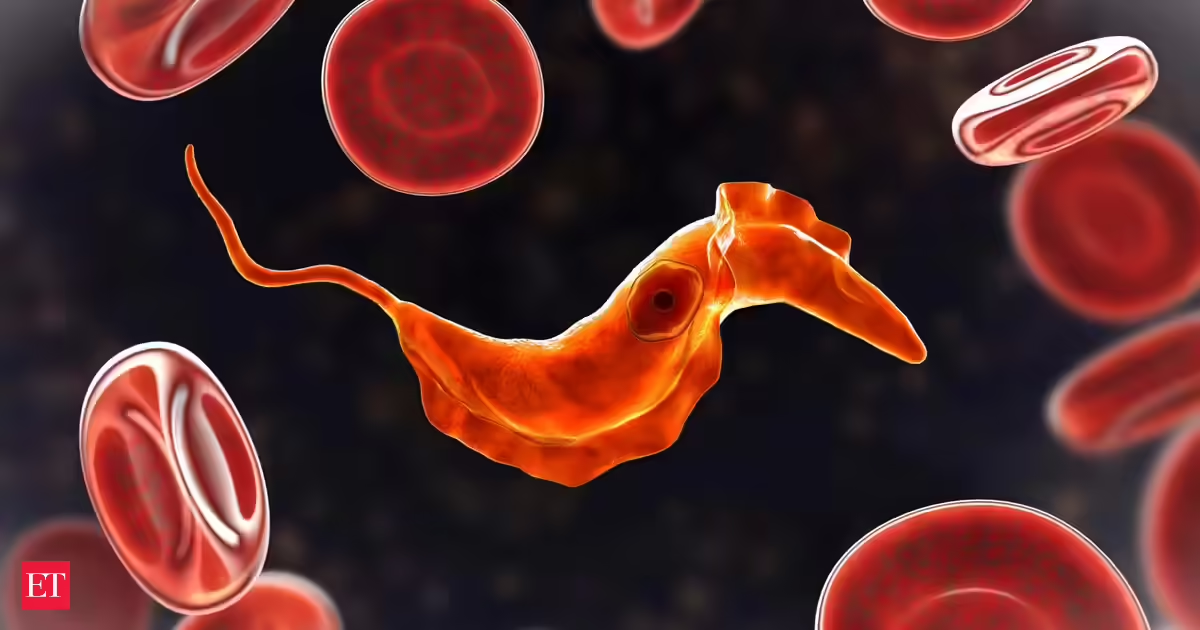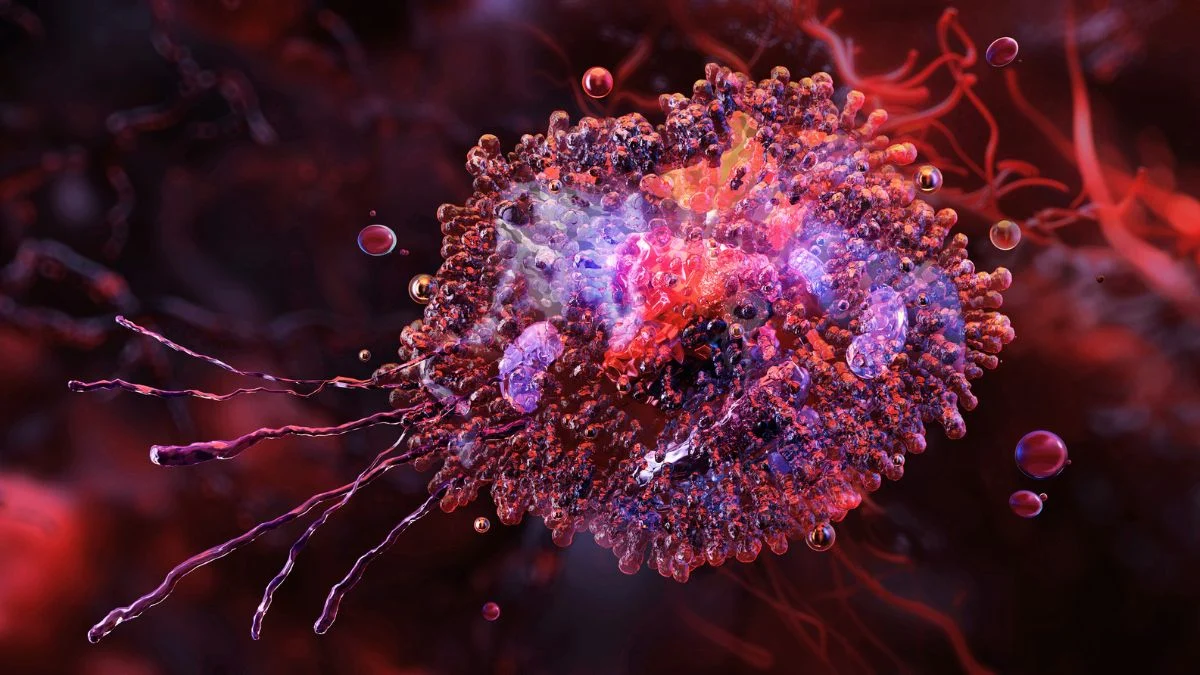
Nearly every animal species, including humans, has blood cells. But blood is not the same across the animal kingdom. Different species have evolved different types of blood and immune cells, reflecting millions of years of adaptation against infection and disease.
Scientists already understand a great deal about the makeup and function of blood cells in humans and mice thanks to advances in hematology and immunology. What has remained unclear is how these cells first appeared and evolved over time. To answer those questions, researchers at Kyoto University set out to trace the origins and diversification of blood cells across the animal world.
Tracing Blood Back 700 Million Years
The team created a new analytical approach that compared gene expression patterns across many types of cells and animal species. Using this method, they built evolutionary family trees for blood cell lineages and estimated how these cells developed throughout animal evolution.
The researchers also compared blood cells with unicellular organisms in an effort to identify possible single-celled ancestors.