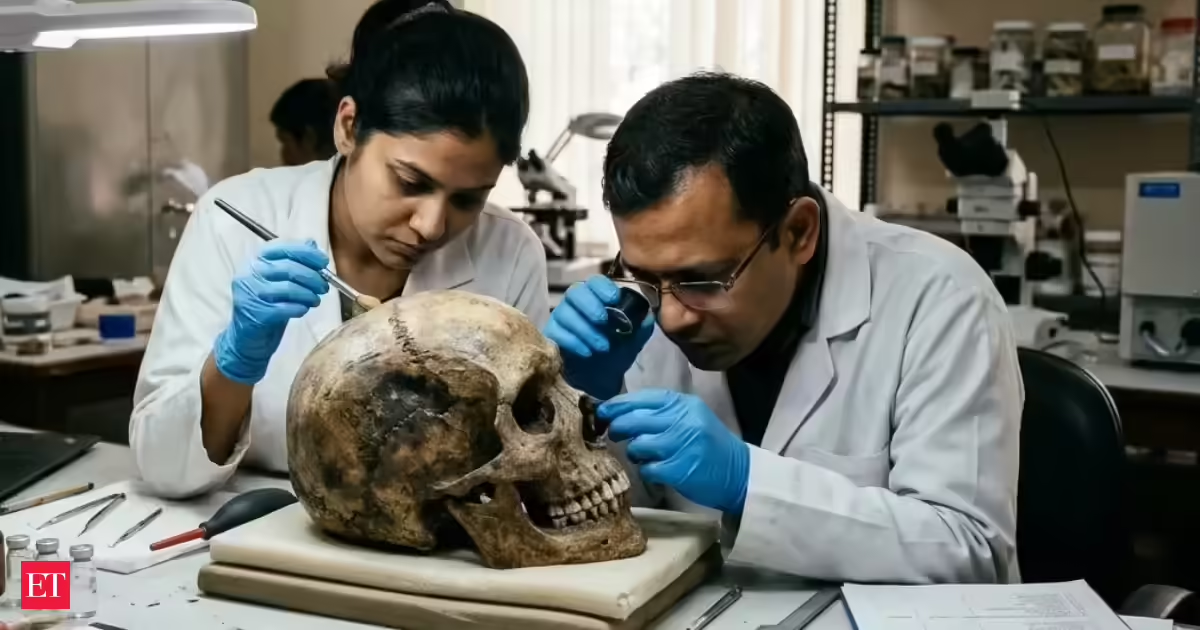
A major new study led by Yale University is helping fill a longstanding gap in genetics research by providing one of the most comprehensive examinations yet of human genetic diversity in Oceania.
Although the South Pacific is home to extraordinarily diverse populations, people from this region have historically been underrepresented in large genetic studies. Much of genomics research has focused on populations of European ancestry, leaving important questions about human history and biology unanswered.
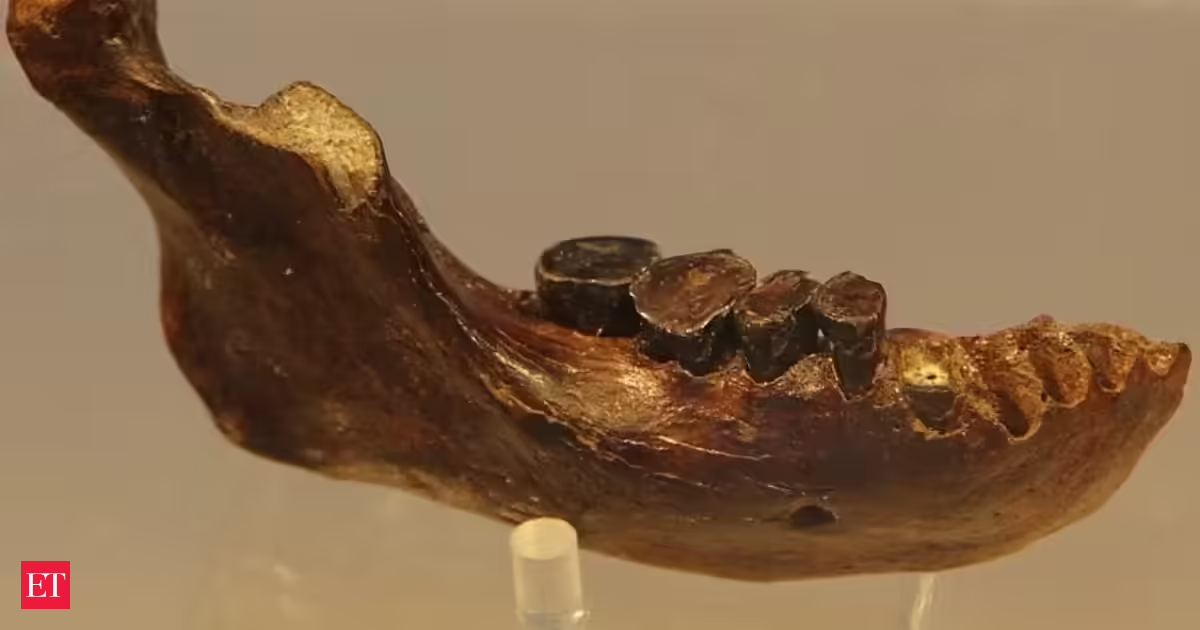
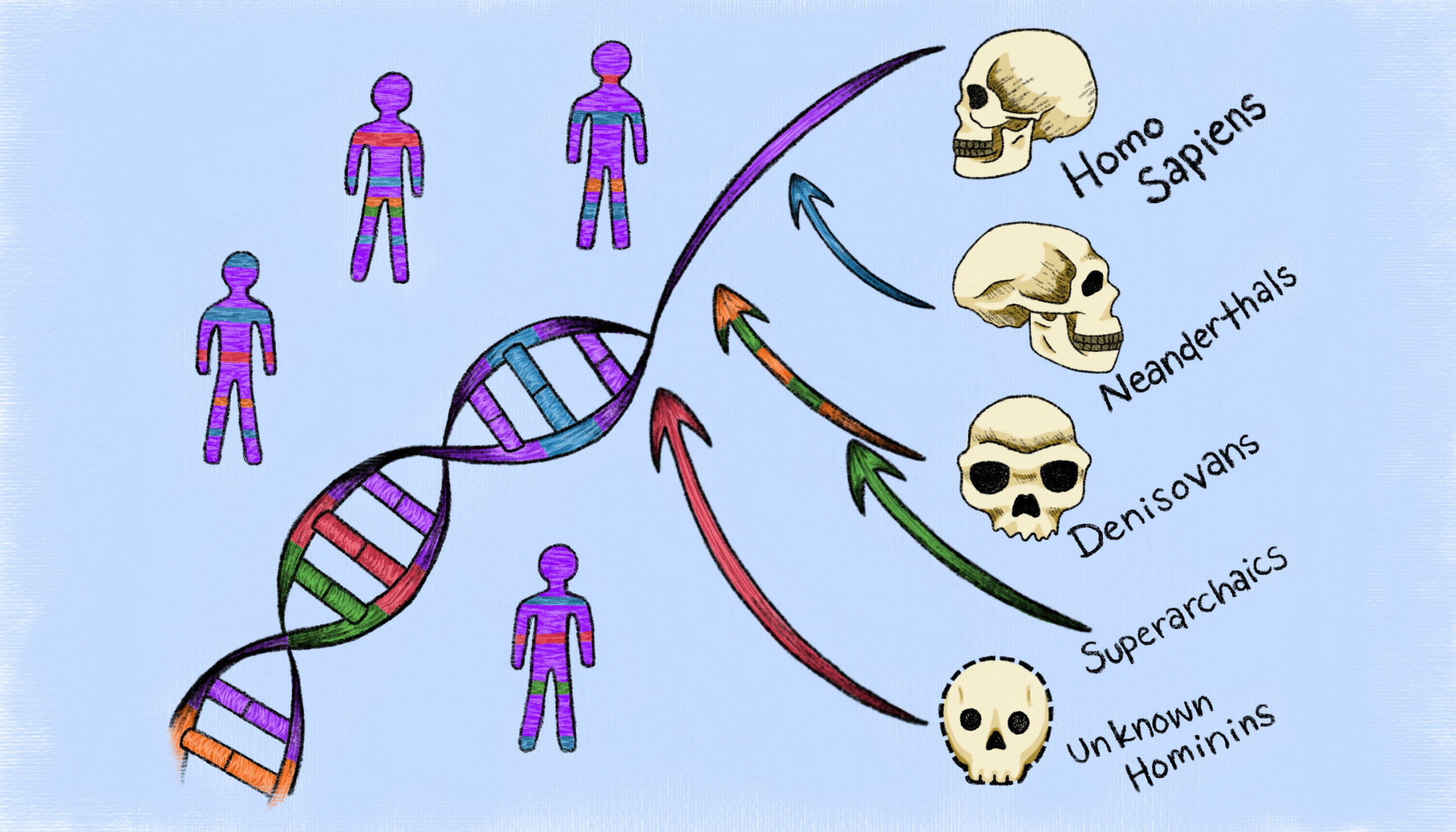
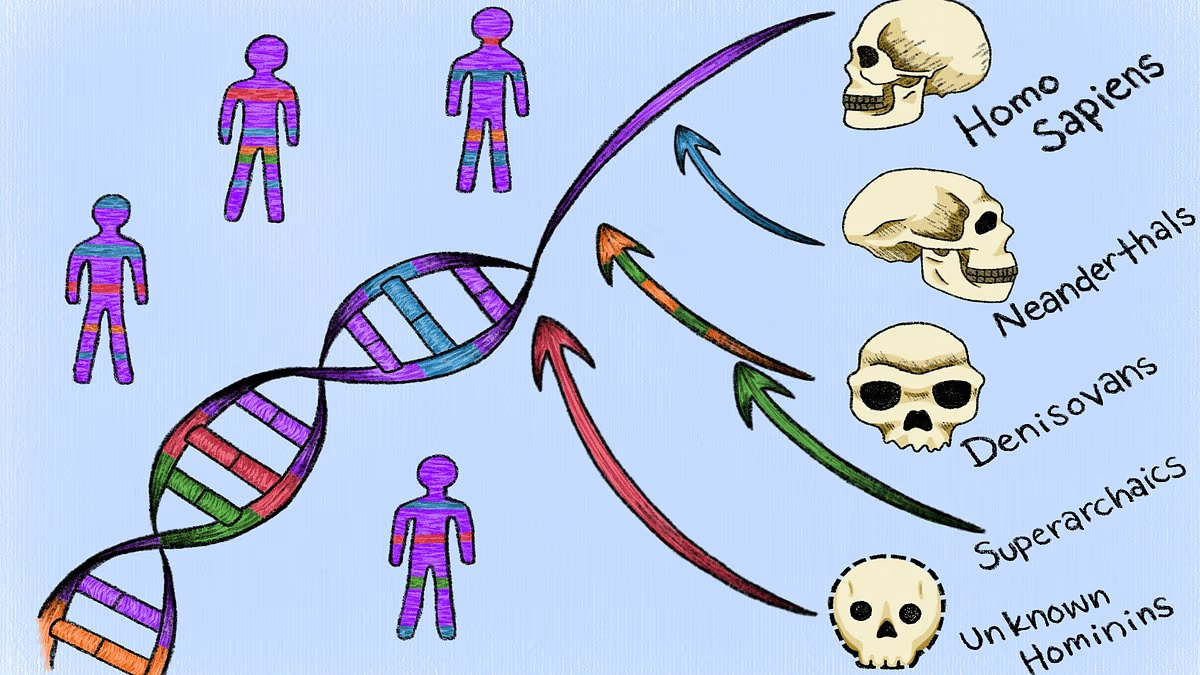
"The drastic underrepresentation of Oceanians limits our understanding of human evolution and could exacerbate health inequalities as genomic research is used to develop novel medical treatments," said lead author Serena Tucci, assistant professor of anthropology in Yale's Faculty of Arts and Sciences and principal investigator of the Yale Human Evolutionary Genomics Laboratory. "To fill that gap, my research team embarked on a large-scale project to expand what is known about human genetic variation, including genetic variants inherited from extinct hominins."
Published June 11 in the journal Science, the research highlights how DNA inherited from extinct human relatives continues to influence modern human biology, health, and survival.