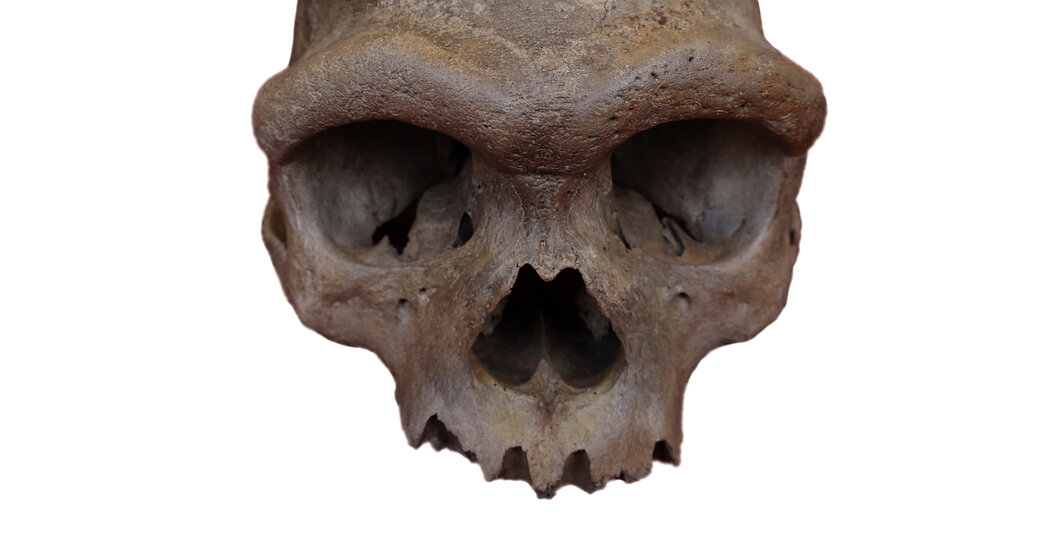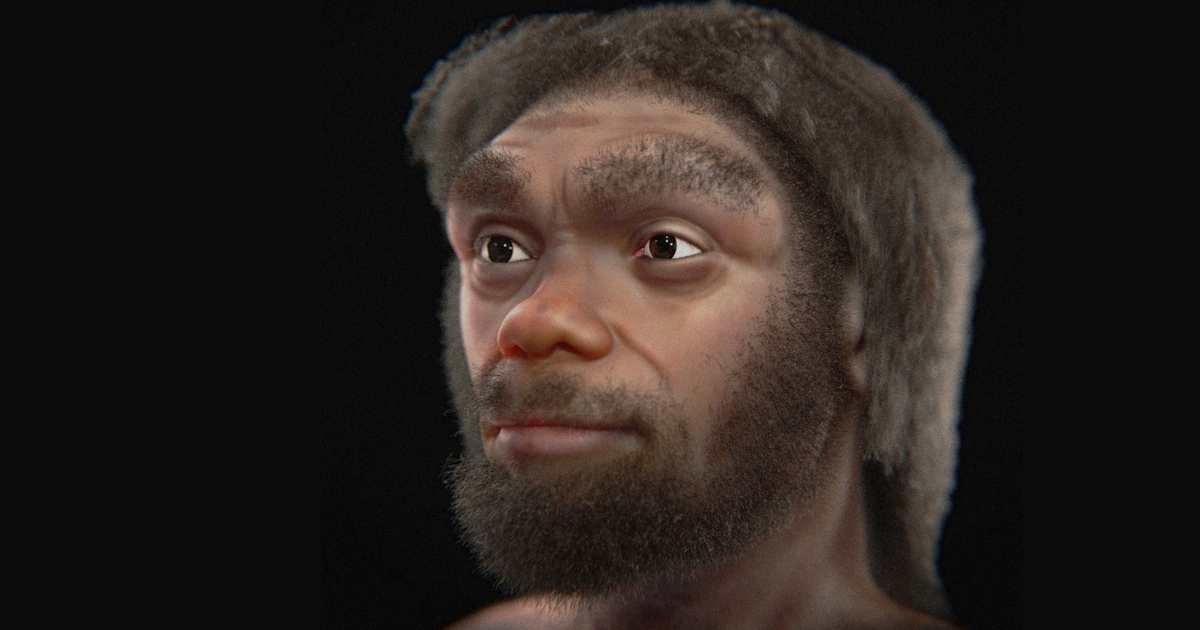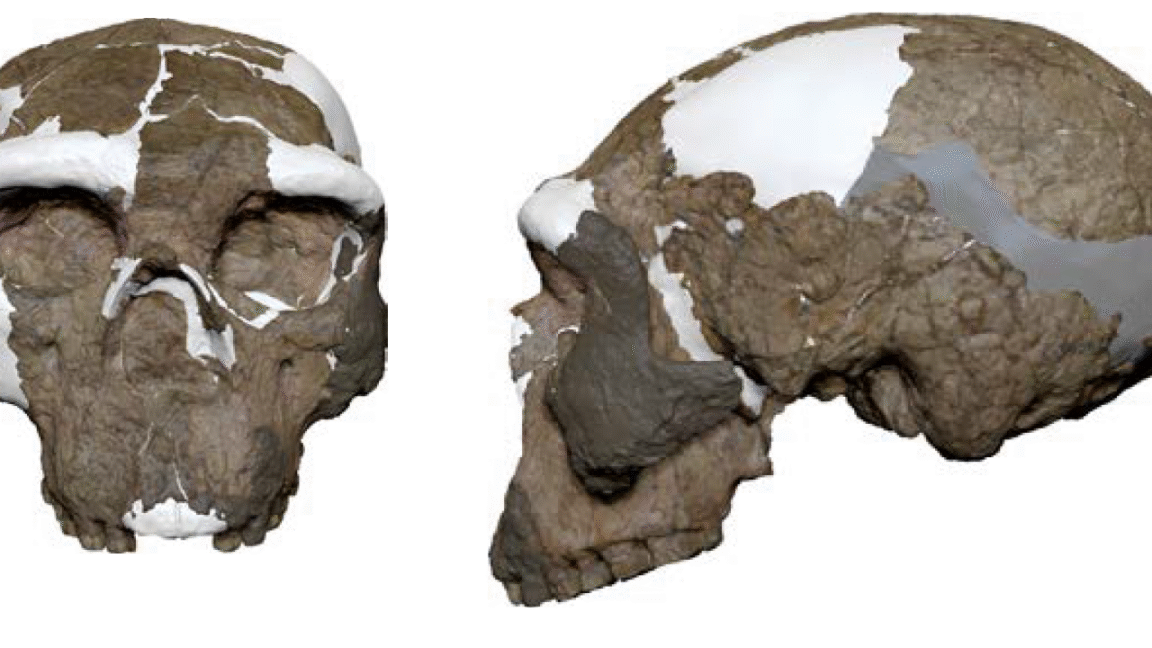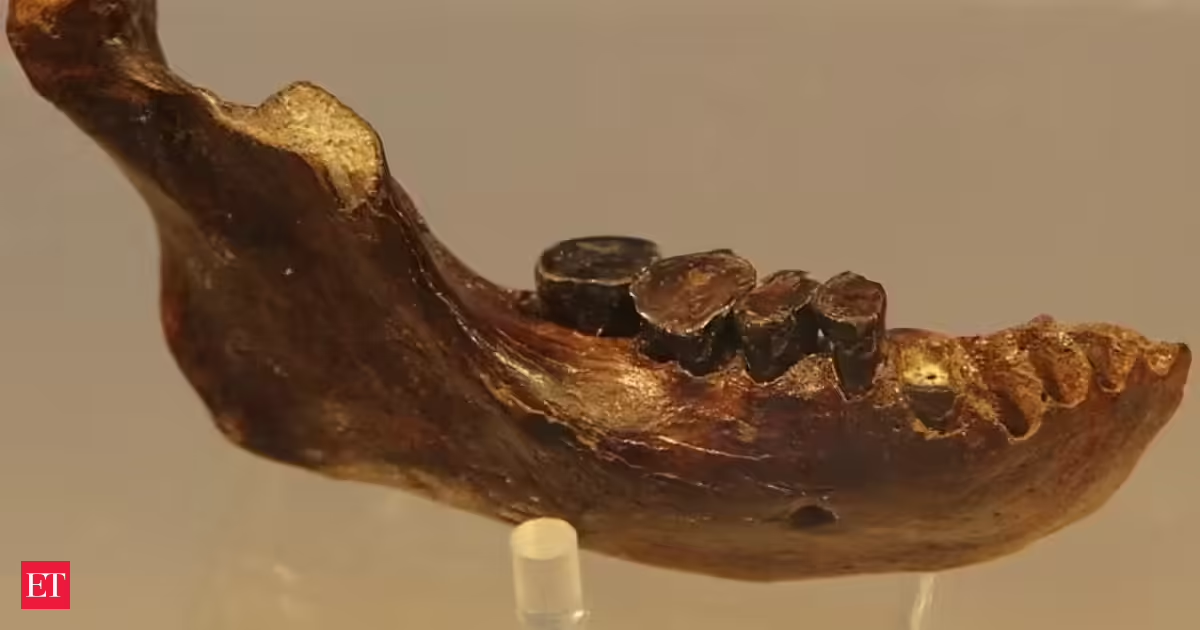
SynopsisA mysterious ancient jawbone found in Taiwan has been identified as a Denisovan man. This discovery rewrites our understanding of these early humans. Previously thought to live in cold, high-altitude areas, the Denisovans are now known to have inhabited warmer, coastal regions. This finding significantly expands their known territory across Asia. Ancient protein analysis proved crucial in this identification.One ancient protein match rewrote what we know about Denisovans. Image credit - WikimediaFor a long time, the mysterious human mandible known as Penghu 1 was confusing researchers because of the age of this fossil and its peculiarities in terms of the dimensions. The Penghu 1 mandible was found on the sea bottom in the Penghu Channel of Taiwan and was regarded by scientists as an archaic human fossil due to its morphology.The massive bone structure without a chin and extremely large teeth can be easily distinguished and recognized from today's human anatomy. However, it took researchers a lot of time to find more evidences as the previous examination of Penghu 1 mandible was purely morphological.Unique features of the Penghu 1 mandibleThe uniqueness of the Penghu 1 mandible existed before the appearance of any evidence of genomic data, as it was determined by the morphological properties of this fossil. Earlier studies of the Penghu 1 mandible had noted such particular features as the gigantic mandible and its body, along with other features characteristic of archaic humans.As one can notice from scientific literature like Nature Communications, the difficulty in classifying this fossil in a context of modern humans is. Nonetheless, it wasn't enough to clarify the mystery surrounding the fossil's origin. In the absence of ancient DNA, scientists could only rely on visual inspection to figure out whether Penghu 1 belonged to an ancient human lineage.Ancient proteins provided the answerPenghu 1 was discovered thanks to ancient proteins. According to a study featured in Science in 2025, scientists used ancient protein analysis to discover that Penghu 1 was a Denisovan man. Unlike DNA, which degrades relatively fast, ancient proteins can survive long after DNA becomes extinct.The relevance of this finding stems from the fact that Denisovans are one of the most elusive branches of hominins. The discovery of Denisovans happened in Siberia, more precisely Denisova Cave. Until this discovery, the remains of no other Denisovans had been discovered except for the fossils unearthed in Siberia and Tibet. It took scientists about two years to extract and analyze proteins from the fossils.Scientists finally identified a mysterious fossil which expanded the Denisovan map. Image credit - WikimediaThe find broadened the Denisovan mapThe major change had to do with geography. Prior to the discovery in Taiwan, the Denisovans were considered to inhabit cold and elevated environments like Siberia and the Tibetan plateau. The Taiwanese environment was completely different from what was previously known about the Denisovans.The warmer coastal environment of the island implied that these early hominins could adapt to a more varied geographical landscape than had been thought before. Nature referred to the fossil as evidence that the Denisovans inhabited low-altitude and warm areas in East Asia.In one fell swoop, this singular jawbone greatly enlarged the known Denisovan territory. It seems researchers are now confident that these early human relatives populated broader areas in Asia than the few fossils would suggest. In paleoanthropology, the discovery of even a single fossil can revolutionize the map completely.How ancient proteins became so essential in scienceThe Penghu 1 discovery was also indicative of another developing scientific technique. They have a much higher potential to last longer. Nature explains that proteomics are growing more useful for finding ancient human fossils that lack any traceable DNA. That was another significant thing about the Taiwan jawbone, aside from the Denisovan link itself.They demonstrated to scientists that they can still recognize their extinct ancestors without using genetic methods. Researchers believe that this will help them answer several questions about fossils that were previously left open.The fossil record is still lackingEven after establishing this new identity, several things remain uncertain for researchers. For instance, they do not know precisely how wide-reaching the spread of the Denisovans was, how many local populations there were, and what kind of interaction they had with other species of ancient humans.This record is incredibly thin compared to that of Neanderthals and homo sapiens. What they received as a result was the certainty factor. This fossil is referred to as a 'molecularly confirmed Denisovan specimen' in later literature on the matter. This is important since the Denisovans are not well-understood, even to this day, based on fragmentary evidence. Each newly discovered fossil enables archaeologists to further piece together their identity and habitat.While the Taiwan mandible appears to be a minor discovery, a single preserved protein helped revolutionize the understanding of a complete lineage of humans.Read More News on(Catch all the US News, UK News, Canada News, International Breaking News Events, and Latest News Updates on The Economic Times.) Download The Economic Times News App to get Daily International News Updates....moreless
A single jawbone from Taiwan just changed what scientists knew about Denisovans
A mysterious ancient jawbone found in Taiwan has been identified as a Denisovan man. This discovery rewrites our understanding of these early humans. Previously thought to live in cold, high-altitude areas, the Denisovans are now known to have inhabited warmer, coastal regions. This finding significantly expands their known territory across Asia. Ancient protein analysis proved crucial in this identification.
Ancient protein analysis confirmed the Penghu 1 mandible — a jawbone dredged from the Taiwan Strait — as a molecularly verified Denisovan specimen, the first outside Siberia and Tibet. The find extends the known Denisovan range from cold high-altitude environments to warm coastal East Asia, validating proteomics as a viable identification tool when ancient DNA is unrecoverable.