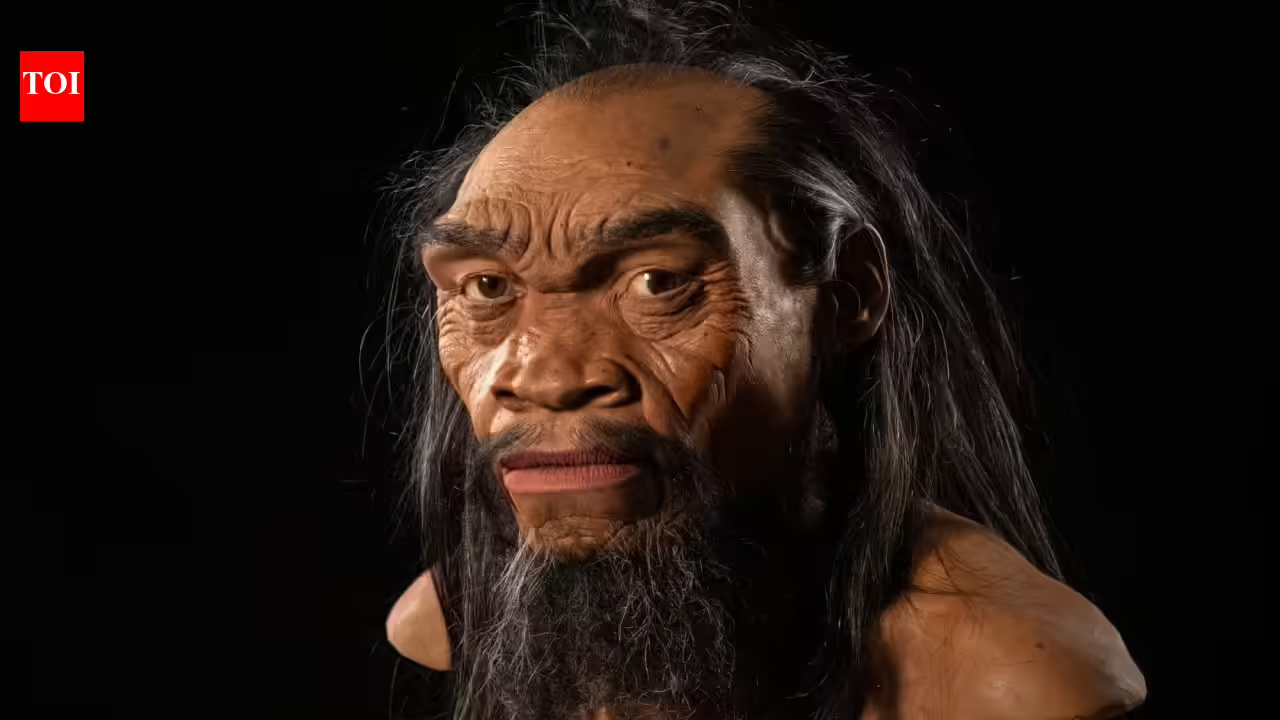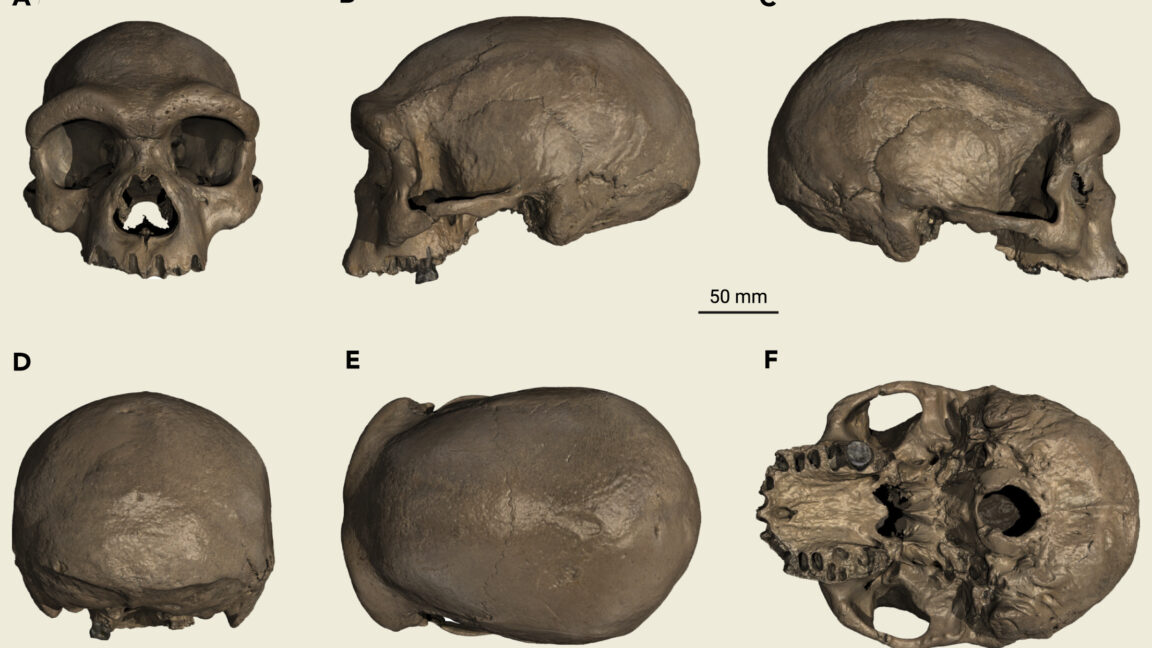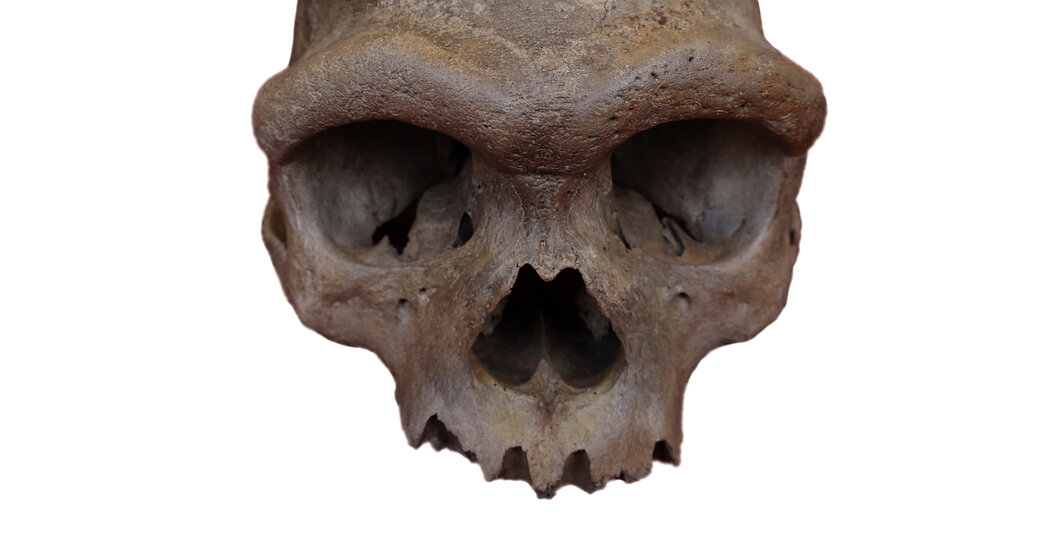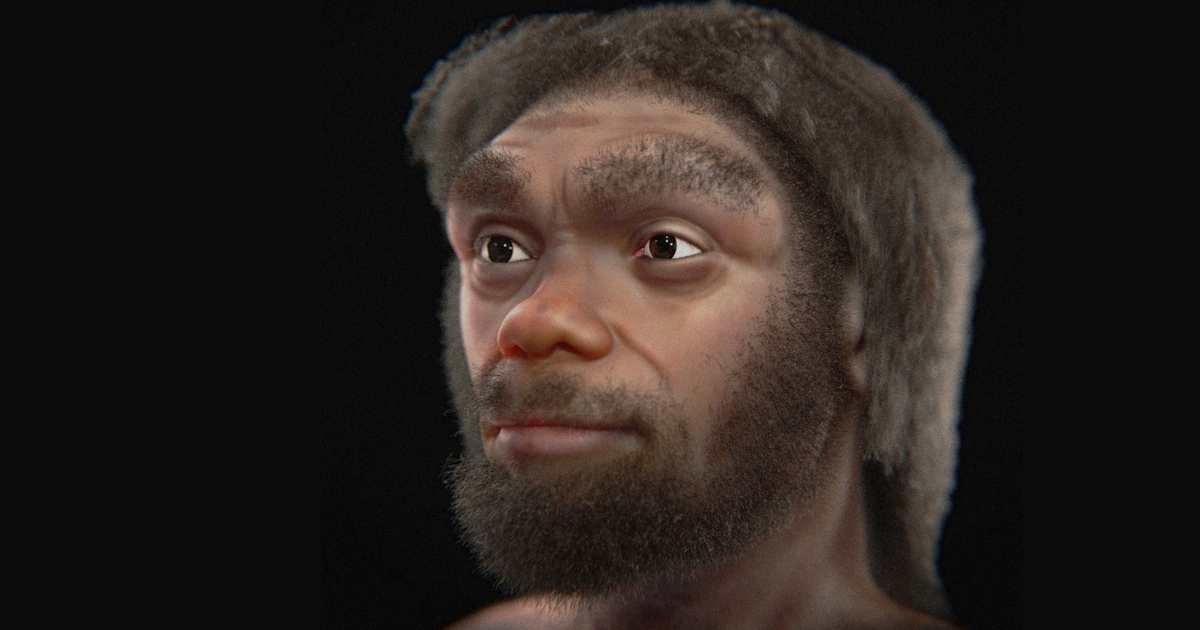
Denisovans were discovered in 2010, but we didn't know what they looked like. Now we do, and Israeli researchers believe they've spotted three on museum shelves. And mirror, mirror on the wall, am I seeing Kabwe?
And then there were three.
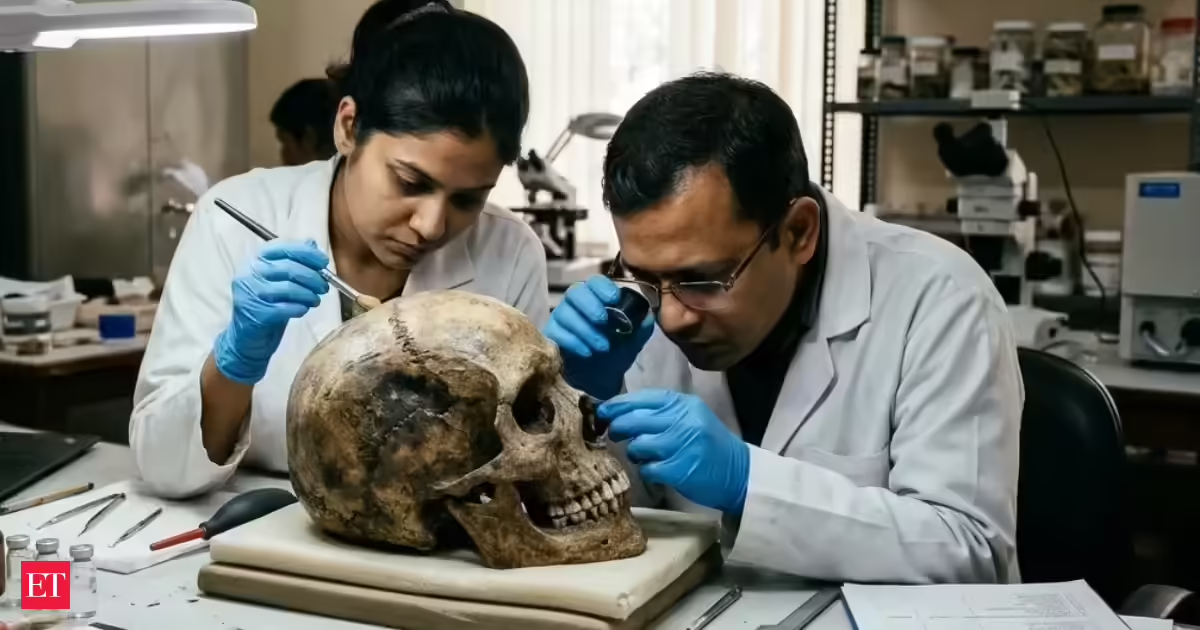
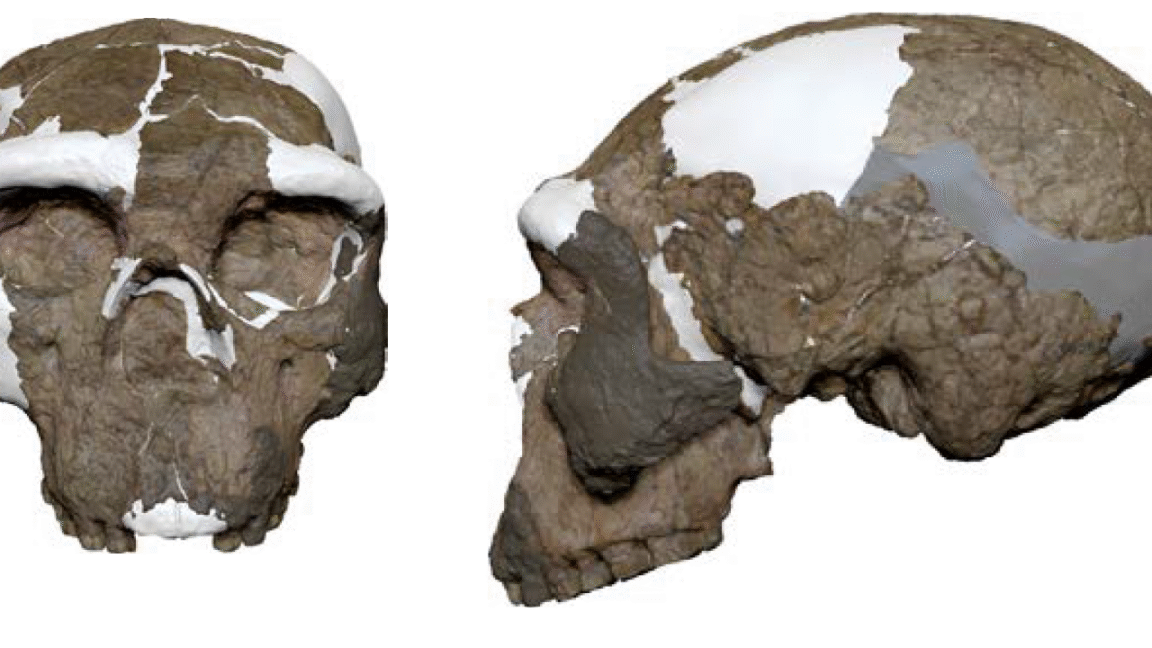
The world has been aching for skulls from the enigmatic human species known as Denisovans; one has finally been identified; but we may have had three of them in hand for a century, according to a new paper published on Tuesday in PNAS by an Israeli team.
The Denisovans were discovered only in 2010 following the casual genetic analysis of a finger bone found in a cave in Siberia. It was assumed to belong to a Neanderthal but shockingly, DNA extracted from the bone showed the species was unknown. Based on the name of the cave where the finger was found, they were called the Denisovans.
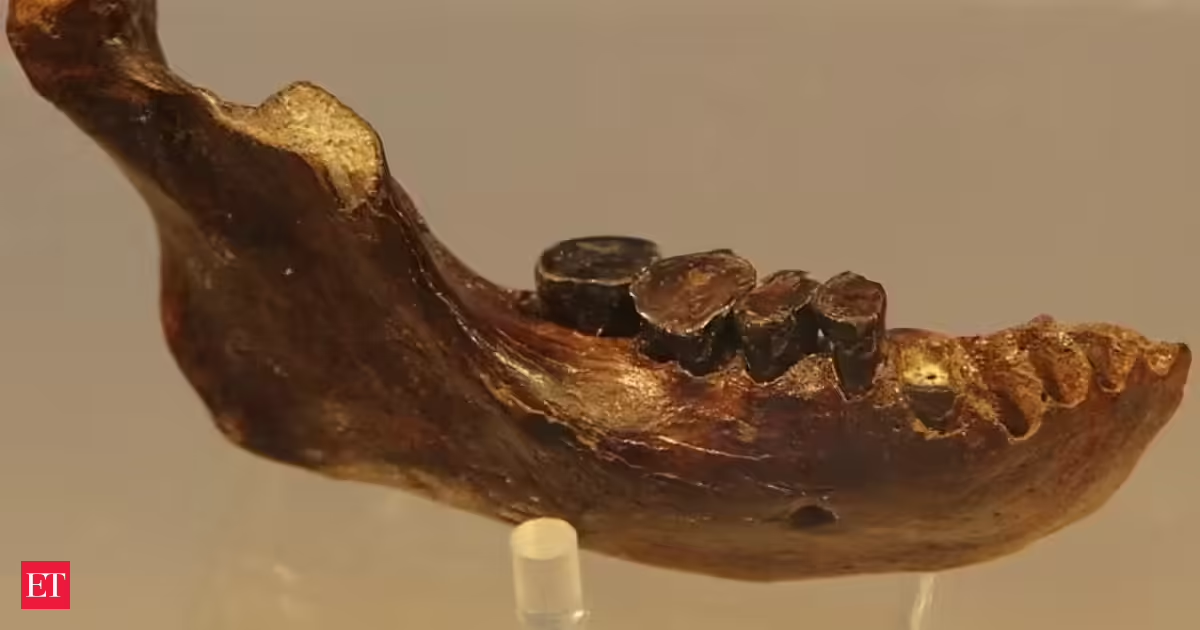
But what they looked like remained a mystery because no burial of theirs was ever found, no articulated skeleton; just that finger and a few teeth in Denisova Cave; and years later, a jaw and rib on the Tibetan plateau; and another jaw dredged from the seafloor between China and Taiwan. Not much from which to paint a portrait.