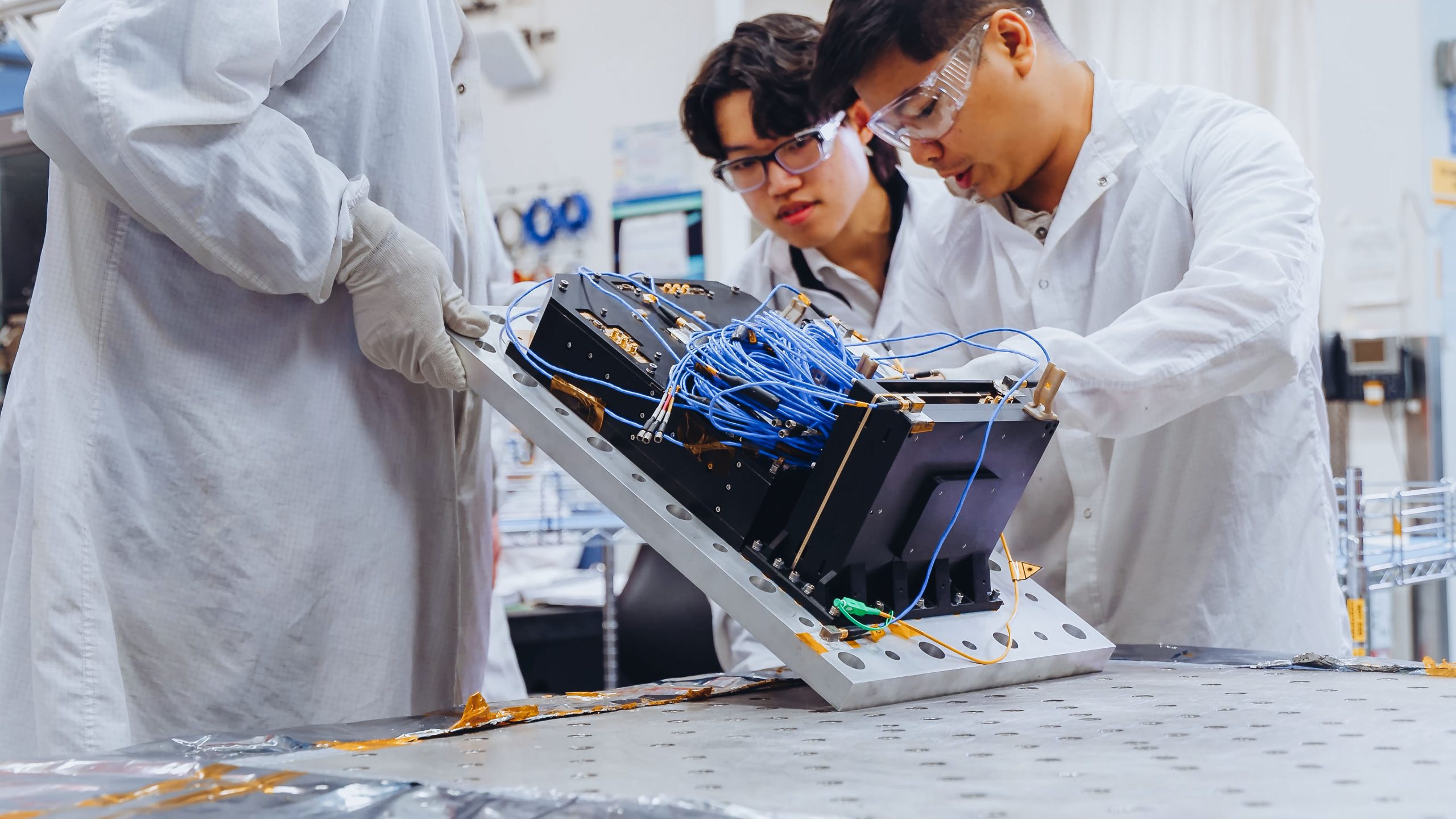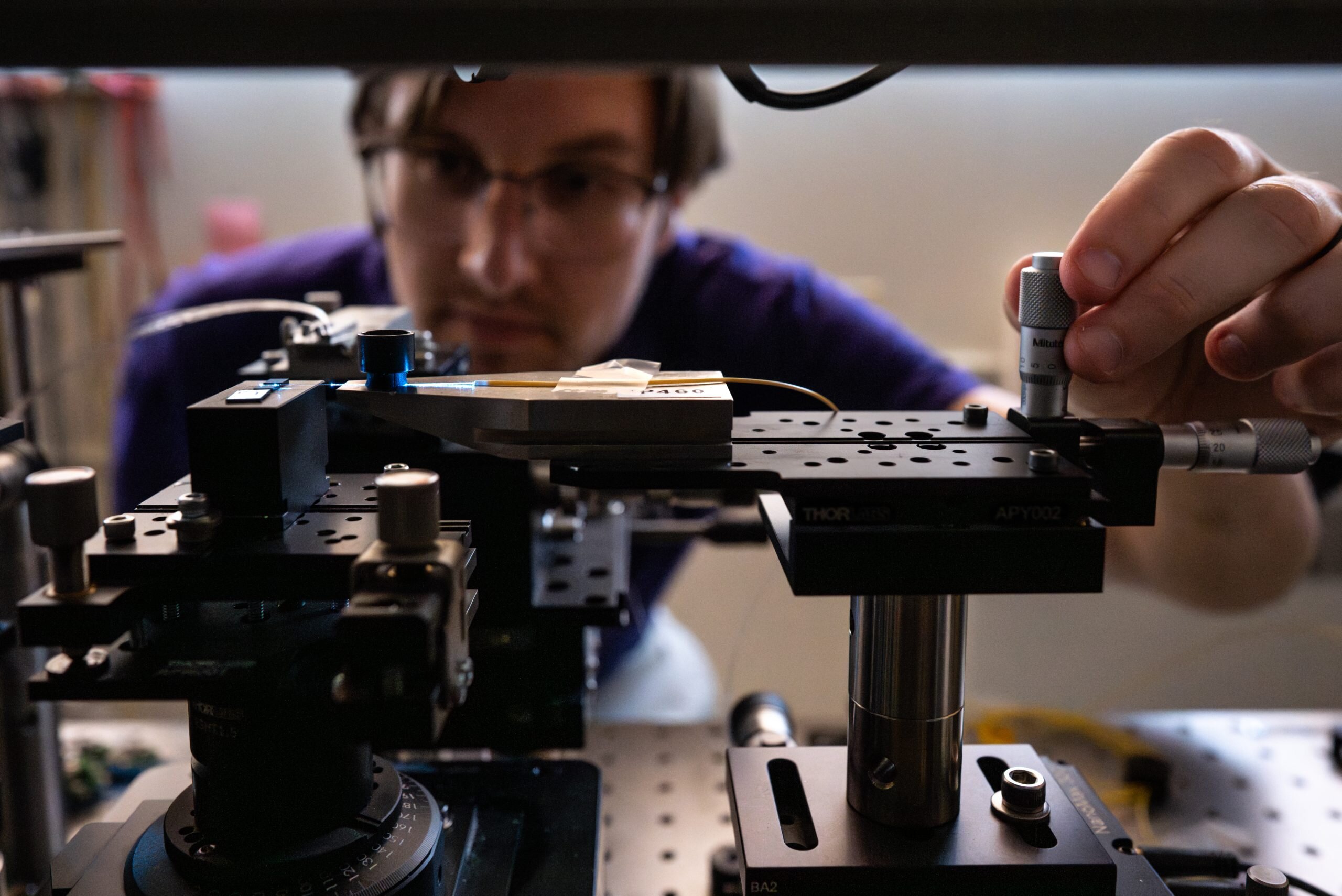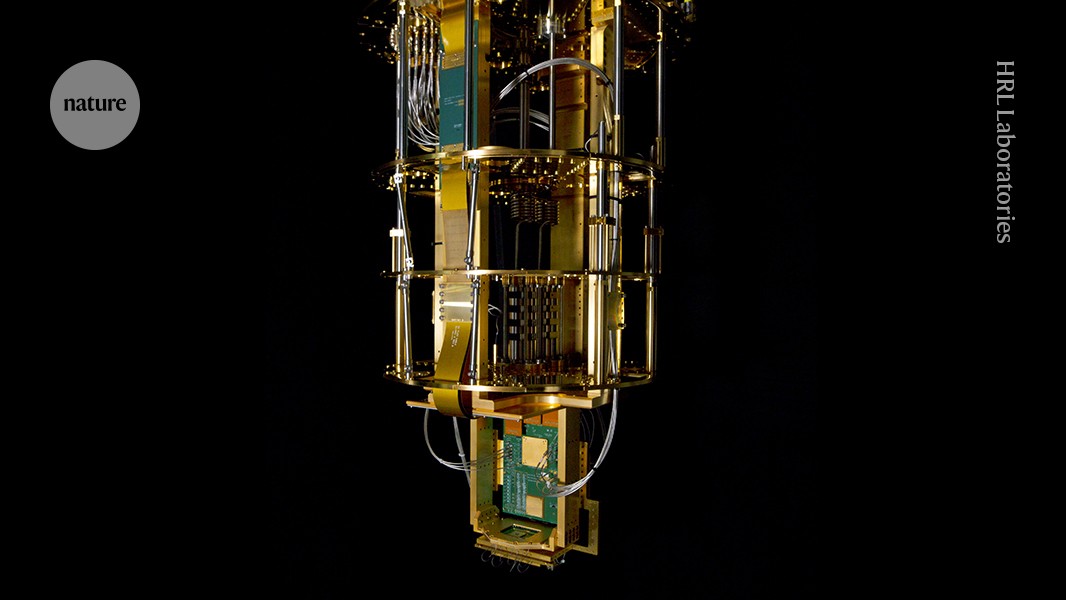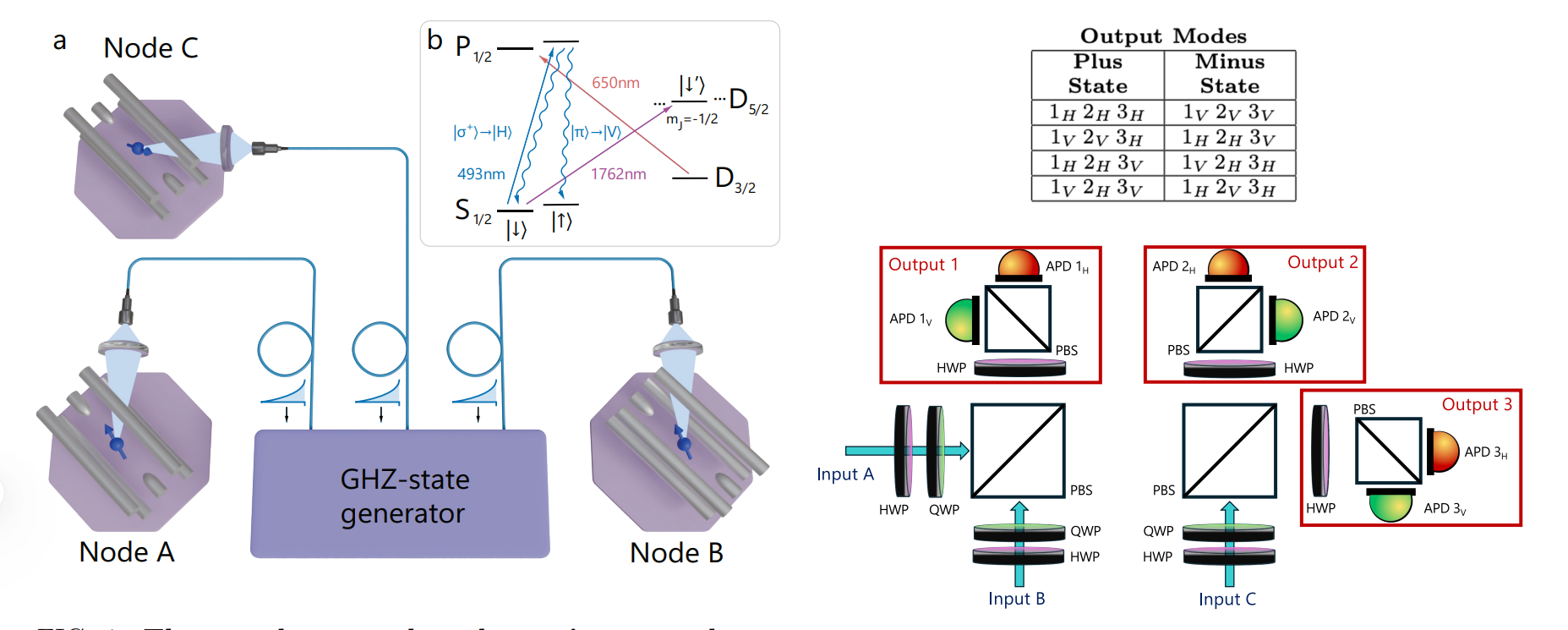
Boeing and HRL Laboratories have successfully demonstrated high-fidelity entanglement swapping in ground tests for the Q4S (Quantum 4 Science) satellite mission. The achievement, validated in April 2025, marks a critical milestone on the path to performing four-photon quantum entanglement swapping in orbit for the first time.
The ground tests achieved a fidelity range of 0.8 to 0.9, with the system detecting over 2,500 matching photon pairs per second. The satellite is targeted for a 2026 launch.
What entanglement swapping actually means
Entanglement swapping allows two particles that have never interacted to become entangled through an intermediary process, extending quantum connections across distances without needing a direct physical link between the endpoints. This is the key ingredient for building quantum repeaters, relay stations for quantum information. Without them, quantum signals degrade over fiber optic cables after roughly 100 kilometers.
The Q4S mission is designed to be the first dedicated satellite to attempt entanglement swapping in space. Boeing announced the mission on September 10, 2024, positioning it as a self-funded demonstration rather than a government contract deliverable.