Skip to content
GQINewsNews Archive 2025News Archive 2024News Archive 2023News Archive 2022News Archive 2021News Archive 2020News Archive 2019News Archive 2018News Archive 2015-2017AnalysisQnalysisPlayersPublic CompaniesPrivate/Startup CompaniesUniversitiesGovernment/Non-ProfitVenture CapitalVenture Capital – Sorted by Quantum CompanyResourcesConferencesToolsOther Websites and Industry AssociationsEducationBooksScorecardsGate Level Software PlatformsIBM Qiskit, Rigetti Forest, Microsoft QDK, Project QReview of the Cirq Quantum Software FrameworkQubit Implementation DashboardQubit CountQubit QualityQubit TechnologySoftware/Startup PartnersCloud Platform Hardware PartnersPodcastsAboutQCR Alerts Sign-Up FormAdvertising InquiriesQCR in the NewsContactPrivacy PolicyMembership
Sandia National Laboratories and Quantinuum Validate 98-Qubit Helios Trapped-Ion Framework
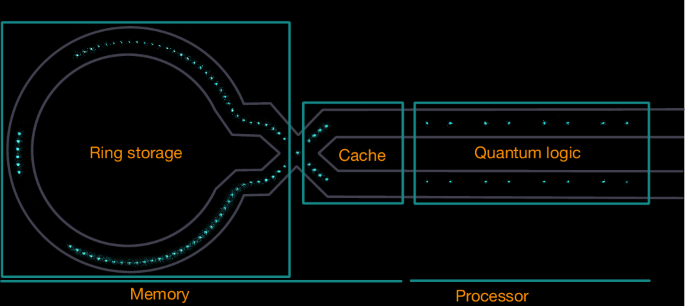
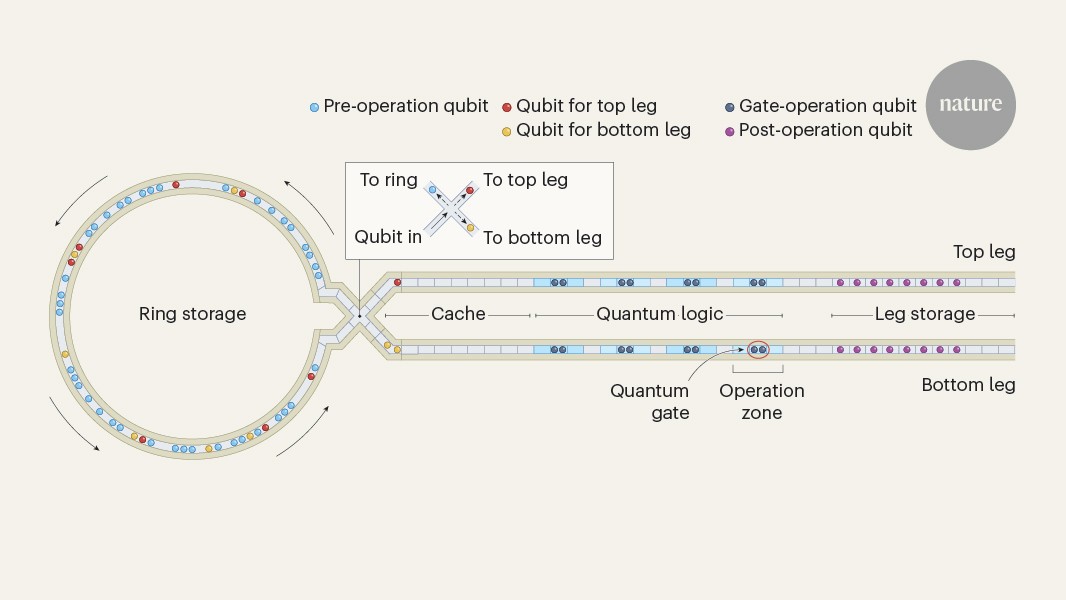
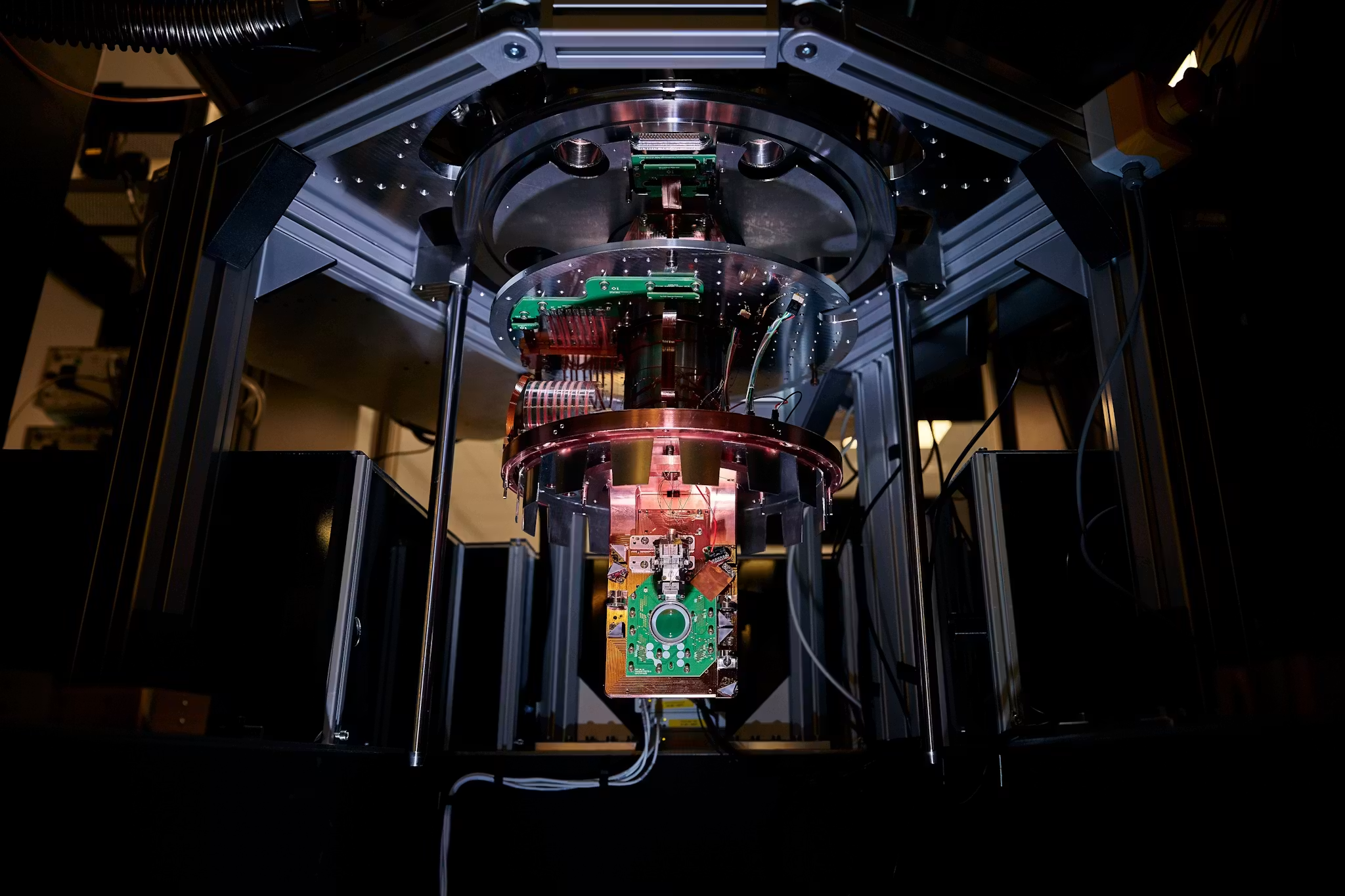
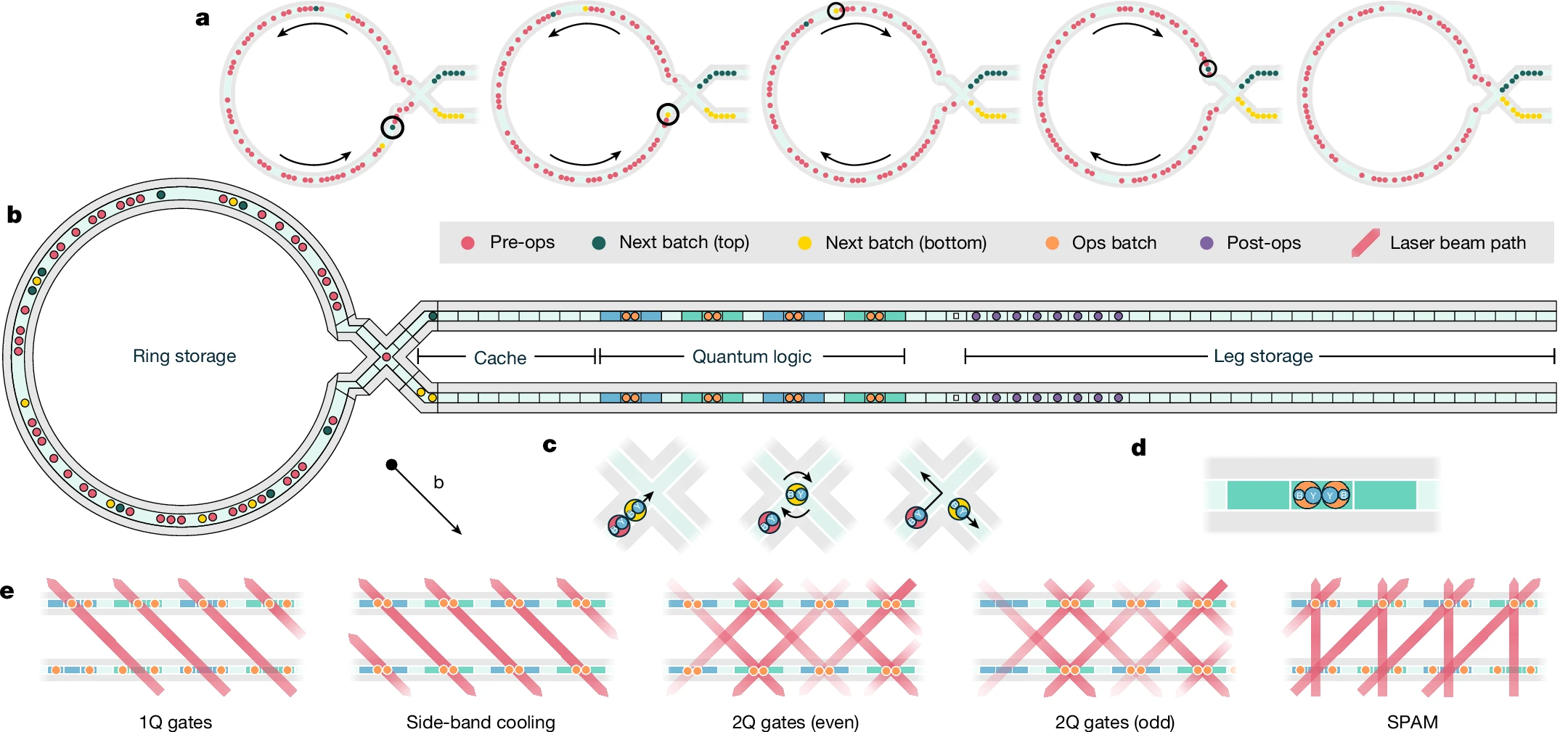
Illustration of the Helios design and conception of operations.
Sandia National Laboratories and Quantinuum have published peer-reviewed performance data in the journal Nature detailing Helios, a 98-qubit commercial trapped-ion quantum computer. Operating under a long-standing Cooperative Research and Development Agreement (CRADA), which was renewed in May 2026, researchers from Sandia evaluated and verified the system’s operational parameters. The benchmarking routines confirmed single-qubit gate fidelities of 99.9975% (an average infidelity of 2.5×10⁻⁵) and two-qubit gate fidelities of 99.921% (an average infidelity of 7.9×10⁻⁴), alongside a State Preparation and Measurement (SPAM) fidelity of 99.967%. These metrics establish baseline error rates that allow the system to execute operations outside the boundaries of classical simulation.