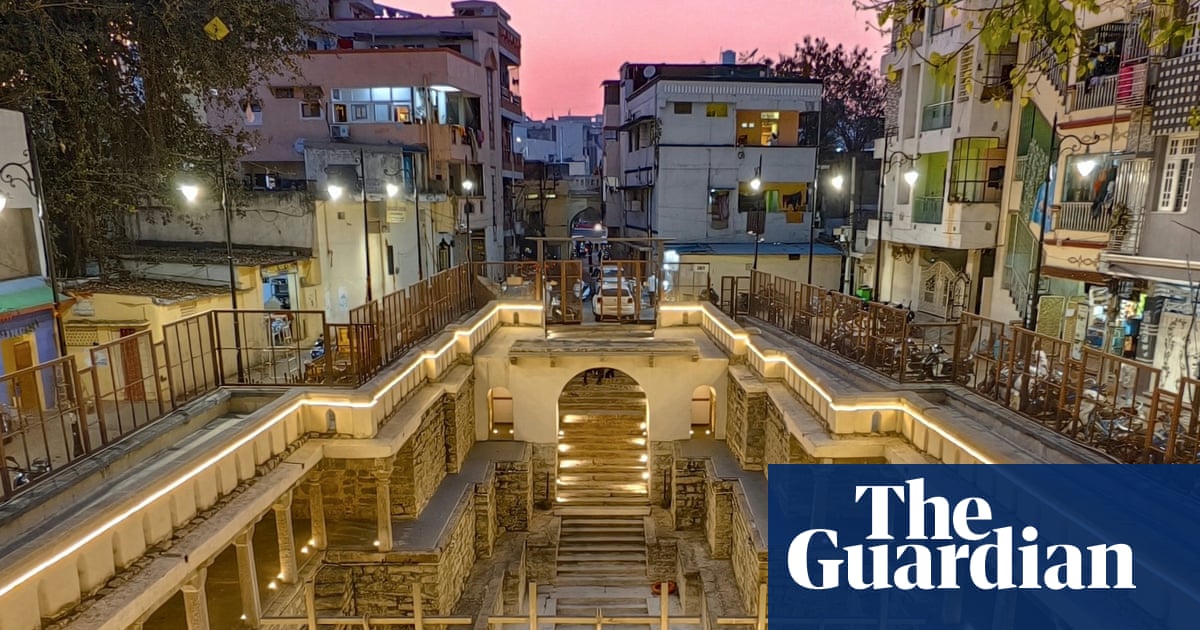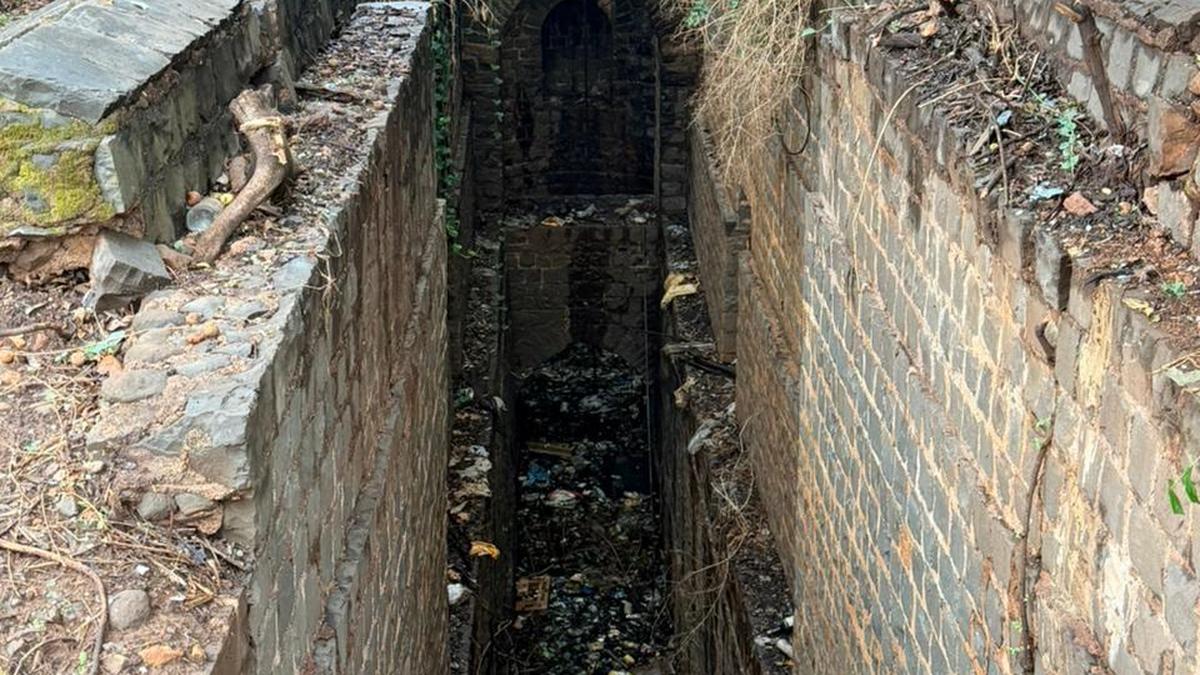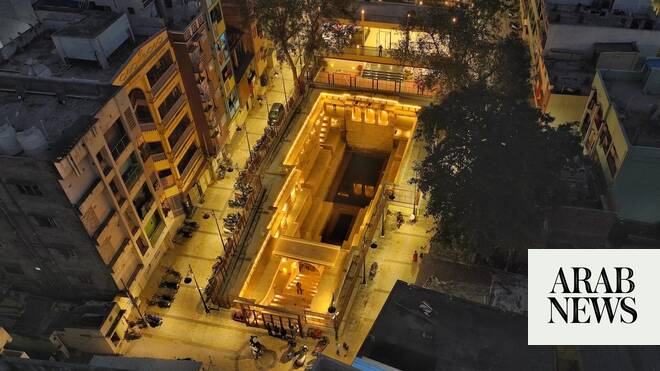
NEW DELHI: Once a community gathering space, the Bansilalpet stepwell in Secunderabad had for decades been reduced to a neighborhood dumping ground. Only a few years ago, an urban restoration initiative revived its 18th-century glory, drawing attention to India’s traditional water systems and their possible use today.
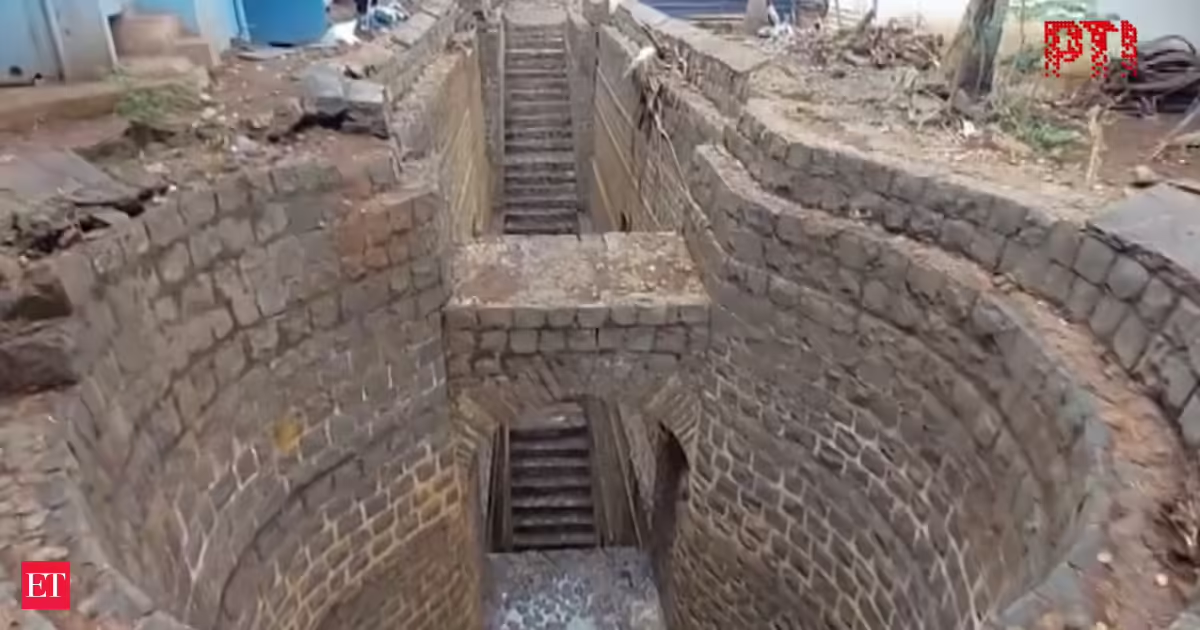
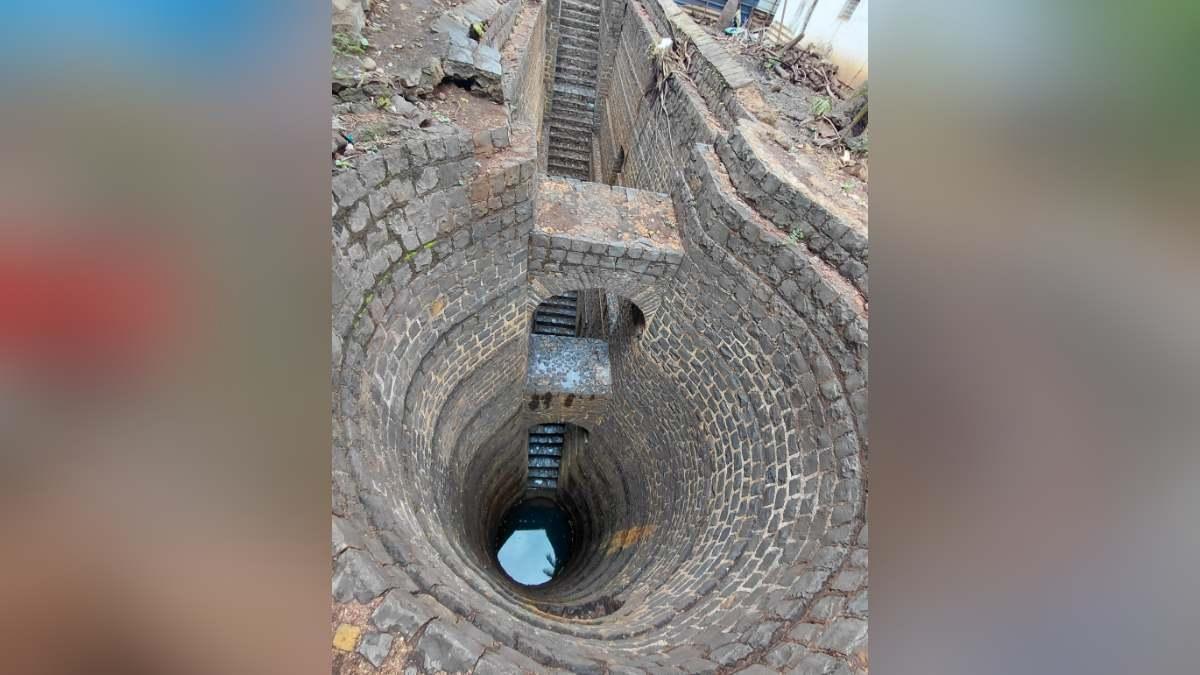
Stepwells are deep, open wells with steps, landings, and corridors descending to the water level. Popular in Indian cities between the 11th and 18th centuries, they allowed people to reach water as the level rose and fell with the seasons. During the monsoon, rainwater absorbed into the soil recharges the groundwater that supplies them.
Beyond their practical function, they also offered shelter from heat and were a place for social gatherings.
Largely forgotten under British colonial rule, which banned their use, these unique structures are now being revived with hopes that they could help mitigate India’s growing water scarcity and restore community bonds that they used to maintain.
“People used to walk down to the well and fetch water, so the connection with the community was very, very strong,” said Kalpana Ramesh, an urban designer based in Hyderabad, Secunderabad’s twin city and the capital of the southern state of Telangana.