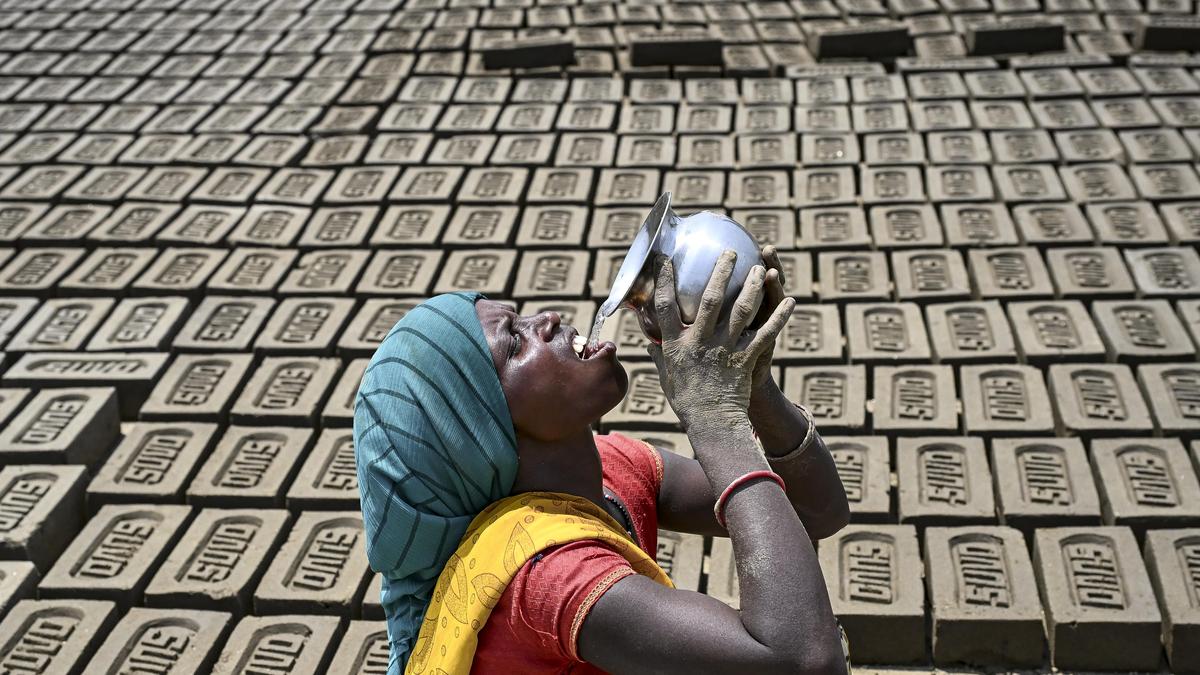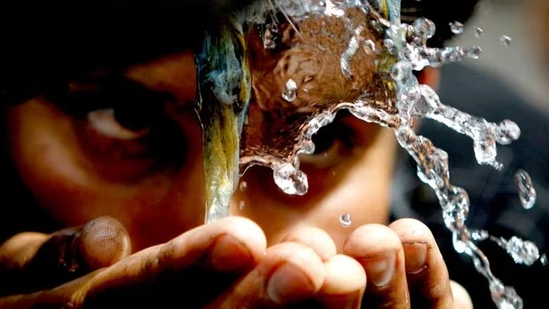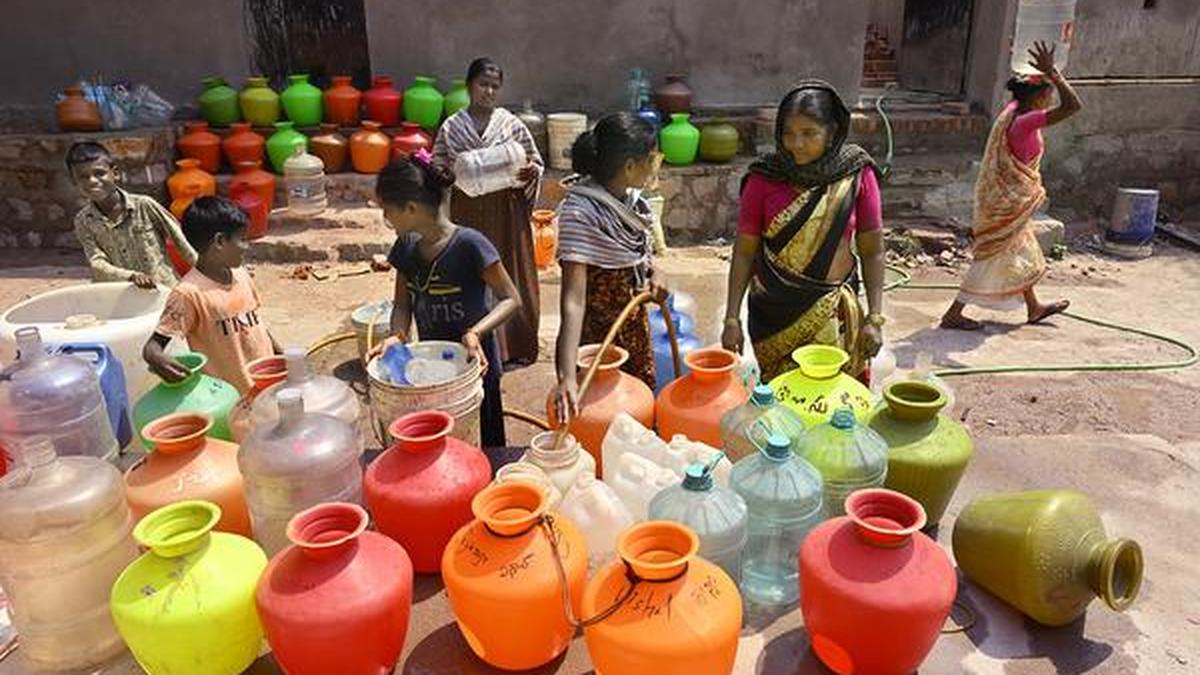
India’s water story has made real progress. The Jal Jeevan Mission has brought tap water to nearly eight out of every 10 rural households. While urban water supply is not without its challenges, at least there is intermittent supply in most towns and cities. However, the images of India’s water challenges are shifting. One is the village that still waits for a reliable connection, and the second is the city which floods every now and then due to erratic and heavy rain. In between the two, there is a missing middle — a vast, overlooked landscape which has both challenges and opportunities.
Union Budget 2026: Despite sharp dip in actual spends, Jal Jeevan mission retains allocation at ₹67,600 crore
This is India’s peri-urban expanse: a zone where farmland and scattered habitations give way to factory sheds, and densely cluttered settlements. Over the last two decades, the number of Census towns has jumped from 1,362 to 3,784, a 178% increase. These are not villages anymore, but neither are they recognised as cities. Nowhere does this institutional limbo exact a higher price than in water and sanitation.
A middle ground
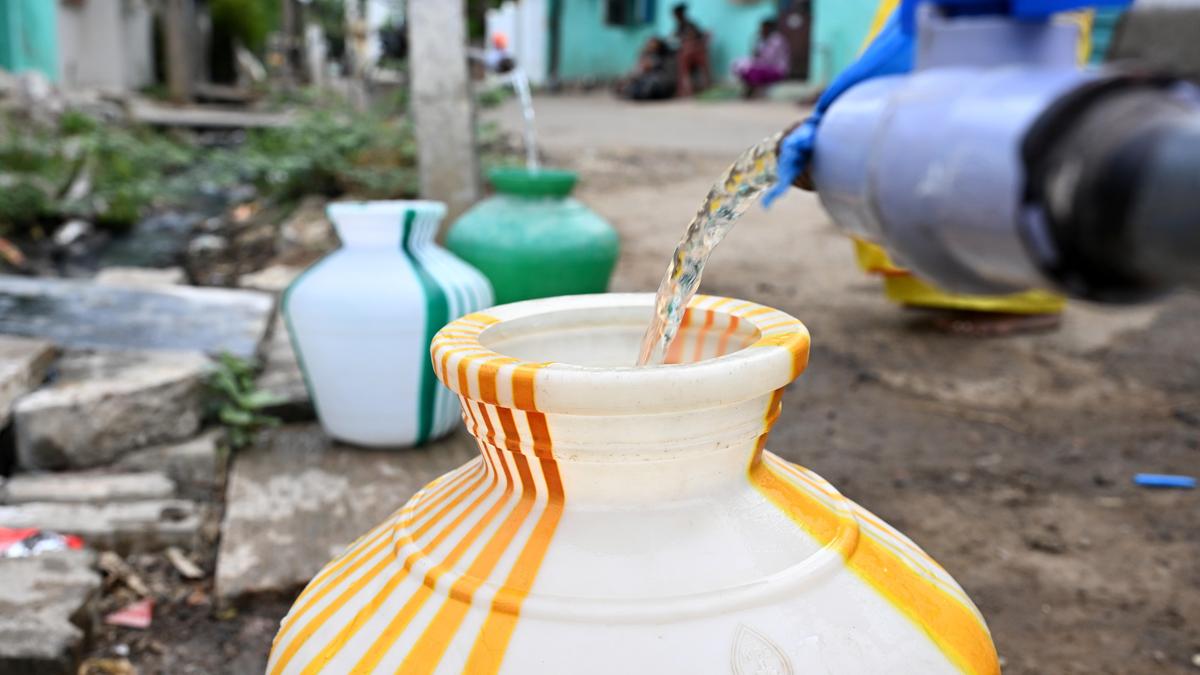
Take, for example, the Rawta village on the edge of Delhi. Residents here receive water through a pipeline at a common collection point, but only on alternate days, and that too between 7 p.m. and midnight. Families sacrifice sleep to fetch water. Private vendors selling water exploit this gap. Or consider Gurugram, where rural governance was abolished and peri-urban areas were placed under the municipal corporation which struggles with administrative inefficiencies. Residents are left with the worst of both worlds: urban prices without urban services.