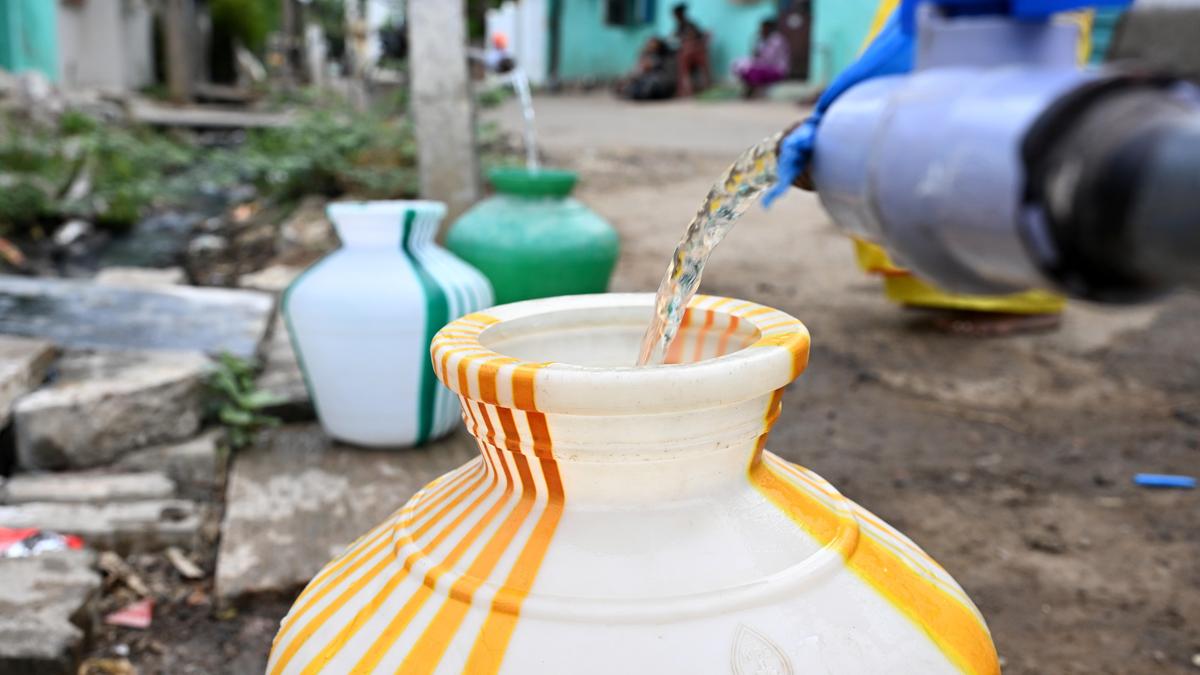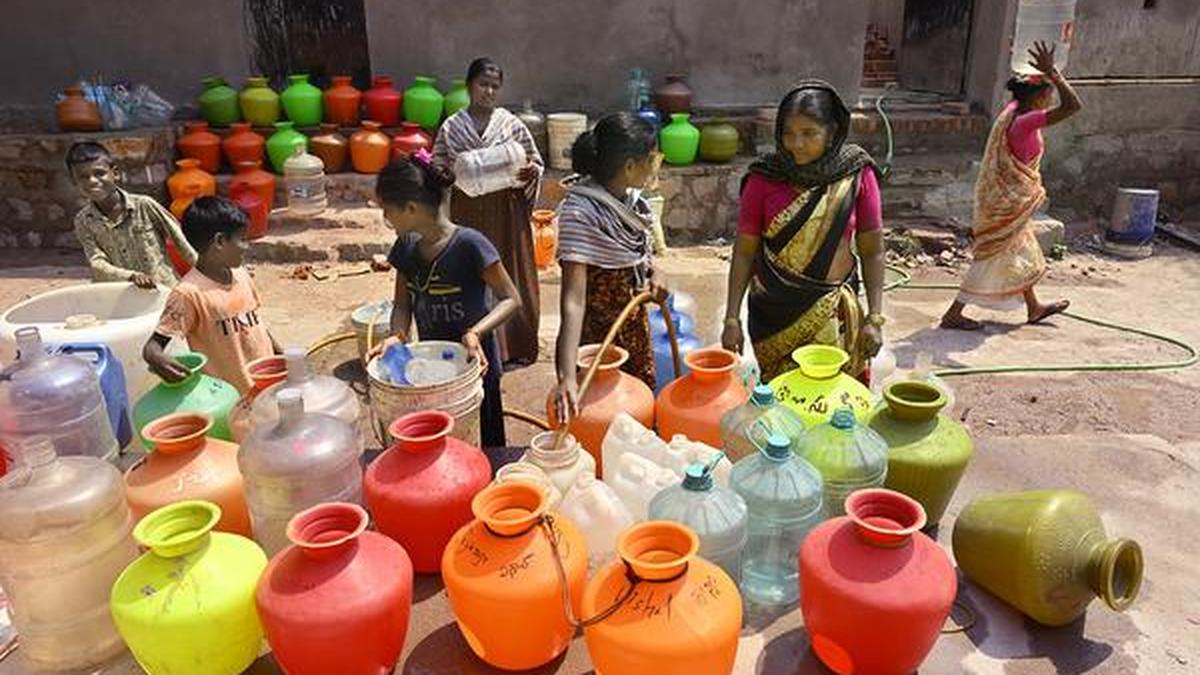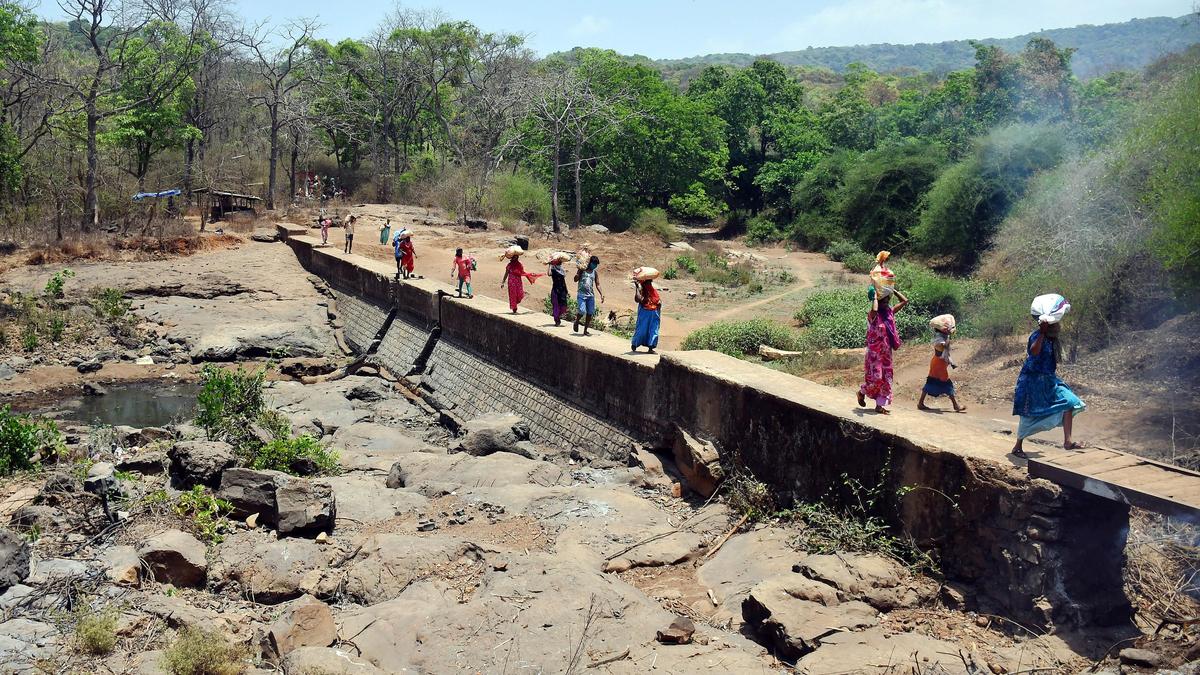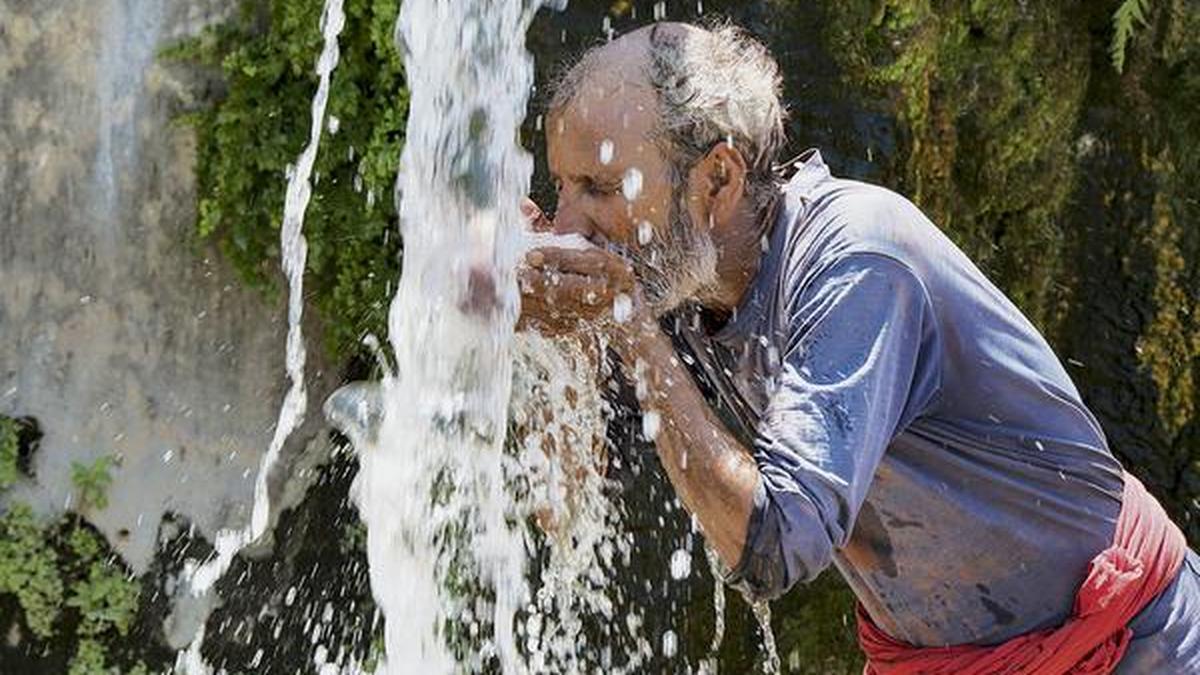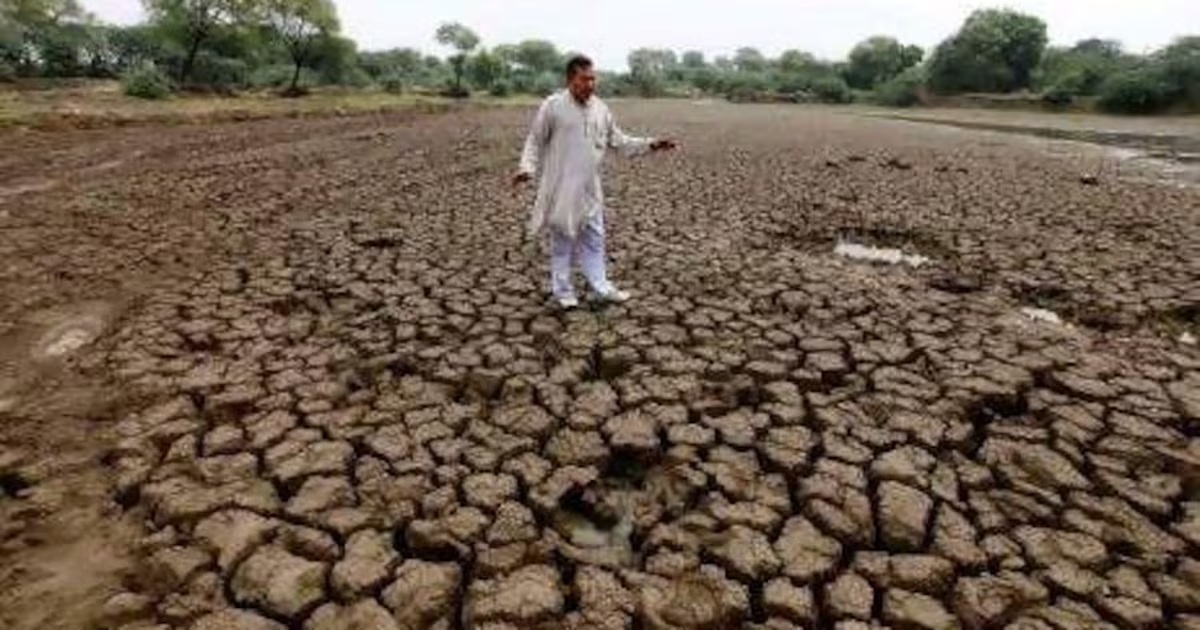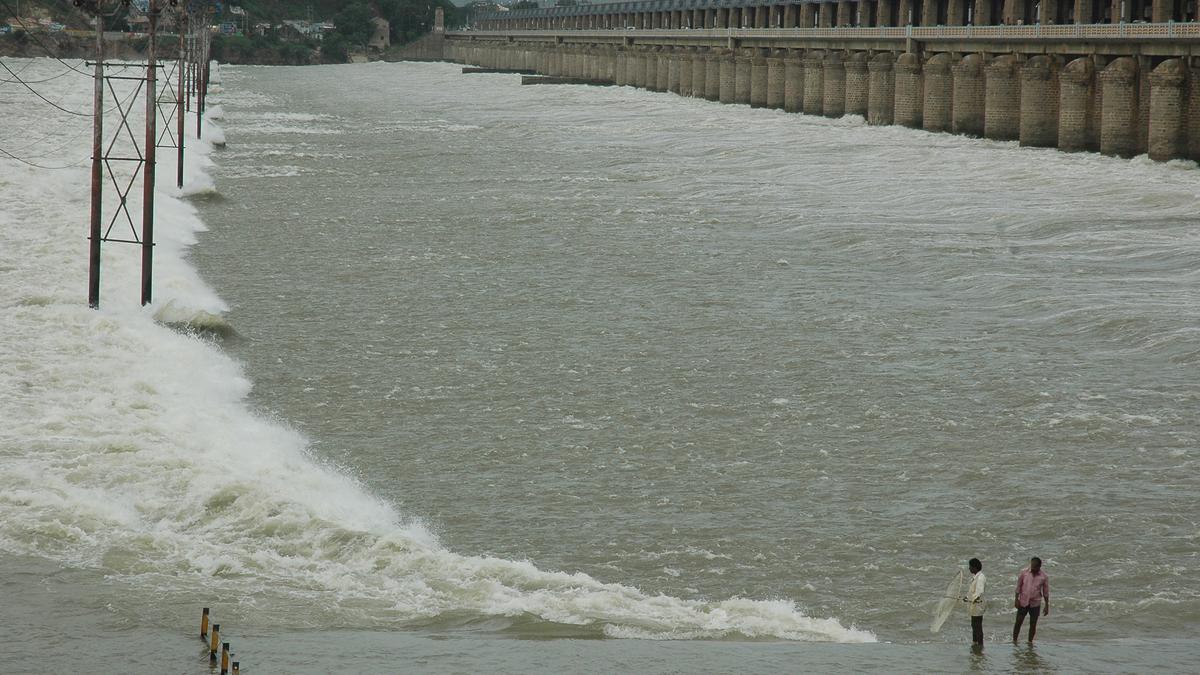
According to a recent study by the United Nations University Institute for Water, Environment and Health, the world has officially entered an era of ‘Global Water Bankruptcy’. The emerging trend in global water dynamics is marked by the state of ‘near permanent erosion’ of the natural resilience and recovery capacity of water ecosystems due to extraction beyond renewal limits. The report warns that humans are consuming water faster than nature can replenish it, transforming a renewable resource into a rapidly diminishing ecological reserve.
This global crisis will have grave implications for India, the world’s most populous country and one of the largest consumers of groundwater. It already extracts approximately 247.22 billion cubic metres annually—around 60 per cent of the national extractable threshold. India has an estimated annual recharge potential of 448.52 bcm, yet is at the centre of the water bankruptcy.With the highest rates of groundwater withdrawal in the world, over-dependency and over-extraction, without serious effort for groundwater recharge, is steadily pushing states like Punjab, Haryana and Rajasthan toward irreversible groundwater stress.
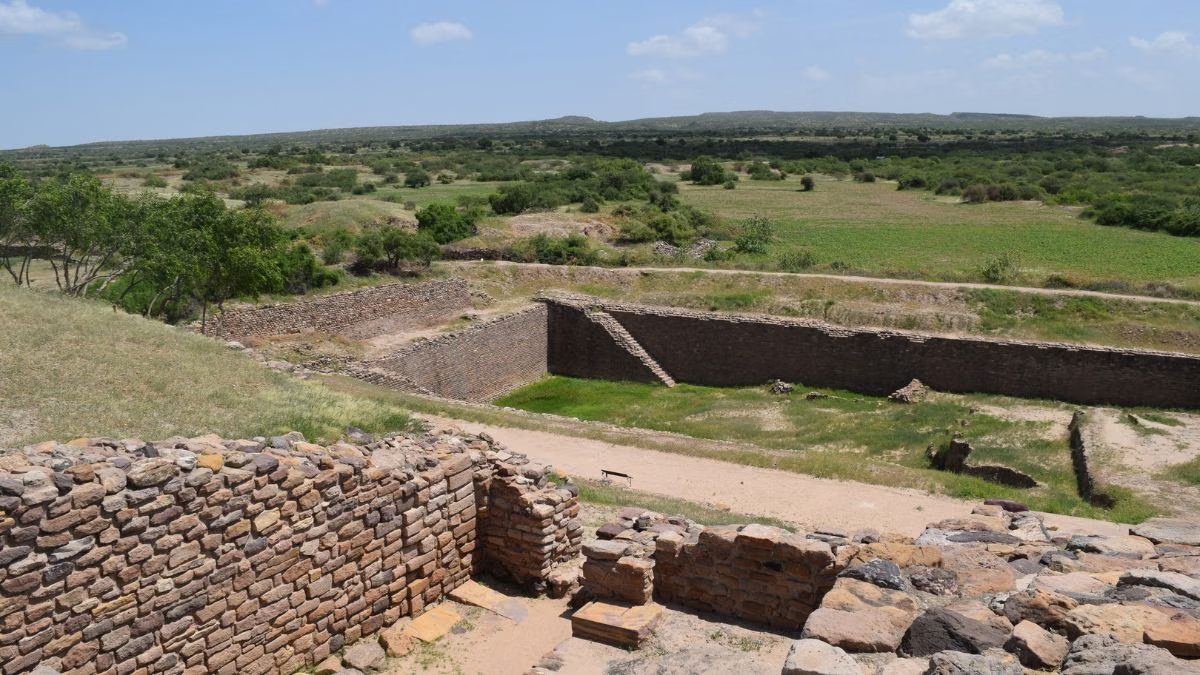
According to NITI Aayog’s Composite Water Management Index of 2018, major cities such as Delhi, Chennai, Bengaluru and Hyderabad are impacted by overextraction of groundwater, finding a place in the world’s 20 most water-stressed cities list.It is evident that India needs to invest in natural water systems. Experts are of the opinion that India must leverage community-led groundwater management efforts to address the fast-depleting aquifers in the cities.Long before sustainability became a global slogan, ancient and medieval societies developed sophisticated systems of rainwater harvesting and groundwater recharge suited to local landscape and climatic conditions. From reservoirs of Dholavira to the baolis, stepwells and interconnected tank systems spread across the country, archaeology preserves the memory of ecological traditions. It excavates the forgotten ways to survive in fragile environments.At a time when modern solutions are increasingly inadequate, the future of India’s water crisis may lie in learning how earlier societies understood water, the landscape and survival.