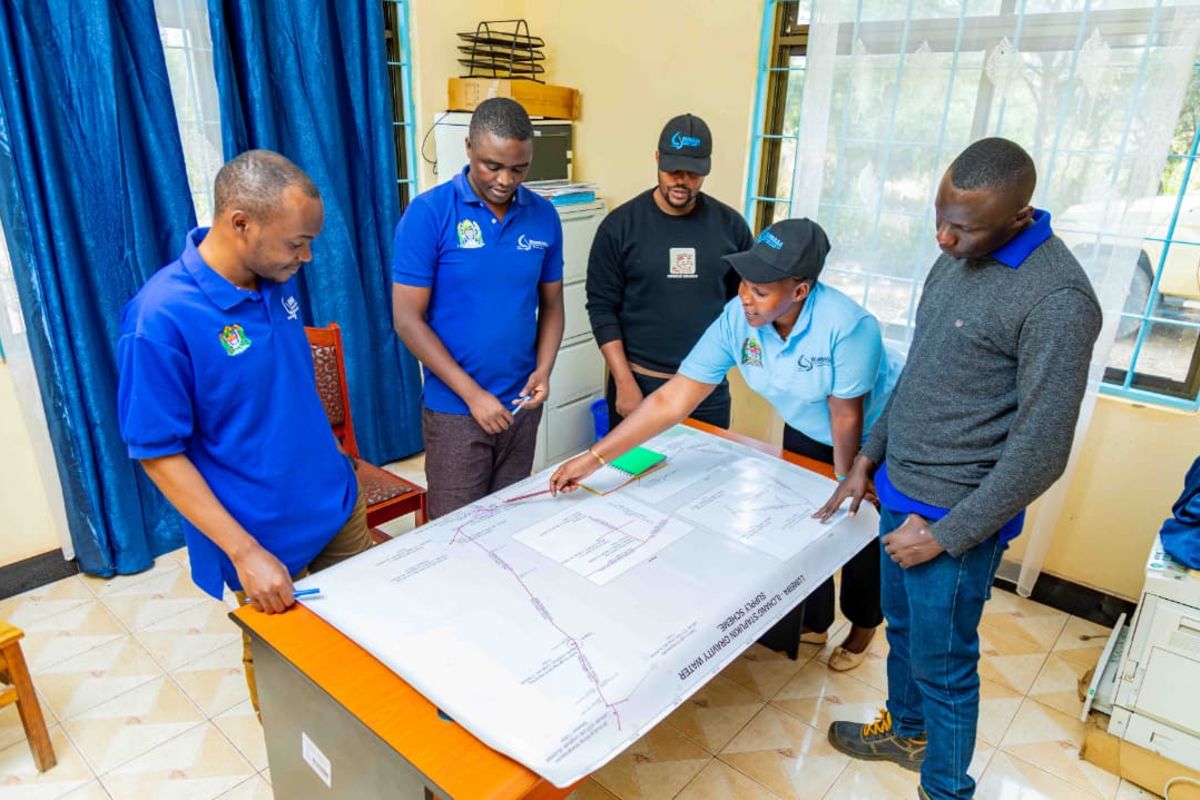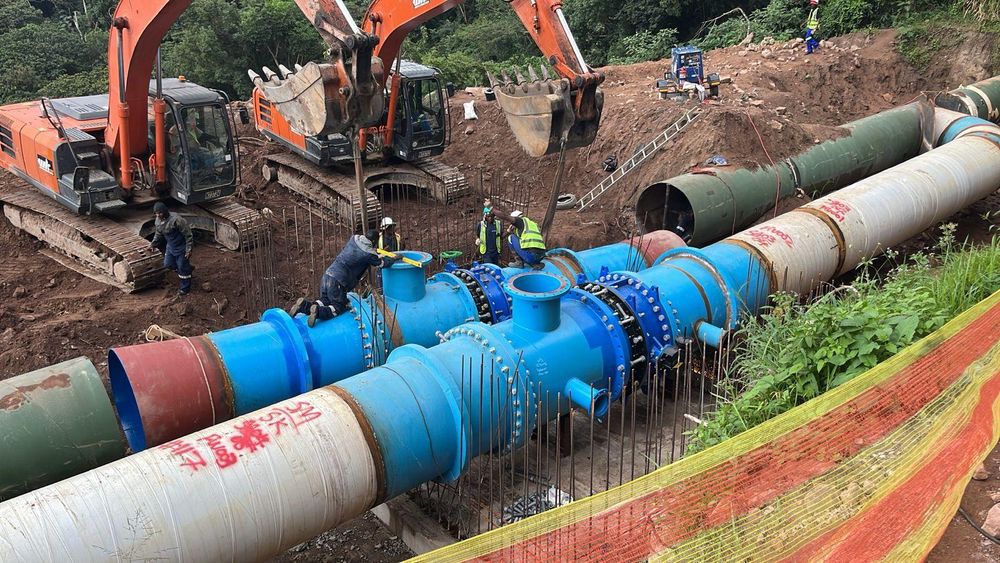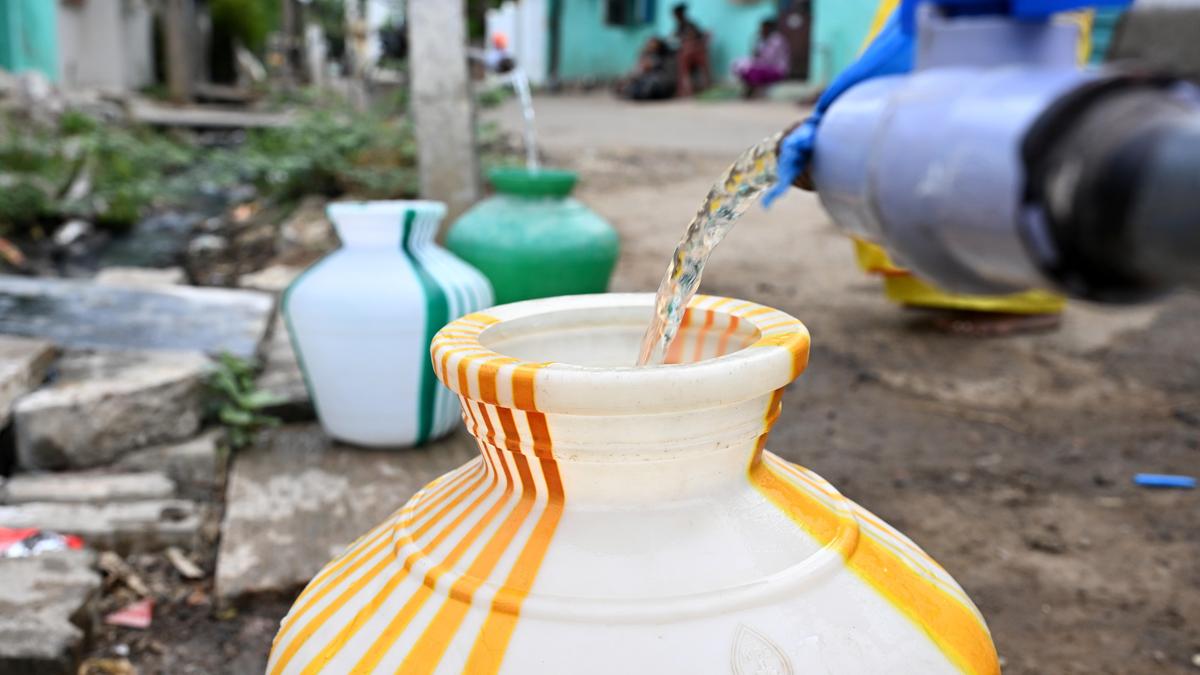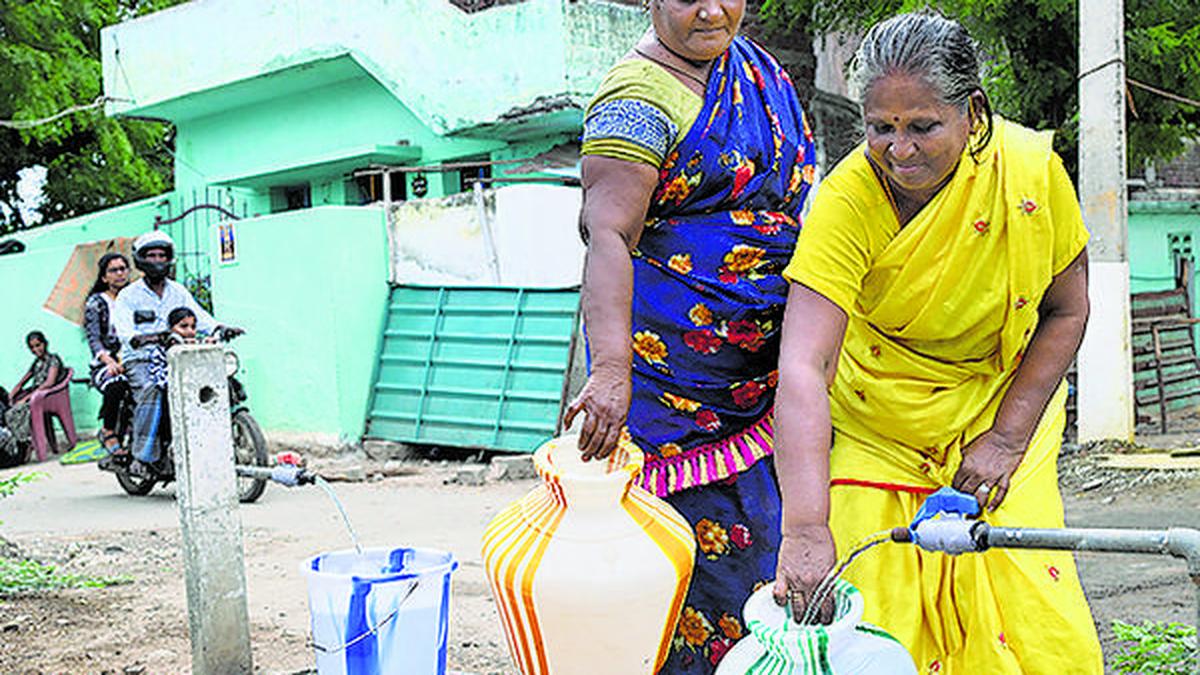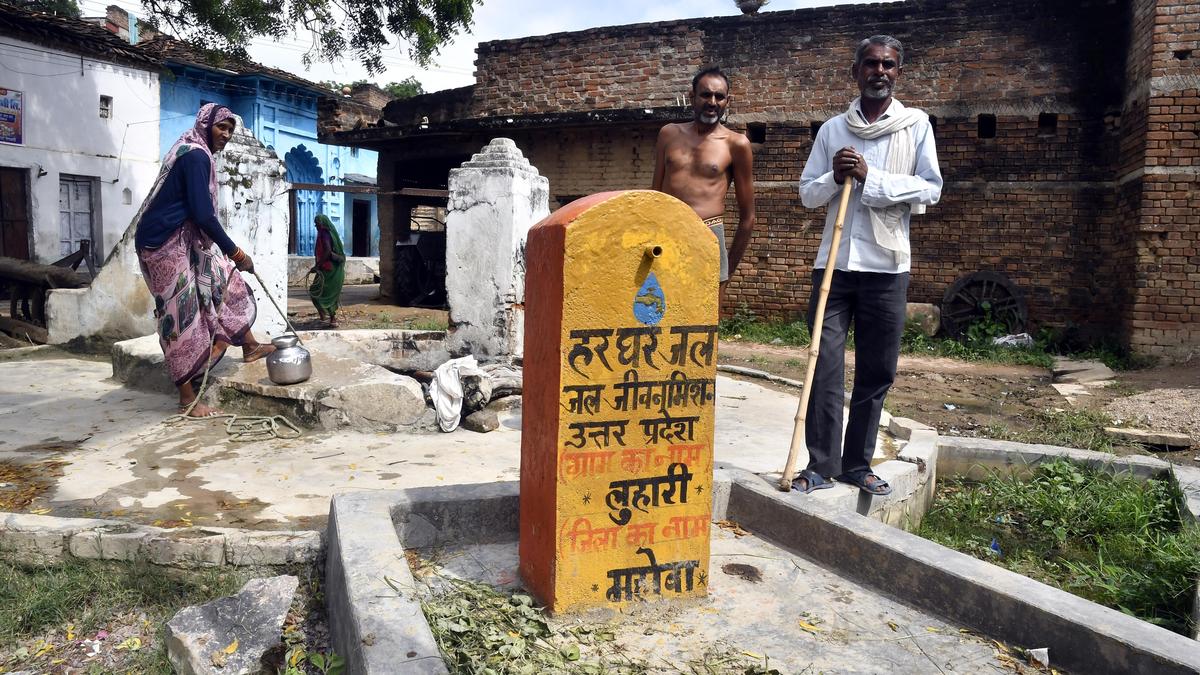
Every large public infrastructure programme reaches a moment when expansion must give way to sustainability. For the Jal Jeevan Mission (JJM), that moment is now.WaterPiped drinking water has become one of India’s most ambitious public service commitments. For rural households, especially women and children, a reliable water supply reshapes daily routines, improves health outcomes, and enhances overall well-being. Today, functional tap connections have expanded to over 81.83 per cent, covering 15.84 crore homes.As coverage approaches universality, the challenge is no longer access, but reliability. Systems must not only exist; they must continue to function, every day. This is where JJM 2.0 marks a shift, from building infrastructure to ensuring sustained service delivery through stronger local governance and Jan Bhagidari.Jal Seva Aankalan has been designed for this phase. Launched on 30th December 2025, Jal Seva Aankalan is a gram panchayat-led functionality assessment tool implemented nationwide by the Department of Drinking Water and Sanitation. At its core, it is a community-owned self-assessment that enables villages to evaluate how well their water systems are actually working.The strength of Aankalan lies in its simplicity. It draws on the lived experience of households.The process begins at the village level, led by the sarpanch or the VWSC chairperson. Community members, including panchayat officials, pump operators, self-help groups, and water users, come together to review their water supply system. They assess six key aspects: regularity of supply, adequacy of water quantity, quality of drinking water, sustainability of the source, availability of skilled manpower for operations and maintenance, and recurring service issues. They are specific questions: Does water come every day? Is it enough for household needs? Has anyone fallen ill due to water quality? Are sources being protected for the future?In a village, the water supply may be inconsistent. As a result, households may experience shortfalls in meeting their daily water needs. Through Aankalan, this gap is identified effectively and fixed at source. The gram sabha discusses it, and the village prioritises extending supply duration or improving storage infrastructure. What might have remained an individual inconvenience becomes a shared governance topic with a clear path for resolution.Once completed, the assessment is placed before the gram sabha for validation. The findings are then digitally recorded on the JJM Panchayat Dashboard, alongside asset inventories, water quality data, and supply schedules. District teams review this data to identify gaps and prepare time-bound improvement plans, which are consolidated at the State level to guide planning, investment, and fund allocation.This is where Jal Seva Aankalan becomes more than a diagnostic tool, it becomes a governance mechanism.Public investment in rural water supply has increased significantly, with the total JJM outlay rising to ₹8.69 lakh crore. Increasingly, fund flows are being linked to preparedness for functionality, operations, maintenance, and community ownership. Jal Seva Aankalan provides credible, community-verified evidence that systems are not just built but are working.In doing so, it aligns financial accountability with service outcomes.The Mission’s evolution can be understood as a shift from Har Ghar Jal to Sujal Gram. The first is a promise of access. The second is a promise of assurance, that water will flow reliably, remain safe to drink, and be sustained for future generations.Jal Seva Aankalan is the bridge between these two commitments.By placing communities at the centre of monitoring and decision-making, it embeds Jan Bhagidari into everyday governance. It creates a shared responsibility between the State and citizens, where service quality is continuously reviewed, not assumed.As the Jal Jeevan Mission matures, success will be measured not only by the number of connections delivered, but by the consistency and quality of service sustained over time.Jal Seva Aankalan ensures that this sustainability is not left to chance. It is built into the system, measured, discussed, and owned by the community.(The views expressed are personal)This article is authored by Ankita Chakravarty, deputy secretary, Department of Drinking Water & Sanitation.
Community ownership and service assurance as pillars of rural water security
This article is authored by Ankita Chakravarty, deputy secretary, Department of Drinking Water & Sanitation.
639 words~3 min read