By Leyla Khalifa and Olivier Germain
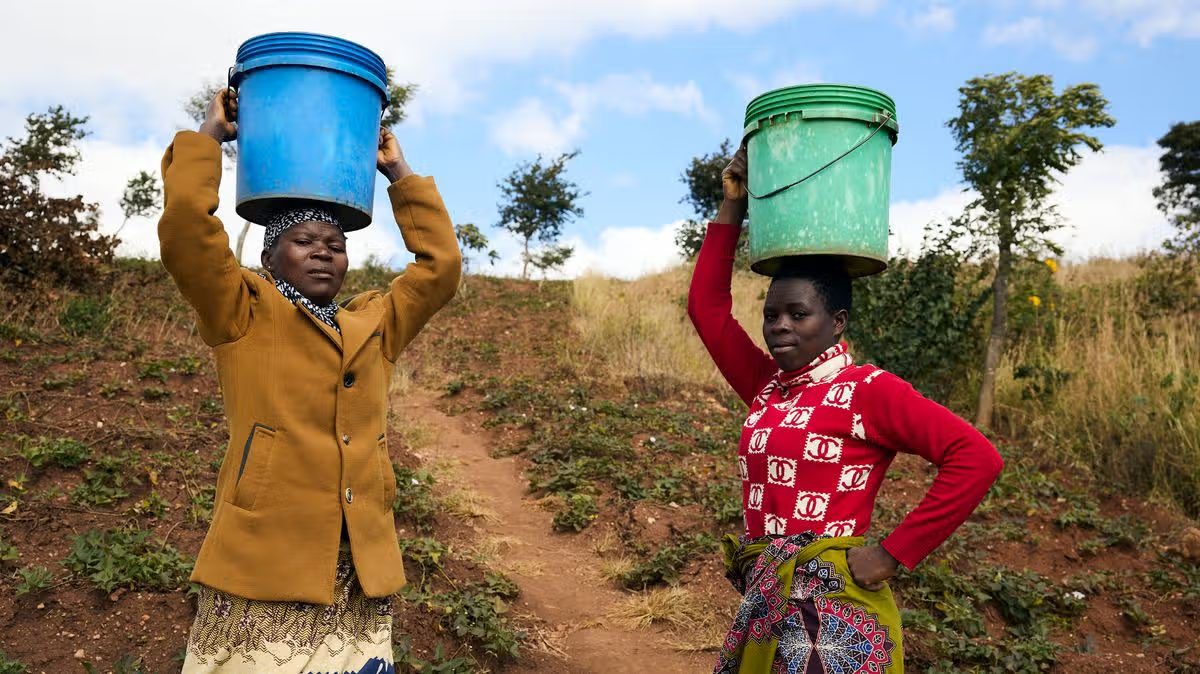
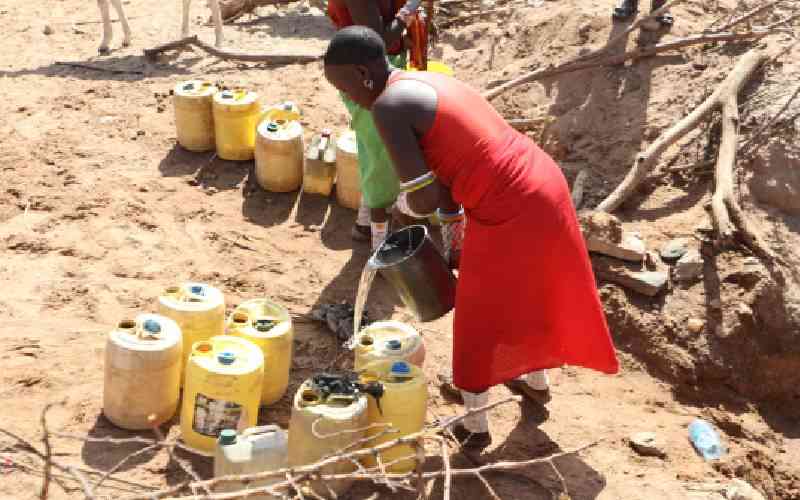
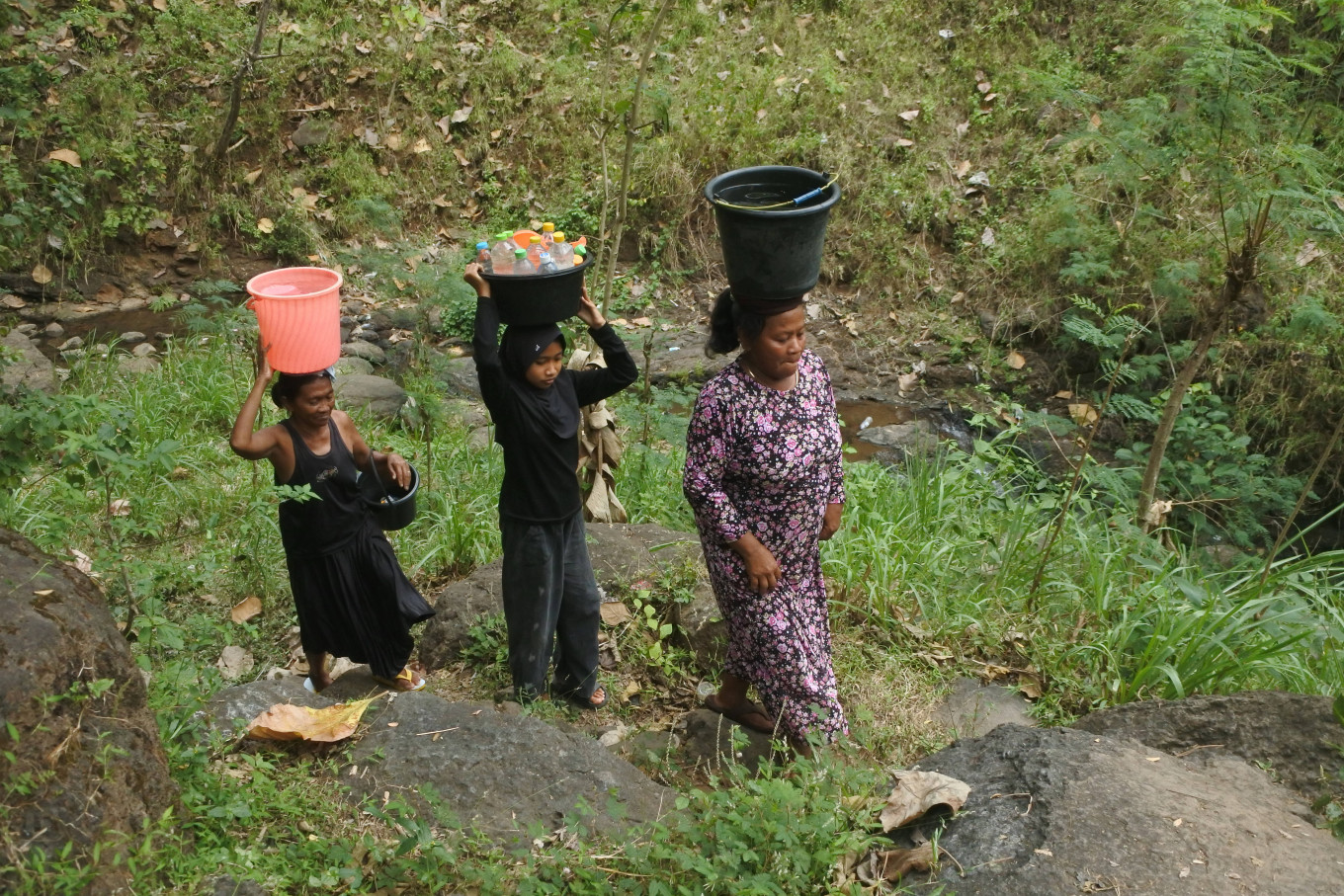
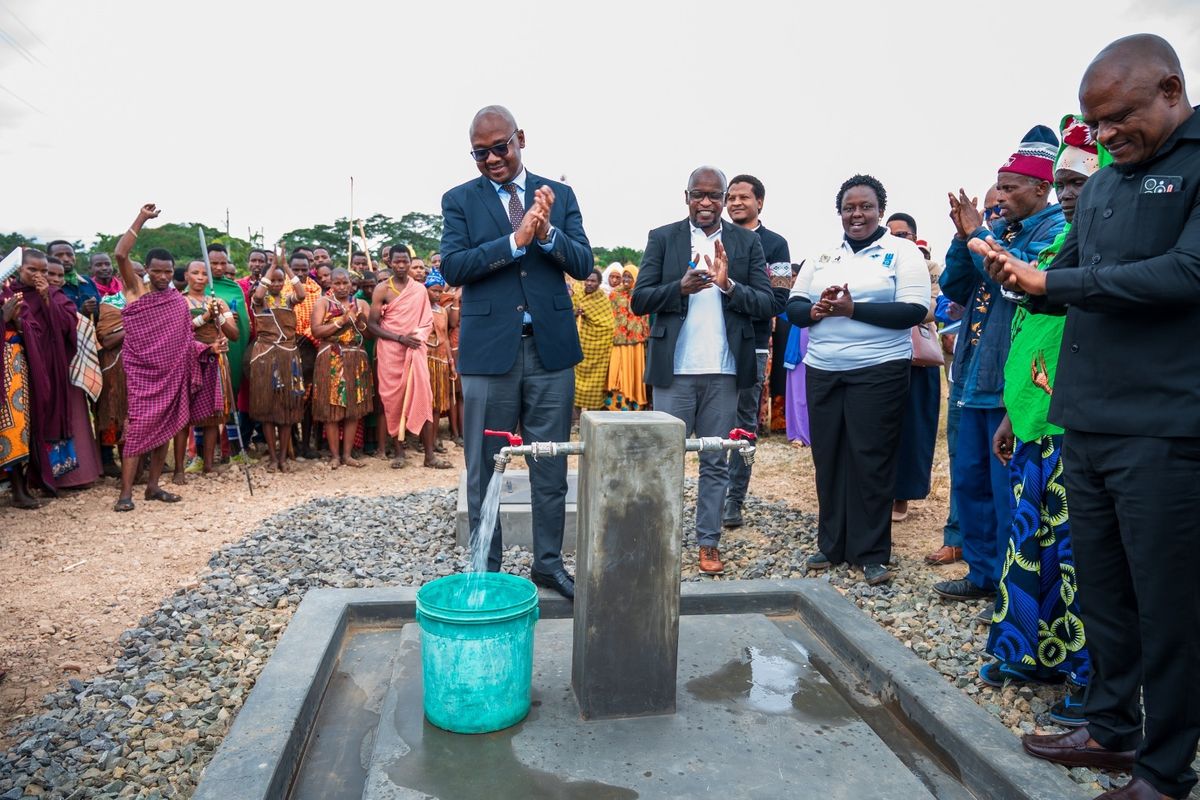
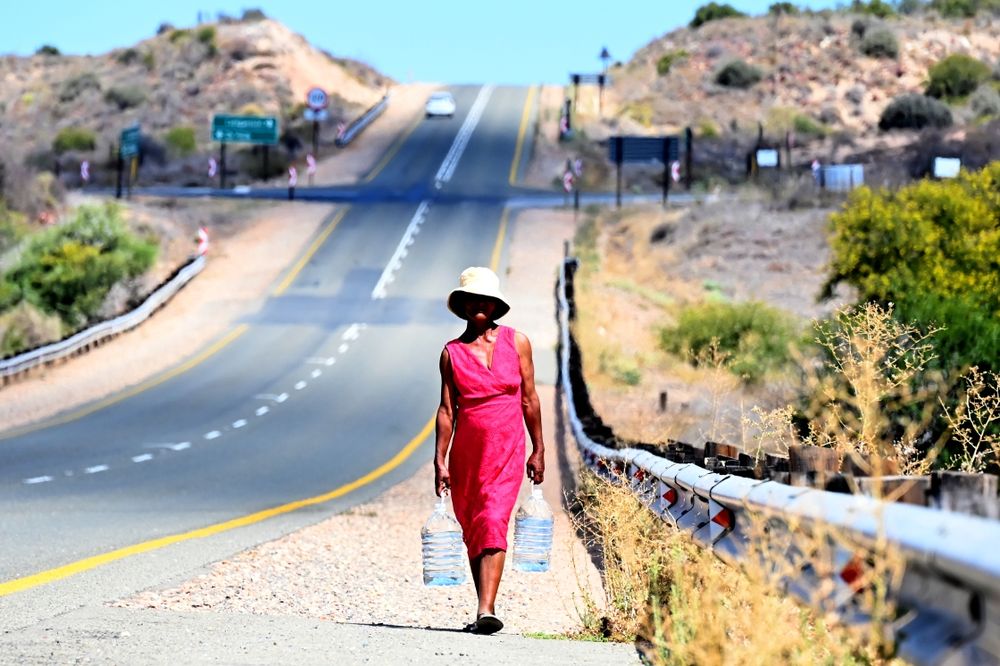
“Tumtue mama ndoo kichwani”, “Relieve a woman of the burden of carrying a water bucket on her head”, is a national call to action in Tanzania. In Longido District, Arusha Region, it reflects daily reality for nearly 130,000 people across more than 7,700 square kilometres of vast Maasai land, encompassing wildlife reserves and forests.
Since the Rural Water Supply and Sanitation Agency (RUWASA) was established in 2019, Longido has seen substantial infrastructure growth. Yet reliable water services depend on more than pipes and boreholes, they require robust systems: accurate data, sound finances, and meaningful community involvement.
Long-standing challenges
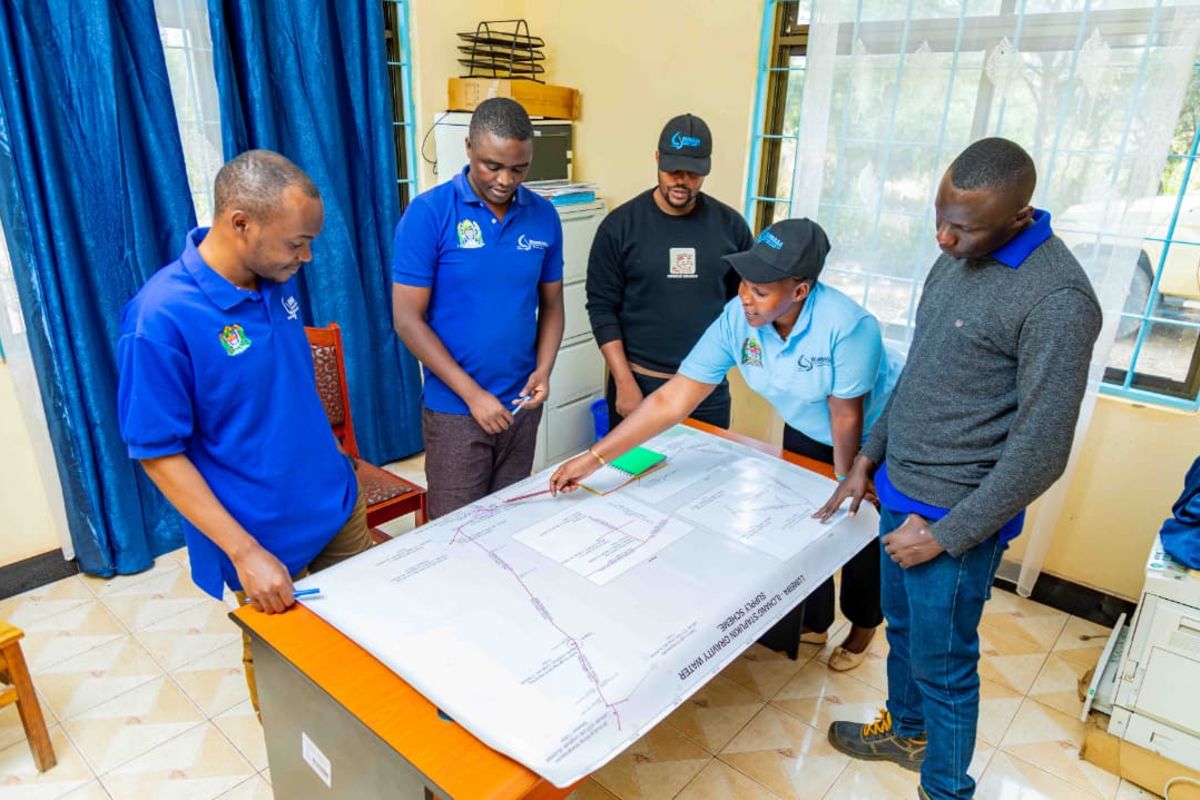
Progress was long hampered by critical gaps. Engineers lacked precise maps of water networks, forcing teams to spend days surveying parched fields or even digging to locate pipes. “You simply cannot fix or extend pipes without knowing where they begin and end,” explains Paul, a senior RUWASA engineer.